Applications of Discrete Mathematics for Understanding Dynamics of Synapses and Networks in Neuroscience
Caitlyn M. Parmelee

TL;DR
This paper uses discrete mathematics to model synaptic vesicle dynamics in photoreceptors and explores how network structure influences neural activity, providing new insights into visual processing and network behavior.
Contribution
It introduces a mathematical model for vesicle replenishment at ribbon synapses and classifies network dynamics based on graph structure, advancing understanding of neural coding and network behavior.
Findings
Vesicle replenishment rate critically affects neural responses in the retina.
Most studied networks exhibit limit cycle activity with sequential neuron firing.
An algorithm predicts firing sequences based on network graph structure.
Abstract
Mathematical modeling has broad applications in neuroscience whether modeling the dynamics of a single synapse or an entire network of neurons. In Part I, we model vesicle replenishment and release at the photoreceptor synapse to better understand how visual information is processed. In Part II, we explore a simple model of neural networks with the goal of discovering how network structure shapes the behavior of the network. To fully understand how visual information is processed requires an understanding of the way signals are transformed at the ribbon synapse of photoreceptor neurons. These synapses possess a ribbon-like structure capable of storing around 100 synaptic vesicles, allowing graded responses through the release of different numbers of vesicles in response to visual input. These responses depend critically on the ability of the ribbon to replenish itself as ribbon sites…
Click any figure to enlarge with its caption.
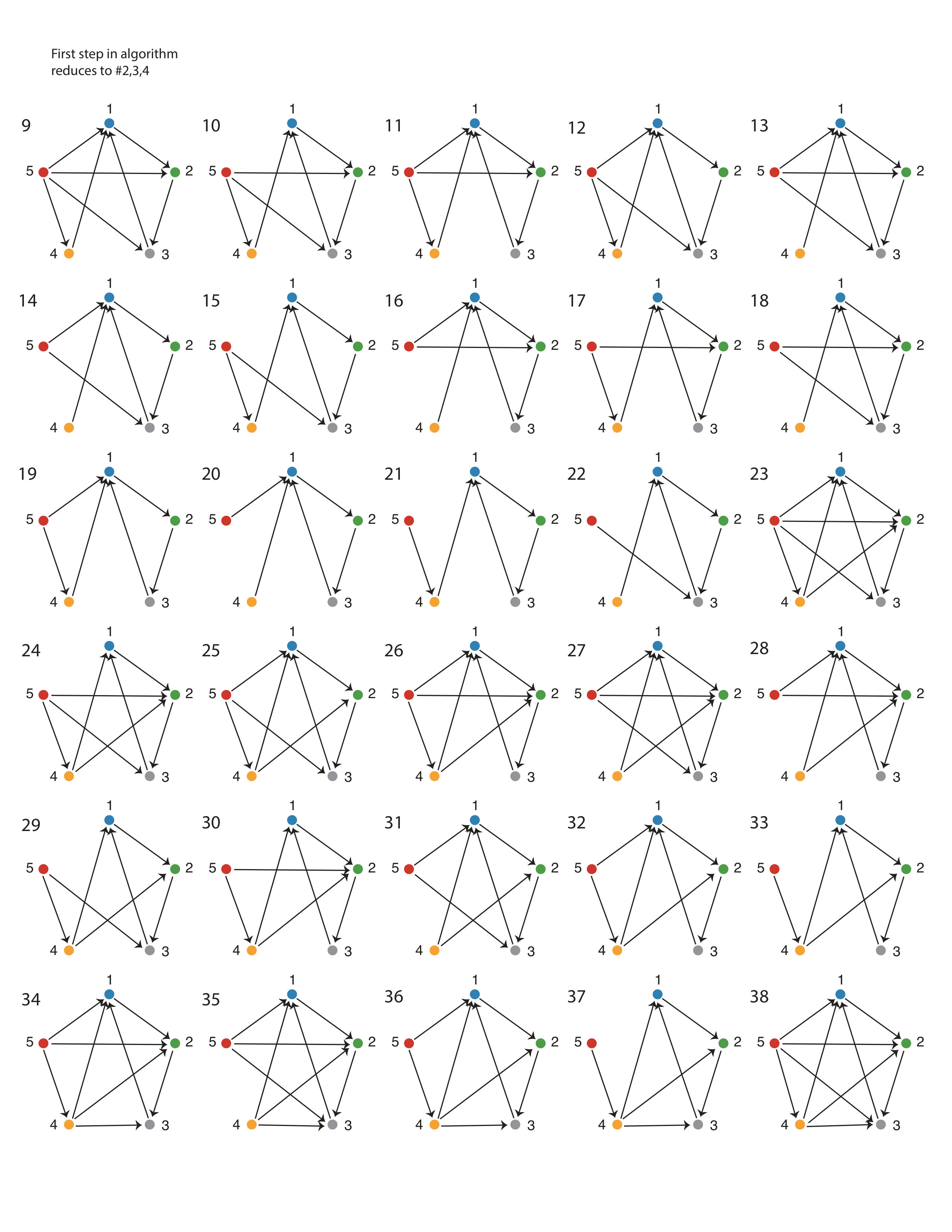 Figure 1
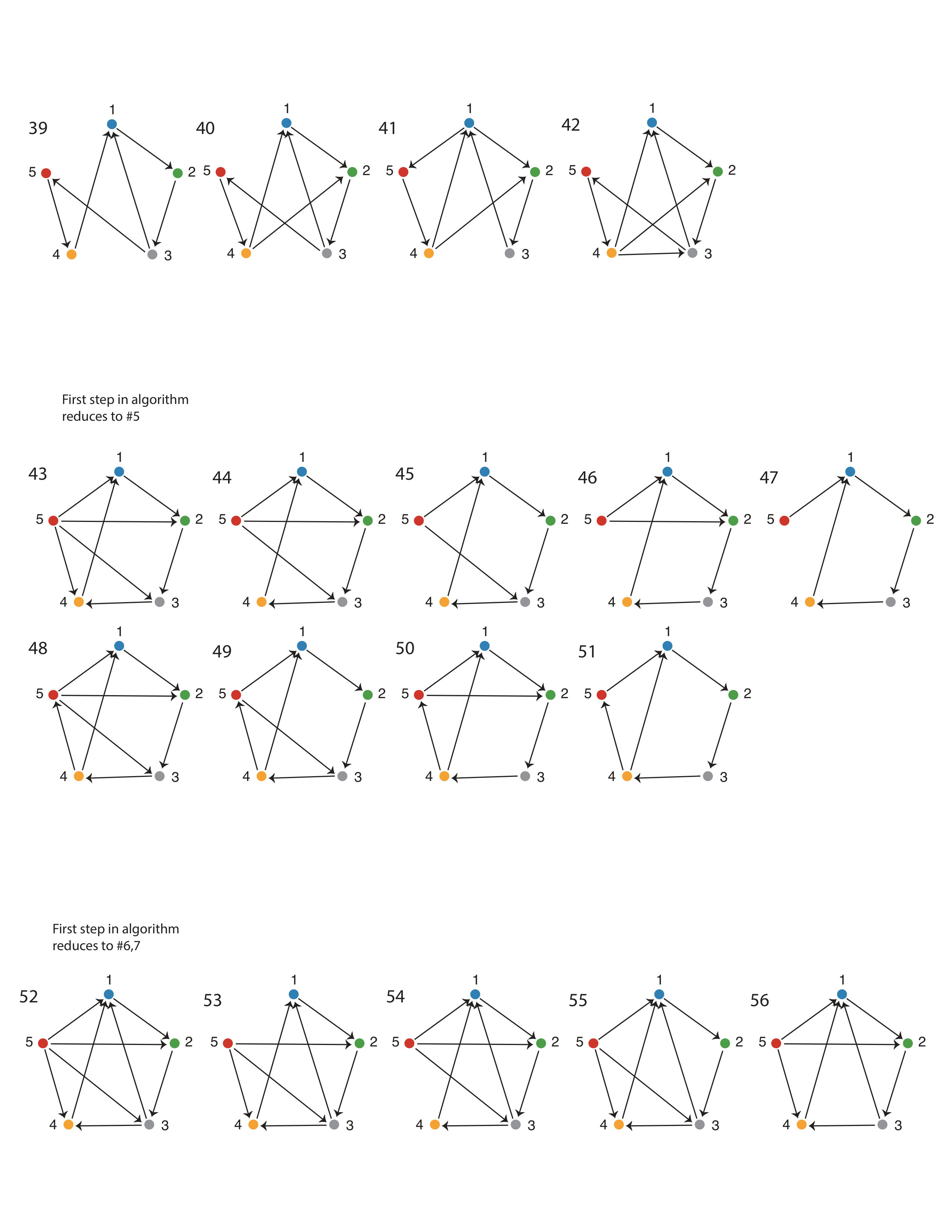 Figure 2
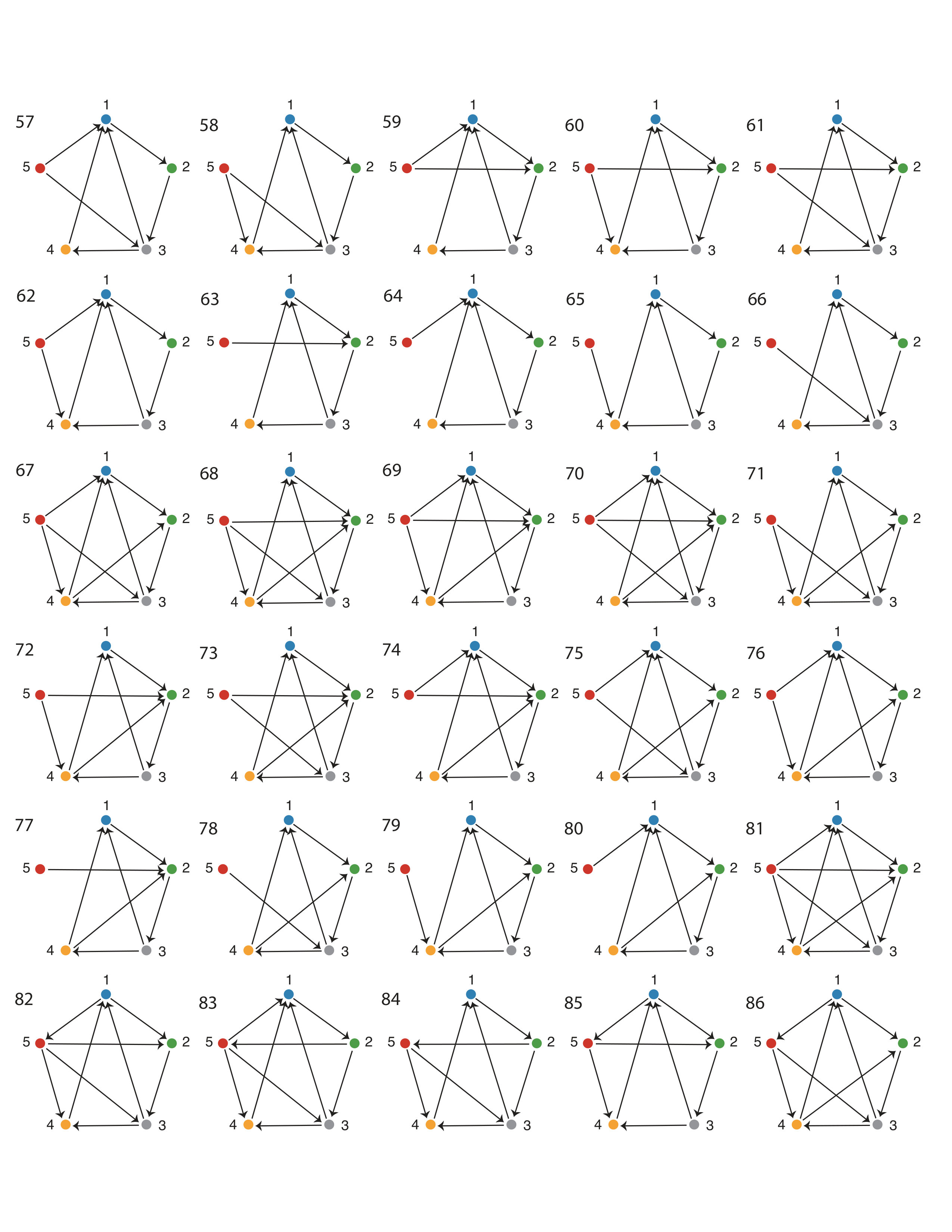 Figure 3
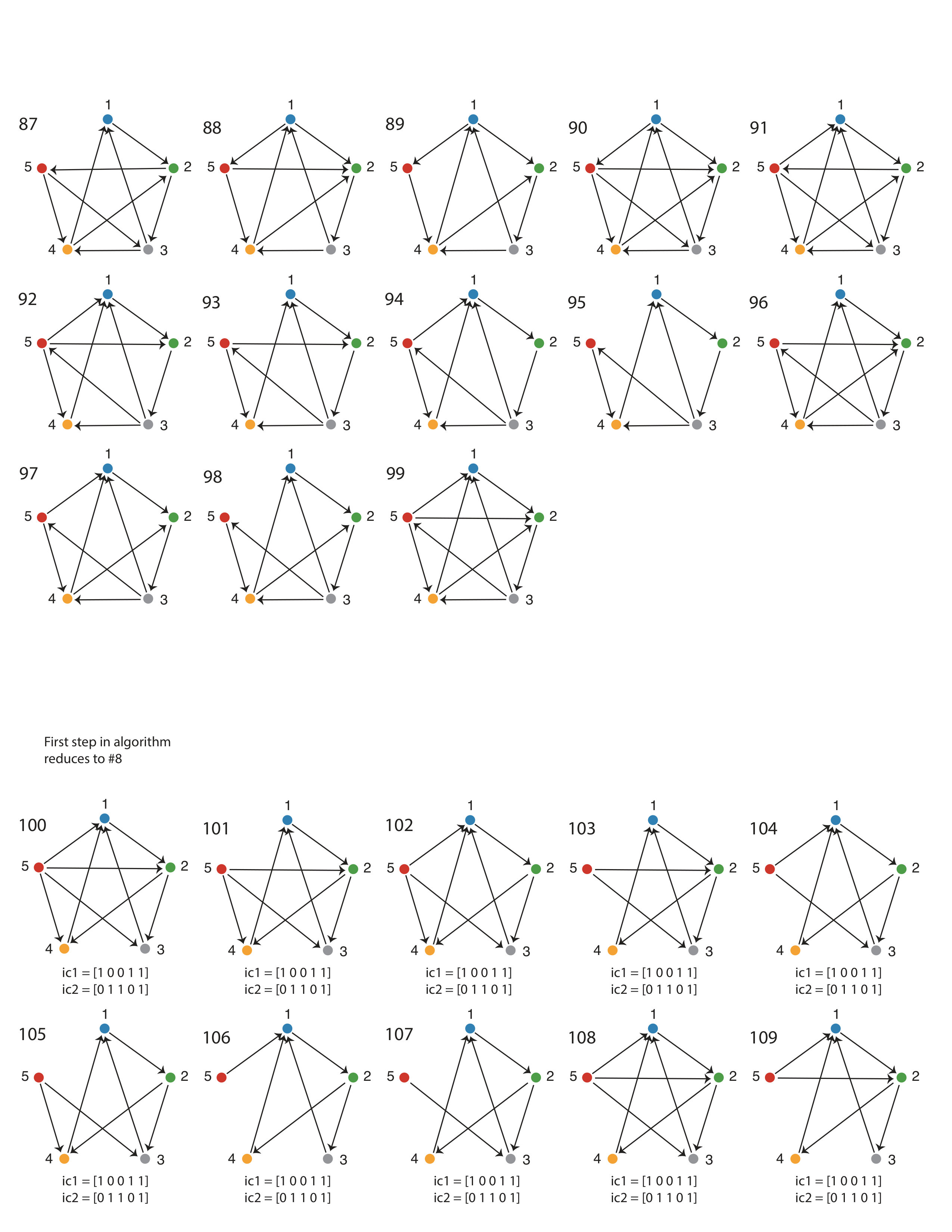 Figure 4
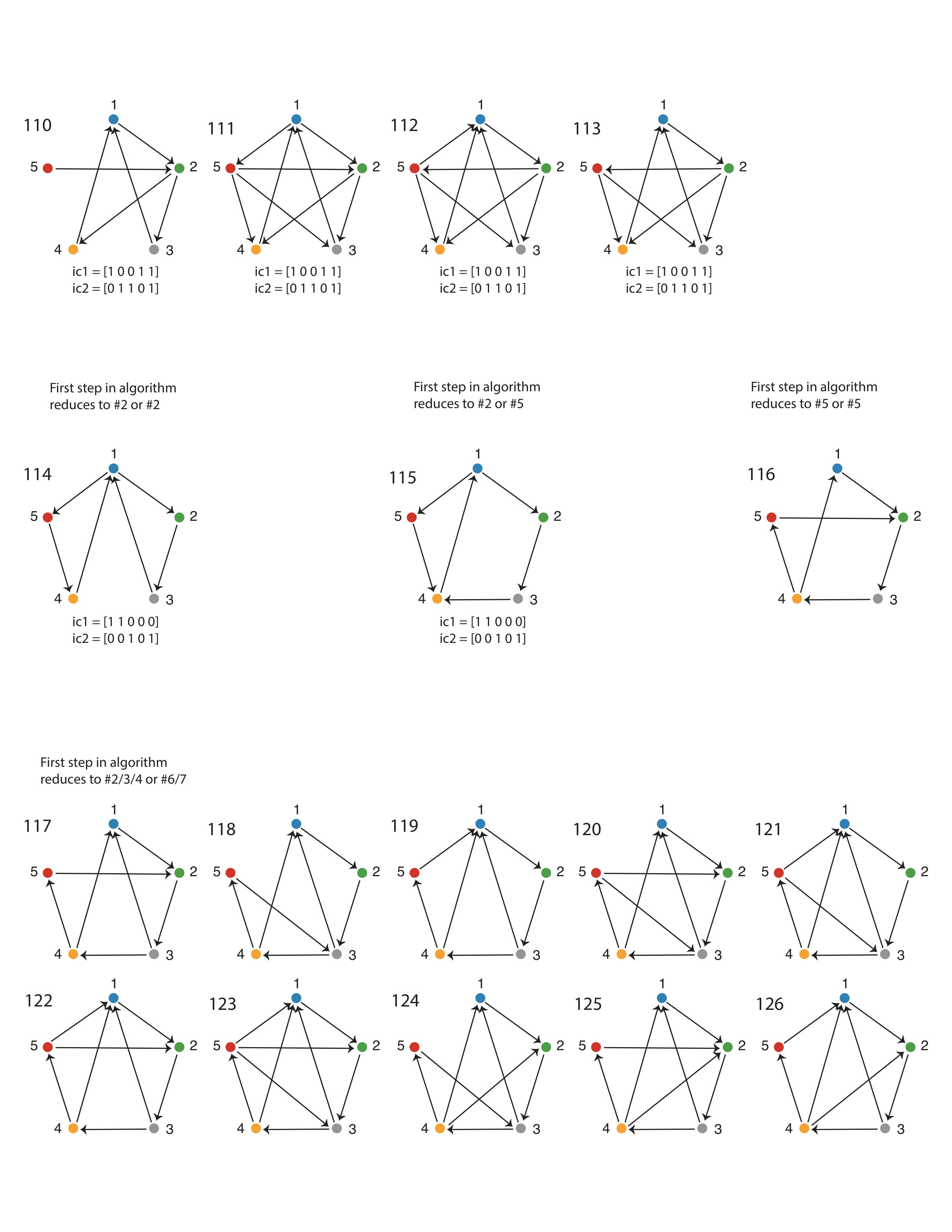 Figure 5
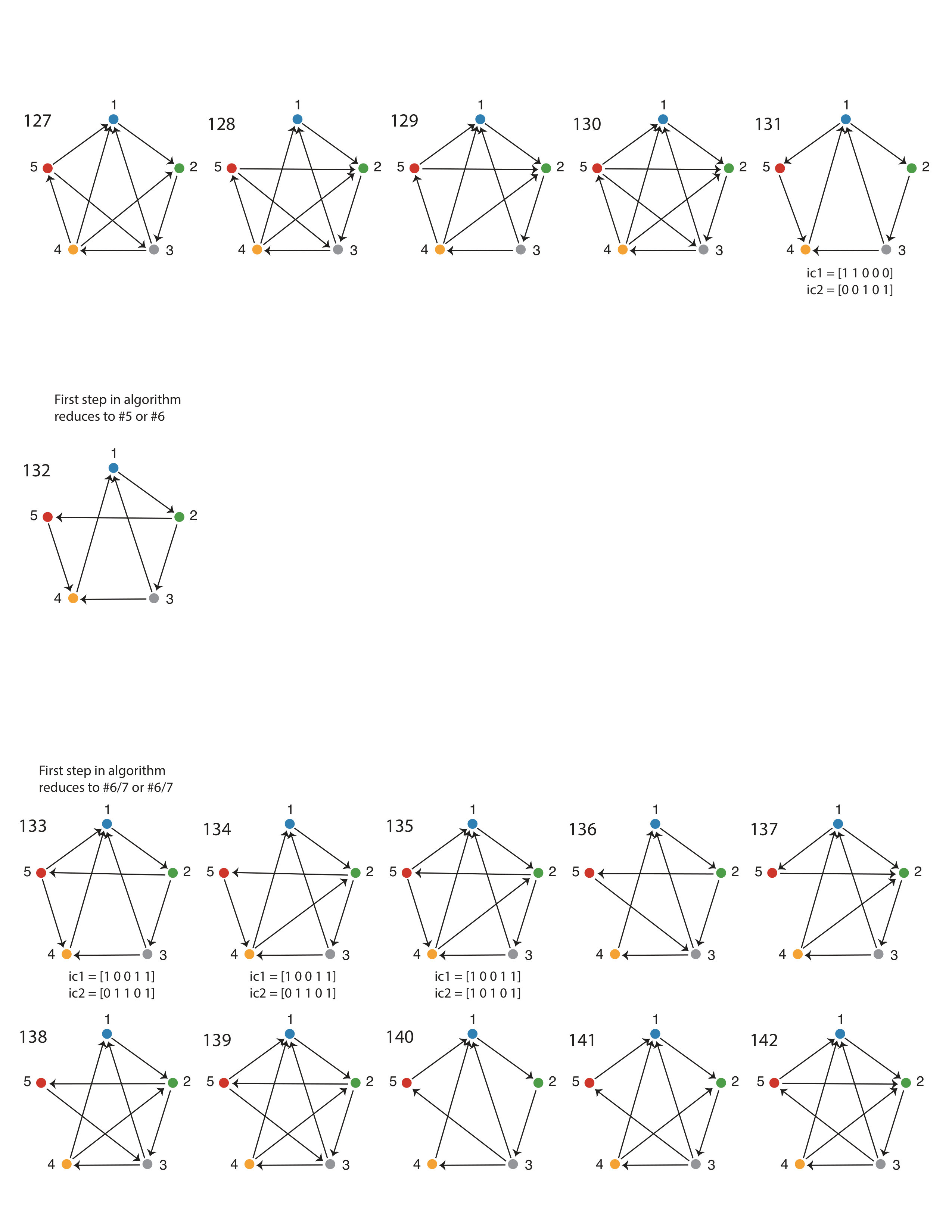 Figure 6
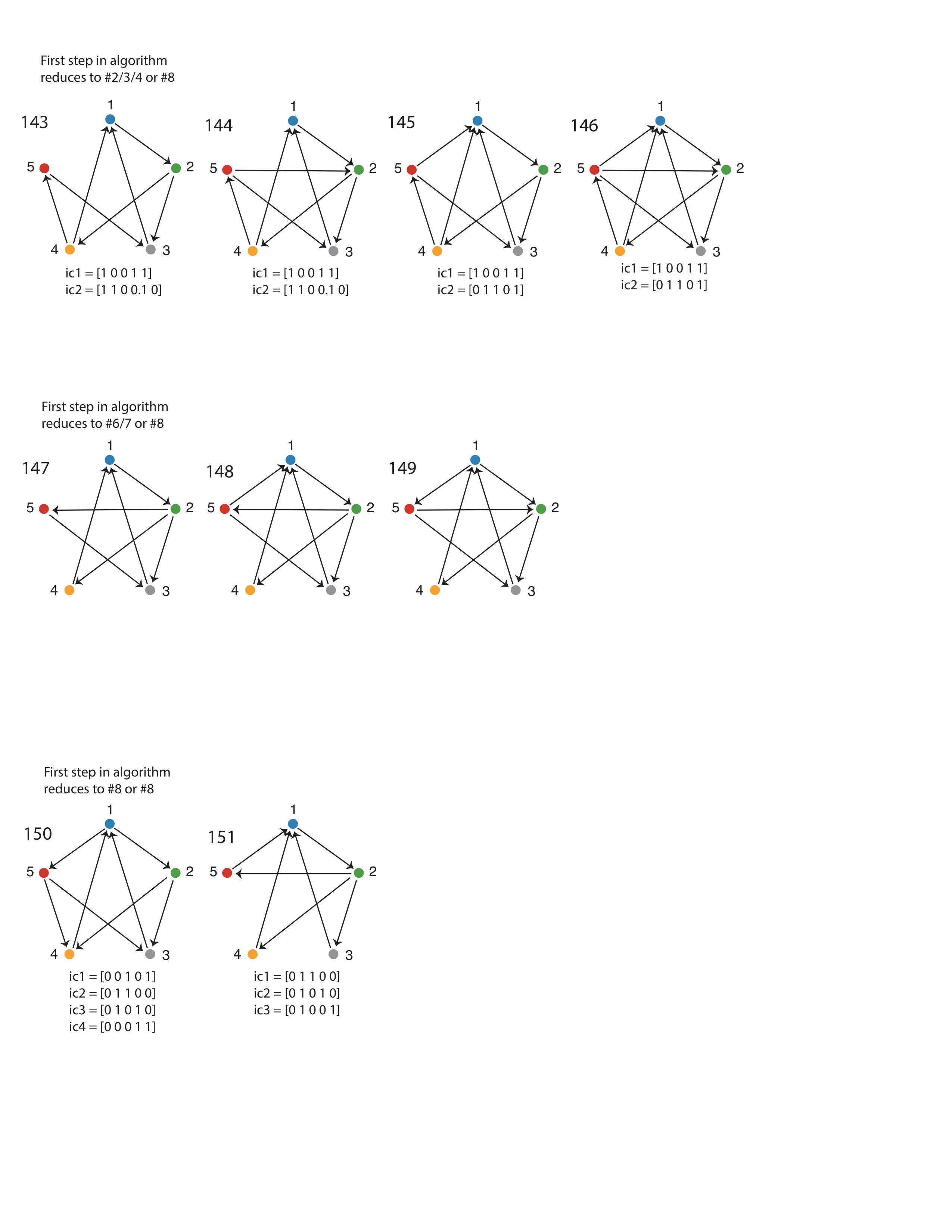 Figure 7
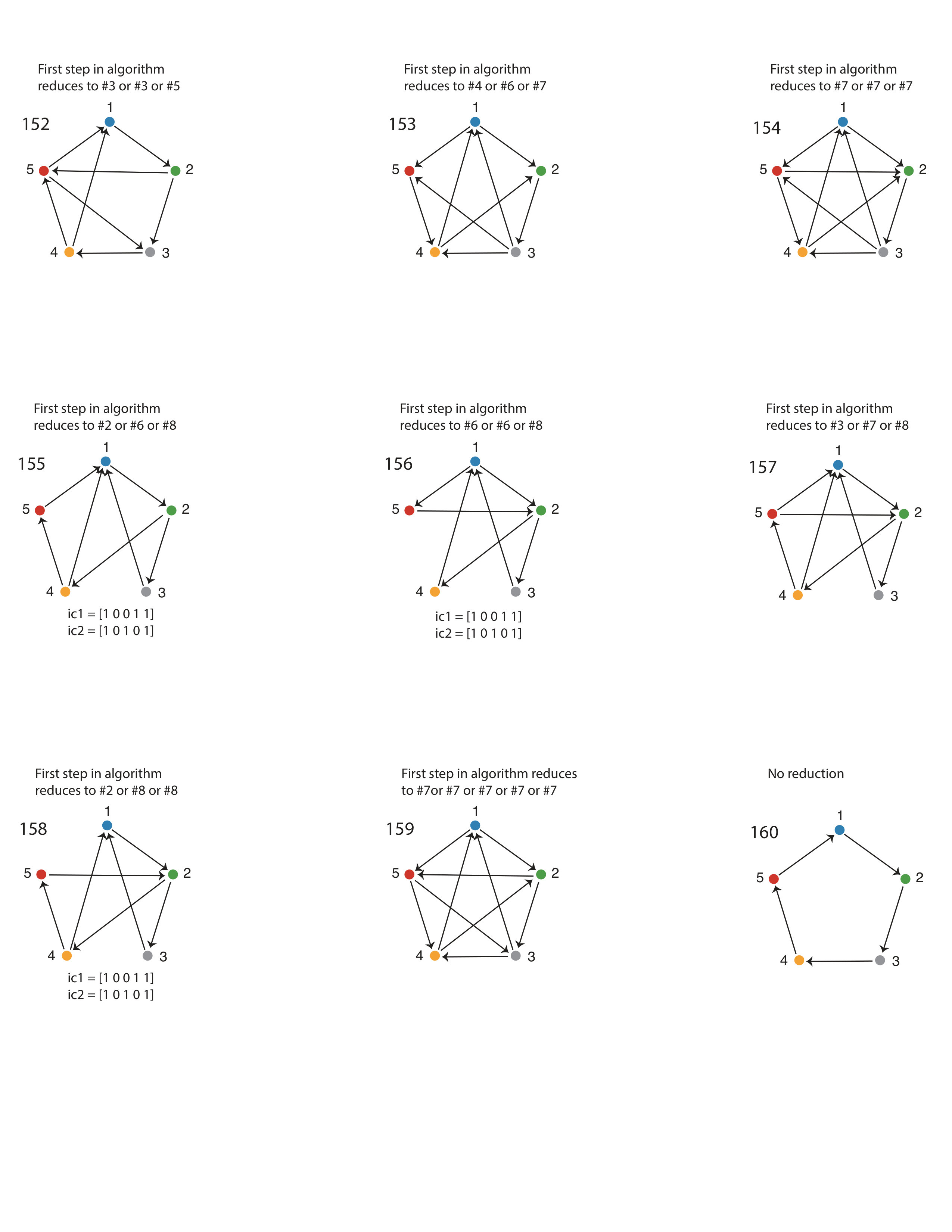 Figure 8
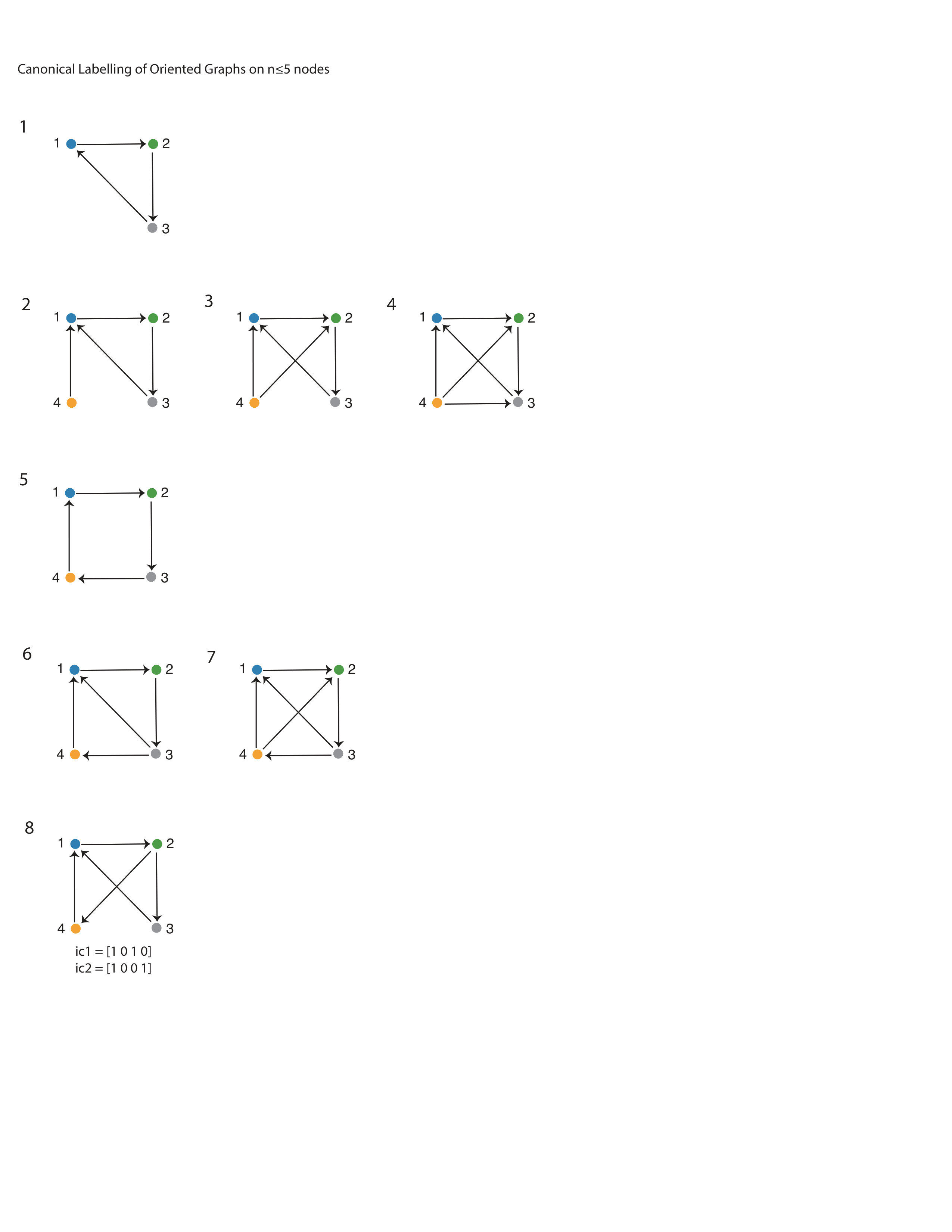 Figure 9
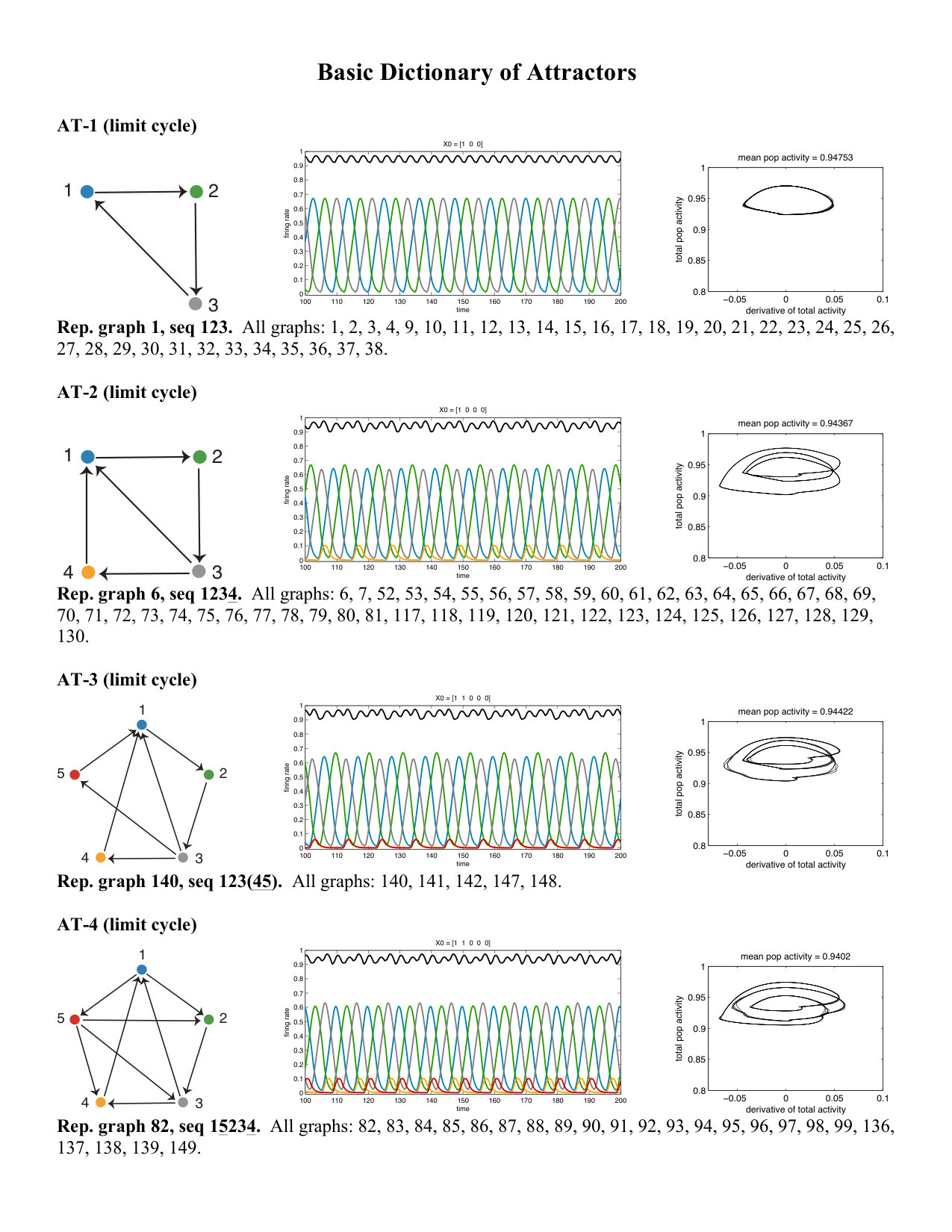 Figure 10
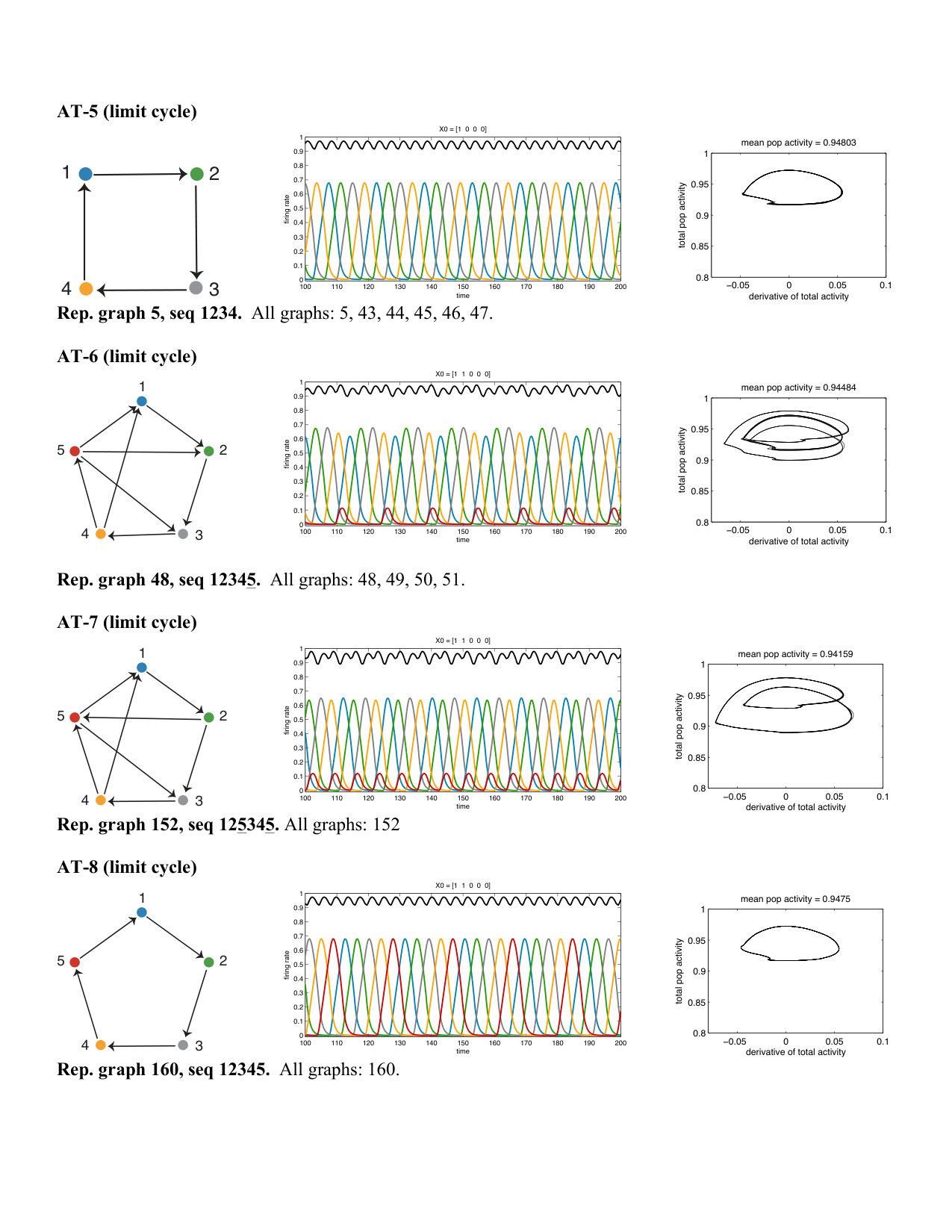 Figure 11
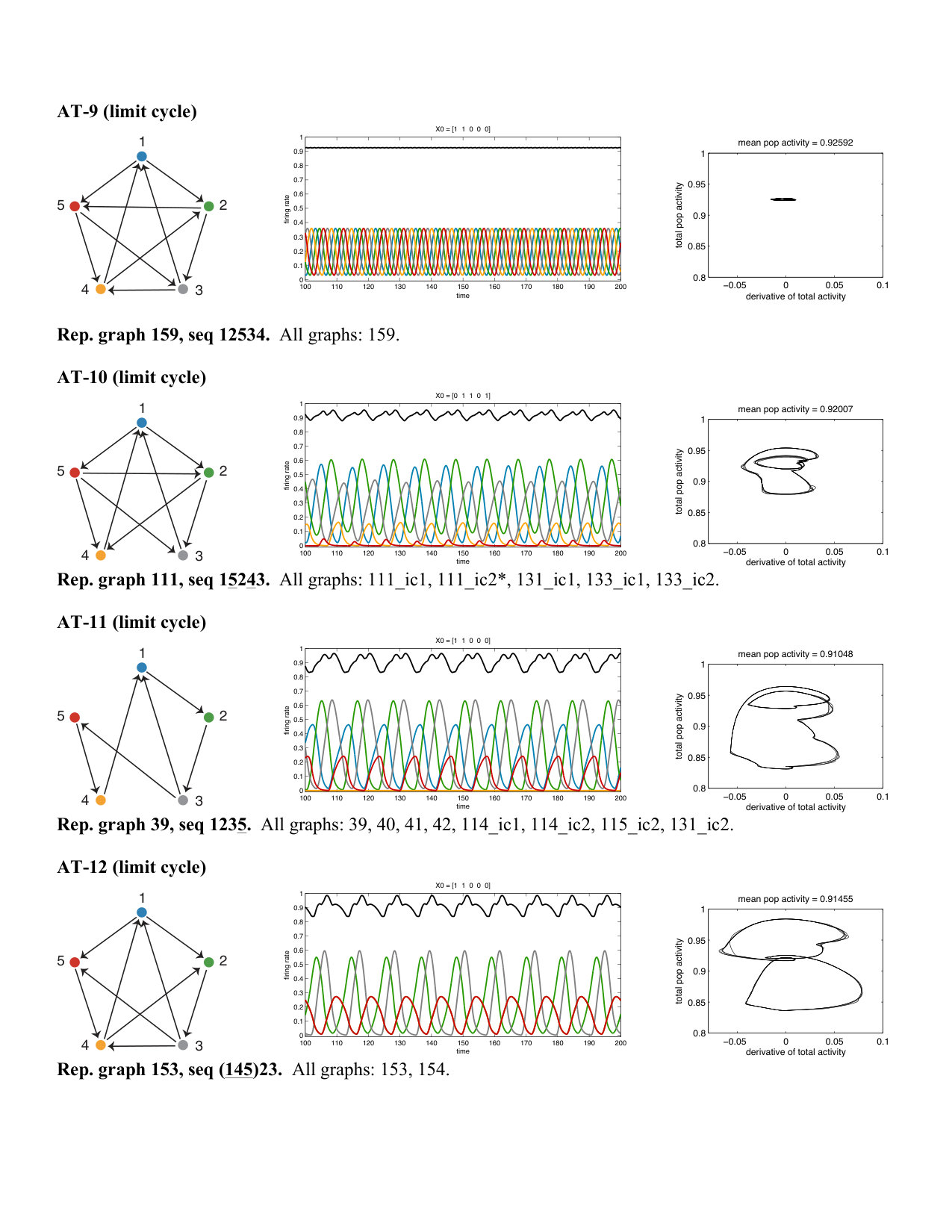 Figure 12
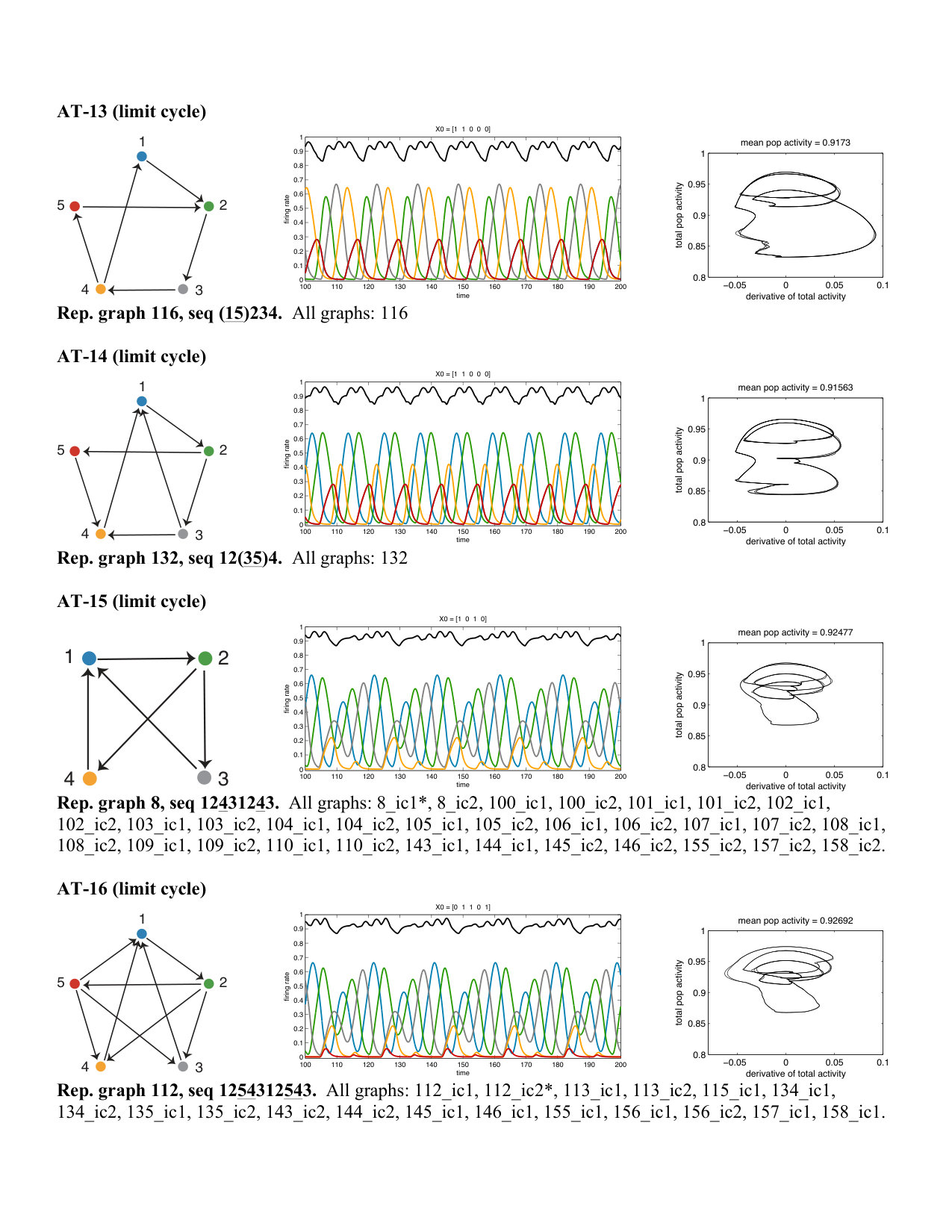 Figure 13
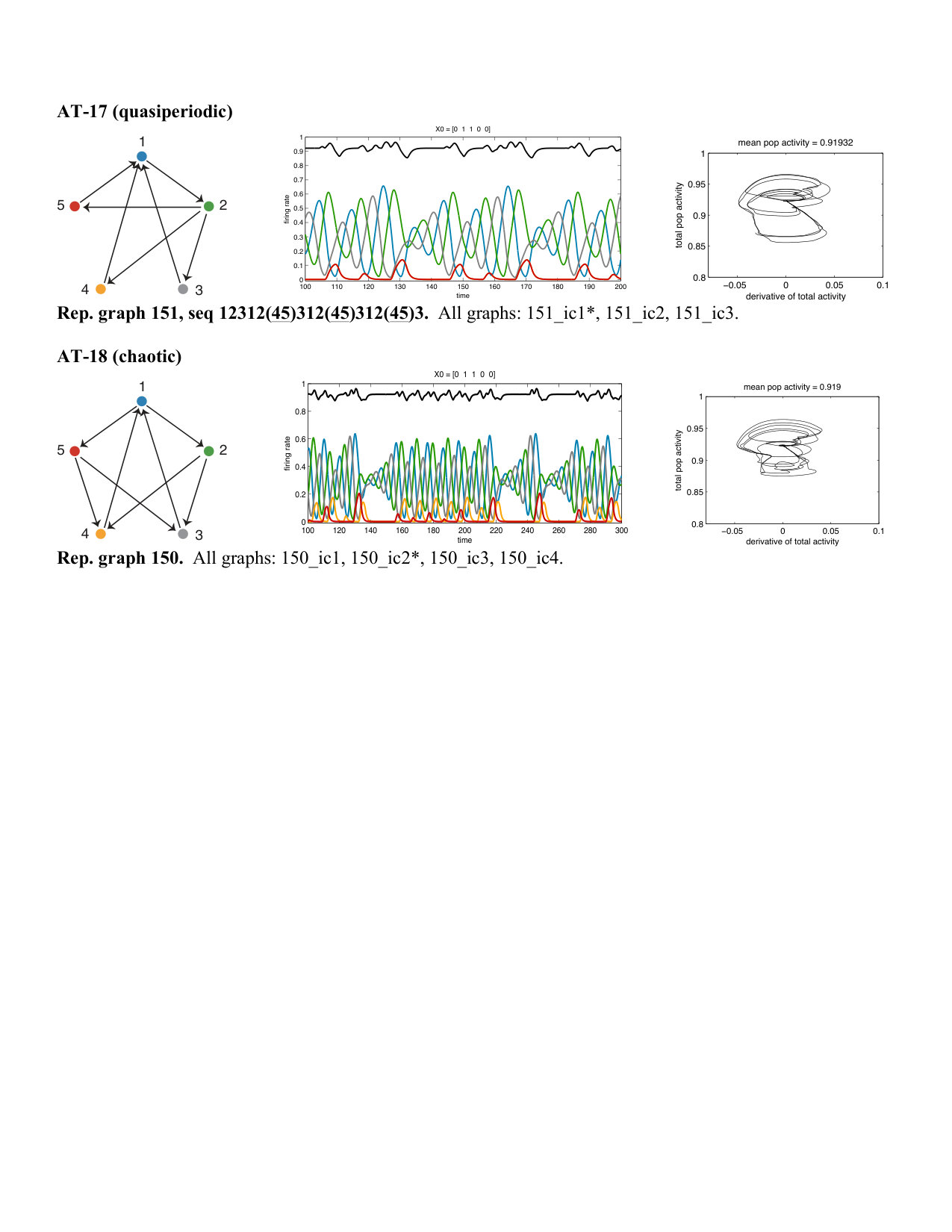 Figure 14
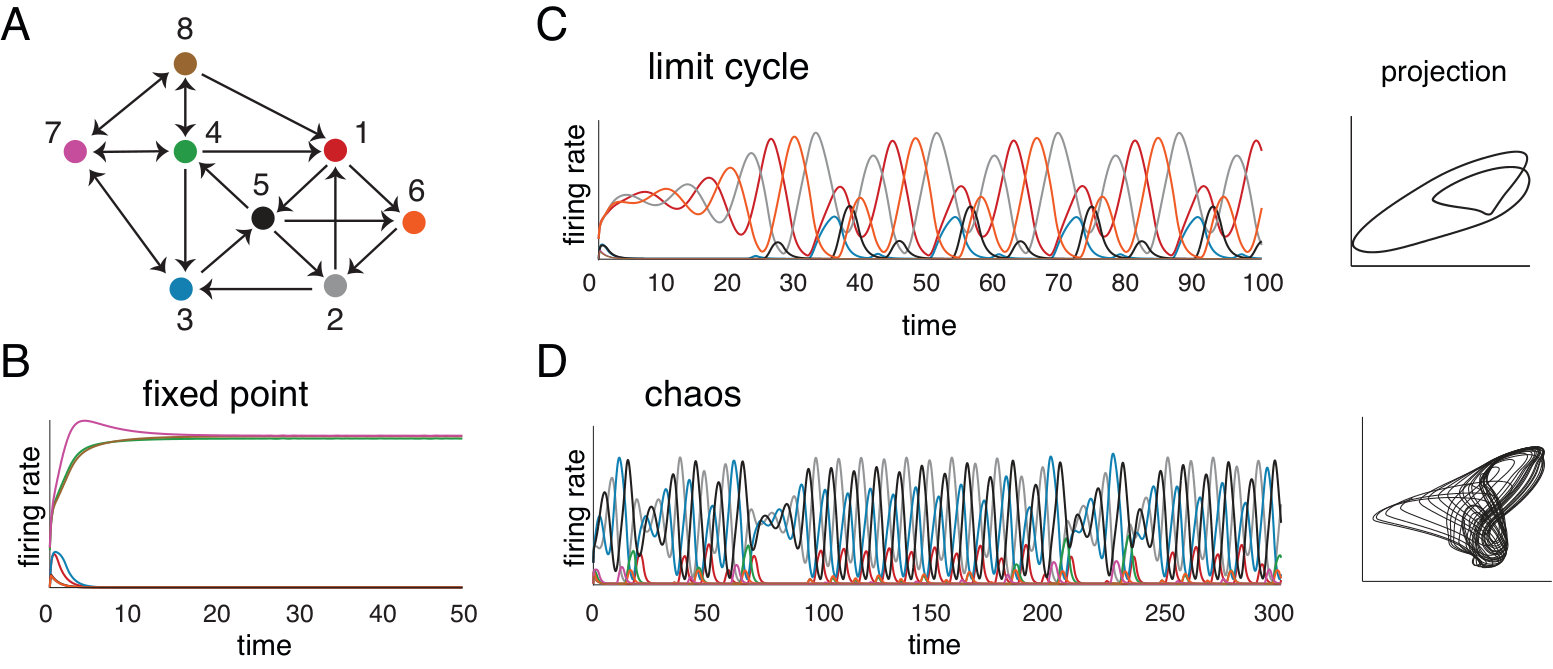 Figure 3
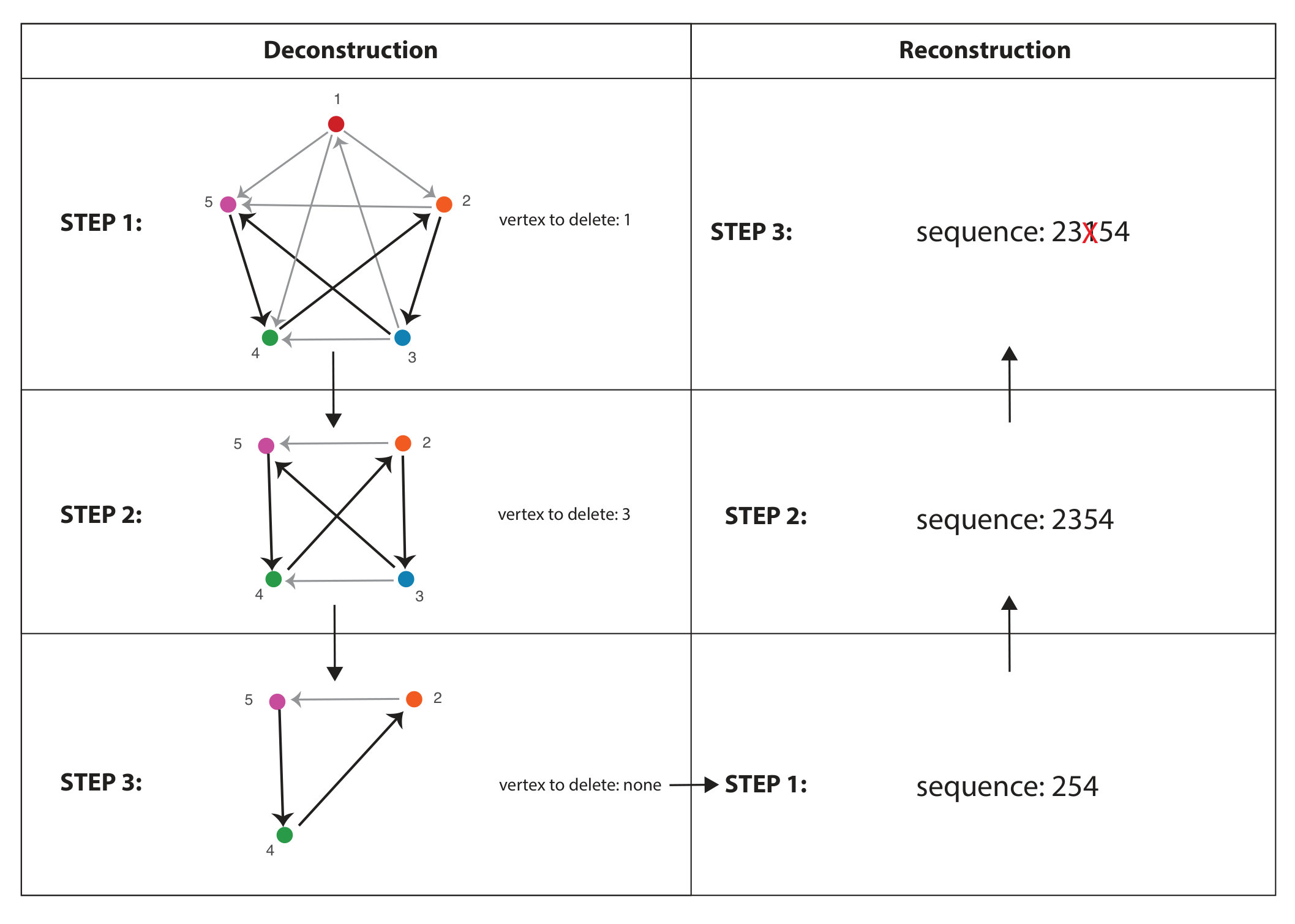 Figure 16
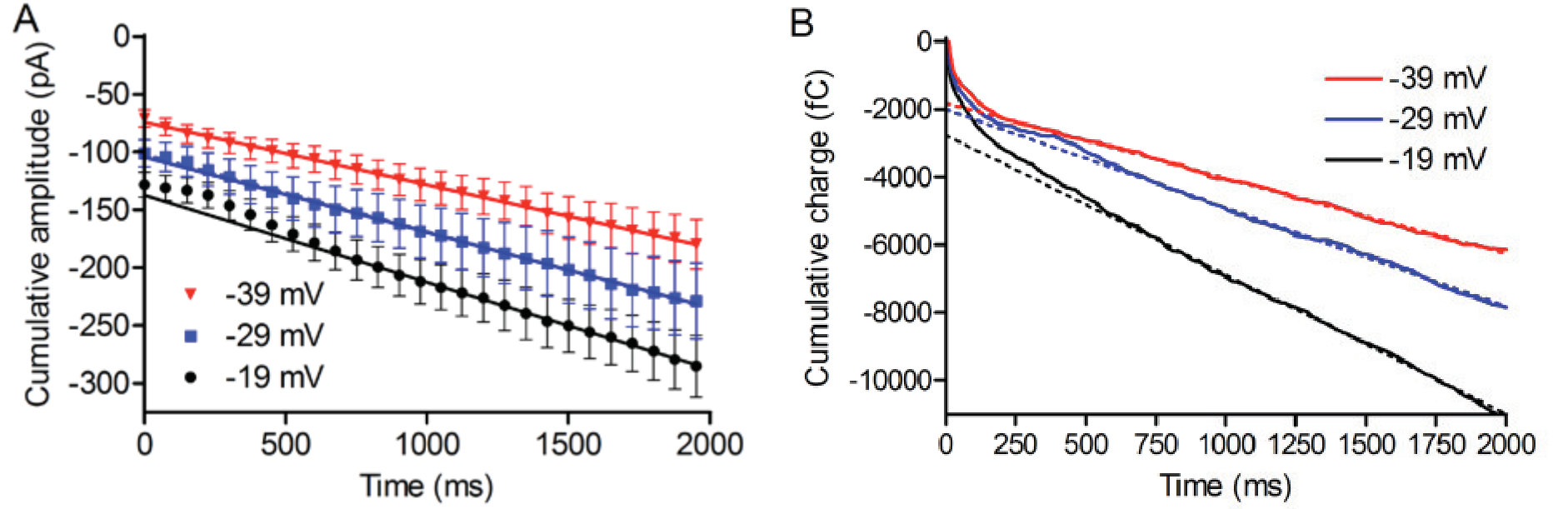 Figure 17
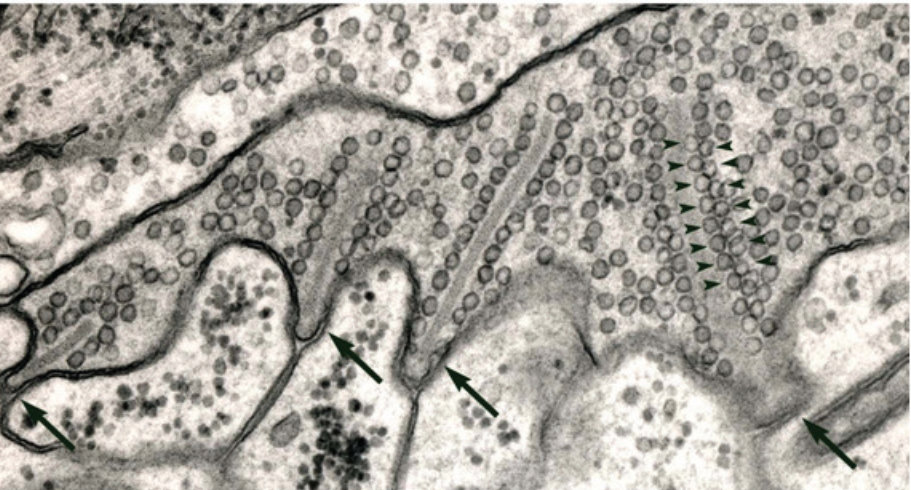 Figure 18
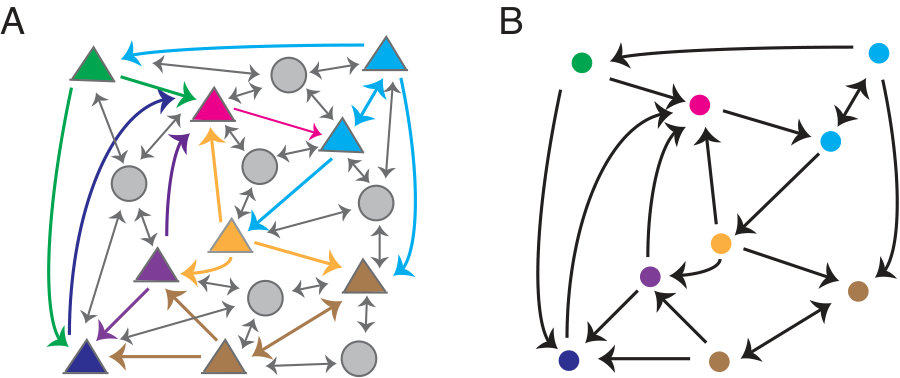 Figure 19
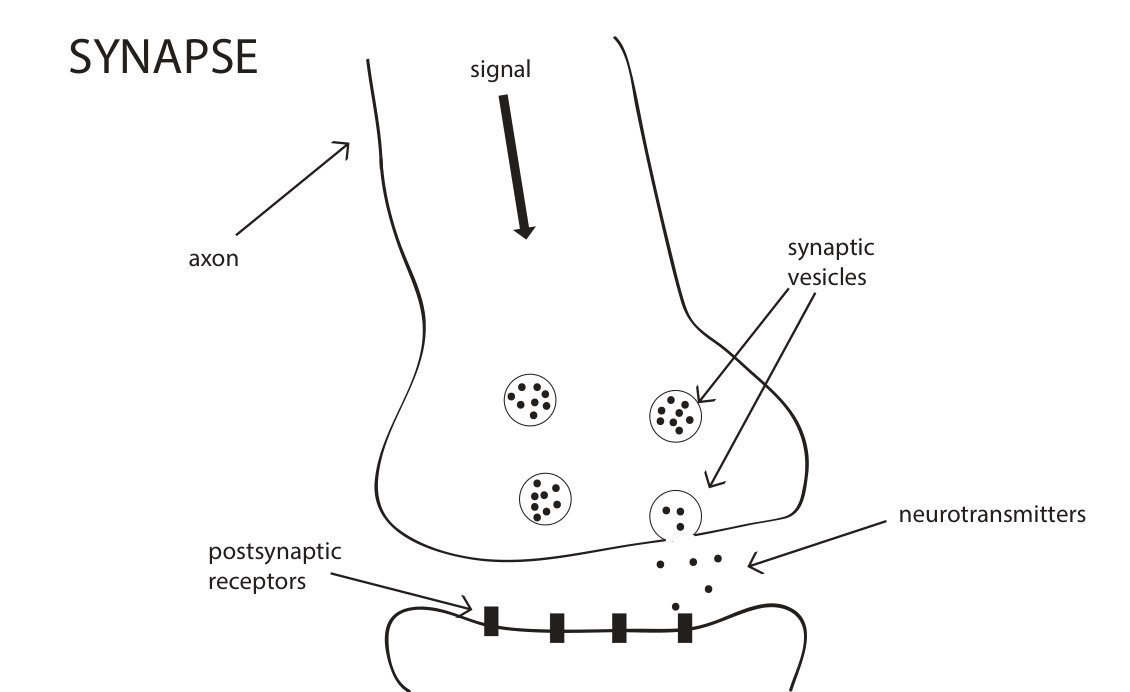 Figure 20
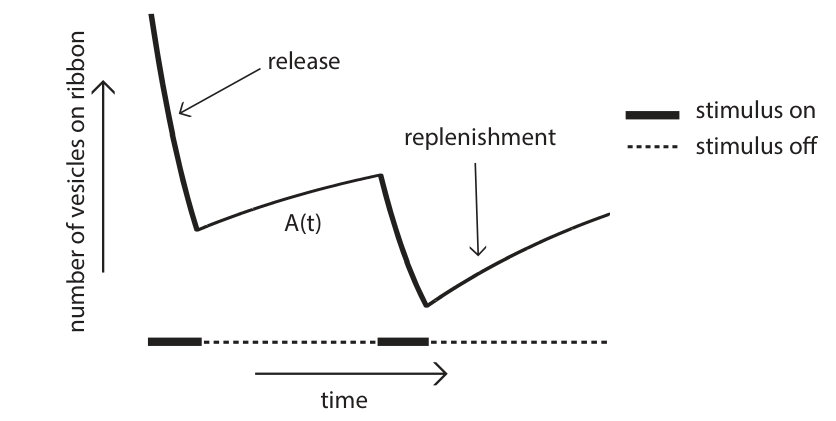 Figure 21
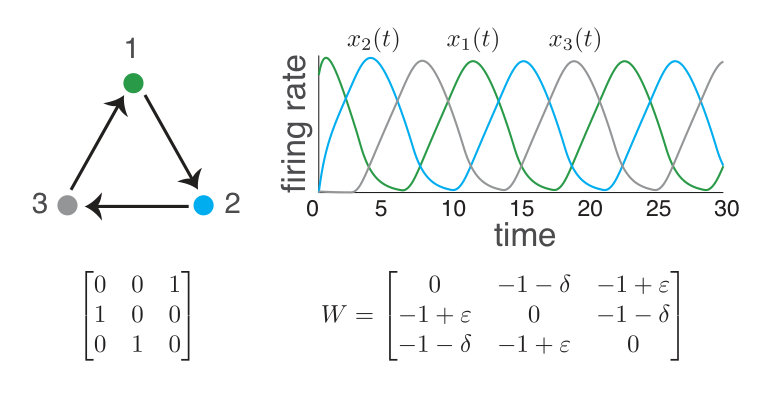 Figure 3
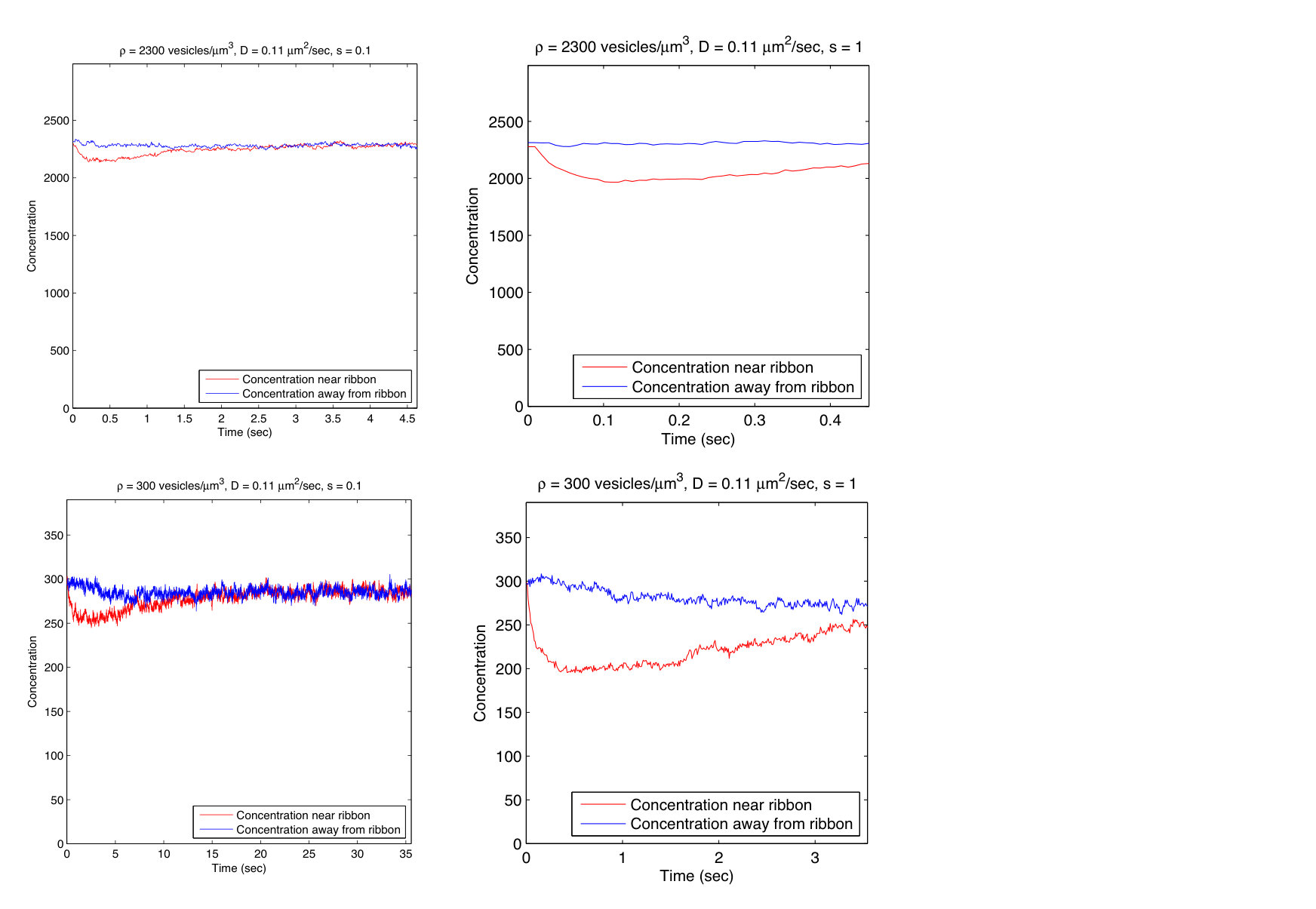 Figure 23
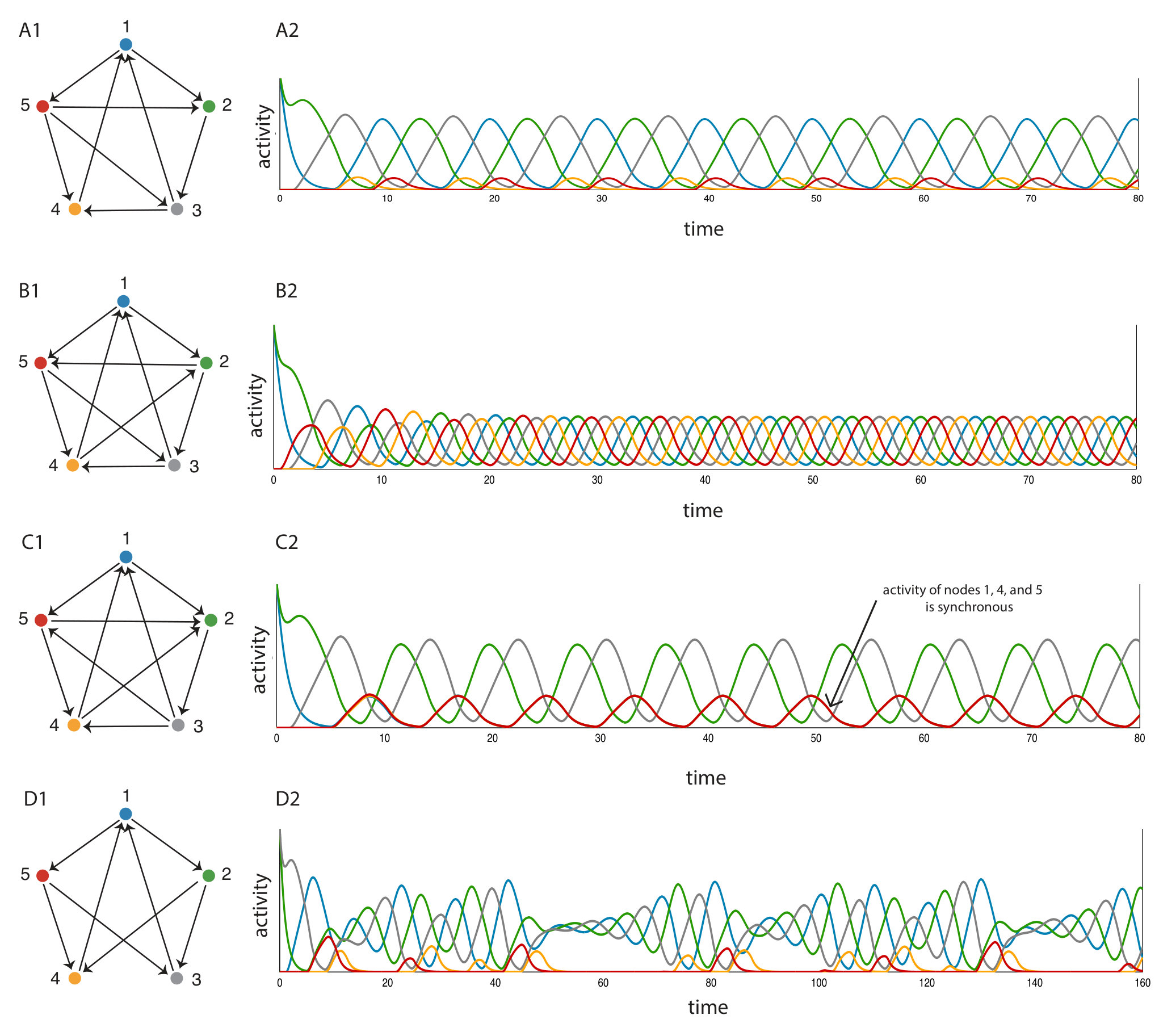 Figure 24
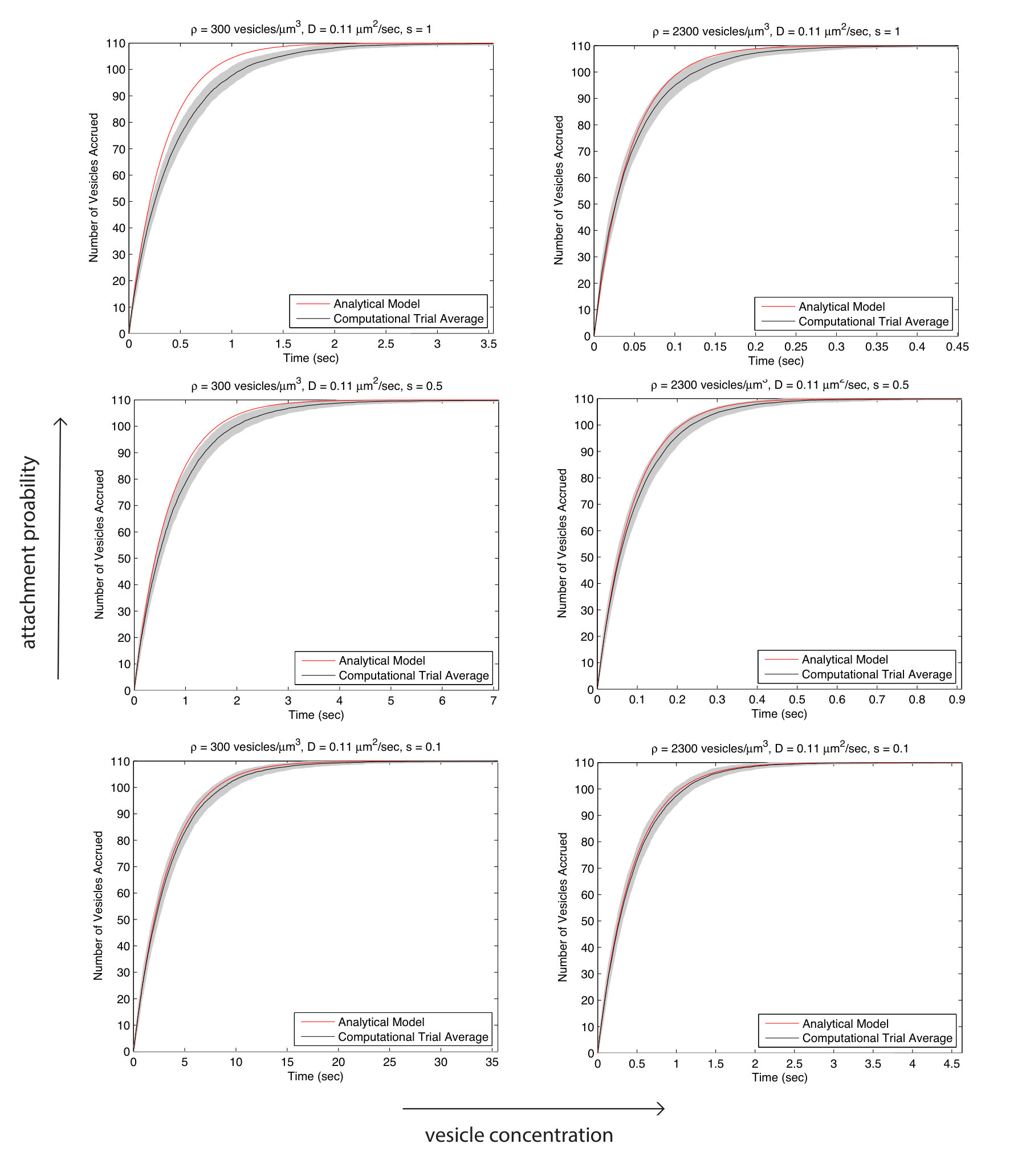 Figure 25
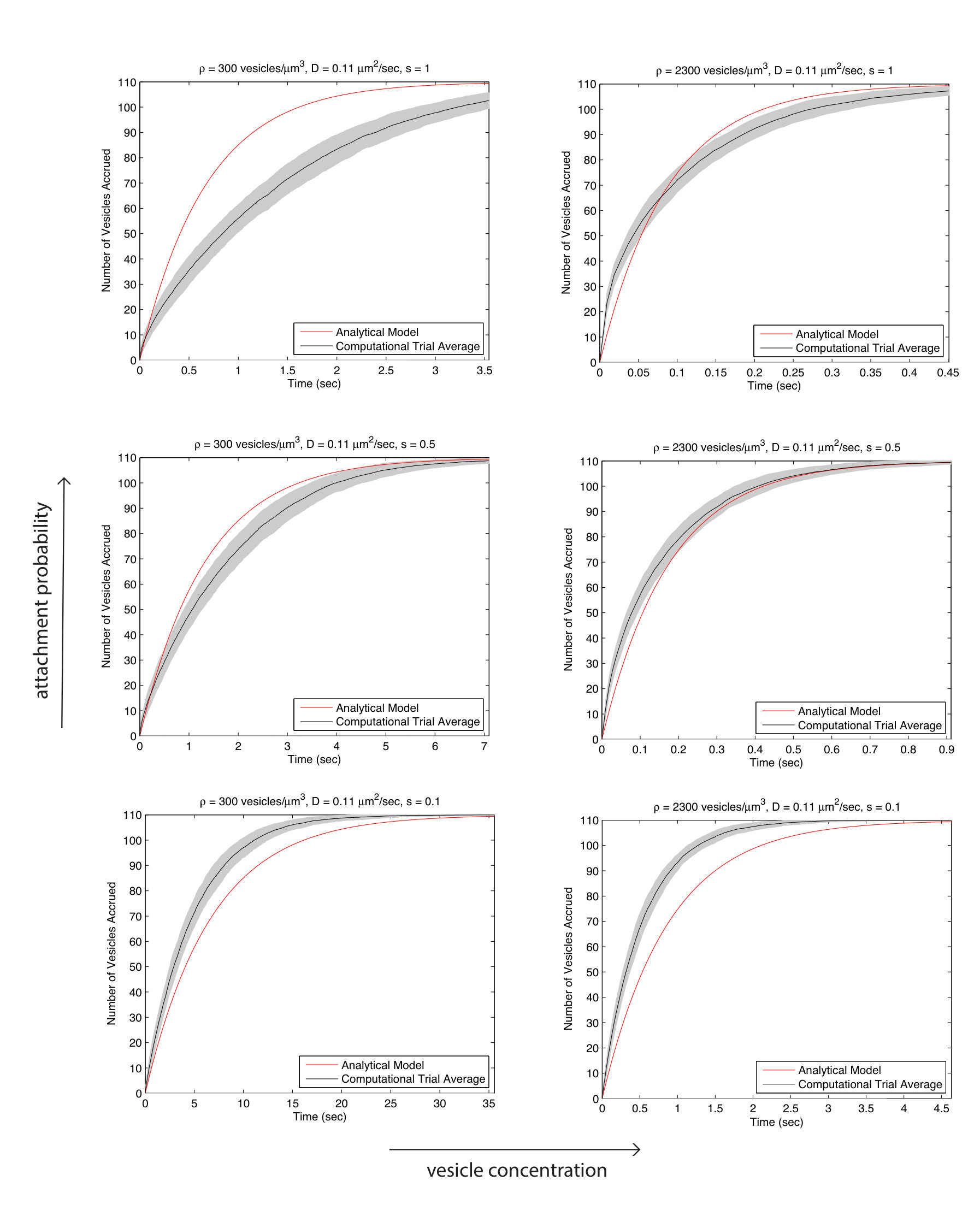 Figure 26
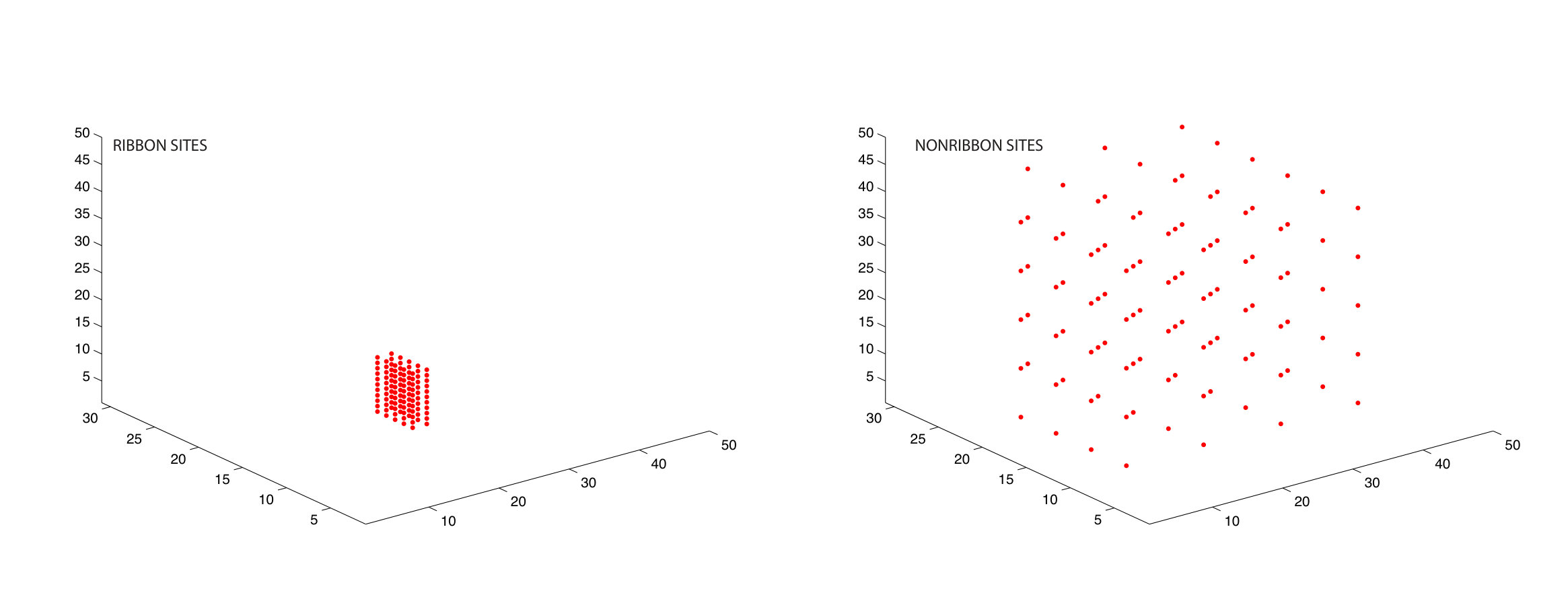 Figure 27
 Figure 28
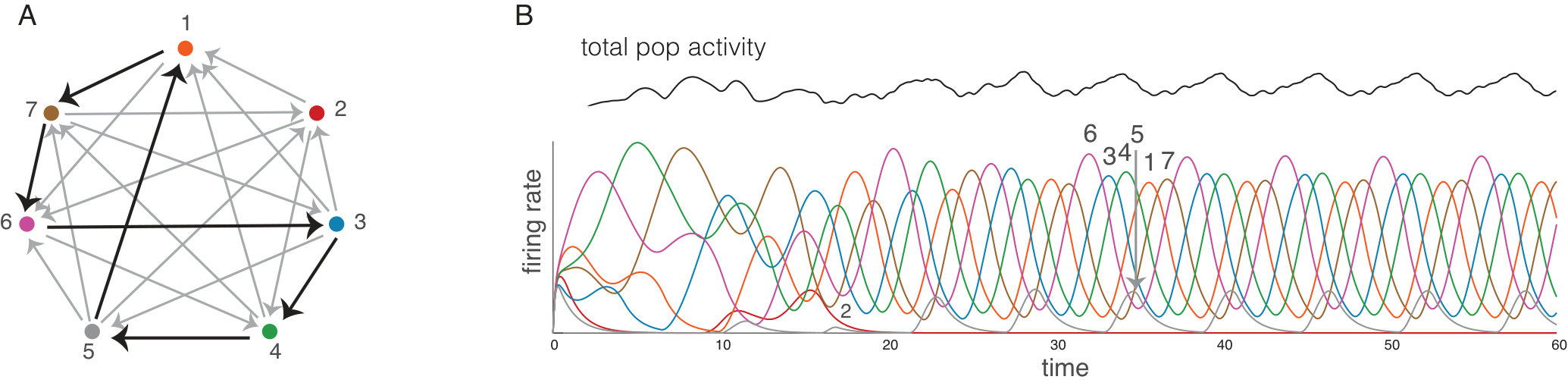 Figure 29
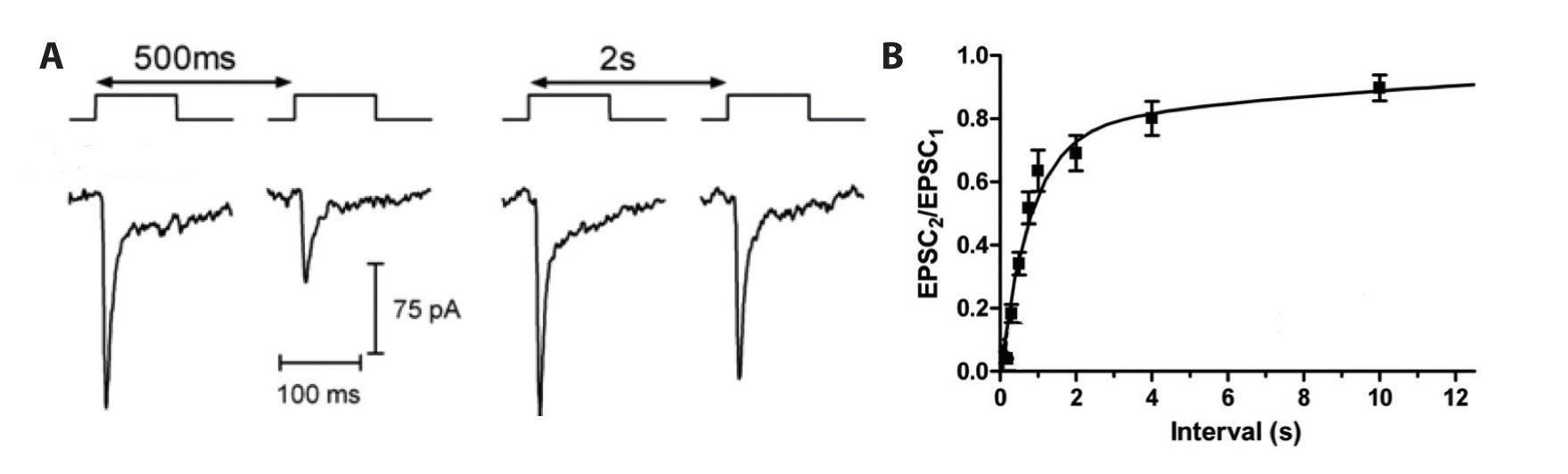 Figure 30
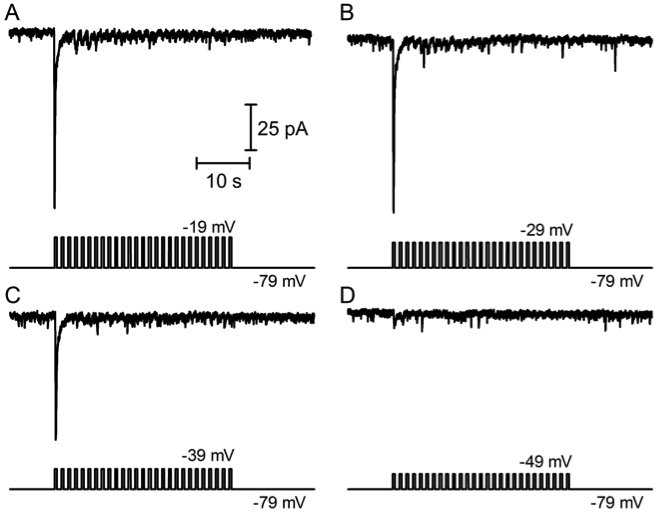 Figure 31
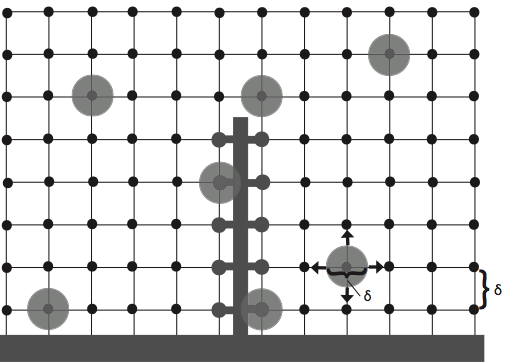 Figure 32
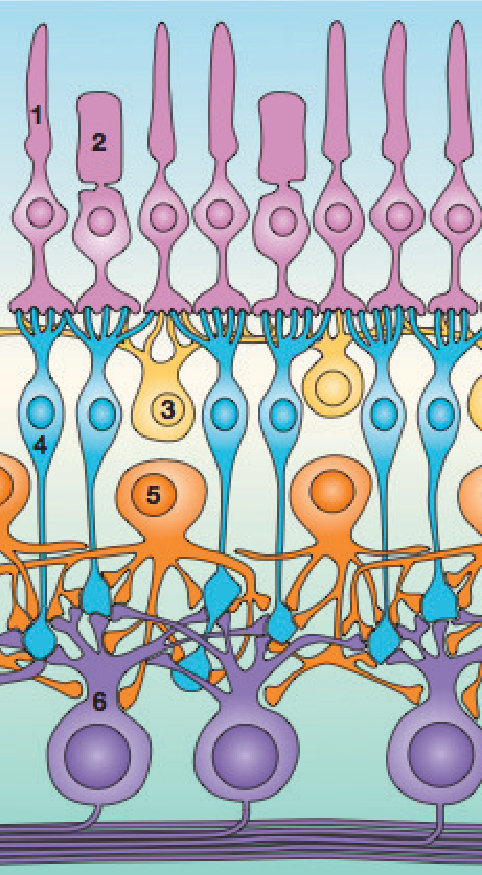 Figure 33
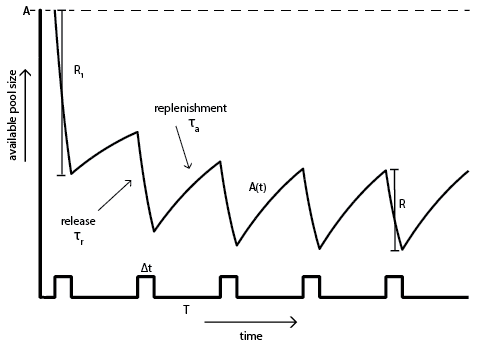 Figure 34
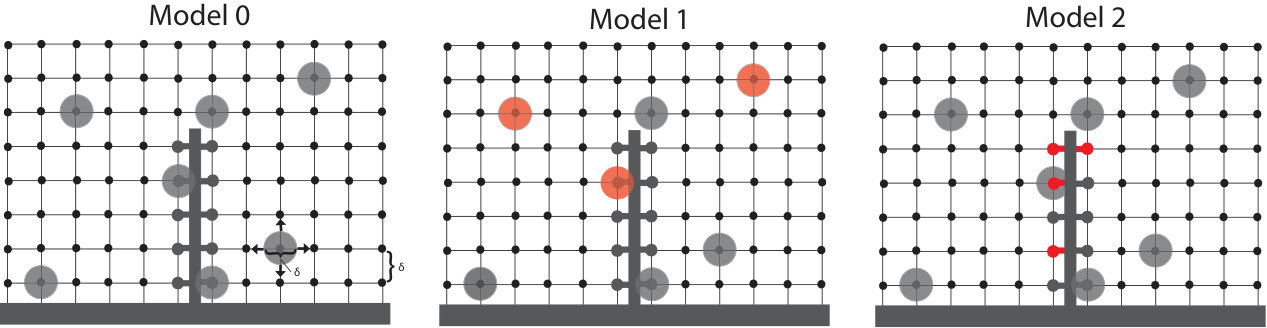 Figure 35
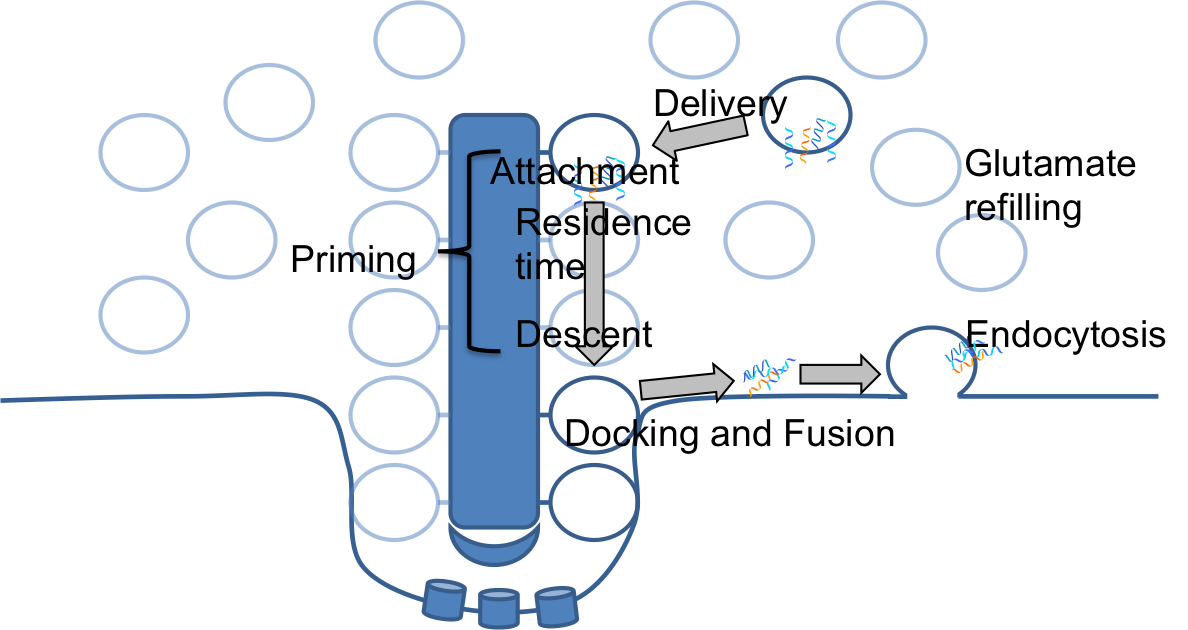 Figure 36
Peer Reviews
No public reviews on file for this paper yet. If you reviewed it on a platform where reviews are public (OpenReview, ICLR, NeurIPS, ICML), you can paste yours below so the community can read it here.
Videos
No videos yet. Explain this paper in a talk, walkthrough, or lecture? Add one.
Taxonomy
TopicsNeural dynamics and brain function · Photoreceptor and optogenetics research · Retinal Development and Disorders
\adviser
Professor Carina Curto \adviserAbstractProfessor Carina Curto \majorMathematics \degreemonthAugust \degreeyear2016
Applications of Discrete Mathematics for Understanding Dynamics of Synapses and Networks in Neuroscience
Caitlyn M. Parmelee
Abstract
Mathematical modeling has broad applications in neuroscience whether we are modeling the dynamics of a single synapse or the dynamics of an entire network of neurons. In Part I, we model vesicle replenishment and release at the photoreceptor synapse to better understand how visual information is processed. In Part II, we explore a simple model of neural networks with the goal of discovering how network structure shapes the behavior of the network.
Vision plays an important role in how we interact with our environments. To fully understand how visual information is processed requires an understanding of the way signals are transformed at the very first synapse: the ribbon synapse of photoreceptor neurons (rods and cones). These synapses possess a ribbon-like structure on which approximately 100 synaptic vesicles can be stored, allowing graded responses through the release of different numbers of vesicles in response to visual input. These responses depend critically on the ability of the ribbon to replenish itself as ribbon sites empty upon release. The rate of vesicle replenishment is thus an important factor in shaping neural coding in the retina. In collaboration with experimental neuroscientists we developed a mathematical model to describe the dynamics of vesicle release and replenishment at the ribbon synapse.
To learn more about how network architecture shapes the dynamics of the network, we study a specific type of threshold-linear network that is constructed from a simple directed graph. These networks are particularly well suited for our study because the network construction guarantees that differences in dynamics arise solely from differences in the connectivity of the underlying graph. By design, the activity of these networks is bounded and there are no stable fixed points. Computational experiments show that most of these networks yield limit cycles where the neurons fire in sequence. Can we predict the order in which the neurons fire? To this end, we devised an algorithm to predict the sequence of firing using the structure of the underlying graph. Using the algorithm we classify all the networks of this type on five or fewer nodes.
{copyrightpage}
{dedication}
To my parents, to whom I owe everything.
And to Matt, to whom I owe this.
Acknowledgements.
I would like to first thank my advisor, Dr. Carina Curto, for her support and encouragement over the last few years. The amazing opportunities she has provided me have been invaluable. Another thank you goes out to the other members of my committee, Dr. Bo Deng, Dr. Vladimir Itskov, Dr. Jamie Radcliffe, and Dr. Wallace Thoreson, for their conversations and support. I would also like to thank our exceptional collaborators, Dr. Wallace Thoreson, Dr. Matthew Van Hook, and Dr. Katherine Morrison for their discussions and insights. I would also like to thank the University of Nebraska–Lincoln Mathematics Department for providing the resources to pursue my research and develop my teaching. There are so many people I am grateful to have met along my journey and owe my deepest thanks: my labmates, for helping me navigate the world of mathematical neuroscience, my fellow “first-years,” for being an incredible support system and filling my life with fun facts, and my officemates, for creating a safe space and making me smile even on the most difficult days. A special thanks goes to my undergraduate advisor, Dr. Matt Koetz, and the other math faculty at Nazareth College for setting me on this journey and continuing to believe in me every step of the way. I could not have done this without my partner in crime, Nate Clayburn. He has been a source of strength and love for the last five years. I am strong if you are strong. Lastly, my eternal thanks to my family, especially my parents and sister, whose love fills my life and to whom I owe so much.
{grantinfo}
This work was supported in part by the National Science Foundation grants DMS-1516881, DMS-1225666/DMS-1537228 and P200A120068. This work was also supported in part by a sub-award from the NIH grant R01-EY010542-19.