TL;DR
This paper introduces a unified class of parallelizable primal-dual algorithms for structured sparsity problems, achieving optimal convergence rates and demonstrating scalability to over a million variables in distributed settings.
Contribution
It unifies existing primal-dual algorithms using monotone operator theory, proposes a continuum of accelerated algorithms, and proves their optimal convergence rates.
Findings
Algorithms are scalable to 1.2 million variables.
The entire continuum of algorithms achieves optimal convergence rates.
The proposed methods are suitable for parallel and distributed computing.
Abstract
Many statistical learning problems can be posed as minimization of a sum of two convex functions, one typically a composition of non-smooth and linear functions. Examples include regression under structured sparsity assumptions. Popular algorithms for solving such problems, e.g., ADMM, often involve non-trivial optimization subproblems or smoothing approximation. We consider two classes of primal-dual algorithms that do not incur these difficulties, and unify them from a perspective of monotone operator theory. From this unification we propose a continuum of preconditioned forward-backward operator splitting algorithms amenable to parallel and distributed computing. For the entire region of convergence of the whole continuum of algorithms, we establish its rates of convergence. For some known instances of this continuum, our analysis closes the gap in theory. We further exploit the…
Click any figure to enlarge with its caption.
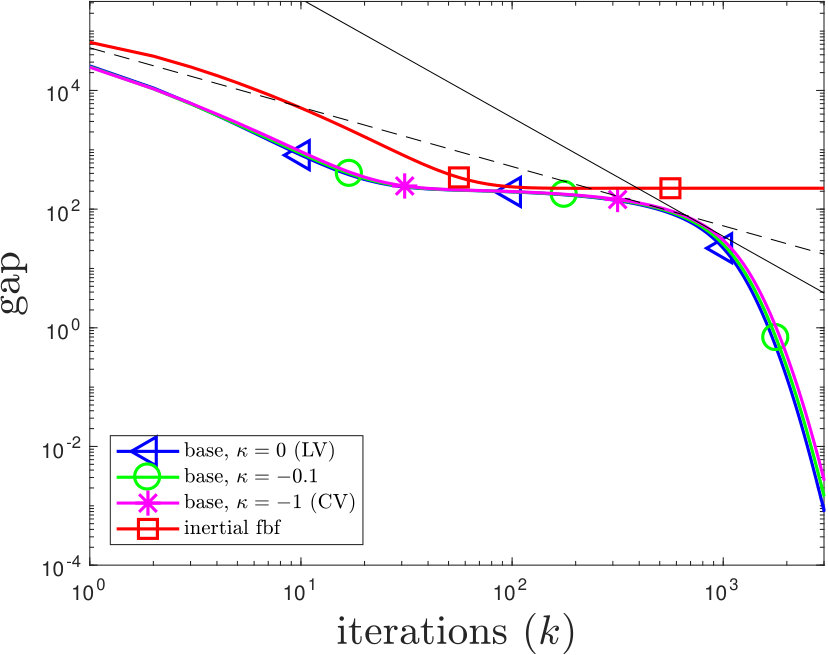 Figure 1
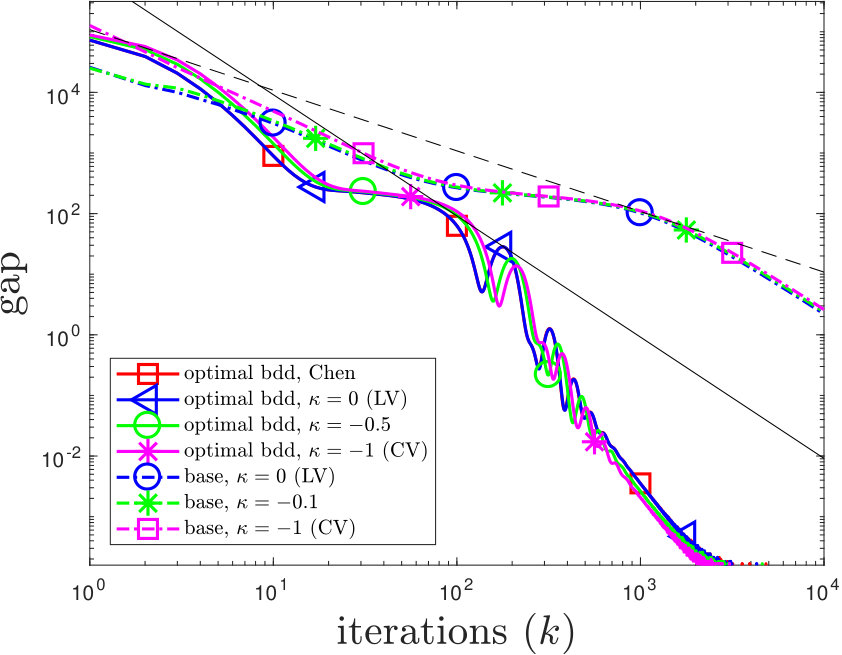 Figure 2
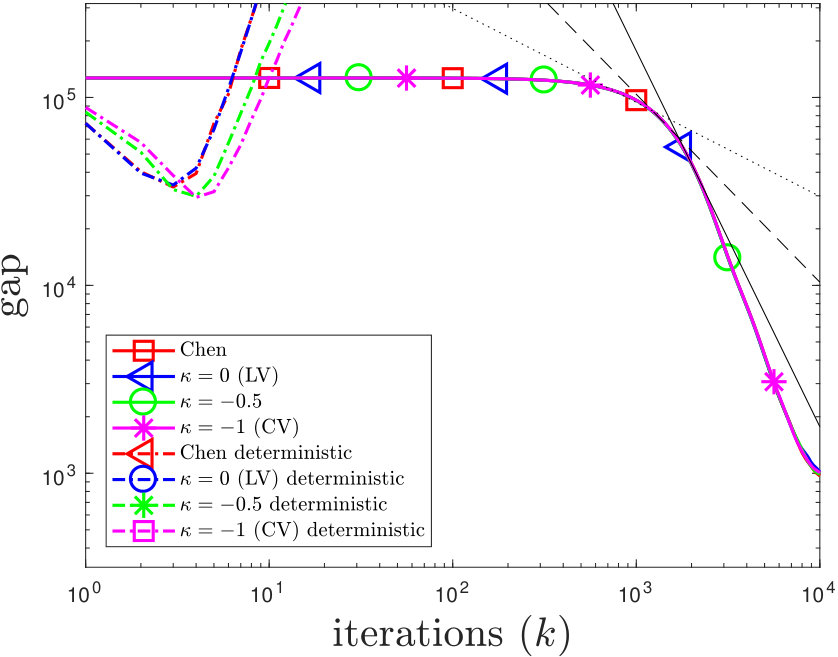 Figure 3
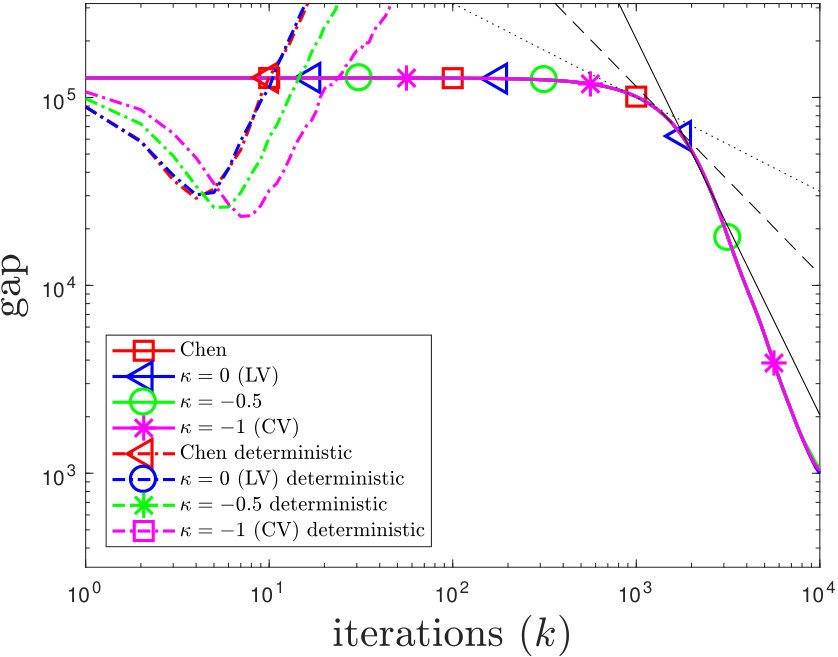 Figure 4
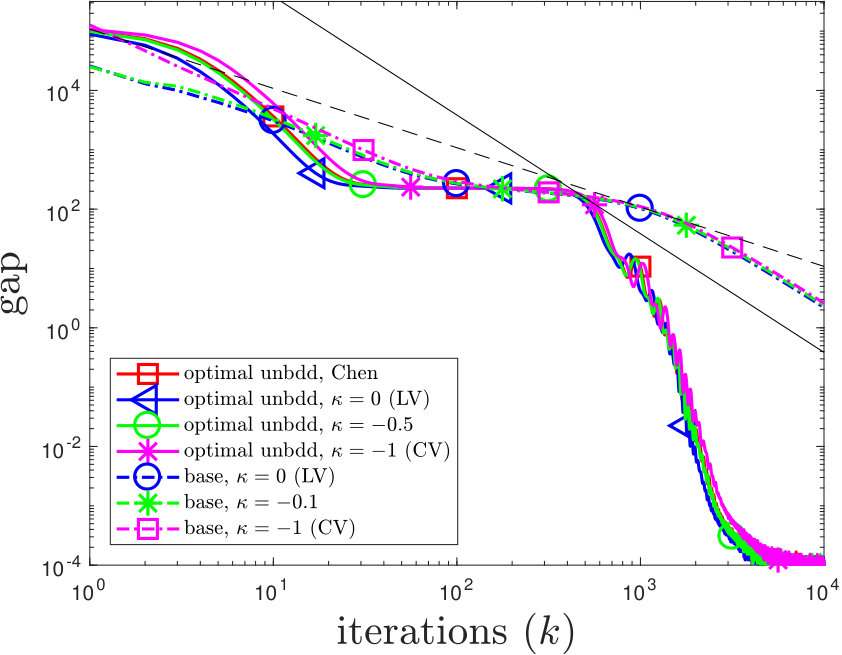 Figure 5
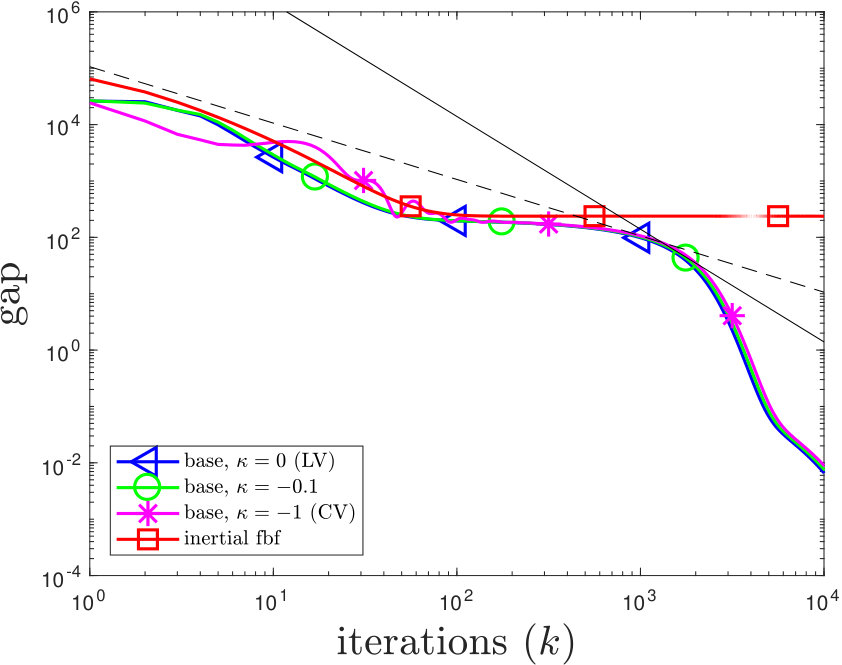 Figure 6
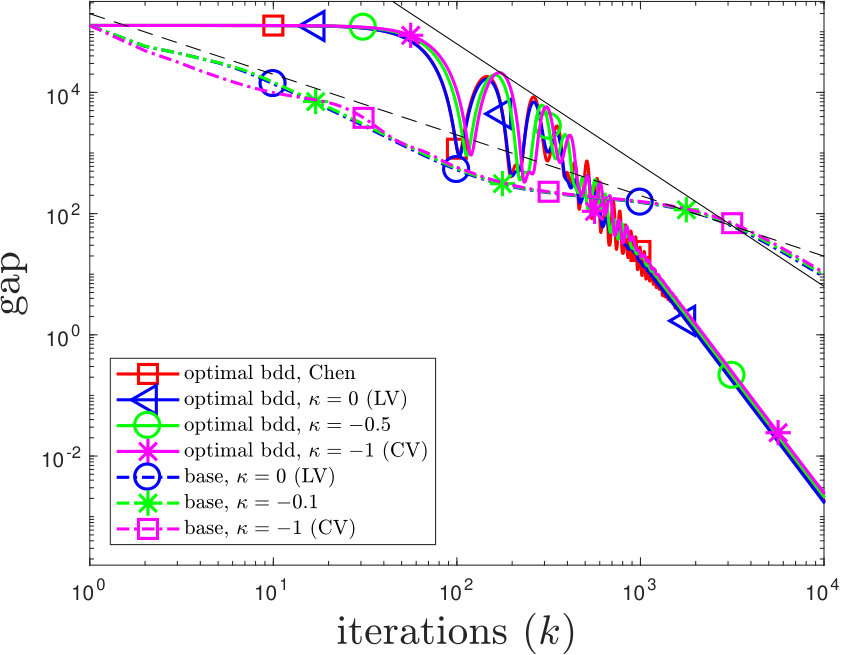 Figure 7
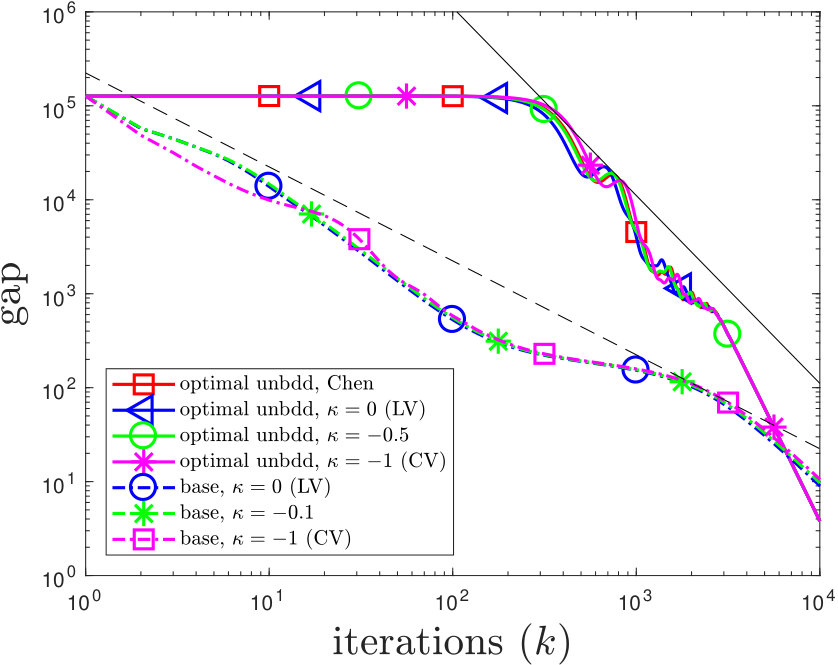 Figure 8
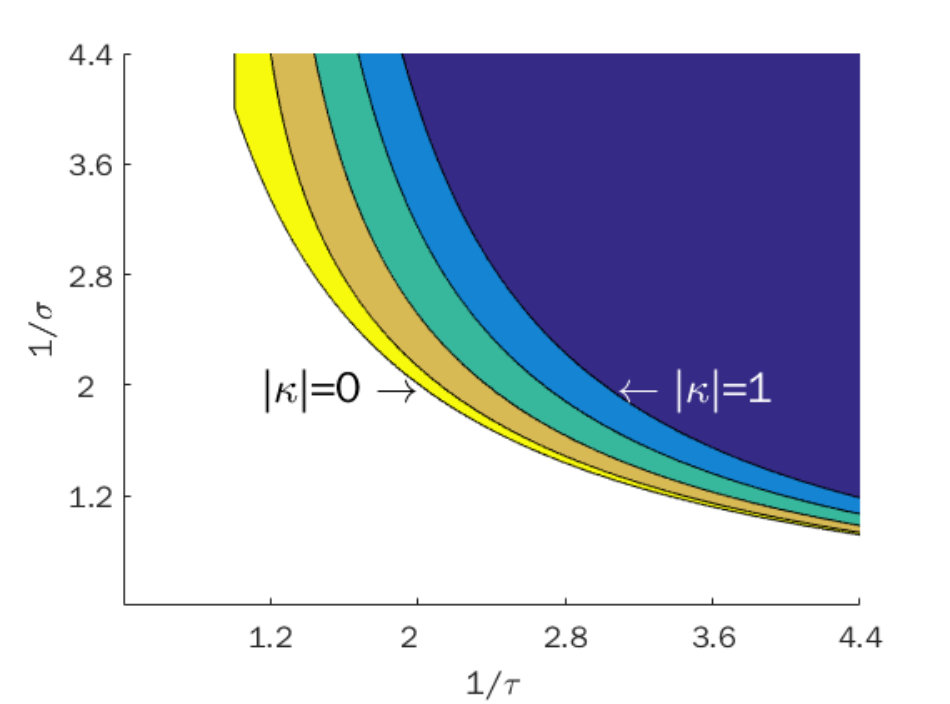 Figure 9
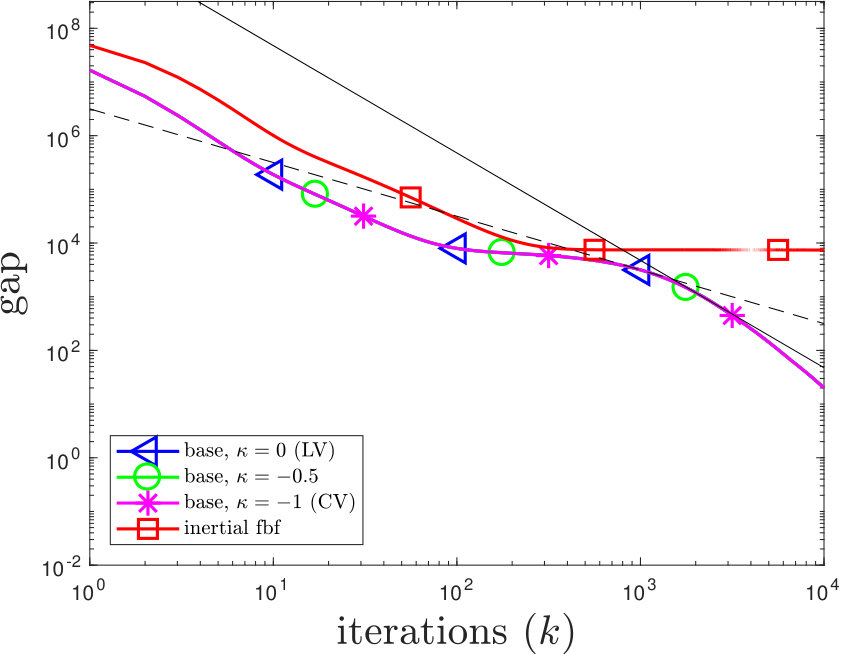 Figure 10
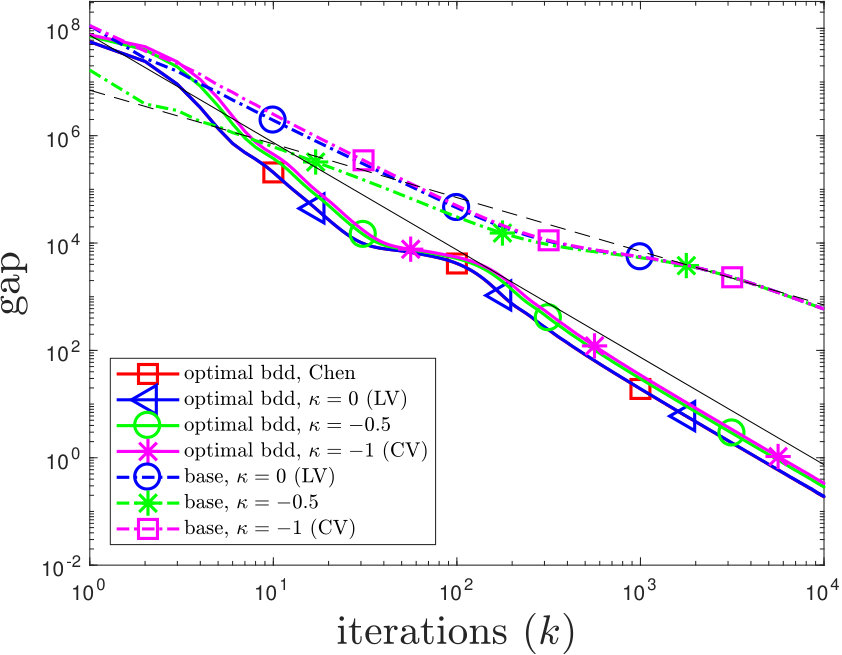 Figure 11
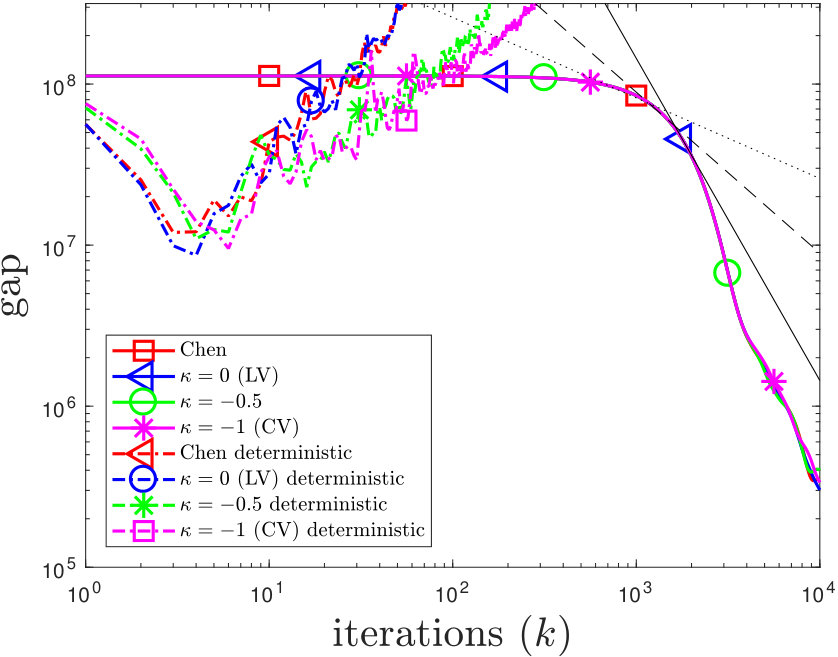 Figure 12
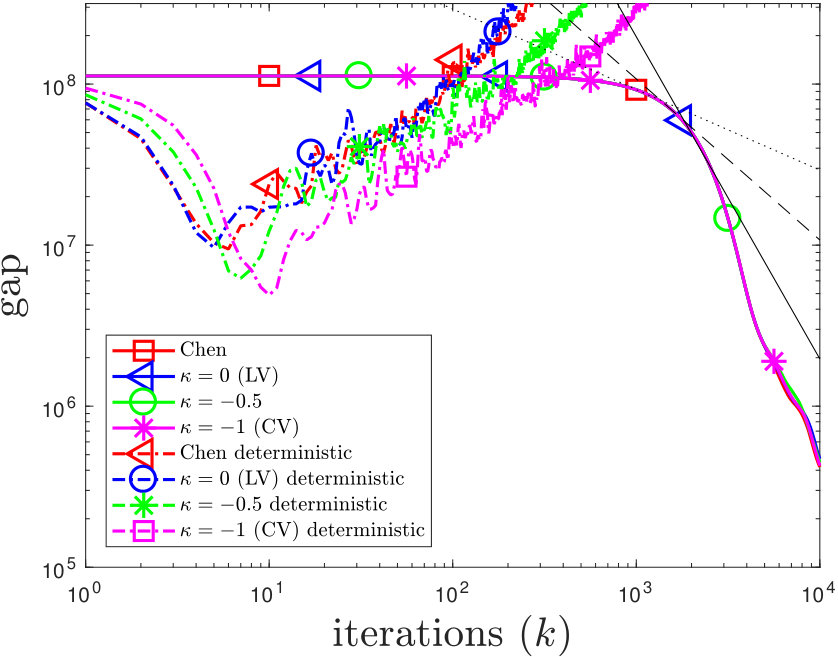 Figure 13
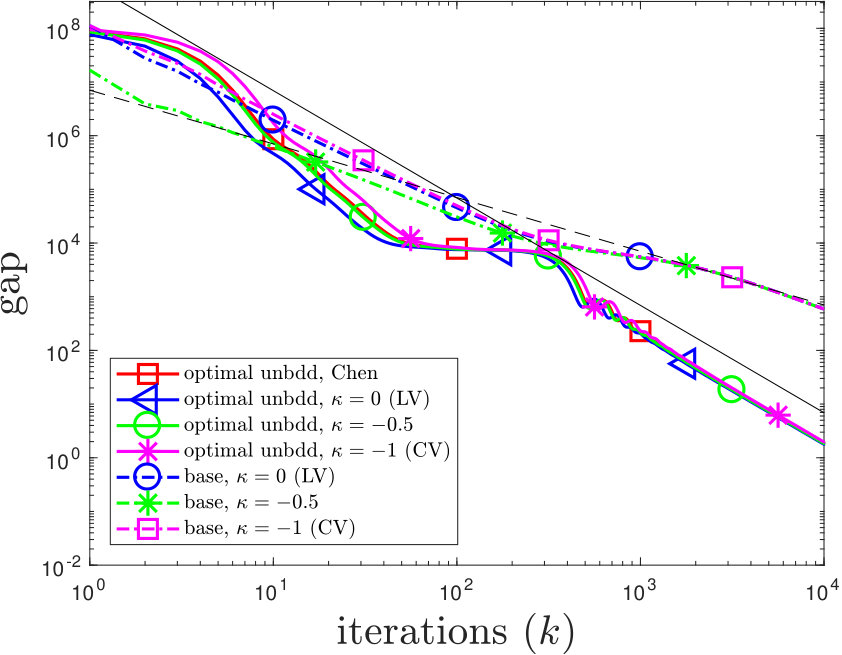 Figure 14
Peer Reviews
No public reviews on file for this paper yet. If you reviewed it on a platform where reviews are public (OpenReview, ICLR, NeurIPS, ICML), you can paste yours below so the community can read it here.
Code & Models
Videos
No videos yet. Explain this paper in a talk, walkthrough, or lecture? Add one.
Taxonomy
MethodsAlternating Direction Method of Multipliers
