Understanding the Cancelation of Double Poles in the Pfaffian of CHY-formulism
Rijun Huang, Yi-Jian Du, Bo Feng

TL;DR
This paper demonstrates that higher-order poles in the Pfaffian within CHY formulations cancel out, ensuring only single poles remain in physical amplitudes for Yang-Mills and gravity theories, through a diagrammatic and algebraic approach.
Contribution
It introduces a diagrammatic expansion and cross-ratio identities to prove the cancellation of higher-order poles in the Pfaffian of CHY formulas.
Findings
Higher-order poles cancel out in Yang-Mills and gravity CHY amplitudes.
A diagrammatic rule for expanding the reduced Pfaffian is developed.
Cancellation of higher-order poles is shown in other field theories with suitable truncations.
Abstract
For a physical field theory, the tree-level amplitudes should possess only single poles. However, when computing amplitudes with Cachazo-He-Yuan (CHY) formulation, individual terms in the intermediate steps will contribute higher-order poles. In this paper, we investigate the cancelation of higher-order poles in CHY formula with Pfaffian as the building block. We develop a diagrammatic rule for expanding the reduced Pfaffian. Then by organizing diagrams in appropriate groups and applying the cross-ratio identities, we show that all potential contributions to higher-order poles in the reduced Pfaffian are canceled out, i.e., only single poles survive in Yang-Mills theory and gravity. Furthermore, we show the cancelations of higher-order poles in other field theories by introducing appropriate truncations, based on the single pole structure of Pfaffian.
Click any figure to enlarge with its caption.
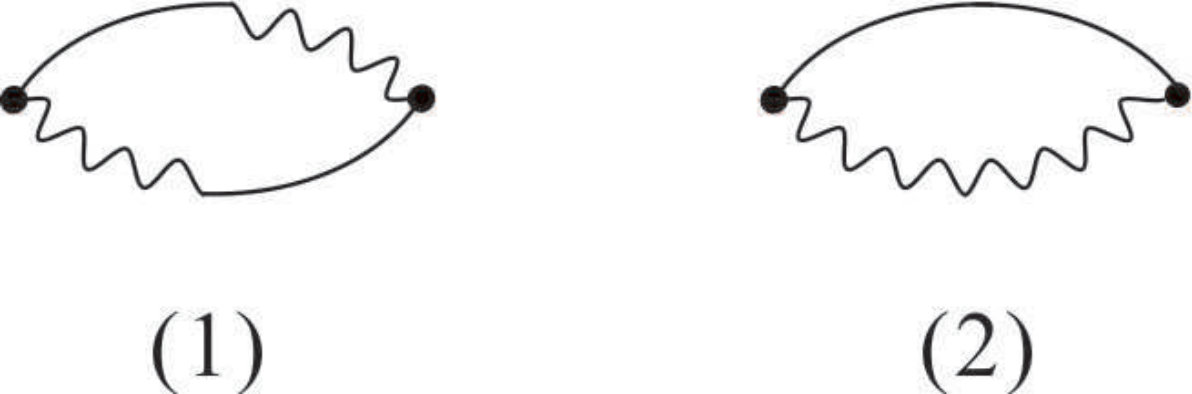 Figure 1
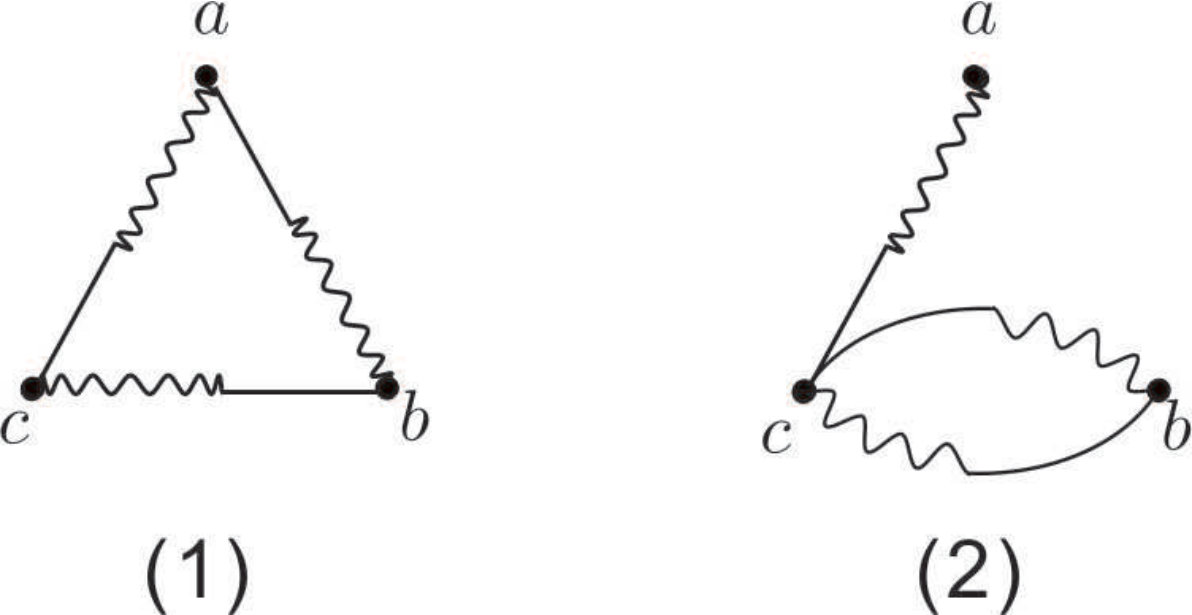 Figure 2
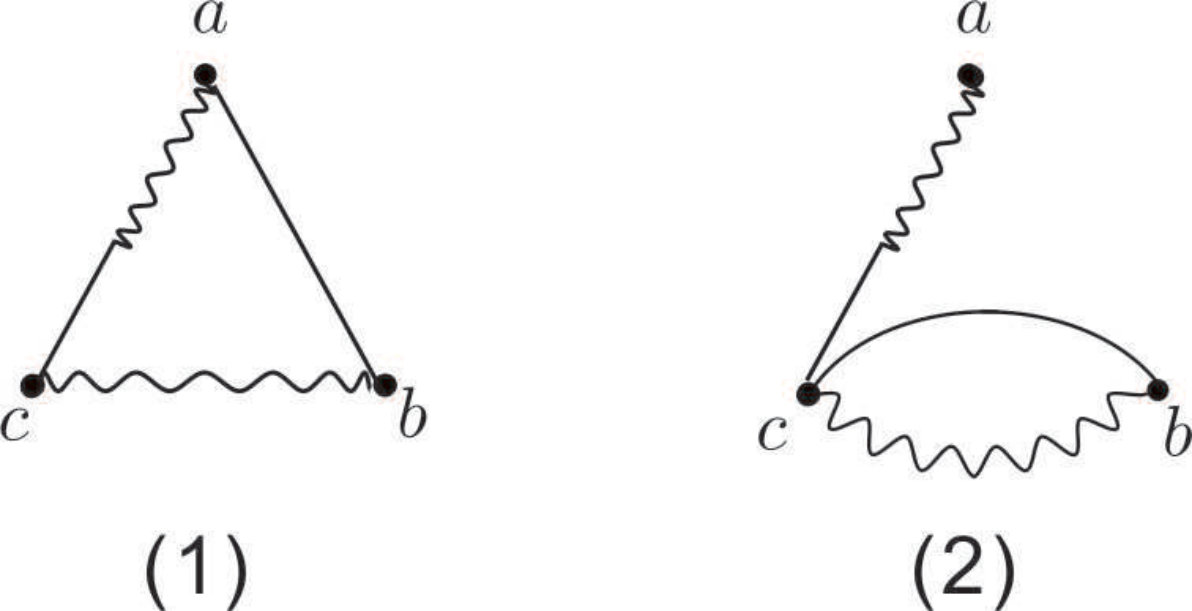 Figure 3
 Figure 4
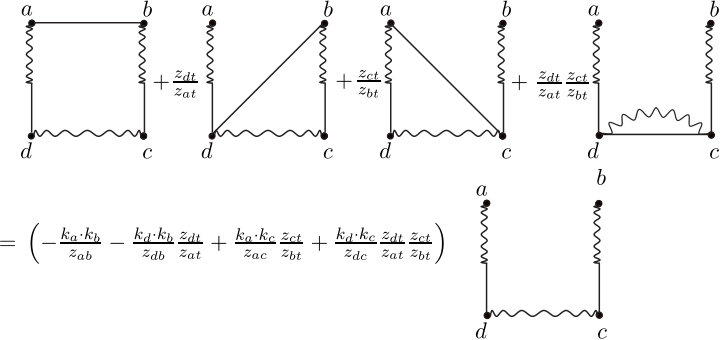 Figure 5
 Figure 6
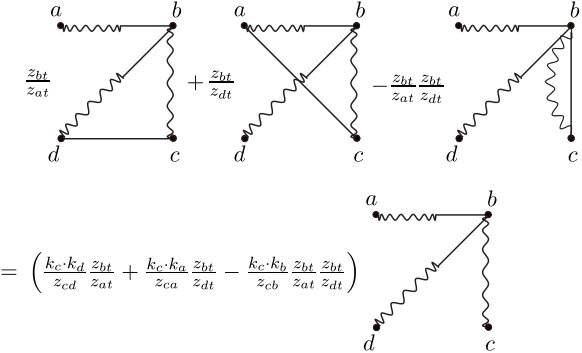 Figure 7
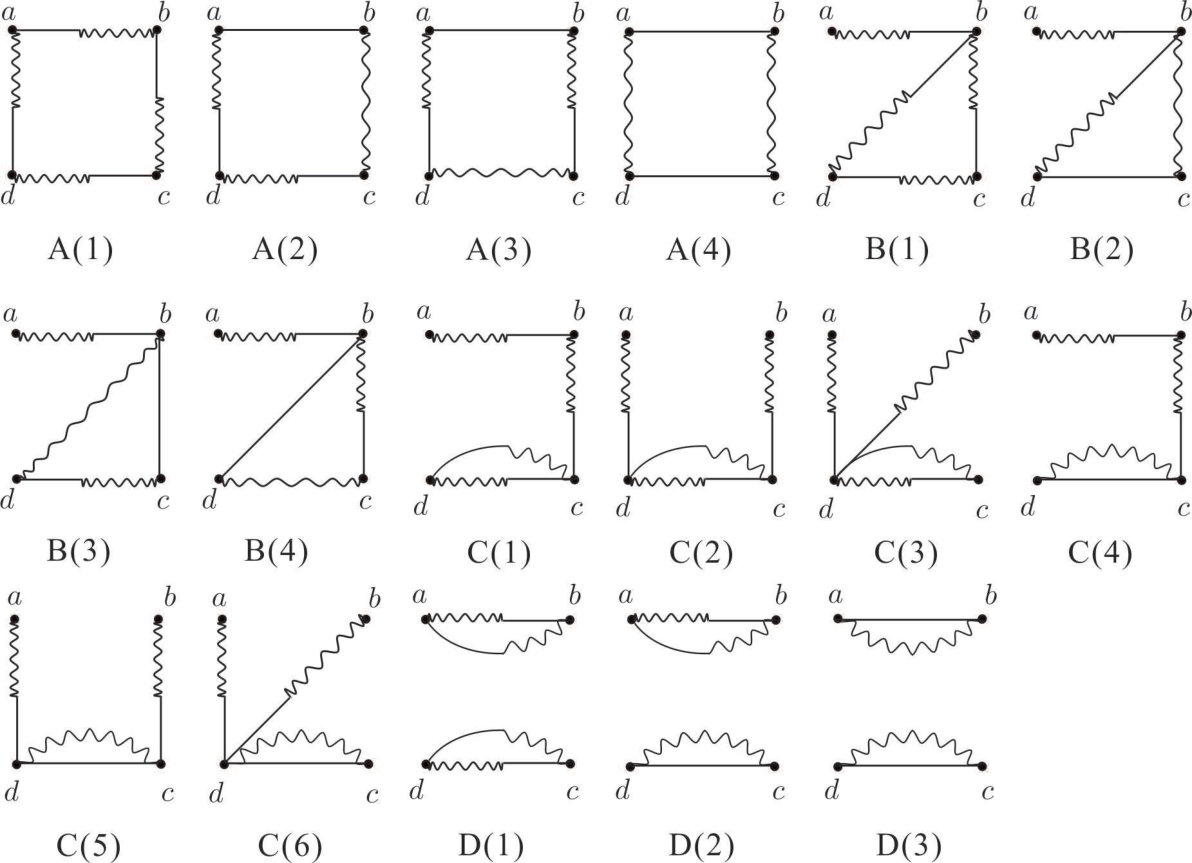 Figure 8
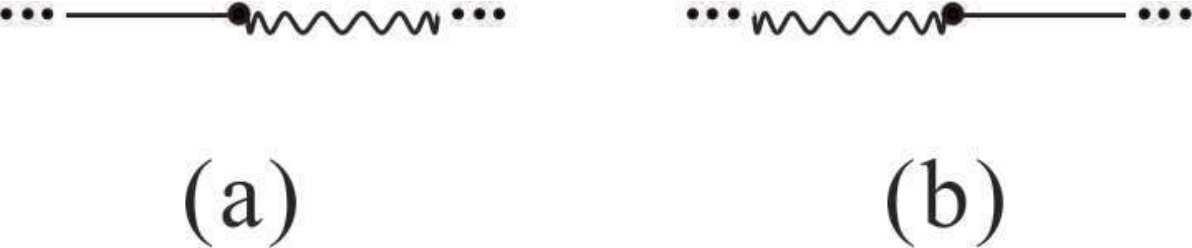 Figure 9
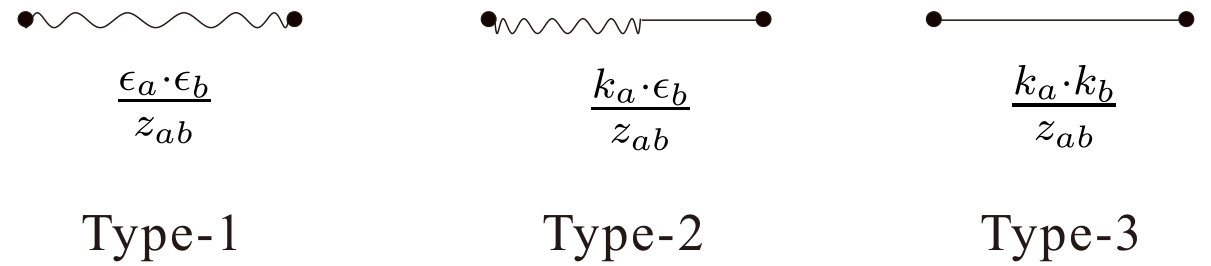 Figure 10
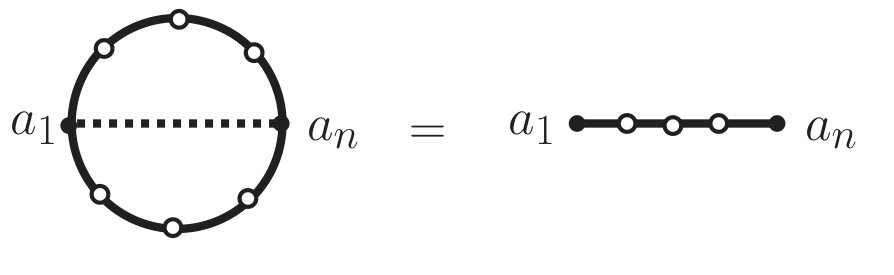 Figure 11
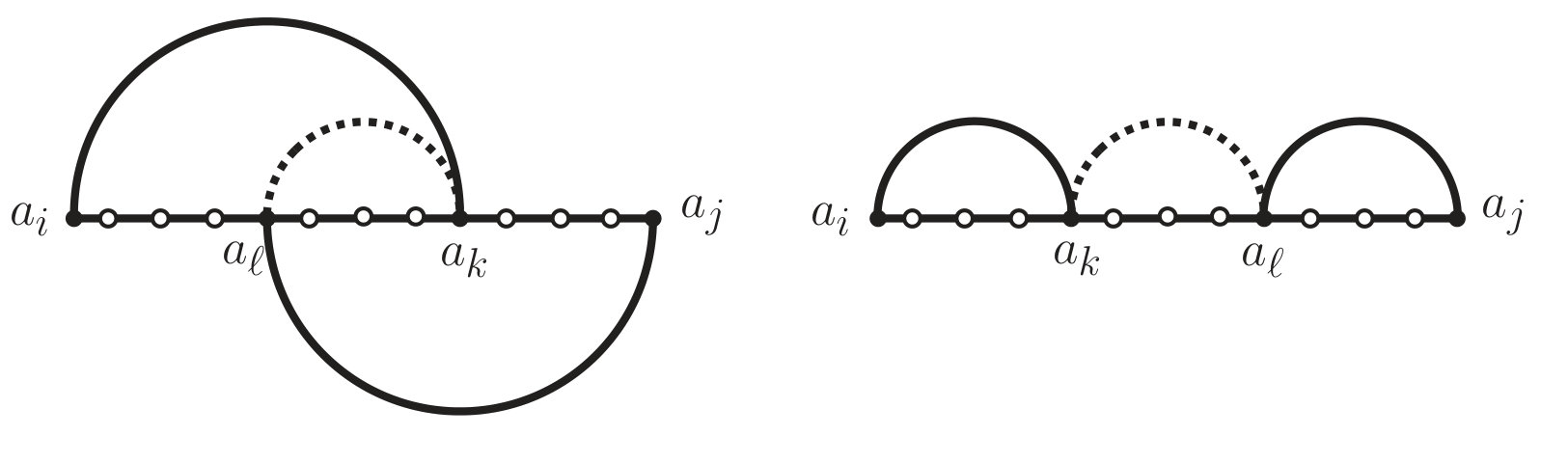 Figure 12
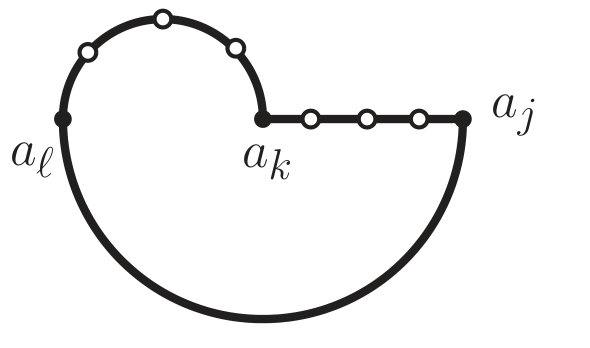 Figure 13
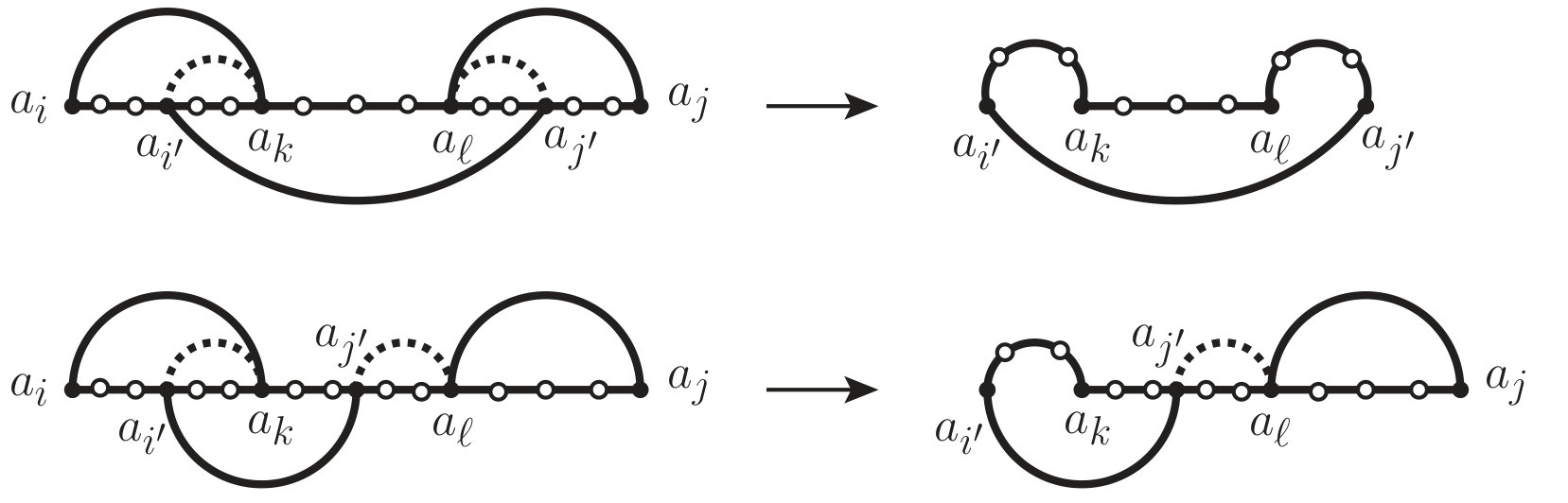 Figure 14
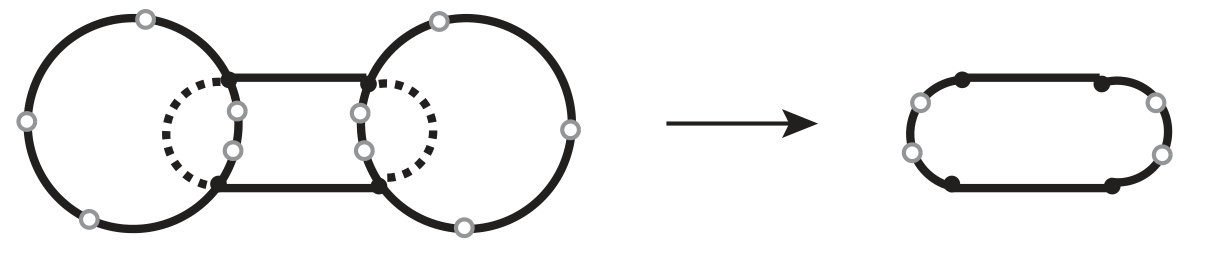 Figure 15
Peer Reviews
No public reviews on file for this paper yet. If you reviewed it on a platform where reviews are public (OpenReview, ICLR, NeurIPS, ICML), you can paste yours below so the community can read it here.
Videos
No videos yet. Explain this paper in a talk, walkthrough, or lecture? Add one.