Environmentally mediated coherent control of a spin qubit in diamond
Scott E. Lillie, David A. Broadway, James D. A. Wood, David A., Simpson, Alastair Stacey, Jean-Philippe Tetienne, Lloyd C. L. Hollenberg

TL;DR
This paper introduces environmentally mediated resonance (EMR), a novel method for controlling a diamond NV center spin qubit via nearby environmental spins, enabling nanoscale environment probing and coherent control.
Contribution
The paper presents the first experimental demonstration of EMR, a new technique for qubit control through environment spins, expanding quantum control methods.
Findings
Successful demonstration of EMR-driven Rabi oscillations
Observation of free induction decay and spin-echo signals
Nanoscale ESR spectra acquisition of single NV centers
Abstract
The coherent control of spin qubits forms the basis of many applications in quantum information processing and nanoscale sensing, imaging and spectroscopy. Such control is conventionally achieved by direct driving of the qubit transition with a resonant global field, typically at microwave frequencies. Here we introduce an approach that relies on the resonant driving of nearby environment spins, whose localised magnetic field in turn drives the qubit when the environmental spin Rabi frequency matches the qubit resonance. This concept of environmentally mediated resonance (EMR) is explored experimentally using a qubit based on a single nitrogen-vacancy (NV) centre in diamond, with nearby electronic spins serving as the environmental mediators. We demonstrate EMR driven coherent control of the NV spin-state, including the observation of Rabi oscillations, free induction decay, and…
Click any figure to enlarge with its caption.
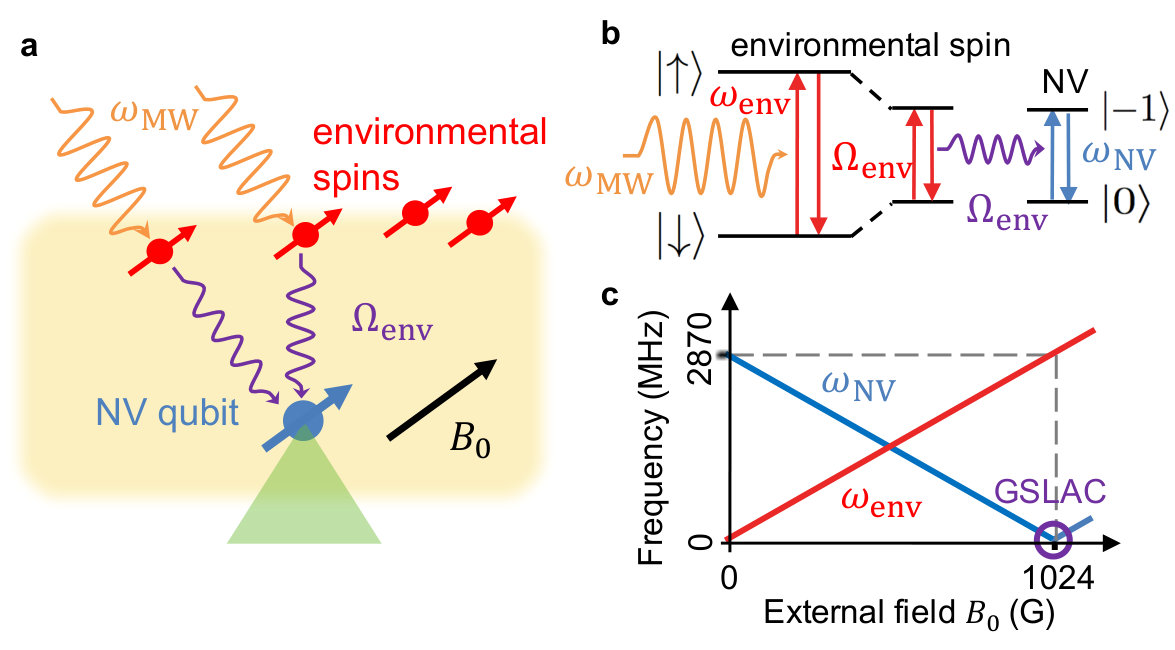 Figure 1
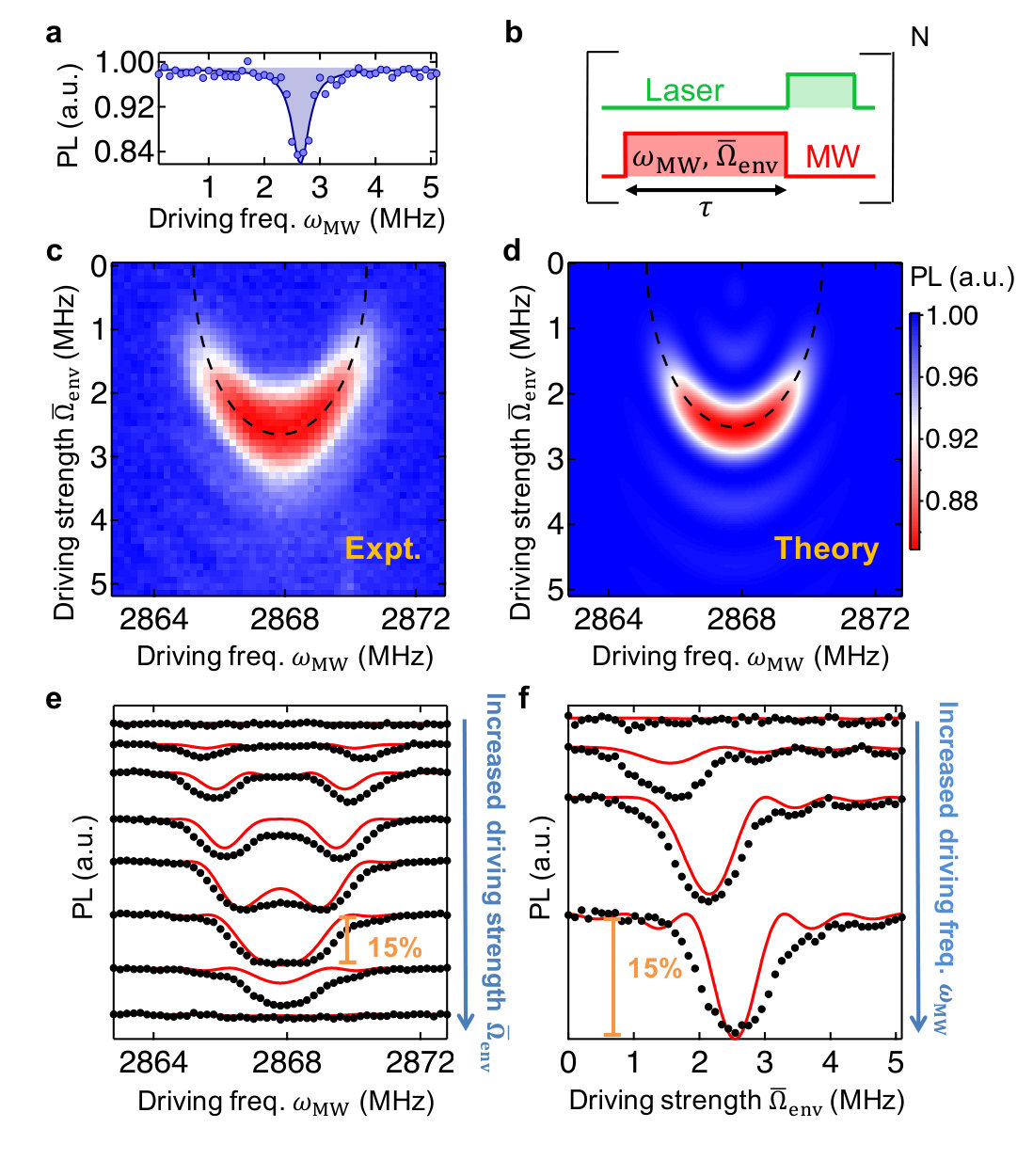 Figure 2
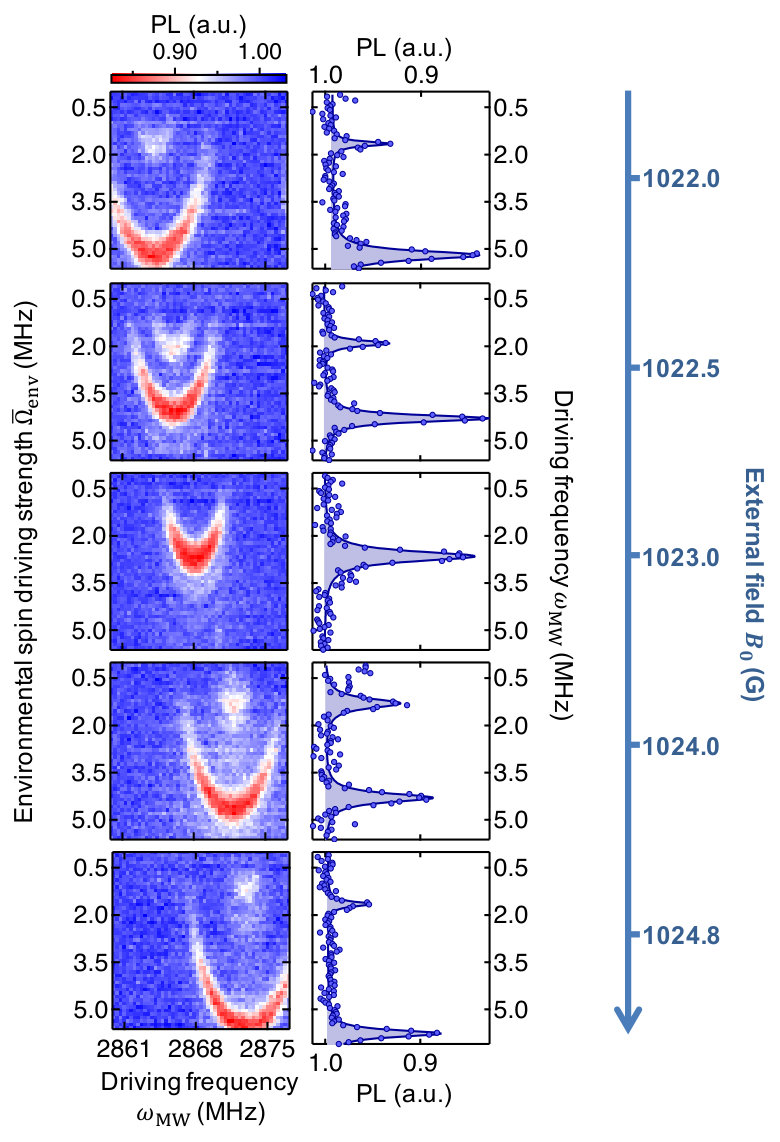 Figure 3
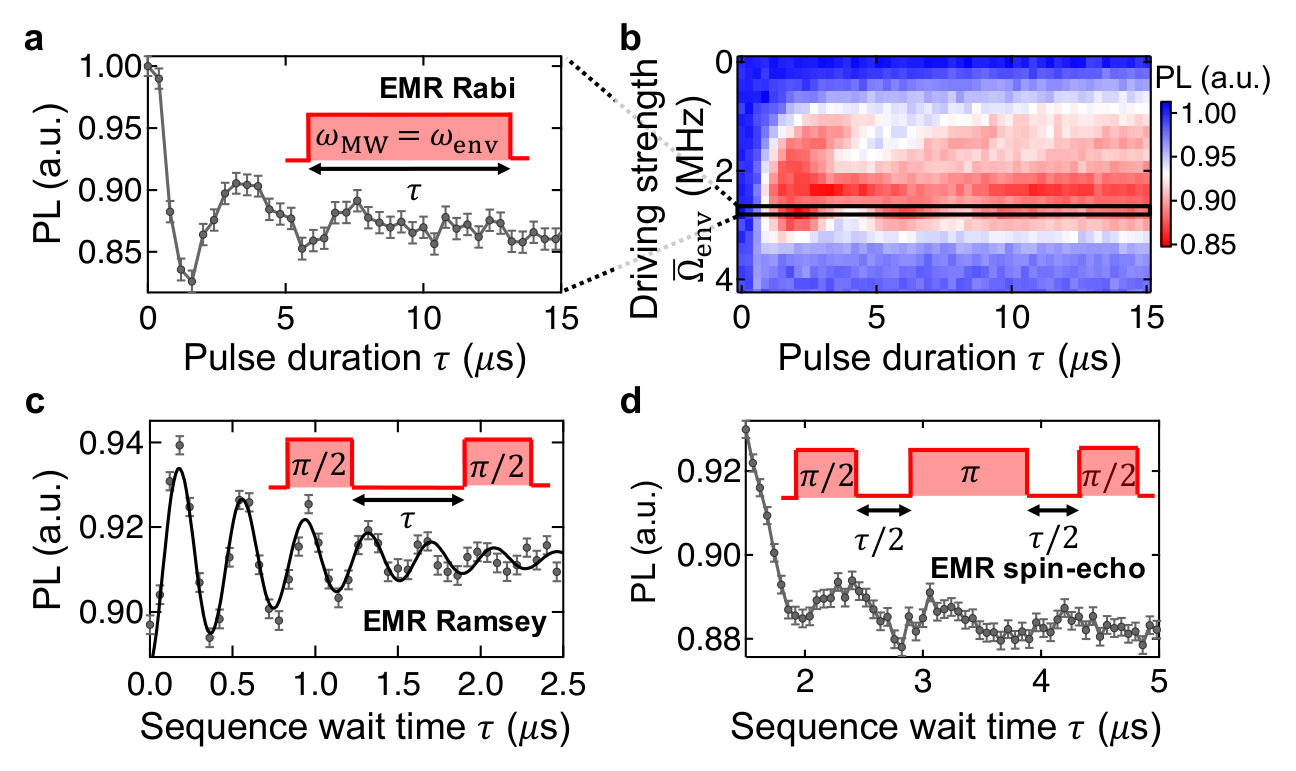 Figure 4
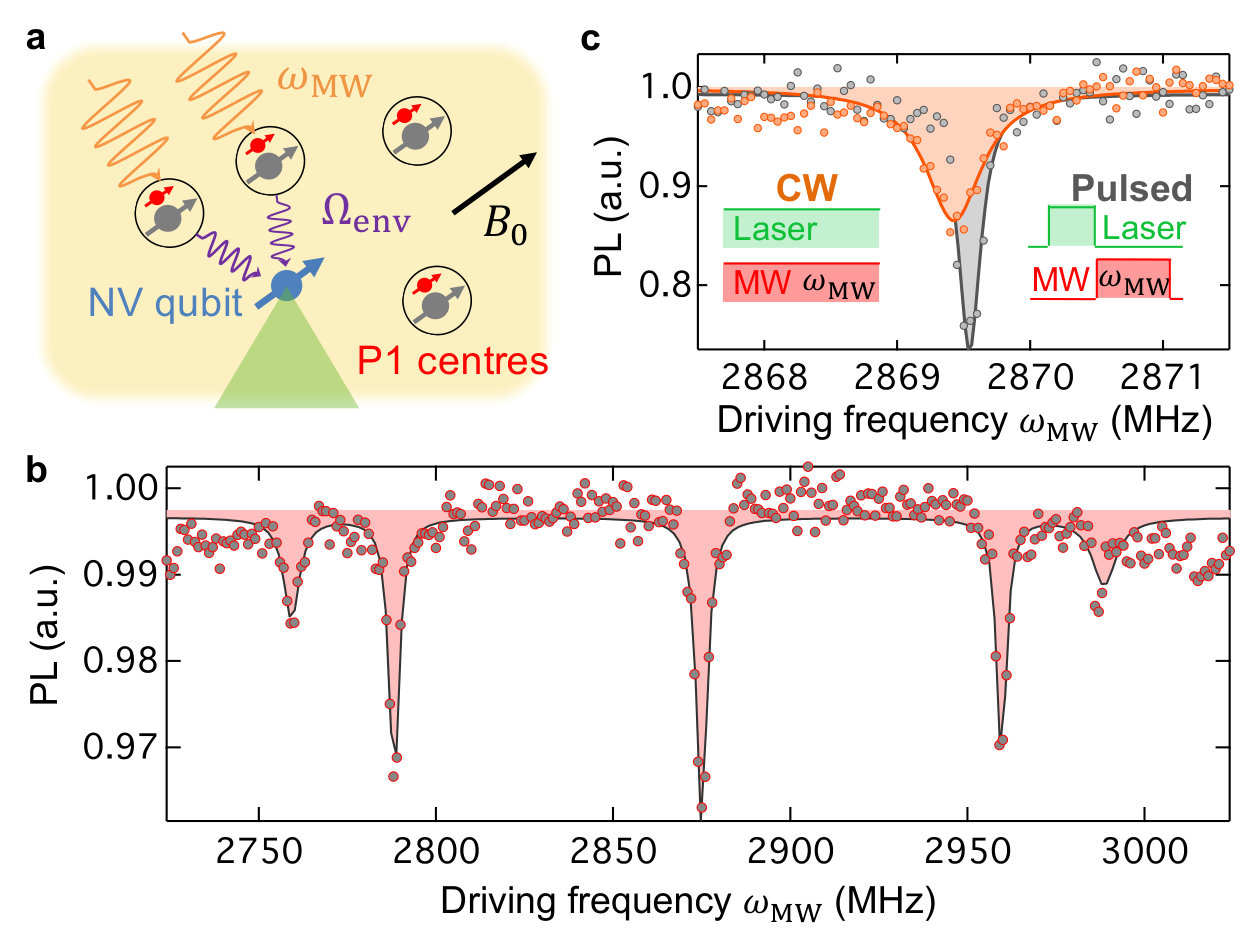 Figure 5
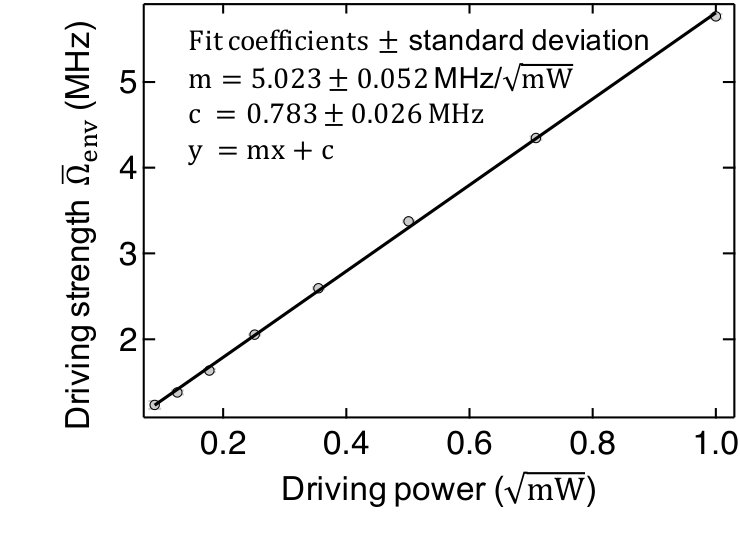 Figure 6
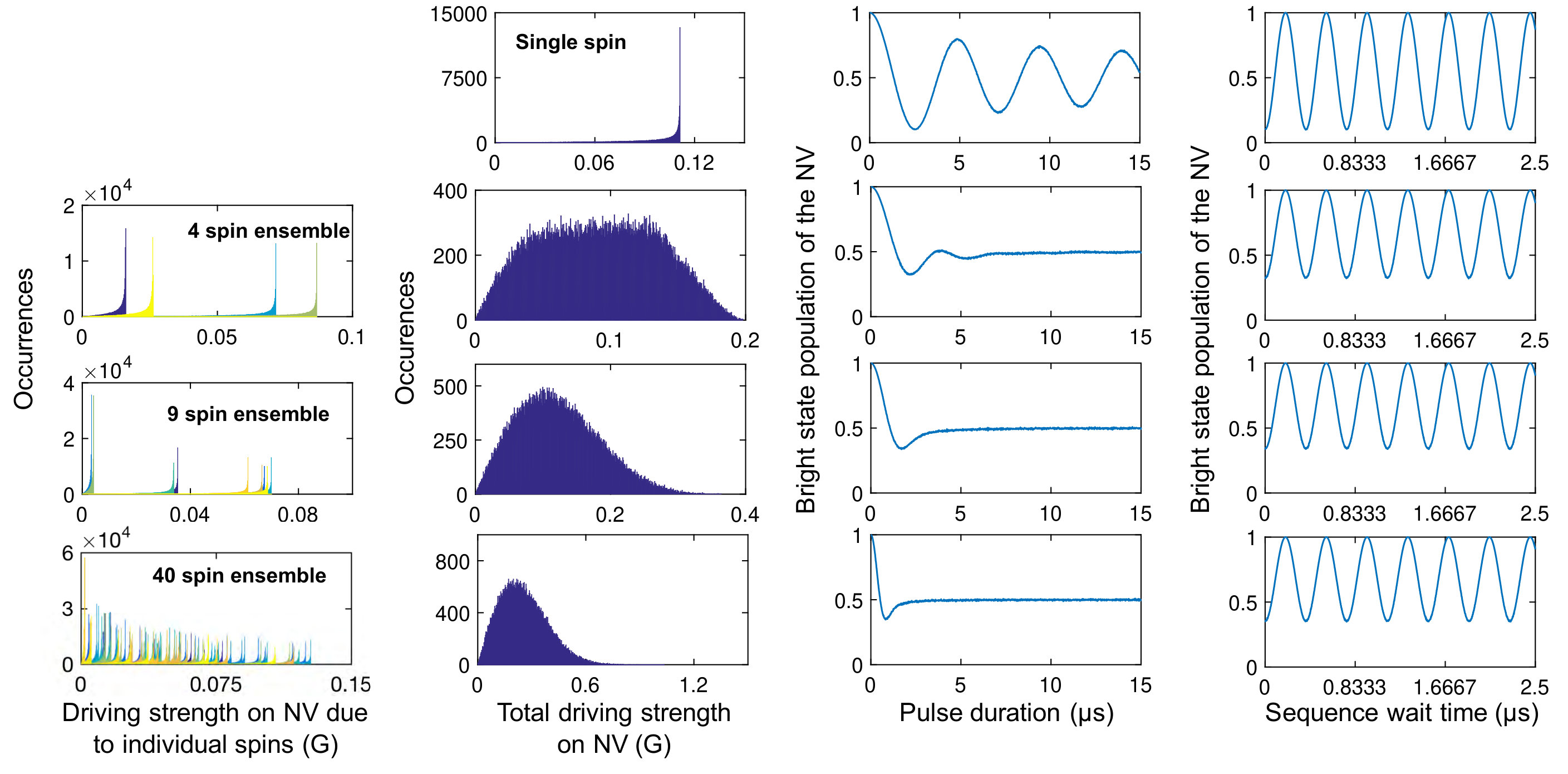 Figure 7
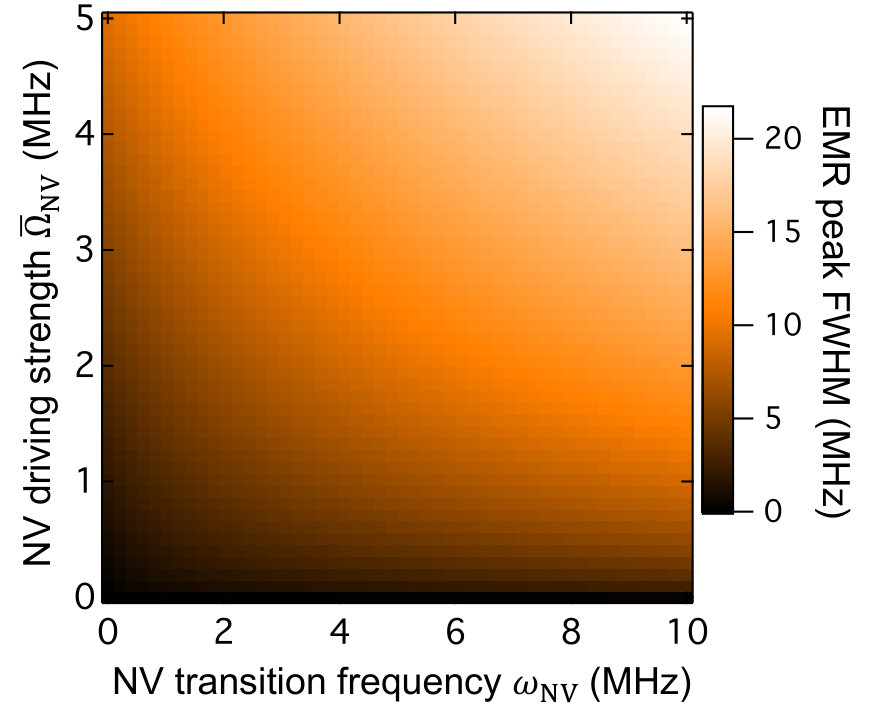 Figure 8
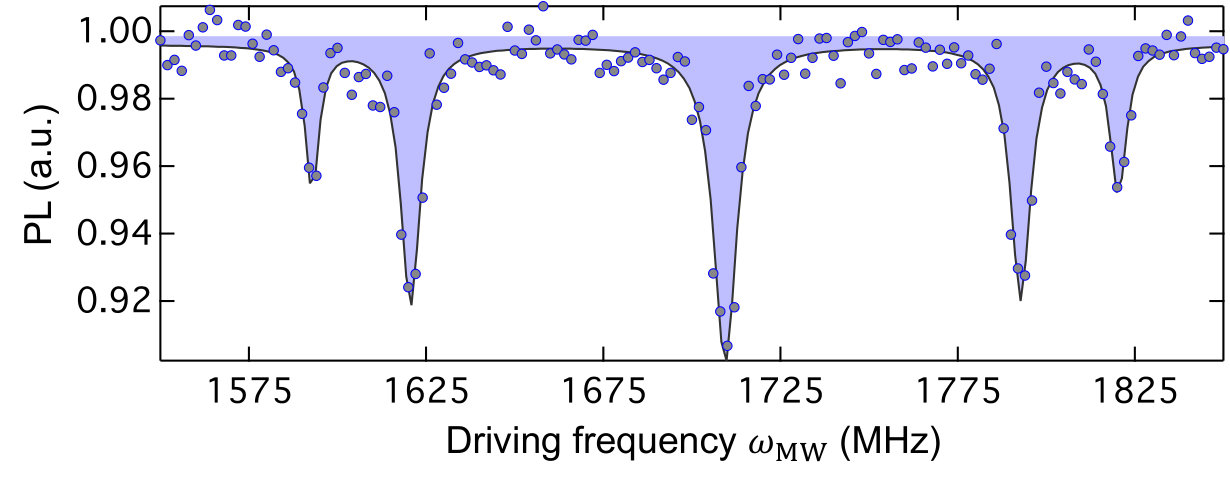 Figure 9
 Figure 10
Peer Reviews
No public reviews on file for this paper yet. If you reviewed it on a platform where reviews are public (OpenReview, ICLR, NeurIPS, ICML), you can paste yours below so the community can read it here.
Videos
No videos yet. Explain this paper in a talk, walkthrough, or lecture? Add one.
Environmentally mediated coherent control of a spin qubit in diamond
Scott E. Lillie
Centre for Quantum Computation and Communication Technology, School of Physics, The University of Melbourne, VIC 3010, Australia
David A. Broadway
Centre for Quantum Computation and Communication Technology, School of Physics, The University of Melbourne, VIC 3010, Australia
James D. A. Wood
Present address: Department of Physics, University of Basel, Switzerland
Centre for Quantum Computation and Communication Technology, School of Physics, The University of Melbourne, VIC 3010, Australia
David A. Simpson
School of Physics, The University of Melbourne, VIC 3010, Australia
Alastair Stacey
Centre for Quantum Computation and Communication Technology, School of Physics, The University of Melbourne, VIC 3010, Australia
Melbourne Centre for Nanofabrication, 151 Wellington Road, Clayton, VIC 3168, Australia
Jean-Philippe Tetienne
Corresponding author: [email protected]
Centre for Quantum Computation and Communication Technology, School of Physics, The University of Melbourne, VIC 3010, Australia
School of Physics, The University of Melbourne, VIC 3010, Australia
Lloyd C. L. Hollenberg
Centre for Quantum Computation and Communication Technology, School of Physics, The University of Melbourne, VIC 3010, Australia
School of Physics, The University of Melbourne, VIC 3010, Australia
Abstract
The coherent control of spin qubits forms the basis of many applications in quantum information processing and nanoscale sensing, imaging and spectroscopy. Such control is conventionally achieved by direct driving of the qubit transition with a resonant global field, typically at microwave frequencies. Here we introduce an approach that relies on the resonant driving of nearby environment spins, whose localised magnetic field in turn drives the qubit when the environmental spin Rabi frequency matches the qubit resonance. This concept of environmentally mediated resonance (EMR) is explored experimentally using a qubit based on a single nitrogen-vacancy (NV) centre in diamond, with nearby electronic spins serving as the environmental mediators. We demonstrate EMR driven coherent control of the NV spin-state, including the observation of Rabi oscillations, free induction decay, and spin-echo. This technique also provides a way to probe the nanoscale environment of spin qubits, which we illustrate by acquisition of electron spin resonance spectra of single NV centres in various settings.
The coherent control of spin-state qubits is fundamental to endeavours in both quantum computing and nanoscale sensing. In quantum computing, the ability to coherently control the spin-state of a target qubit within an array is essential to quantum information processing, and to harnessing the enhanced computing power of quantum algorithms Kane (1998); T.D. Ladd, F. Jelezko, R. Laflamme, Y. Nakamura, C. Monroe (2010); Pla et al. (2012); Hill et al. (2015). In quantum sensing, the coherent control of a qubit spin-state is required to selectively decouple the qubit from its magnetic environment, enhancing sensitivity to some target signal window Budker and Romalis (2007); Cole and Hollenberg (2009); Hall et al. (2009); Rondin et al. (2014); Bienfait et al. (2015); Degen et al. (2016). This has led to a significant decrease in sensing volumes as compared to conventional magnetic resonance experiments Staudacher et al. (2013); Mamin et al. (2013), achieving detection at the single-electron-spin level Grinolds et al. (2013); Shi et al. (2015), and holds promise towards atomic-resolution imaging of single biomolecules Ajoy et al. (2015); Kost et al. (2015); Laraoui et al. (2015); Lazariev and Balasubramanian (2015); Perunicic et al. (2016).
Coherent control of qubit spin-states is typically achieved directly, by application of a global driving field resonant with a qubit transition, whilst the fluctuating states of spins present in the local qubit environment decohere the qubit state. The unwanted decoherence caused by these environmental spins typically limits the ability to perform complex algorithms for quantum computing, or equivalently, limits the performance of the qubit for sensing purposes. Here we present a technique by which these typically chaotic environmental spins are appropriated as localised agents of control, allowing the coherent manipulation of a proximal qubit state. Precisely, control of the qubit is achieved by matching the Rabi frequency of directly driven environmental spins with the qubit spin-transition frequency. This environmentally mediated resonance (EMR) condition therefore classifies as a Hartmann-Hahn-like double resonance Hartmann and Hahn (1962); Belthangady et al. (2013); London et al. (2013); Loretz et al. (2013).
To demonstrate this concept experimentally, we use a qubit based on a single nitrogen-vacancy (NV) defect centre in diamond, which can be optically initialised and read out under ambient conditions Doherty et al. (2013), and enlist an ensemble of nearby electron spins as environmental mediators. The resonance landscape of EMR is explored by varying driving frequency, driving strength, and external field strength, and is found to be in good agreement with a simple semi-classical model. Coherent control of the NV spin-state is illustrated by performing EMR driven analogues of Rabi, free induction decay, and spin-echo experiments. Finally, applications to nanoscale spectroscopy are demonstrated, including the acquisition of a substitutional nitrogen spectrum by EMR driving.
Principle -
The resonance landscape of EMR driving can be understood by a simple semi-classical model, formulated by double-application of the Rabi formula, first applied to the environmental spins under direct driving, modelled as a single macrospin for simplicity, and second to the qubit, here the NV centre, as driven by the effective field arising from the environmental spin Rabi oscillations [Fig. 1a]. Assuming the NV spin is initialised in the state, this model gives the probability of measuring the state after a driving time, , as SI
[TABLE]
where is the Rabi frequency of the NV, with an effective driving strength . The latter is dependent on the relative amplitude of the environmental spin Rabi oscillations, , and the net magnetic field projection perpendicular to the NV-axis due to the ensemble of environmental spins, , at positions relative to the NV SI . The environmental spin Rabi frequency is given by , with driving strength , where is the electron gyromagnetic ratio and is the direct driving magnetic field amplitude. The NV spin transition frequency is denoted as , that of the spin-1/2 environmental spins as , and the driving microwave field frequency is .
Equation (1) suggests an EMR matching condition when the environmental spin Rabi frequency, or equivalently the dressed state transition frequency, is brought into resonance with the NV transition frequency, [Fig. 1b], which gives
[TABLE]
leading to maximal probability oscillation between the and states of the NV spin. Note that there exists an optimal EMR driving condition when the environmental spins are driven resonantly, , maximising the resulting NV Rabi frequency, , within the matching condition, Eq. (2).
Experiment -
EMR driving of a single NV centre by an ensemble of environmental electron spins is achieved using an electronic-grade diamond crystal with 15NV centres implanted - nm below the surface SI . Free-electron spins known to exist at the diamond surface comprise the environmental spin ensemble [Fig. 1a] Mamin et al. (2012); Rosskopf et al. (2014); Myers et al. (2014); Sushkov et al. (2014); Romach et al. (2015). Due to the GHz zero-field splitting between the and NV spin-states, and experimental difficulties in achieving GHz Rabi frequencies of the environmental spins, the EMR matching condition is most conveniently achieved near the ground-state level anti-crossing (GSLAC), which occurs at an external field strength G [Fig. 1c]. These experiments are performed at external field strengths giving in the range [math]- MHz, and in the range - MHz accordingly.
In this regime, the NV electronic spin-state structure is complicated by hyperfine interaction with the intrinsic nuclear spin of the NV, giving rise to multiple hyperfine shifted transitions He et al. (1993); Broadway et al. (2016). To simplify the EMR resonance landscape, an external field of G was chosen, giving a single degenerate NV transition frequency at MHz, as determined by directly driven magnetic resonance [Fig. 2a]. Here the photo-luminescence (PL) is a measure of the population of the state, and the decrease on-resonance indicates driving of the to transition when .
To measure the EMR landscape, we use the pulse sequence illustrated in Fig. 2b, where the microwave pulse frequency, , is swept across the environmental spin transistion frequency, , and the driving field amplitude, SI , is swept across the NV transition, . The microwave pulse duration, , is fixed to maximise PL contrast at the optimal EMR driving condition, and a single laser pulse is used for optical readout and re-pumping of the NV spin-state. Figures 2c and 2d show EMR PL maps as a function of and as measured in experiment and predicted by Eq. (1) respectively. The dashed lines show the EMR matching condition given by Eq. (2), centred about the optimal driving condition where MHz, and MHz. The resonant branches emanating from this point arise from the ability to recover the matching condition, , when the environmental spins are driven off-resonance, , by reducing the driving strength, . The experimental data is found to be in good overall agreement with the theoretical model, as indicated by the line cuts presented in Figs. 2e and 2f. The broadening of the experimental map in driving strength as compared to the theoretical plot is attributed to magnet drift throughout the acquisition time (10 hours for Fig. 2c).
In general there are two 15NV hyperfine transitions about the GSLAC, which overlap at G Broadway et al. (2016). Repeating the previous measurement at various external field strengths across the GSLAC reveals this hyperfine structure as multiple resonance features in the EMR resonance landscape [Fig. 3]. These EMR features match, in terms of , the hyperfine transitions resolved by direct driving of the NV (right-hand side in Fig. 3), with matching PL contrasts. This demonstrates the ability to selectively drive NV hyperfine transitions with EMR driving, by virtue of the relatively low power of the local driving fields involved. In addition, the centre of these resonance features shifts in driving frequency with increasing external field strength, in accordance with the Zeeman splitting of the free-electron spin-states, (see Fig. 1c).
These measurements, which utilised a fixed driving pulse duration maximising PL contrast, demonstrate the ability to induce spin-transitions of a target NV centre by EMR driving. We now probe the EMR driving dynamics by time resolved measurements, allowing the coherence of the observed control to be assessed. Utilising the optimal driving parameters, and , identified in Fig. 2c at the 15NV hyperfine crossing, an EMR driven Rabi curve on the NV was measured by varying the driving pulse duration [Fig. 4a]. An oscillation with a period of s is observed, demonstrating coherent control of the NV spin-state. The corresponding Rabi frequency, , is intrinsically linked to the spatial distribution of environmental spins, offering a pathway towards spatial mapping of such spins with nanoscale resolution. The rapidly decaying envelope of the Rabi curve arises as a consequence of the random initial spin-state of the environmental spin ensemble, such that the resulting curve is an average across a distribution of effective driving strengths of the environmental spin field SI .
We note that EMR Rabi driving can be achieved for any pair of driving parameters, , satisfying the EMR matching condition depicted by the dashed line in Fig. 2c. This is illustrated in Fig. 4b, showing EMR Rabi curves as a function of , with the driving frequency, , chosen such that the EMR matching condition is satisfied where possible. When , the driving frequency is fixed at , as the EMR matching condition cannot be recovered in this regime, resulting in a sharp decrease in PL contrast (lower half Fig. 4b). Decreasing the driving strength below the optimal condition, , preserves the contrast, but gives a longer Rabi period according to the factor (upper half Fig. 4b).
The coherent control demonstrated in Figs. 4a and 4b suggests the feasibility of using EMR to drive pulsed quantum control schemes fundamental to quantum information and quantum sensing protocols. Identifying effective - and -pulse durations from the optimally driven EMR Rabi curve at ns and ns respectively, Ramsey and spin-echo measurements were performed. The free induction decay curve as measured by the EMR driven Ramsey sequence [Fig. 4c] shows an oscillation at approximately MHz, the NV transition frequency. This oscillation arises from the phase accumulation of the NV spin-state relative to the effective driving field of the environmental spin ensemble, whose phase is effectively frozen during the free evolution time SI . An analytic treatment in the macrospin approximation of the NV state evolution under this driving scheme reveals this oscillation, giving the probability of measuring the state as , where is the free evolution time of the sequence SI . This feature is in contrast with directly driven Ramsey measurements, which exhibit an oscillation at the detuning frequency Maze et al. (2012). The spin-echo sequence, by design, filters out effects from quasi-static dephasing processes SI . Consequently, the EMR driven spin-echo curve [Fig. 4d] shows revivals at a frequency of MHz, corresponding to the Larmor precession of the surrounding bath of 13C nuclear spins Childress et al. (2006). In addition, theoretical analysis shows that the decay of the Ramsey and spin-echo measurements are dominated by the decoherence of the NV, with characteristic time scales and respectively, and the randomised initial states and decoherence of the environmental spins result primarily in a reduced constrast SI .
As a final experiment, we illustrate the applicability of EMR to spectroscopy by acquiring an electron spin resonance spectrum of a non-trivial spin species, namely substitutional nitrogen (P1) centres internal to a nitrogen rich host diamond [Fig. 5a]. A representative P1 spectrum acquired by EMR driving is given in Fig. 5b, revealing the characteristic five-peak structure of the centre due to the on- and off-axis parallel hyperfine interaction between the spin-1 14N nuclear spin and spin-1/2 electron spin of the centre Smith et al. (1959); Hall et al. (2016); Wood et al. (2016a). We note that the resonance line width, which sets the spectral resolution of the technique, is governed by for a given environmental spin ensemble SI , and can therefore be improved by using an 14NV centre, for which can typically be reduced to kHz Broadway et al. (2016).
Applications of EMR to spectroscopy are made particularly attractive due to its experimental simplicity as compared to competing techniques, such as double electron-electron resonance (DEER) SI , which requires pulsed driving of the qubit probe and environmental spin species in parallel Grotz et al. (2011); Mamin et al. (2012), and -based spectroscopy, which requires delicate control of the varying magnetic field Hall et al. (2016); Wood et al. (2016a). The EMR protocol can be further simplified by implementing a continuous wave (CW) optical and microwave excitation scheme, achieving similar results as compared to the pulsed scheme [Fig. 5b]. The reduced fluorescence contrast of the CW scheme is ascribed to the continuous optical re-pumping of the NV spin-state Manson et al. (2006).
In this paper we have introduced a technique by which the coherent driving of a qubit is achieved by using nearby environmental spins as agents of control. This concept has been realised in experiments using a single NV centre in diamond, driven by an ensemble of electron spins, both at the diamond surface and in the bulk. The parameter space of this technique has been explored and compared to the simple semi-classical model developed, showing good agreement. Applications to spectroscopy have been demonstrated by acquisition of a characteristic substitutional nitrogen centre spectrum, and are made attractive by the experimental simplicity of the technique. Finally, the highly localised driving fields utilised by EMR provide an avenue by which target qubits within an array can be selectively addressed, especially in conjunction with environmental spin engineering.
The authors acknowledge useful discussions with L.T. Hall. This work was supported in part by the Australian Research Council (ARC) under the Centre of Excellence scheme (project No. CE110001027), and by the Melbourne Centre for Nanofabrication (MCN) in the Victorian Node of the Australian National Fabrication Facility (ANFF). L.C.L.H. acknowledges the support of an ARC Laureate Fellowship (project No. FL130100119). J.-P.T acknowledges support from the ARC through the Discovery Early Career Researcher Award scheme (DE170100129) and the University of Melbourne through an Establishment Grant and an Early Career Researcher Grant. S.E.L and D.A.B are supported by an Australian Government Research Training Program Scholarship.
S1 Experiment details
The diamond sample used for the experiments presented in Figs. - and c was a oriented, electronic grade CVD diamond crystal, grown on an HPHT bulk diamond substrate. NV centres were formed by ion implantation of 15N at an energy of keV, and a fluence of cm*-2*, giving an expected implantation range of - nmWood et al. (2016b); Lehtinen et al. (2016). The sample was annealed under UHV at C for hours. The resulting NV density was such that on average there was less than one centre per optically resolvable spot, approximately within the shallow implantation sheet. The spin environment of the electronic grade CVD bulk resulted in typical NV centre coherence times of s. The diamond sample used for acquiring the P1 centre electron spin resonance spectrum [Fig. b] was similarly fabirated, except for intentional doping with nitrogen during the CVD growth, ensuring a sufficiently high density of P1 centres to allow spectra to be measured by single NV centres.
The measurements were performed at room temperature using a home-built confocal microscope similar to that described in Wood et al. (2016a). The external magnetic field was applied using a permanent magnet and aligned with the NV axis by maximising the PL intensity Wood et al. (2016a).
S2 Driving strength calibration
The EMR data presented gives the direct driving field amplitude in terms of the driving strength of the environmental spins proximal to the NV, , which is proportional to the local amplitude of the applied microwave field, , according to the relation . Experimentally, the calibration of , and hence , was achieved for a given environmental spin species at a target NV site in the following manner. The target NV centre was driven resonantly, , at a range of driving field amplitudes, , and Rabi measurements made for both the and NV transitions. These measurements were performed at a low external field strength, G, such that the two NV transition were resolvable, but close to the expected environmental spin transition frequency under EMR conditions, MHz. Rabi frequencies were extracted by fitting the measured Rabi curves, and averaged between the two transitions for a given driving field amplitude, mitigating any frequency dependence in driving strength. The equivalent Rabi frequency for a spin-1/2 environmental electron system was calculated by scaling the transition averaged NV Rabi frequencies by , due to the differing pre-factor in the definition of the spin matrices for the spin-1/2 system versus the spin-1 NV system.
Fig. S1 shows the environmental spin driving strength calculated in this fashion as a function of the driving field amplitude, here given as the square root of the driving power. The linear fit is the calibration curve used to calculate the driving strength of spin-1/2 electron spins in the environment of the target NV for the subsequent EMR experiments. It should be noted that this calibration is specific to environmental spins in close proximity to the target NV, given the spatial dependence of the magnetic field emanating from the micro-wire driving the bath.
S3 Single environmental macrospin model
The semi-classical Rabi formula model presented treats the environmental spin ensemble as a single macrospin. For simplicity, the spin-1/2 macrospin with transition frequency is treated, in the first instance, as being initialised in the spin-down state, , and is directly driven by an oscillating magnetic field of the form
[TABLE]
where and are the direct driving field amplitude and frequency respectively, and denotes the vector component perpendicular to the macrospin quantisation axis. Applying Rabi’s formula in this context gives the probability of measuring the macrospin in the state, after a driving time as
[TABLE]
where , is the environmental spin Rabi frequency with driving strength , where is the electron gyromagnetic ratio.
The effect of the environmental ensemble spin-state oscillations on a proximal NV centre is modelled semi-classically, treating the effective field arising from the driven environmental spins as a classical field driving the NV centre. In the initialised macrospin model, this field can be expressed simply as
[TABLE]
where is the amplitude of the field arising from the environmental spin oscillations perpendicular to the NV-axis. The factor accounts for the dependence of the environmental spin field on the relative position of the environmental spins and the NV, , and can be extended to encapsulate the dependence on the initial states of the spins comprising the ensemble (see section S4). Applying the Rabi formula to an NV initialised in the state driven by this field, Eq. () is recovered, where only transitions to the state are considered due to limitations in the achievable range of environmental spin Rabi frequencies.
This semi-classical model is validated by the experimental observation of matching PL contrast between optimal EMR driving, centre of Fig. c, and direct driving of the NV transition, Fig. a. Back action effects present in a fully quantum model would reduce the observed PL contrast in EMR driving.
S4 Extension to environmental spin ensemble
The macrospin model presented ignores the details of individual spins comprising the ensemble, and consequently offers no explanation for the observed rapid decay of the EMR driven Rabi oscillations [Fig. 3a]. Here we extend the model to consider both the position and intial states of the environmental spins comprising the ensemble, and attempt to explain such details.
The magnetisation of a single spin-1/2 electron spin along is quantisation axis, , driven by a direct driving field of the form Eq. (S1), from an arbitrary initial state, , can be expressed as
[TABLE]
where and are respectively the polar and azimuthal angles of the initial state vector on the environmental spin Bloch sphere, and is the Bohr magneton. Note that the environmental spin quantisation axis is defined by the external magnetic field used to Zeeman split the bath spin-states, and is therefore aligned with the NV-axis.
The magnetic field arising from this magnetisation at a proximal NV centre, perpendicular to the NV quantisation-axis, is given by
[TABLE]
where , , , and encapsulate the initial state and position dependence, and are defined as
[TABLE]
and the environmental spin position relative to the NV is given by . The above expression is extended to environmental ensemble of spins by summing over the individual spin positions, which are fixed in relation to the NV, and their initial states, which will vary randomly between measurements due to spin-lattice relaxation. Performing this summation and comparing the effective field to a direct driving field, it is possible to define the driving strength of the NV by this field as
[TABLE]
where , , , and are the previous quantities summed over the ensemble.
Having developed this formalism, numerical simulations can be performed to determine the effect of the randomised initial state of the environmental spin ensemble on the EMR driving of the NV. Environmental spin ensembles were created by randomly assigning spin positions within a - nm shell centred on a single NV centre, with the initial state of each spin chosen from a uniform distribution about their respective Bloch spheres. Keeping the position of each spin within the ensemble fixed, but varying the initial states at each measurement, the driving strength distribution of the ensemble can be produced, and the resulting EMR driven Rabi and Ramsey curves of the NV calculated using Eq. () and Eq. (S16) respectively.
Figure S2 presents numerical simulation data for four environmental spin ensembles, showing the driving strength distributions of each component spin (first column), the total driving strength distribution of the ensemble (second column), and demonstrative EMR driven Rabi and Ramsey curves of the proximal NV (third and fourth columns respectively). The characteristic shape of the individual spin distributions arises from the random initial state given by Eq. (S4), whereas the total driving strength distribution depends on the spatial arrangement of the environmental spins relative to both the NV, and the other environmental spins. Broadly, a greater mean driving strength of the ensemble results in a higher EMR Rabi frequency, and the breadth of the distribution governs the decay of the Rabi envelope. The -pulse durations used to model the Ramsey measurements are taken from the corresponding Rabi curve, and hence the minimum population observed in Rabi is commensurate with the initial population in the Ramsey measurement. Note that this model ignores decoherence and detuning effects on both the NV and the environmental spins. These effects are discussed in section S6.
S5 Ramsey and spin-echo sequence modelling
The oscillation observed in the free induction decay curve of the EMR driven Ramsey sequence [Fig. c], can be explained by analytic treatment of the NV spin-state evolution driven by the effective field arising from the environmental spin ensemble. The treatment developed in section S4 allows the environmental spin field perpendicular to the NV axis to be expressed as
[TABLE]
where , and is an arbitrary phase of the field due to the initial ensemble state. Treating this field as a classical field driving the an initialised NV resonantly, , the evolution of the NV state can be found by solving the time-dependent Schrödinger equation, neglecting decoherence effects for the moment. Note that this driving field does not accumulate phase during the sequence wait time, given that its phase arises from the longitudinal projections of the ensemble spin states, which do not evolve when the direct driving field is switched off.
Solving for the NV state evolution due to the EMR driven Ramsey sequence as outlined, the final NV state is given by
[TABLE]
where denotes the end of the sequence, is an idealised -pulse duration, and is the sequence wait time. Performing a PL measurement of the above state reveals the observed oscillation at the NV transition frequency,
[TABLE]
Additionally, this oscillation will decay over a time scale give by the NV decoherence time, , due to fluctuations in , as in tranditional Ramsey measurements.
The same analysis can be applied to the EMR driven spin-echo sequence to demonstrate its filtering of detuning-like effects arising from EMR driving, as seen in the Ramsey treatment. Using idealised - and -pulse durations as before, the NV state at the end of the spin-echo sequence is given by
[TABLE]
where is the total sequence duration, and is the total sequence wait time. Performing a PL measurement of this state will hence reveal the NV to be in the bright state
[TABLE]
as in traditional spin-echo measurements, correcting for the detuning-like effects of EMR. Magnetic field oscillating synchronously with the spin-echo sequence lead to a reduced population of the state and result in the modulation of spin-echo curves as the sequence wait time is increased, which otherwise show a simple exponential decay over the decoherence time of the NV, .
S6 Decoherence effects in Ramsey and spin-echo
The model developed in section S4 incorporated both the positions and initial states of the environmental ensemble spins, and offered an explanation for the observed decay in EMR driven Rabi oscillations, and a corresponding reduction in constrast of the EMR driven Ramsey measurement. Here we make explicit the form used for the previous Ramsey simulations, which builds on analytic framework outlined in section S5.
Neglecting decoherence and detuning effects, the NV state at the end of the Ramsey sequence, , is given by
[TABLE]
where is the chosen -pulse duration used for the experiment and here , given that the EMR matching condition is satisfied. Calculating the probability of the NV ocupying the state and averaging over the initial environmental spin states for a given ensemble, as in section S4, reveals sustained Ramsey oscillations (fourth column Fig. S2) with reduced contrast as compared to the traditional Ramsey measurements, as discussed previously.
Having determined the effect of a random initial state of the environmental ensemble on the EMR driven Ramsey measurement, we now determine the effect of environmental spin decoherence throughout the free evolution time, , in both quasistatic and fast fluctuating regimes. For simplicity, we again model the ensemble as a single macrospin.
Firstly, we model the environmental spin decoherence as arising from a quasistatic detuning between the driving field frequency, , and the environmental spin transition frequency, , that is random but constant over the sequence duration. We consider an environmental macrospin with a general inital state
[TABLE]
driven by a direct driving field in the form of Eq. (S1), as before. The effective driving field on the NV arising from the directly driven macro spins is given by
[TABLE]
where the amplitude and initial phase of the field are given by
[TABLE]
respectively. The relative position of the macrospin and the NV is given by .
Tracking the evolution of the macrospin and the NV throughout the sequence, a detuning term is introduced for the macrospin during the free evolution time, . After the free evolution time, , the macrospin state is given by
[TABLE]
where is the detuning, and the coefficients and give the evolution of the initial macrospin state due to the first pulse. The detuning here is modelled as arising from magnetic flield fluctuations along the quantisation axis of the macrospin, , with a standard deviation, , related to the decoherence time, , of the macrospin as .
Evolving the macrospin following the free evolution time by application of the second -pulse, the effective driving field on the NV due to the macrospin can be calculated, and applied to further evolve the NV, giving a final state
[TABLE]
where and are the driving strength and initial phase of the second marcospin field pulse after detuning throughout the free evolution time. Calculating from Eq. (S22) and numerically averaging of both the macrospin initial state and the macrospin detuning, the resulting Ramsey measurement simulated.
Figure S3c shows an EMR Ramsey curve with a quasitatic detuning characterised by s, averaged over detunings per time step and further averaged over initial ensemble states. For comparison, the corresponding Ramsey curve omitting decoherence effects, but averaging over inital states for the same macrospin configurations is given [Fig. S3b], along with its corresponding Rabi curve [Fig. S3a]. It is clear that the quasistatic detuning results in a slight decay of the Ramsey envelope over the timescale given by , but that the oscillations persist in the long term.
This quasistatic model can be extended to a fast fluctuation limit, where the dephasing of the macrospin throughout the free evolution time is modelled by reassigning the phase of macrospin state, , randomly from a uniform distribution on the interval , at the start of the second -pulse of the sequence. The resulting driving field on the NV due to this random phase shift is calculated using Eqs. (S19) and (S20) and substituting into Eq. (S22), from which the Ramsey measurement can be calculated as before.
Figure S3d shows the Ramsey measurement in this fast fluctuating limit for the same macrospin configuration as in Figs. S3a, b and c, averaged over phase fluctuations per time step, and initial macrospin states. It is clear that the fast fluctuations further reduces the constrast of the Ramsey oscillations, a result supported by the low contrast Ramsey oscillations measured in experiment [Fig. c].
This analysis shows that the random initial state and decoherence effects of the ensemble limit the contrast of resulting EMR Ramsey oscillations, but do not dominate the decay of the Ramsey envelope. Consequently, the decay of the Ramsey envelope will be dictated by the decoherence of the NV itself, over the time scale given by of the NV. This reasoning is extrapolated to the case of the spin-echo sequence, where the decay timescale is instead characterised by of the NV.
S7 P1 centre spectrum comparison with DEER
The P1 centre spectrum presented in Fig. b demonstrates the viability of EMR as a spectroscopic technique. Such a demonstration, however, is incomplete without comparison to established spectroscopic techniques. Here we present a P1 centre spectrum acquired using the same single NV centre as that of Fig. c, but using double electron-electron resonance (DEER) instead of EMR.
The corresponding DEER spectrum is shown in Fig. S4, where again, the characteristic five- peak structure arises from the on- and off-axis hyperfine interation between the centre’s spin-1 14N nuclear spin, and the spin-1/2 electron spin. The FWHM of the central resonance peak is approximately MHz in the DEER spectrum, as compared to the MHz in the EMR spectrum, which is attributed to the susceptibility of DEER to power broadening.
As a final note, a distinguishing feature of EMR spectroscopy is its probing of the component of the dipole-dipole interaction between the NV and environmental spins, as compared to DEER and based spectroscopy, which probe the and terms respectively Grotz et al. (2011); Mamin et al. (2012); Hall et al. (2016); Wood et al. (2016a). For this reason, EMR spectroscopy proves advantageous in detecting environmental spins in geometries to which established techniques are insensitive, such as the “magic angle” in DEER Wood et al. (2016a). The combination of EMR with these established techniques thus provides a basis by which the spatial distribution of environmental spins can be mapped.
S8 Spectral resolution
The line width of resonance features in the EMR spectra limits the spectral resolution of the technique. This line width is naturally governed by the NV transition frequency, as this dictates the strength at which the environmental spin ensemble is driven, but is also governed by the effective field strength arising from the environmental spin ensemble at the site of the NV. The line width dependence on these parameters can be investigated numerically by solving Eq. () for the FWHM as a function of NV transition frequency, , and driving strength of the NV by the ensemble field, . The driving pulse duration, , is here chosen to be an idealised -pulse for a given parameter set such that maximum PL contrast is observed, mimicking the experimental protocol.
The results, shown in Fig. S5, are commensurate with the data presented in Figs. and , giving a FWHM of approximately MHz, for a NV transition frequency, MHz, and an NV driving strength, MHz, as extracted from the optimally driven EMR Rabi curve [Fig. a]. The line widths of the resonance features presented in the P1 centre spectrum acquired by EMR spectroscopy [Fig. b] are also commensurate with this analysis, however, the comparatively narrow kHz line width observed in free-electron resonance peak of Fig. c is problematic. The numerical analysis suggests that such a line width is achievable with kHz, and a weak coupling to the environmental spin ensemble, kHz, however this case is not supported by EMR Rabi data from the same NV, which suggests kHz. This may indicate indicate a breaking of the semi-classical interaction regime assumed by the model and is hence outside of the scope of this analysis.
The reference list from the paper itself. Each links out to its DOI / PubMed record.
- 1Kane (1998) B. E. Kane, Nature 393 , 133 (1998) . · doi ↗
- 2T.D. Ladd, F. Jelezko, R. Laflamme, Y. Nakamura, C. Monroe (2010) J. O. T.D. Ladd, F. Jelezko, R. Laflamme, Y. Nakamura, C. Monroe, Nature 464 , 45 (2010) , ar Xiv:1009.2267 . · doi ↗
- 3Pla et al. (2012) J. J. Pla, K. Y. Tan, J. P. Dehollain, W. H. Lim, J. J. L. Morton, D. N. Jamieson, A. S. Dzurak, and A. Morello, Nature 489 , 541 (2012) , ar Xiv:1305.4481 . · doi ↗
- 4Hill et al. (2015) C. D. Hill, E. Peretz, S. J. Hile, M. G. House, M. Fuechsle, S. Rogge, M. Y. Simmons, and L. C. L. Hollenberg, Science Advances 1 , e 1500707 (2015) . · doi ↗
- 5Budker and Romalis (2007) D. D. Budker and M. Romalis, Nature Physics 3 , 227 (2007) , ar Xiv:0611246 [physics] . · doi ↗
- 6Cole and Hollenberg (2009) J. H. Cole and L. C. L. Hollenberg, Nanotechnology 20 , 495401 (2009) , ar Xiv:0811.1913 . · doi ↗
- 7Hall et al. (2009) L. T. Hall, J. H. Cole, C. D. Hill, and L. C. L. Hollenberg, Physical Review Letters 103 , 220802 (2009) , ar Xiv:0907.2292 . · doi ↗
- 8Rondin et al. (2014) L. Rondin, J. P. Tetienne, T. Hingant, J. F. Roch, P. Maletinsky, and V. Jacques, Rep Prog Phys 77 , 56503 (2014) , ar Xiv:1311.5214 . · doi ↗