AMUSE: Empowering Users for Cost-Aware Offloading with Throughput-Delay Tradeoffs
Youngbin Im, Carlee Joe-Wong, Sangtae Ha, Soumya Sen, Ted Taekyoung, Kwon, Mung Chiang

TL;DR
AMUSE is a practical system that empowers mobile users to make cost-aware offloading decisions by balancing throughput and delay, improving user utility over existing methods.
Contribution
It introduces a novel user-centric offloading framework that considers individual throughput-delay tradeoffs and enforces bandwidth allocation for TCP flows.
Findings
AMUSE significantly increases cellular offloading without user intervention.
The system improves user utility by 14-27% compared to other algorithms.
A measurement study with 37 users validates the effectiveness of AMUSE.
Abstract
To cope with recent exponential increases in demand for mobile data, wireless Internet service providers (ISPs) are increasingly changing their pricing plans and deploying WiFi hotspots to offload their mobile traffic. However, these ISP-centric approaches for traffic management do not always match the interests of mobile users. Users face a complex, multi-dimensional tradeoff between cost, throughput, and delay in making their offloading decisions: while they may save money and receive a higher throughput by waiting for WiFi access, they may not wait for WiFi if they are sensitive to delay. To navigate this tradeoff, we develop AMUSE (Adaptive bandwidth Management through USer-Empowerment), a functional prototype of a practical, cost-aware WiFi offloading system that takes into account a user's throughput-delay tradeoffs and cellular budget constraint. Based on predicted future usage…
Click any figure to enlarge with its caption.
 Figure 1
 Figure 2
 Figure 3
 Figure 4
 Figure 5
 Figure 6
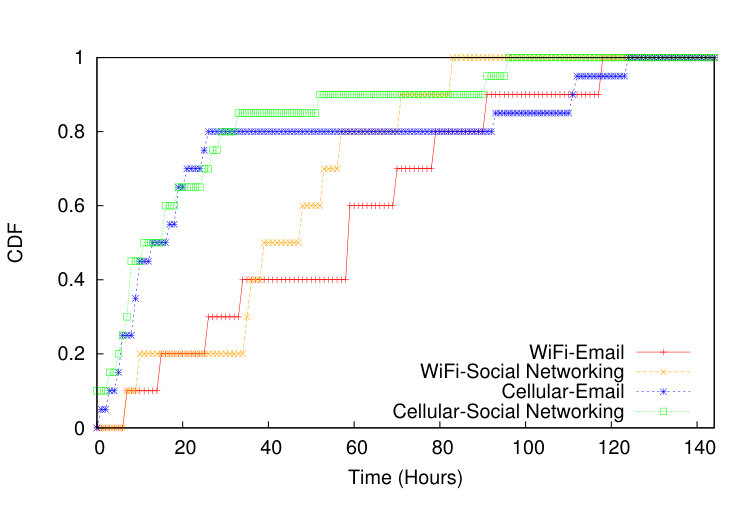 Figure 7
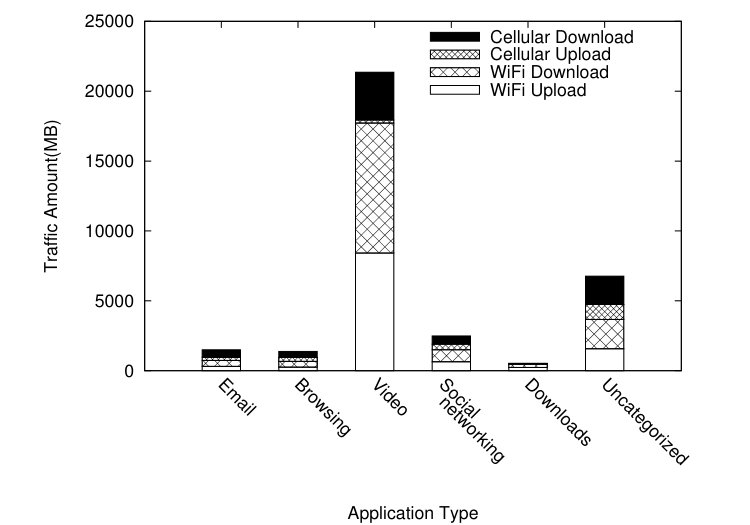 Figure 8
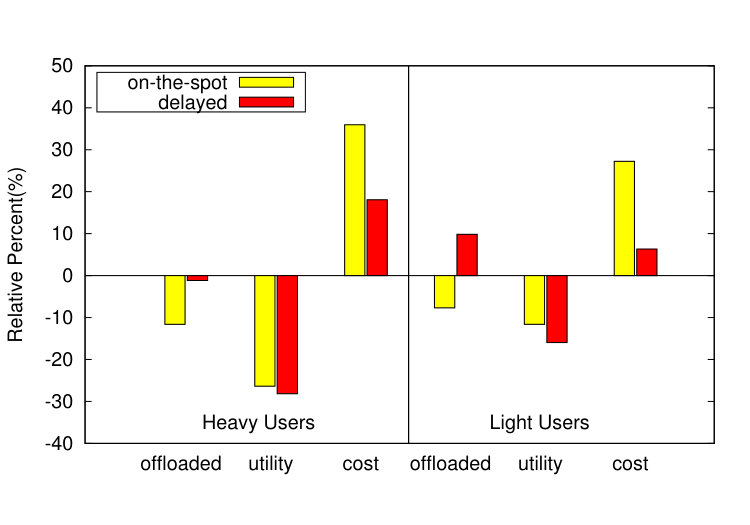 Figure 9
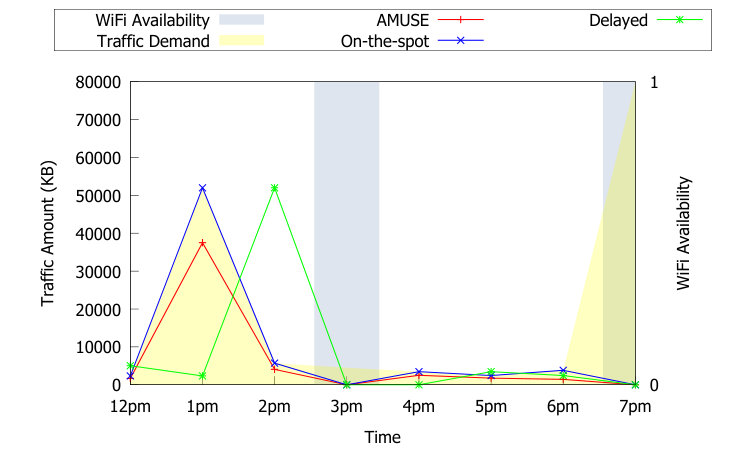 Figure 10
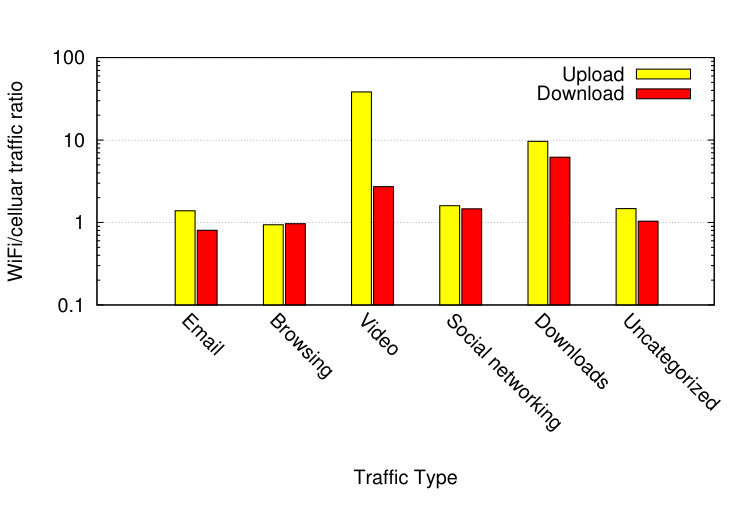 Figure 11
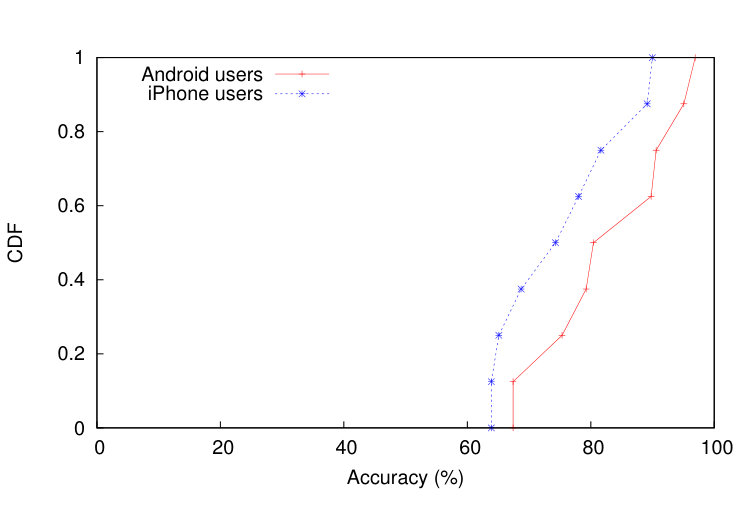 Figure 12
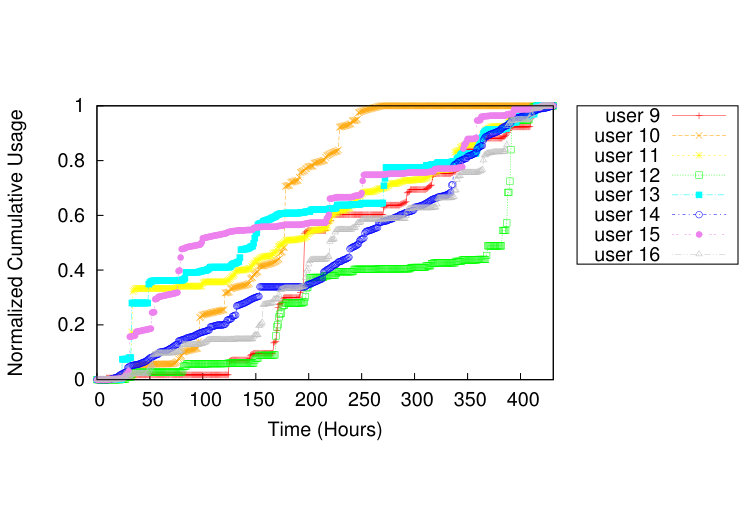 Figure 13
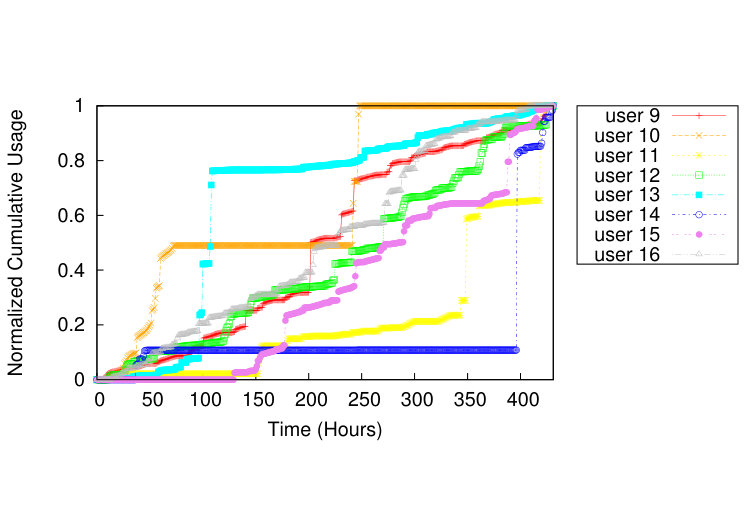 Figure 14
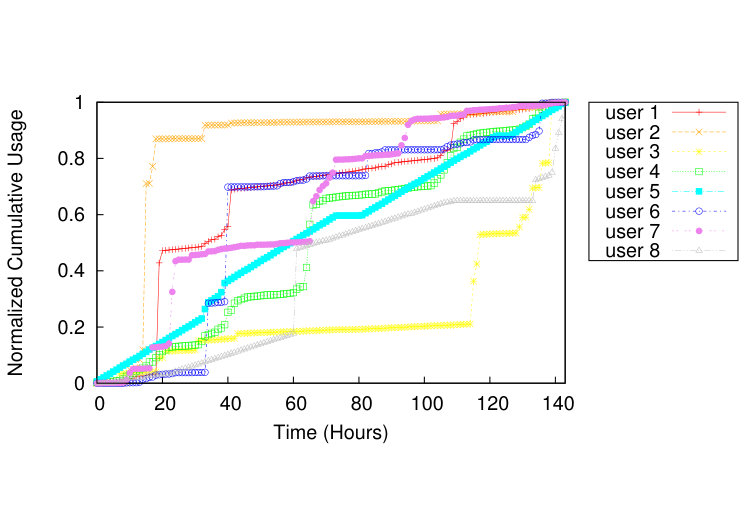 Figure 15
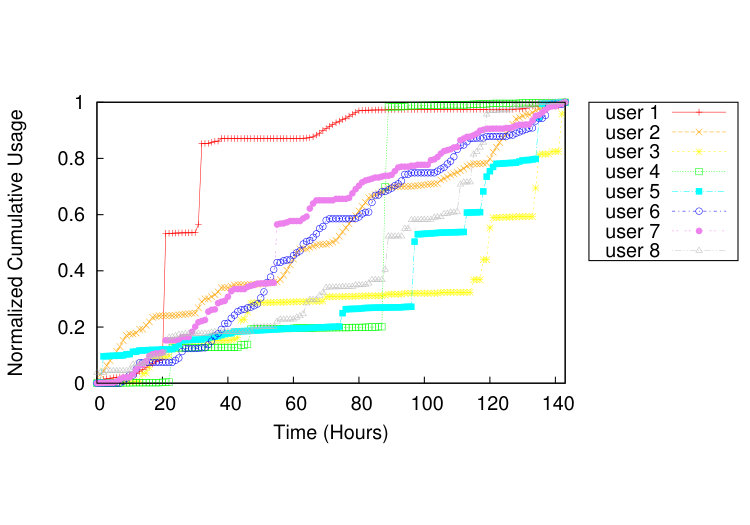 Figure 16
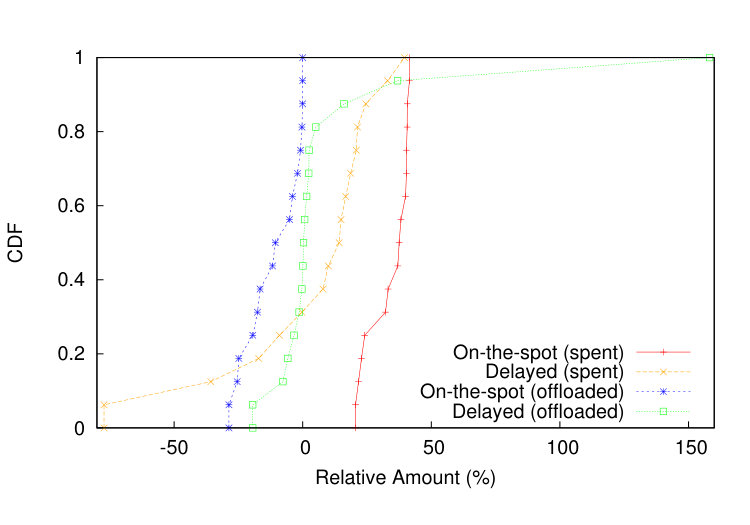 Figure 17
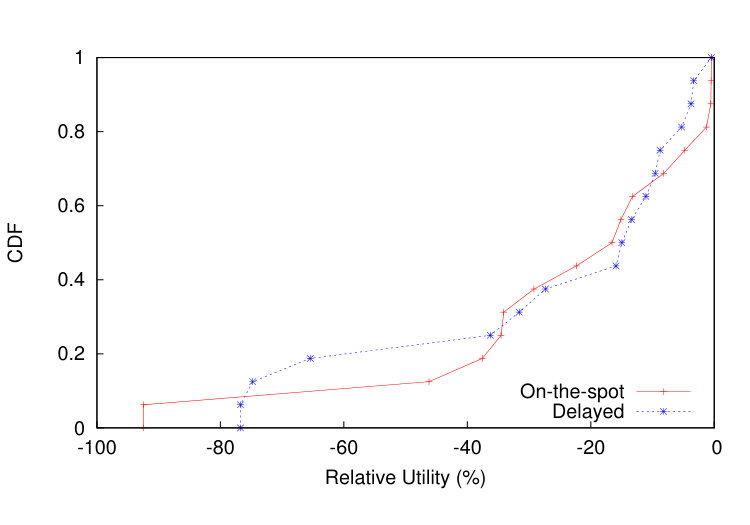 Figure 18
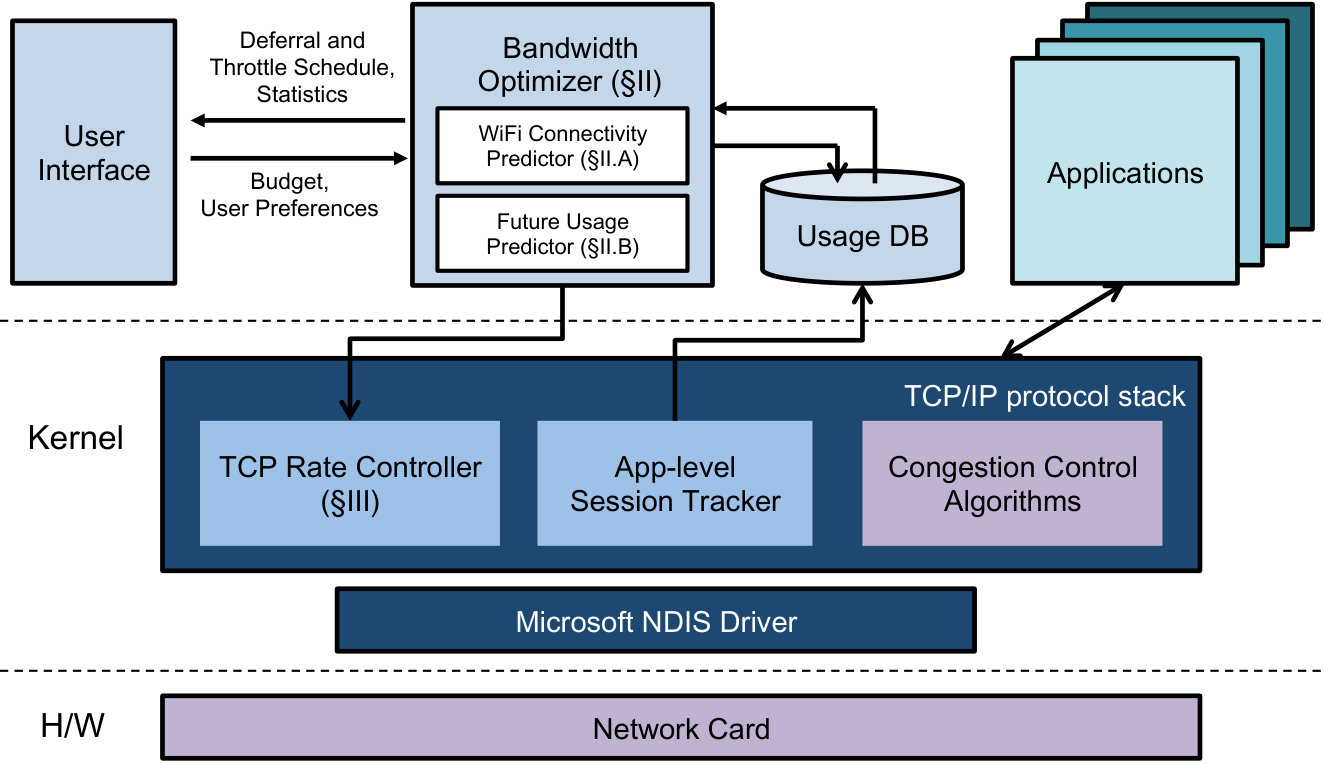 Figure 19
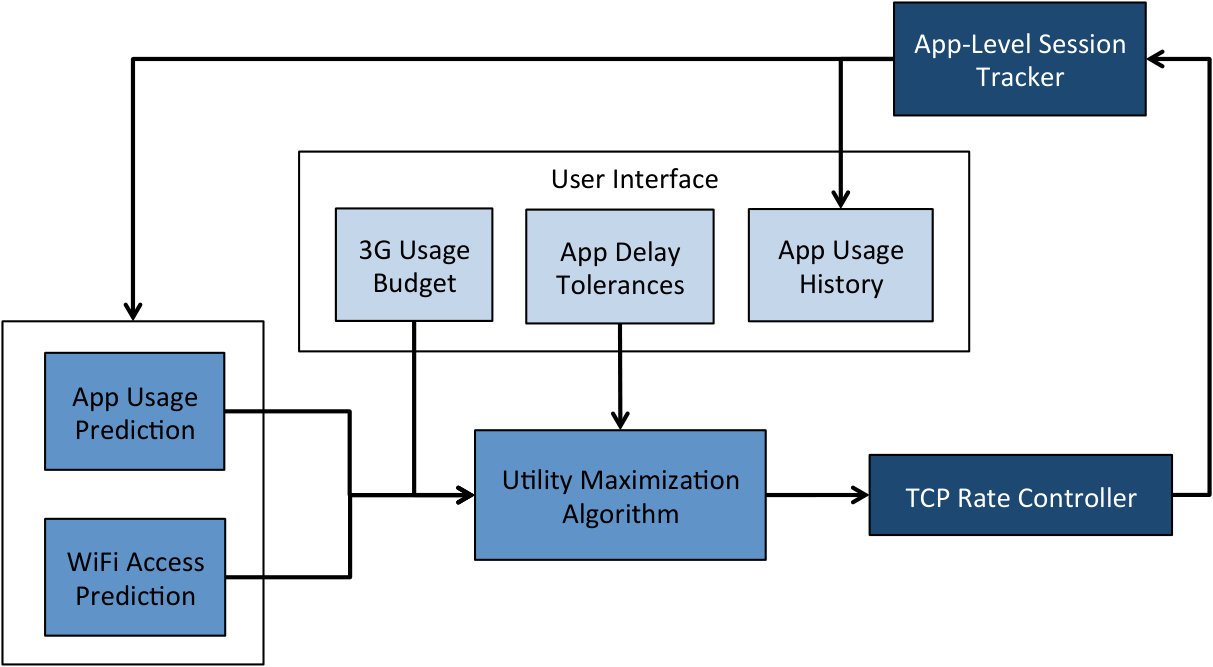 Figure 20
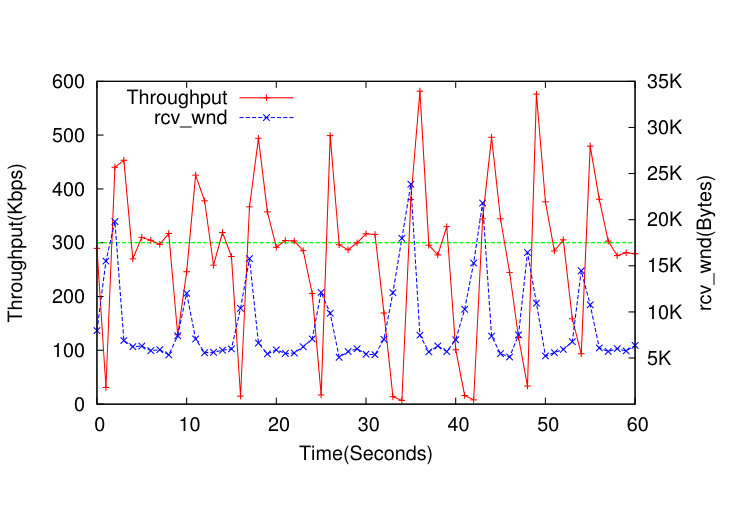 Figure 21
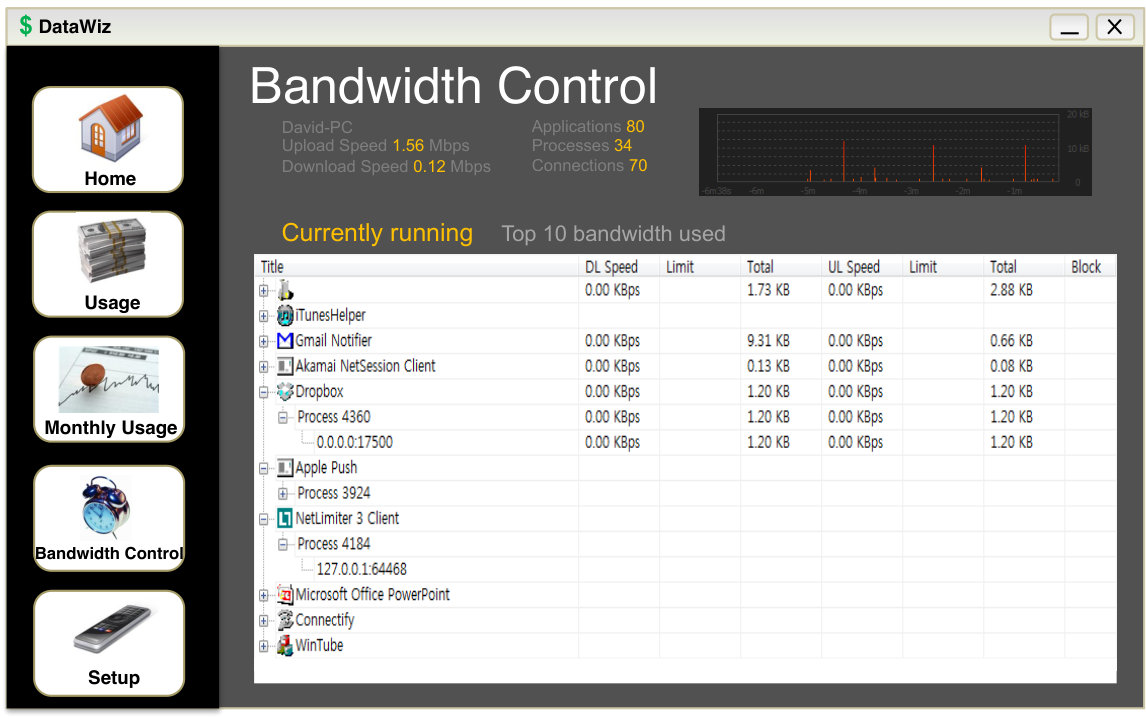 Figure 22
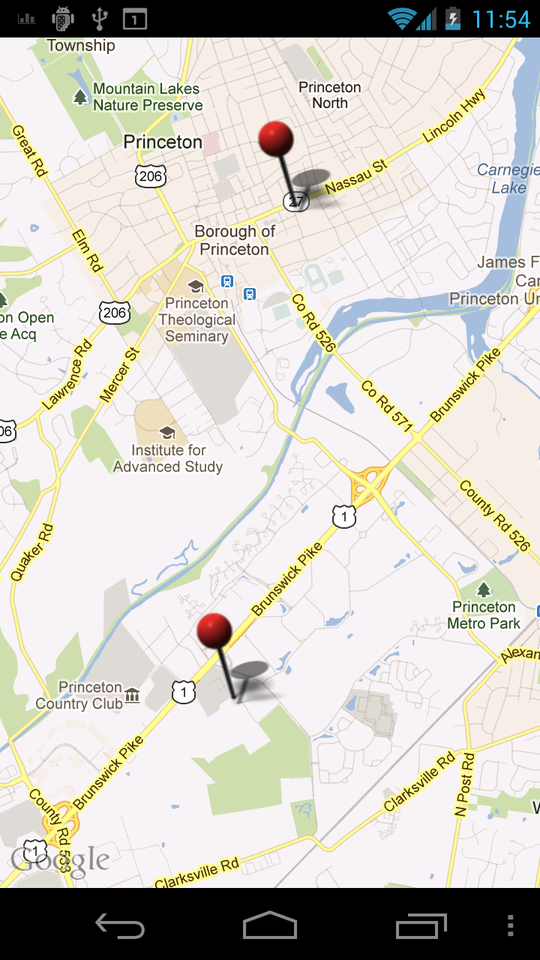 Figure 23
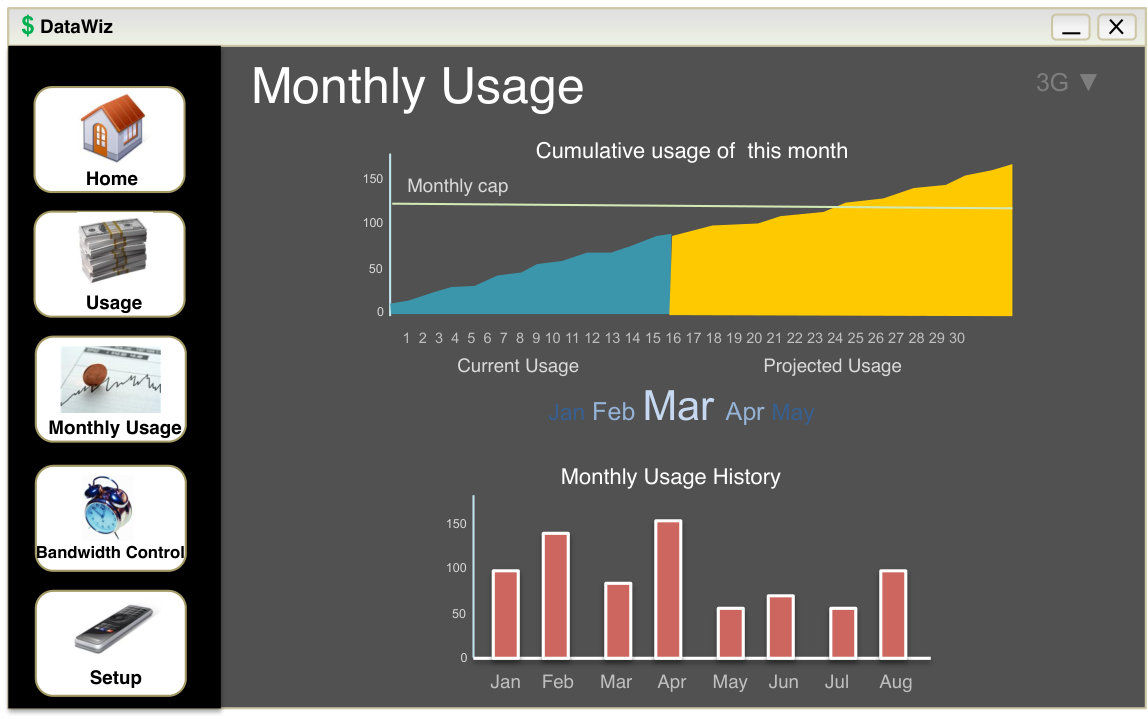 Figure 24
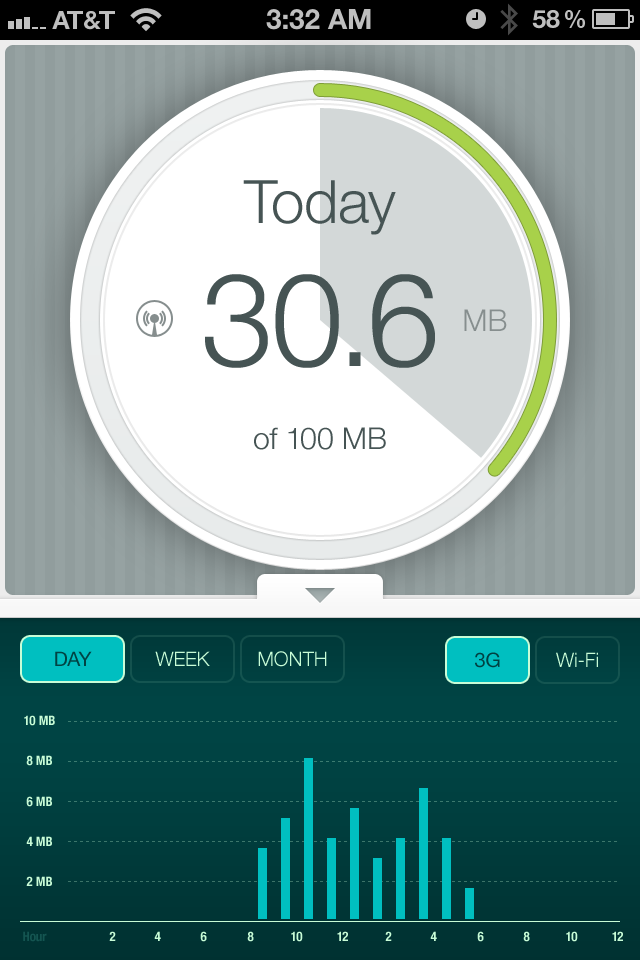 Figure 25
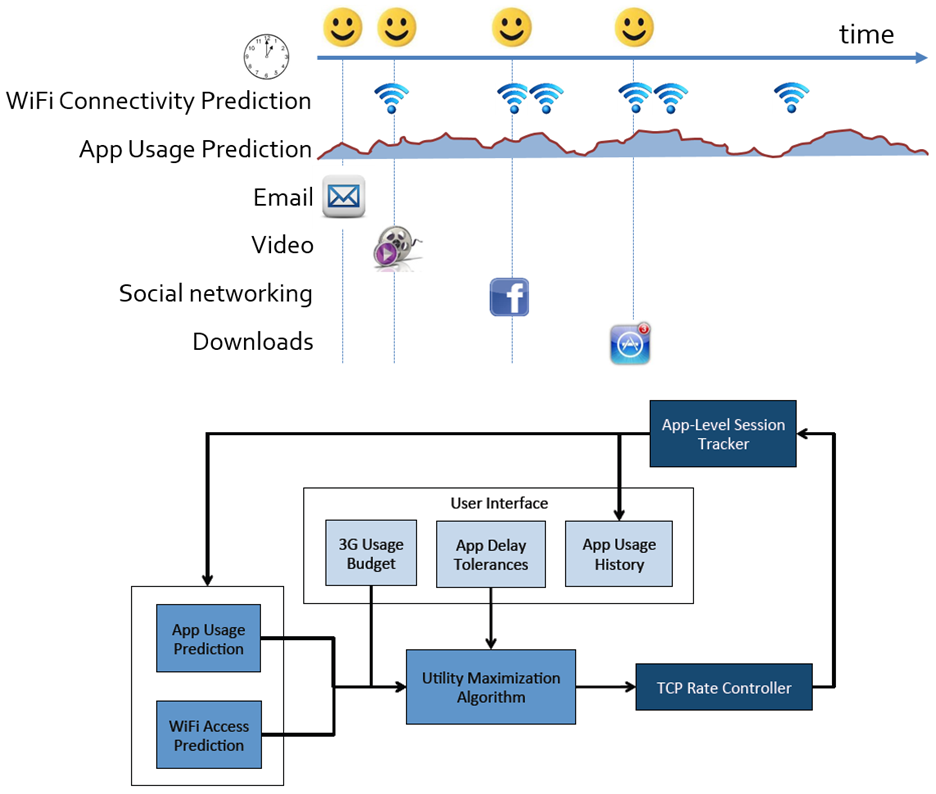 Figure 26
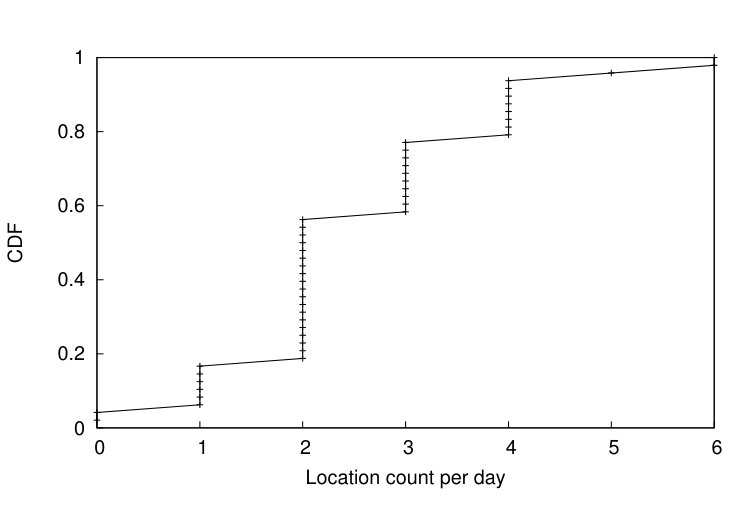 Figure 27
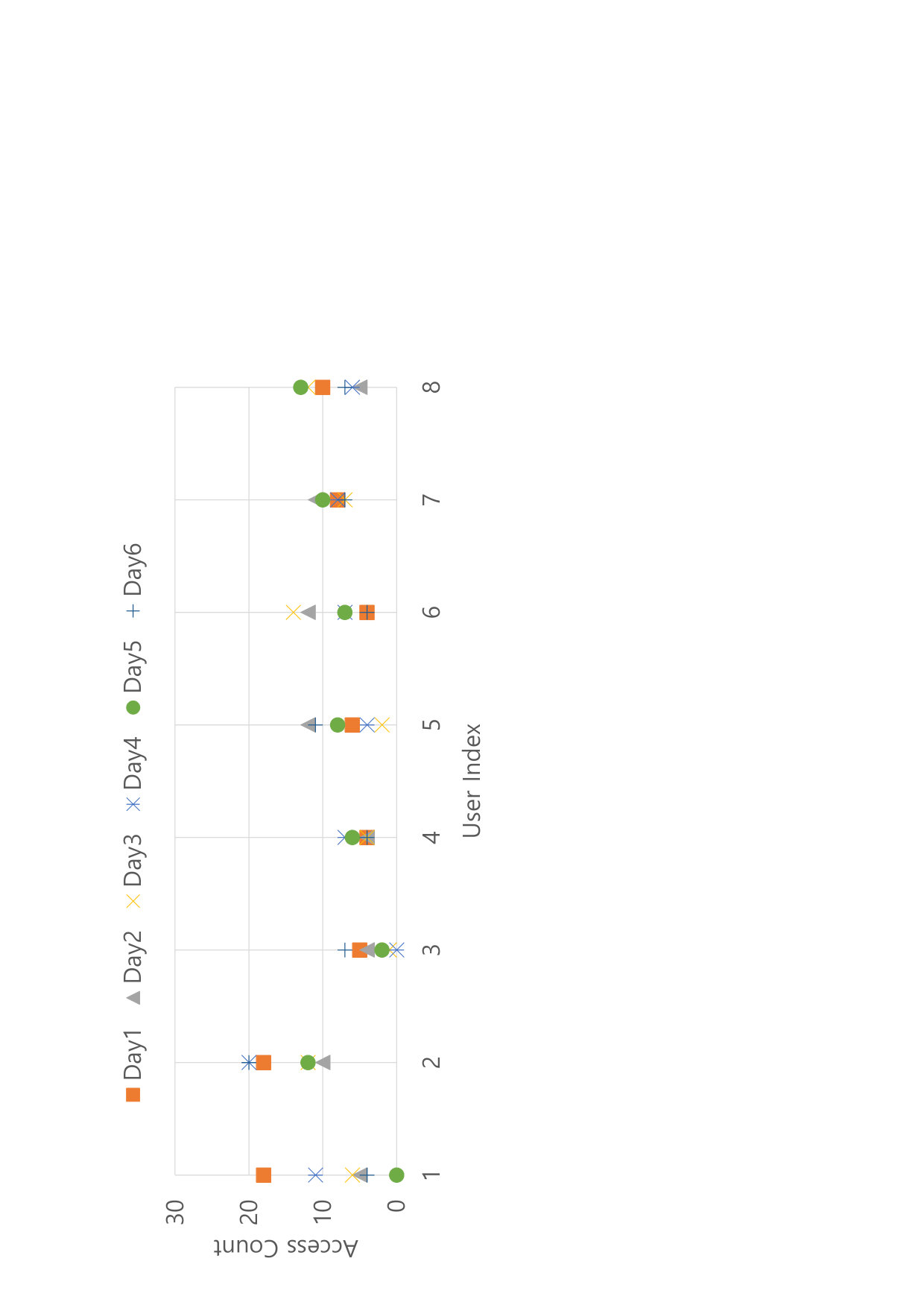 Figure 28
Peer Reviews
No public reviews on file for this paper yet. If you reviewed it on a platform where reviews are public (OpenReview, ICLR, NeurIPS, ICML), you can paste yours below so the community can read it here.
Videos
No videos yet. Explain this paper in a talk, walkthrough, or lecture? Add one.