Once in a blue moon: detection of 'bluing' during debris transits in the white dwarf WD1145+017
N. Hallakoun, S. Xu, D. Maoz, T. R. Marsh, V. D. Ivanov, V. S., Dhillon, M. C. P. Bours, S. G. Parsons, P. Kerry, S. Sharma, K. Su, S., Rengaswamy, P. Pravec, P. Ku\v{s}nir\'ak, H. Ku\v{c}\'akov\'a, J. D., Armstrong, C. Arnold, N. Gerard, L. Vanzi

TL;DR
This study reports the first detection of 'bluing' during transits of WD1145+017, revealing that circumstellar gas absorption decreases during transits, indicating a shared line-of-sight and a common disc structure.
Contribution
It provides the first multi-band photometric detection of color change during transits, linking gas absorption variability to transiting debris in a white dwarf system.
Findings
Bluing observed during transits, with up to -0.05 mag in u'-r' color.
Reduced circumstellar absorption during transits.
Gas, debris, and dust likely part of the same disc structure.
Abstract
The first transiting planetesimal orbiting a white dwarf was recently detected in K2 data of WD1145+017 and has been followed up intensively. The multiple, long, and variable transits suggest the transiting objects are dust clouds, probably produced by a disintegrating asteroid. In addition, the system contains circumstellar gas, evident by broad absorption lines, mostly in the u'-band, and a dust disc, indicated by an infrared excess. Here we present the first detection of a change in colour of WD1145+017 during transits, using simultaneous multi-band fast-photometry ULTRACAM measurements over the u'g'r'i'-bands. The observations reveal what appears to be 'bluing' during transits; transits are deeper in the redder bands, with a u'-r' colour difference of up to ~-0.05 mag. We explore various possible explanations for the bluing. 'Spectral' photometry obtained by integrating over…
Click any figure to enlarge with its caption.
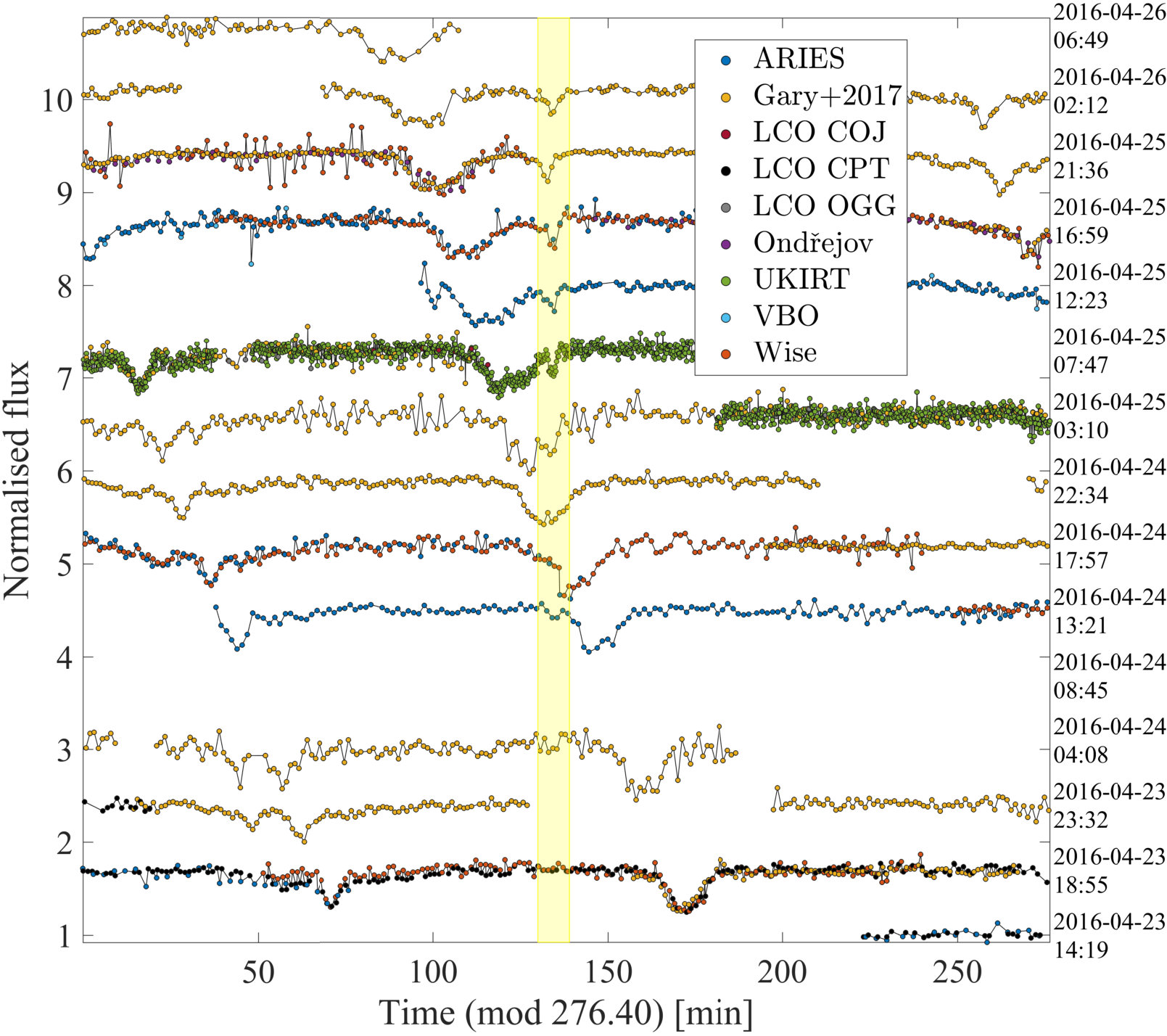 Figure 1
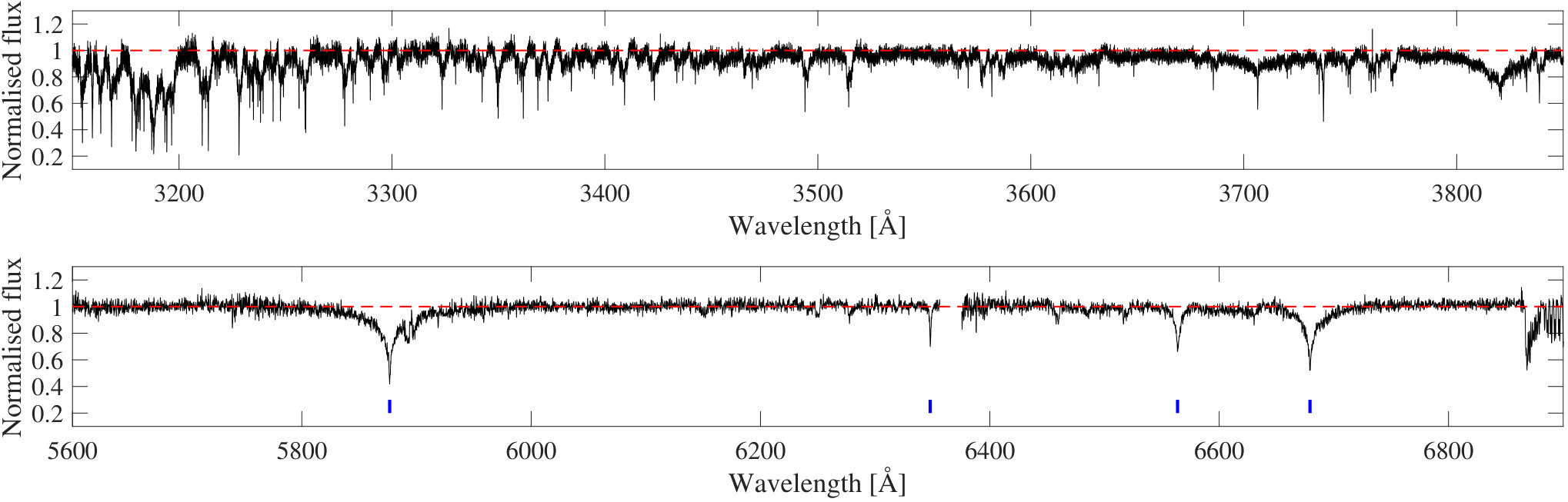 Figure 2
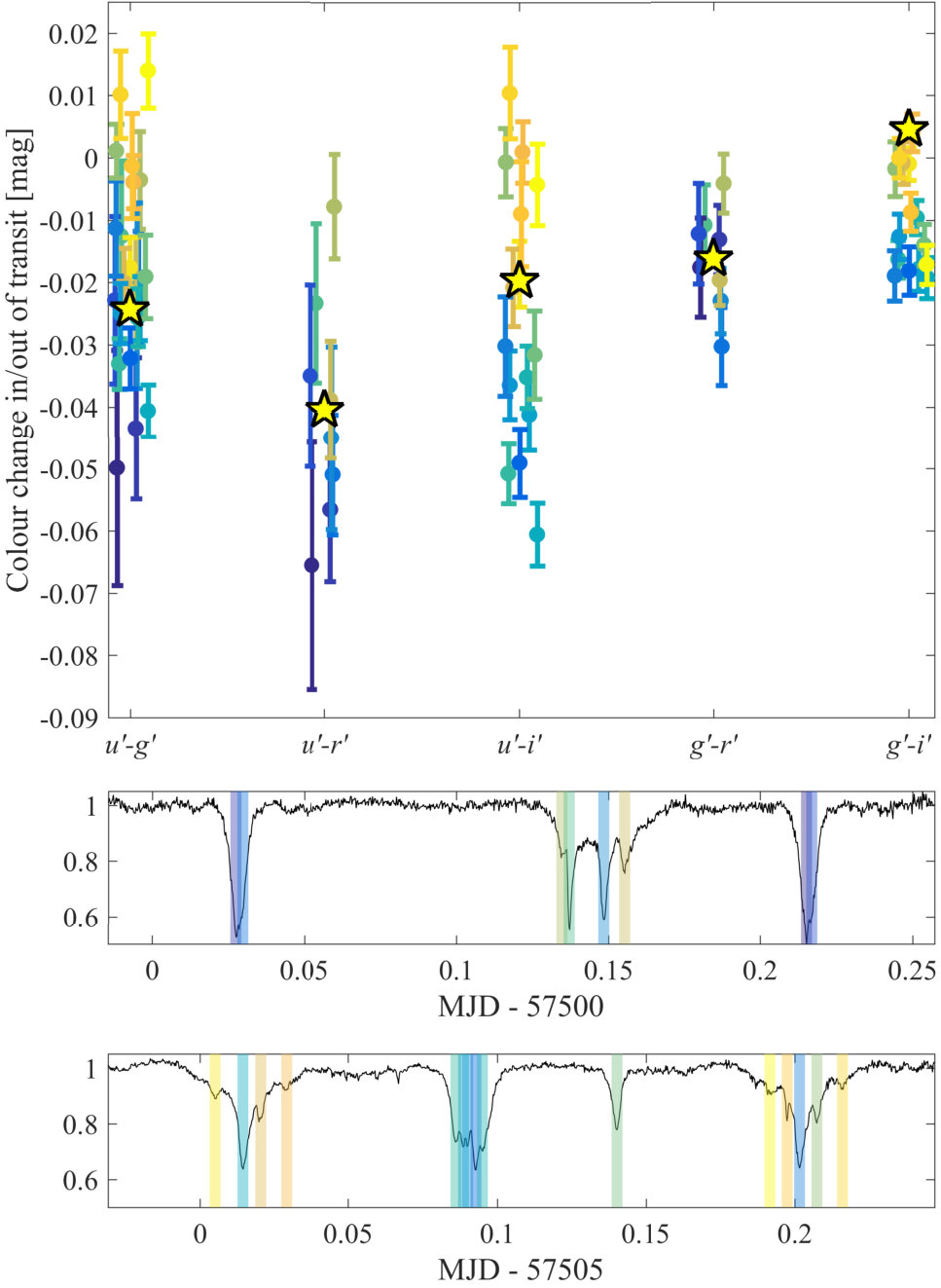 Figure 3
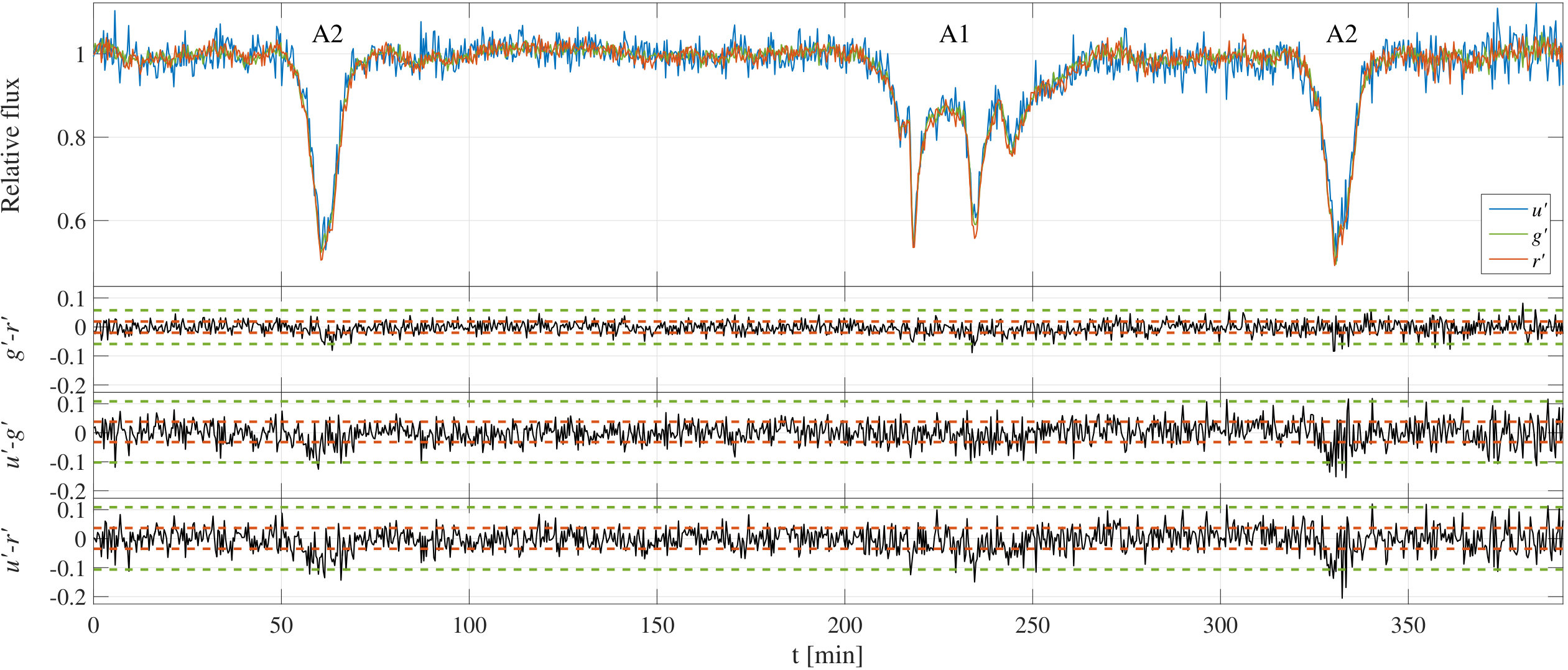 Figure 4
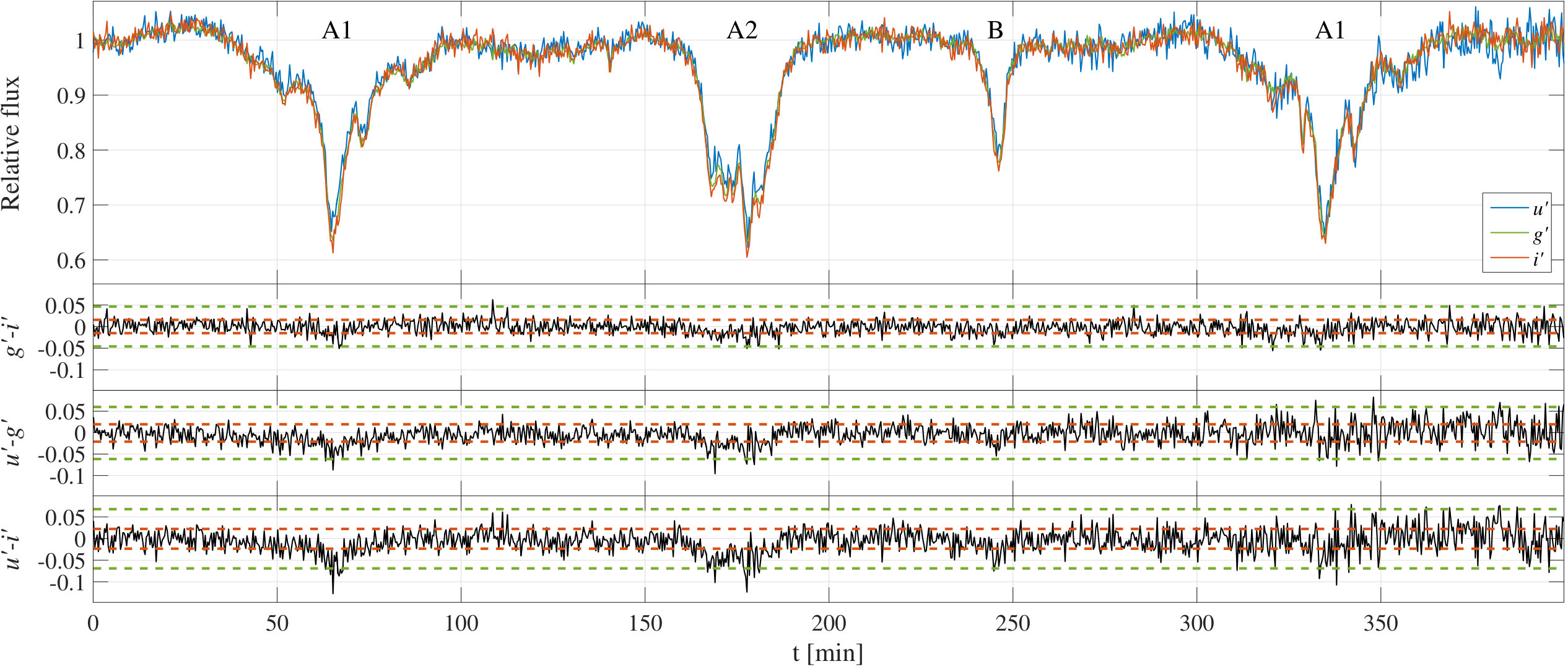 Figure 5
 Figure 6
 Figure 7
 Figure 8
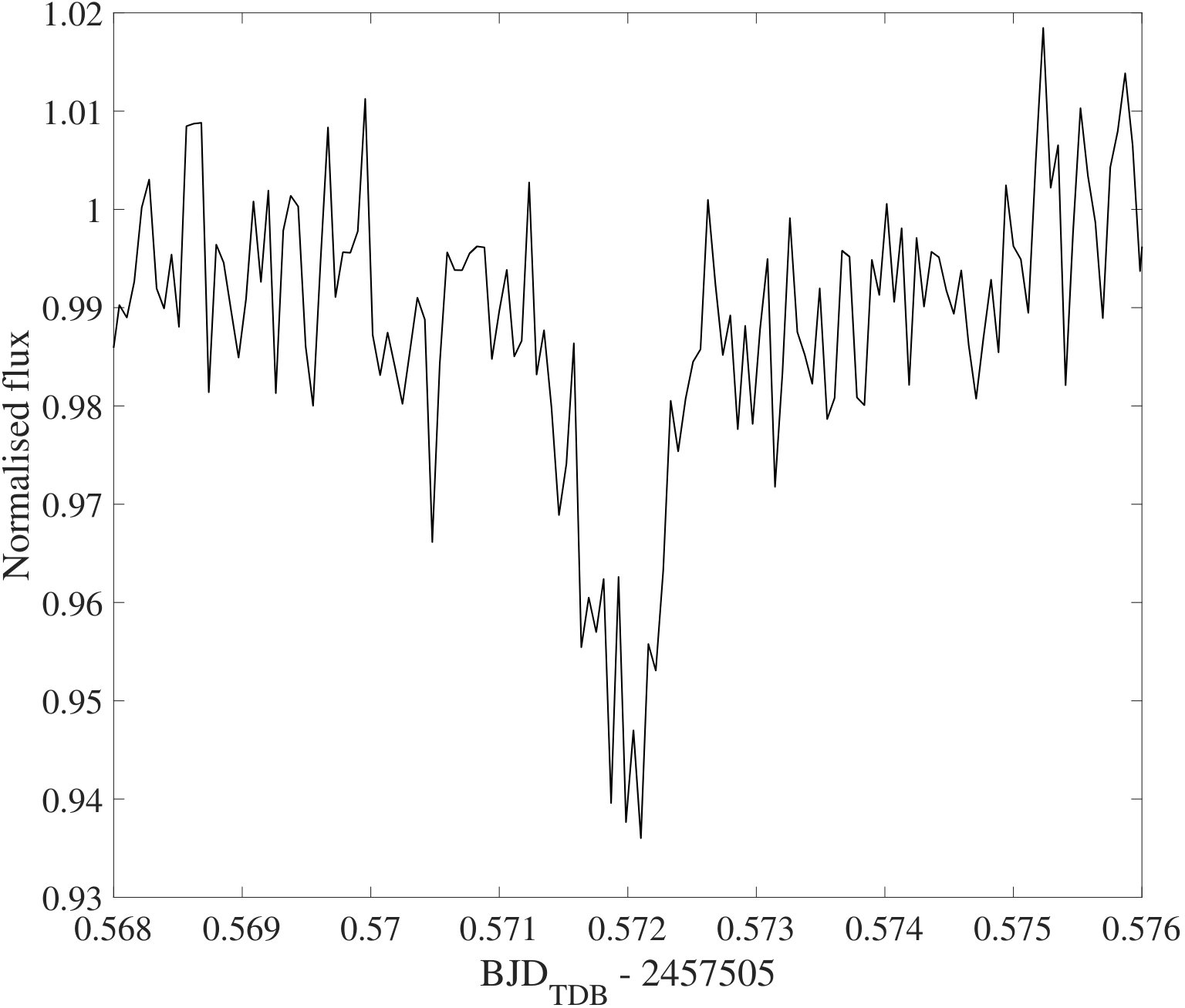 Figure 9
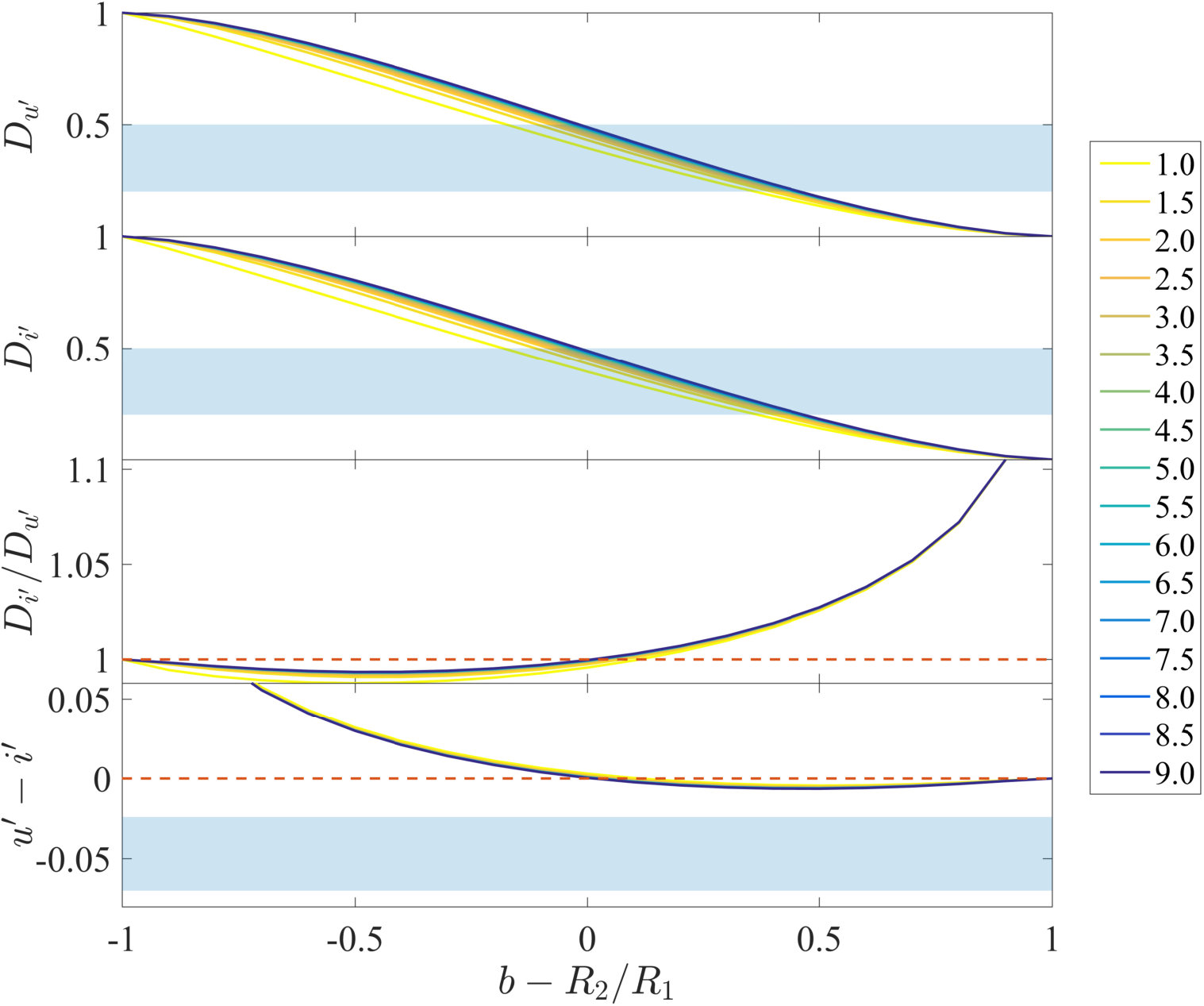 Figure 10
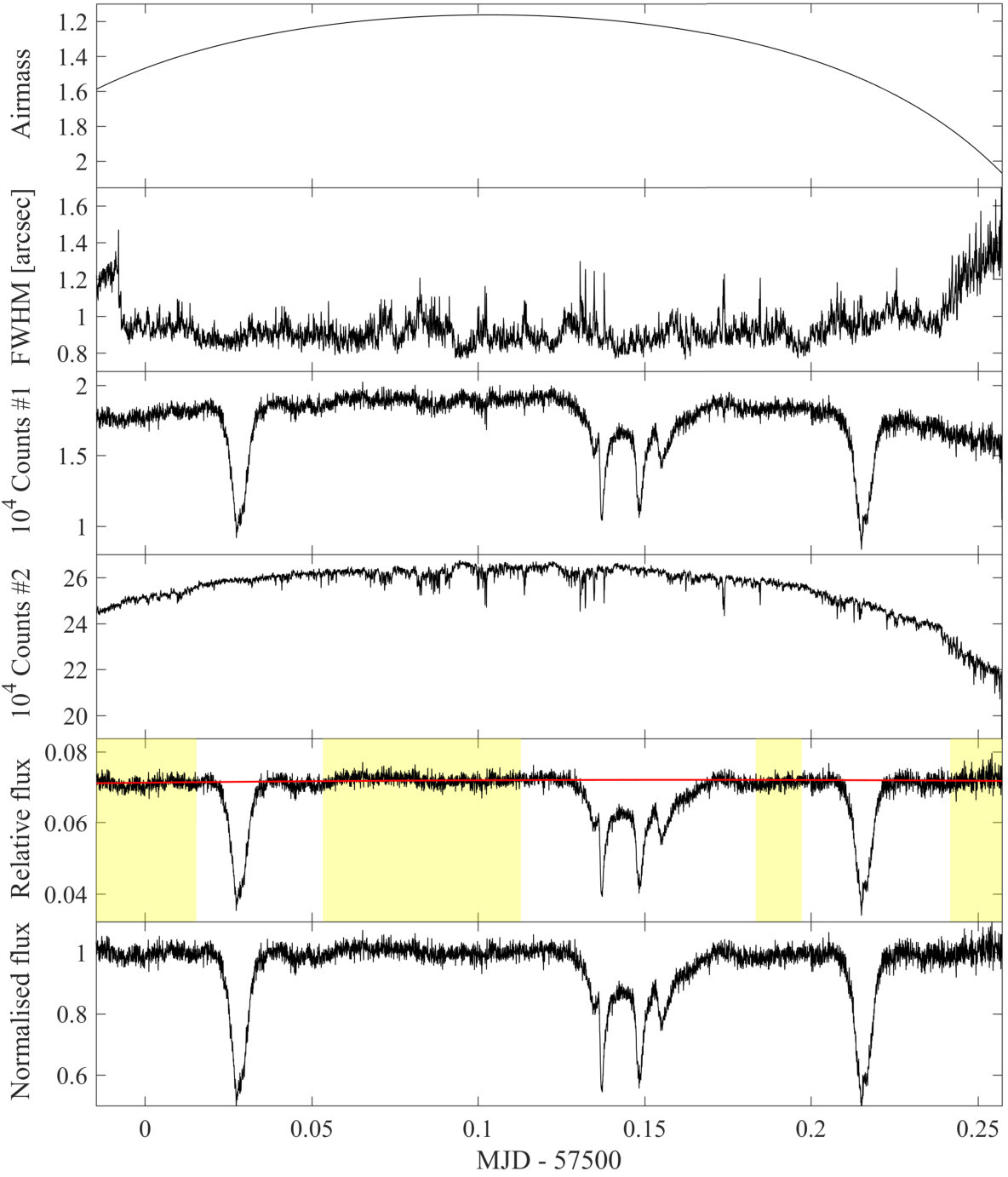 Figure 11
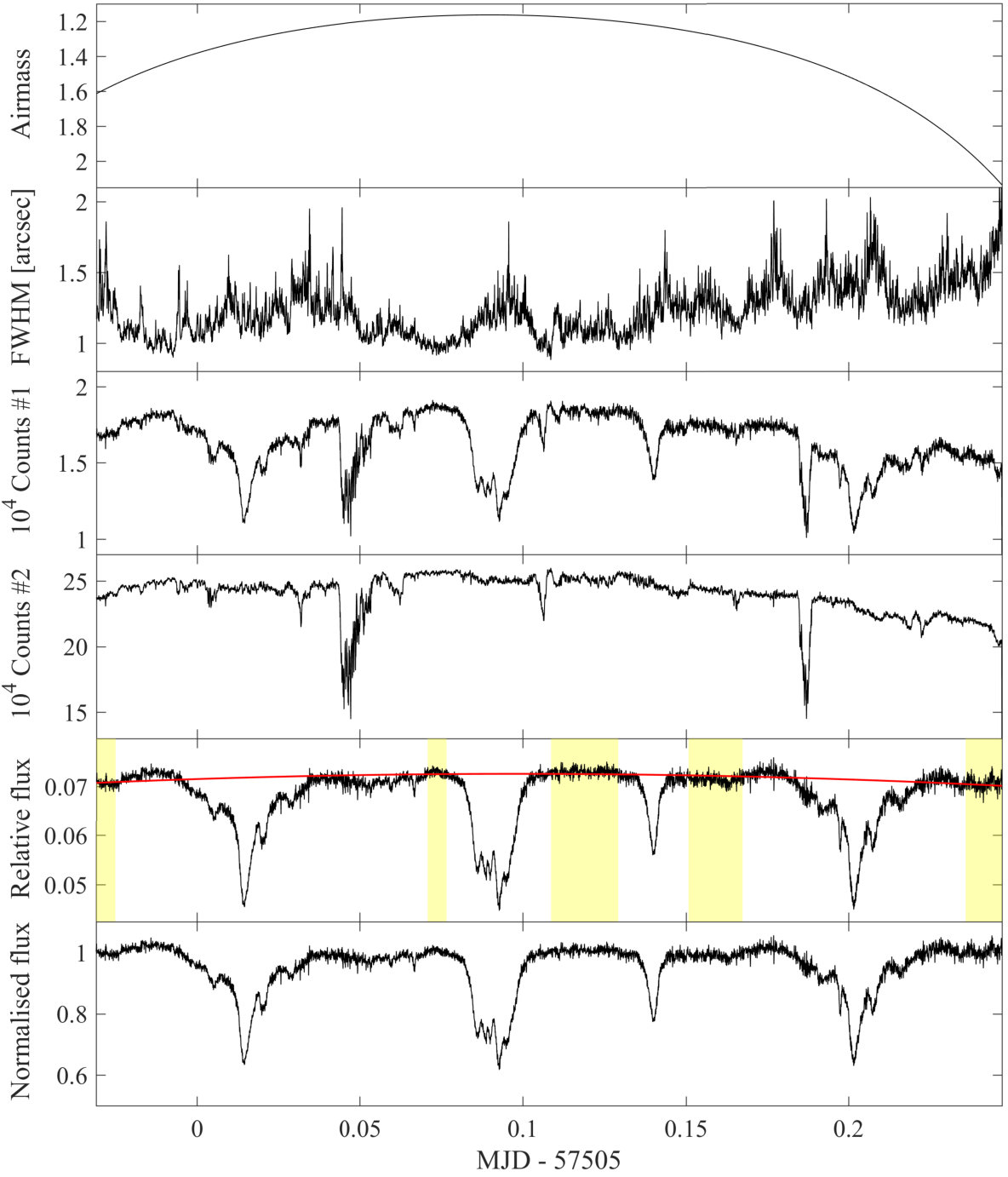 Figure 12
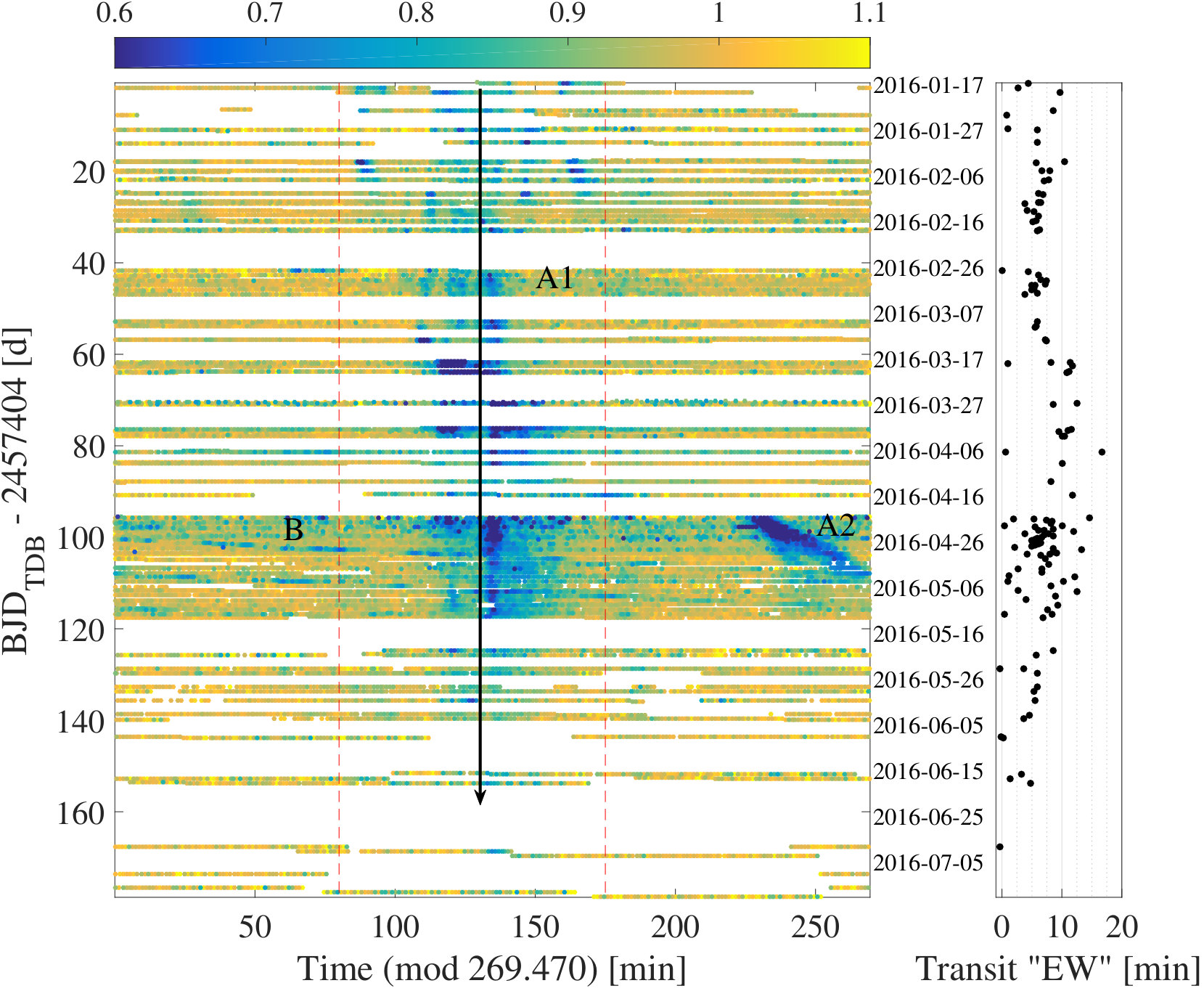 Figure 13
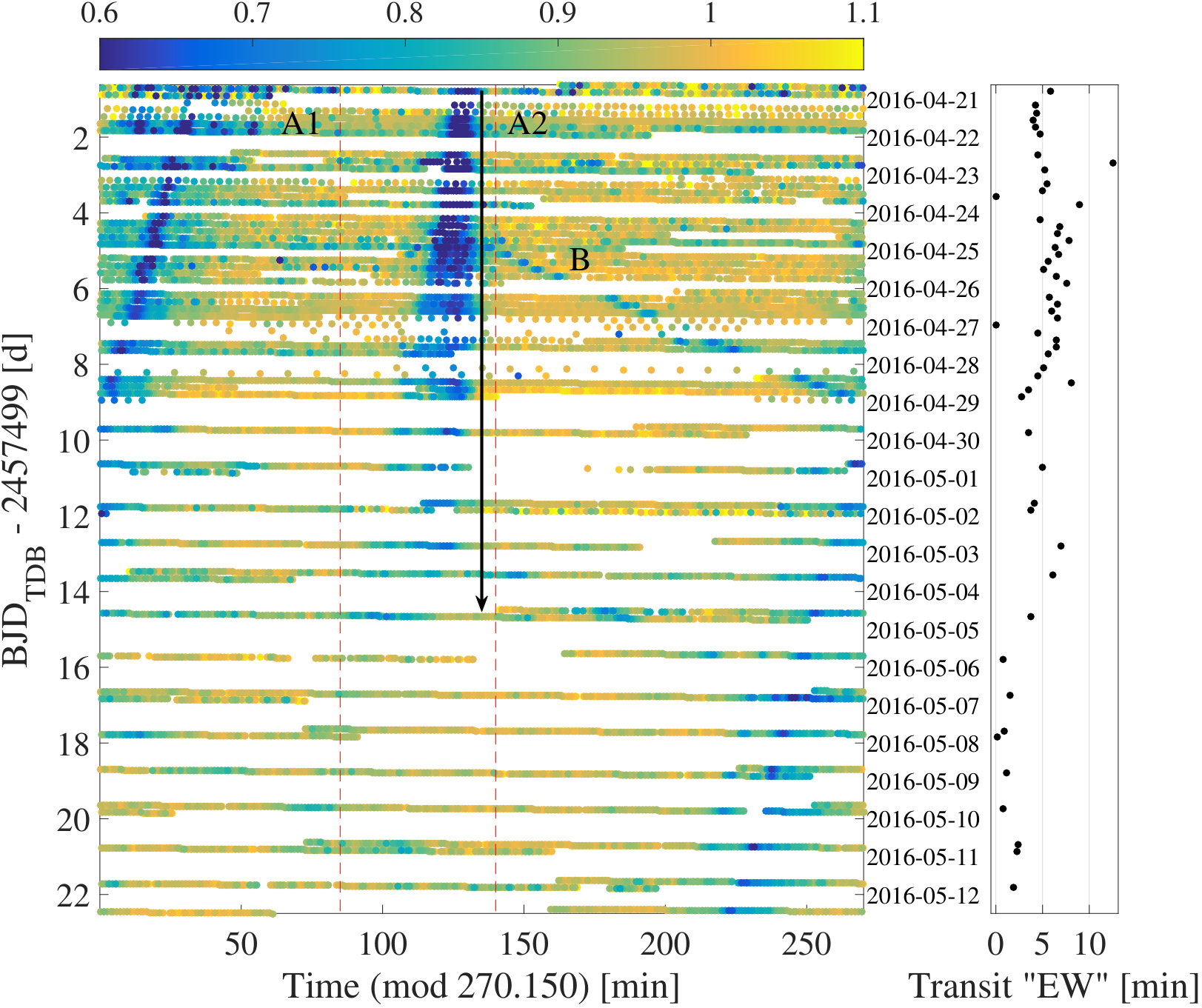 Figure 14
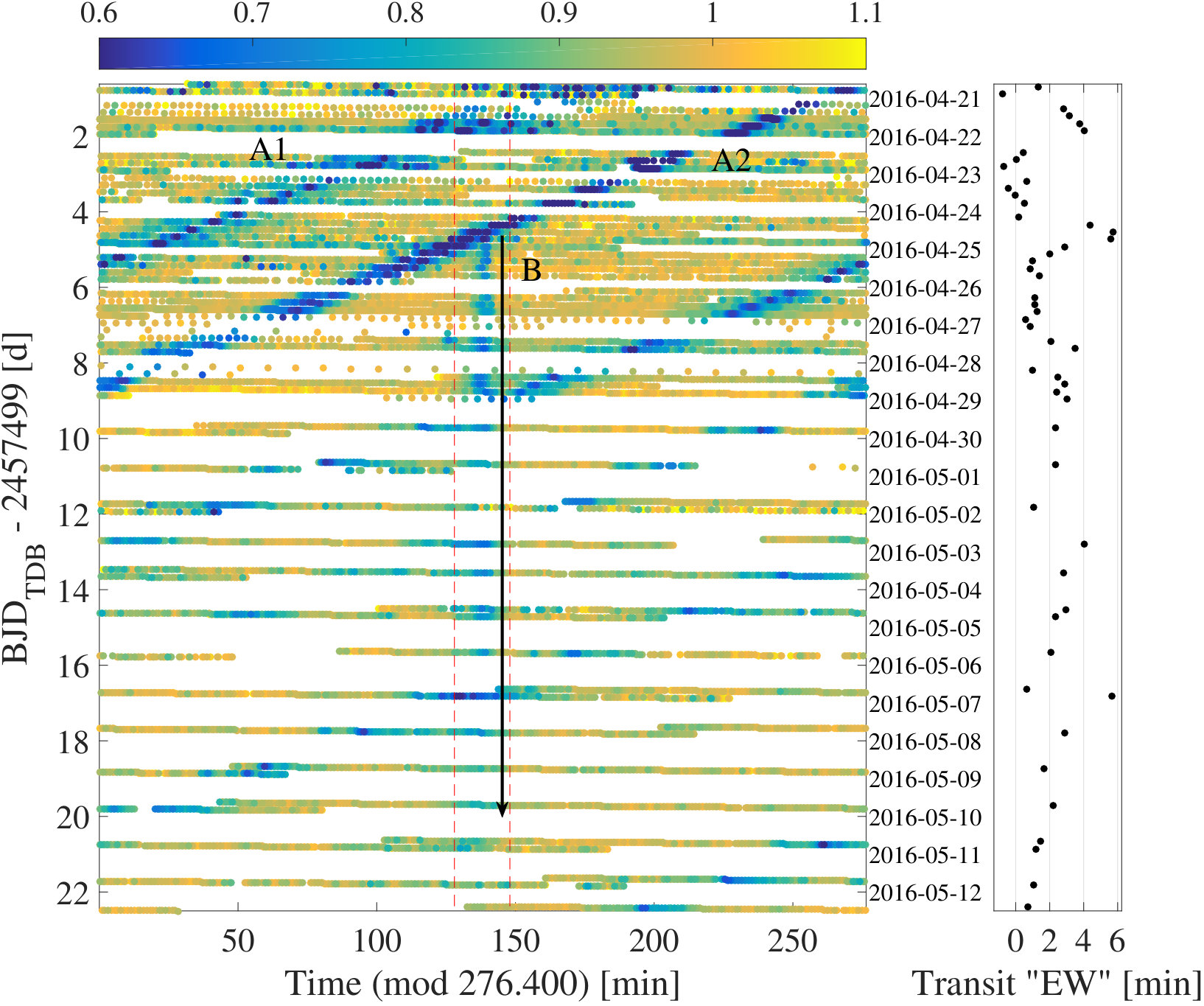 Figure 15
| Dip | Transit time (UT) | [min] | |||||
| A1 | 2016-04-22 | 02:59:44-04:08:55 | 69.2 | — | |||
| 2016-04-26/27 | 23:49:59-00:50:47 | 60.8 | — | ||||
| 2016-04-27 | 04:21:27-05:19:08 | 57.7 | — | ||||
| A2 | 2016-04-22 | 00:28:03-00:55:05 | 27.0 | — | |||
| 2016-04-22 | 04:58:25-05:20:54 | 22.5 | — | ||||
| 2016-04-27 | 01:49:55-02:28:42 | 38.8 | — | ||||
| B | 2016-04-27 | 03:14:25-03:28:04 | 13.6 | — | |||
Peer Reviews
No public reviews on file for this paper yet. If you reviewed it on a platform where reviews are public (OpenReview, ICLR, NeurIPS, ICML), you can paste yours below so the community can read it here.
Videos
No videos yet. Explain this paper in a talk, walkthrough, or lecture? Add one.
Once in a blue moon: detection of ‘bluing’ during debris transits in the white dwarf WD 1145+017
N. Hallakoun,1,2 S. Xu (许bsmi偲gbsn艺),2 D. Maoz,1 T. R. Marsh,3 V. D. Ivanov,4,2
V. S. Dhillon,5,6 M. C. P. Bours,7 S. G. Parsons,5 P. Kerry,5 S. Sharma,8 K. Su,9
S. Rengaswamy,10 P. Pravec,11 P. Kušnirák,11 H. Kučáková,12 J. D. Armstrong,13,14
C. Arnold,13 N. Gerard13 and L. Vanzi15
1School of Physics and Astronomy, Tel-Aviv University, Tel-Aviv 6997801, Israel
2European Southern Observatory, Karl-Schwarzschild-Straße 2, D-85748 Garching, Germany
3Department of Physics, University of Warwick, Coventry CV4 7AL, UK
4European Southern Observatory, Ave. Alonso de Córdova 3107, Vitacura, Santiago, Chile
5Department of Physics and Astronomy, University of Sheffield, Sheffield S3 7RH, UK
6Instituto de Astrofísica de Canarias, E-38205 La Laguna, Santa Cruz de Tenerife, Spain
7Departmento de Físico y Astronomía, Universidad de Valparaíso, Avenida Gran Bretaña 1111, Valparaíso, Chile
8Aryabhatta Research Institute of Observational Sciences, Nainital 263001, India
9Steward Observatory, University of Arizona, 933 North Cherry Avenue, Tucson, AZ 85721, USA
10Indian Institute of Astrophysics, Koramangala 2nd Block, Bengaluru 560034, India
11Astronomical Institute, Academy of Sciences of the Czech Republic, Fričova 1, 25165 Ondřejov, Czech Republic
12Astronomical Institute of the Charles University, Faculty of Mathemathics and Physics, V Holešovičkách 2, 180 00 Praha 8, Czech Republic
13University of Hawaii, Institute for Astronomy, 34 Ohia Ku Street, Pukalani, Hawaii 96768, USA
14Las Cumbres Observatory Global Telescope Network, Inc. 6740 Cortona Drive Suite 102, Goleta, CA 93117, USA
15
Department of Electrical Engineering and Center of Astro Engineering, Pontificia Universidad Católica de Chile, Av. Vicuña Mackenna 4860,
Santiago 7820436, Chile E-mail: [email protected]
(Accepted XXX. Received YYY; in original form ZZZ)
Abstract
The first transiting planetesimal orbiting a white dwarf was recently detected in K2 data of WD 1145+017 and has been followed up intensively. The multiple, long, and variable transits suggest the transiting objects are dust clouds, probably produced by a disintegrating asteroid. In addition, the system contains circumstellar gas, evident by broad absorption lines, mostly in the u’-band, and a dust disc, indicated by an infrared excess. Here we present the first detection of a change in colour of WD 1145+017 during transits, using simultaneous multi-band fast-photometry ULTRACAM measurements over the u’g’r’i’-bands. The observations reveal what appears to be ‘bluing’ during transits; transits are deeper in the redder bands, with a colour difference of up to mag. We explore various possible explanations for the bluing. ‘Spectral’ photometry obtained by integrating over bandpasses in the spectroscopic data in- and out-of-transit, compared to the photometric data, shows that the observed colour difference is most likely the result of reduced circumstellar absorption in the spectrum during transits. This indicates that the transiting objects and the gas share the same line-of-sight, and that the gas covers the white dwarf only partially, as would be expected if the gas, the transiting debris, and the dust emitting the infrared excess, are part of the same general disc structure (although possibly at different radii). In addition, we present the results of a week-long monitoring campaign of the system.
keywords:
stars: individual: WD 1145+017 – white dwarfs – minor planets, asteroids: general – techniques: photometric – eclipses
††pubyear: 2017††pagerange: Once in a blue moon: detection of ‘bluing’ during debris transits in the white dwarf WD 1145+017–B
1 Introduction
Over 95 per cent of all stars will end their lives as white dwarfs (WDs; Althaus et al., 2010). As the majority of Sun-like stars host planets (e.g. Winn & Fabrycky, 2015; Shvartzvald et al., 2016), the fate of planetary systems can be studied by examining the immediate surroundings of WDs (Veras, 2016). Recent studies show that about 25-50 per cent of all WDs exhibit ‘pollution’ – traces of heavy elements in their atmospheres (Zuckerman et al., 2003, 2010; Koester et al., 2014). The most heavily polluted WDs also have dust discs within their tidal radii, indicated by excess infrared (IR) radiation emitted by the dust, which feed the host WD with heavy elements (e.g. Kilic et al., 2006). Since the strong surface gravity of a WD causes all heavy elements to settle quickly below the photosphere, pollution in WDs cooler than K is a strong indication for external accretion, likely from planetary debris (Jura, 2003; Koester et al., 2014). However, the object (or objects) supplying the accreting material, until recently, had not been directly observed.
Recently, the first direct evidence of a planetary-mass body orbiting a WD was found using data from the Kepler extended mission (K2) (Vanderburg et al., 2015). The light curves of WD 1145+017 acquired from K2 and from follow-up observations revealed multiple transit events with varying durations, depths, and shapes, interpreted to indicate the presence of a disintegrating asteroid orbiting the WD (Vanderburg et al., 2015; Croll et al., 2017; Gänsicke et al., 2016; Rappaport et al., 2016; Alonso et al., 2016; Zhou et al., 2016; Gary et al., 2017). The transits exhibit several features which suggest that they are caused by dust clouds emitted by the asteroidal fragments, rather than by the fragments themselves: The transit durations ( min) are longer than expected for a solid object ( min); the shape of the transits is asymmetric; and the transit depths are variable and large ( per cent). Although the K2 light curve has shown six stable periods, ranging from to hours, the follow-up observations have detected only the shortest, h, period (with the exception of Gary et al. 2017, see Appendix B). Recent simulations suggest a differentiated parent asteroid orbiting within the tidal disruption radius for mantle-density material (Veras et al., 2017). The light curve changes on a daily basis, completely altering its appearance after a few months, indicating the system is rapidly evolving.
High-resolution spectroscopic observations of the system revealed photospheric absorption lines from 11 heavy elements (Xu et al., 2016), showing that the WD belongs to the ‘polluted’ class that is actively accreting circumstellar material. The composition of the accreted material is similar to that of rocky objects within the solar system. Consistent with its heavily polluted atmosphere, this system also shows near-IR (NIR) excess from a dust disc (Vanderburg et al., 2015). In addition, WD 1145+017 is surrounded by circumstellar gas, evident by numerous, unusually broad ( km s*-1*), absorption lines in its spectrum (Xu et al., 2016). The overall shape of the circumstellar lines changes on a monthly timescale and their depths can also change during transits (Redfield et al., 2016, Xu et al., in preparation).
Since the transiting debris111By ‘debris’ we mean the solid material, whether planetesimals or large dust grains, that produces the transits. The relation is still not clear between this material and the ‘dust disc’ whose presence has been deduced from the NIR excess in this object (Vanderburg et al., 2015). may consist of particles small enough to be called ‘dust’, and dust extinction depends on the grain-size to wavelength ratio and on the grain composition (Bohren & Huffman, 1983), simultaneous monitoring in different bands might reveal its properties. Previous studies have not found a significant dependence of transit depth on wavelength, thus constraining the grain size to m (Croll et al., 2017; Alonso et al., 2016; Zhou et al., 2016). In this paper we present the first detection of colour changes during transit in the light curve of WD 1145+017, using multi-band fast-photometry obtained simultaneously in the u’- g’- and r’/i’-bands. Surprisingly, the light curves feature ‘bluing’, rather than reddening, during transits (i.e. transits are deeper in the redder bands than in the u’-band). The ULTRACAM observations are presented in Section 2. In Section 3 we explore possible explanations for this phenomenon, and in Section 4 we discuss the implications on the configuration of the system. Appendix A provides more details regarding the observing conditions during the ULTRACAM run. Appendix B presents the light curve evolution, as observed during our week-long observing campaign by a collection of telescopes around the globe, combined with the months-long light curve provided by Gary et al. (2017).
2 ULTRACAM observations and data analysis
We obtained multi-band fast photometry using ULTRACAM (Dhillon et al., 2007), a visitor instrument mounted on the European Southern Observatory (ESO) 3.6 m New Technology Telescope (NTT) at the La Silla Observatory, Chile, under Programme 097.C-0829 (PI: Hallakoun). Due to the weather conditions we were able to observe only on two of our six awarded nights (2016 April 21 and 26), covering almost 1.5 cycles ( h) each night. Although there were some passing clouds during the observations, they were mostly out-of-transit and did not have a significant effect on the shape of the light curve due to the relative nature of the observations (see Appendix A, which also describes the observational errors, for details). ULTRACAM is a high-speed camera capable of obtaining fast photometry of faint objects in three bands simultaneously with a negligible dead time ( ms) between exposures. We used SDSS u’, g’, and r’ filters on the first night, and u’, g’, and i’ filters on the second night. The CCD was windowed to achieve 5 s exposure times in the slow readout mode (except in the u’-band, where 10 s exposures were obtained). The data were bias and flat-field corrected using the UTLRACAM pipeline (Dhillon et al., 2007), which was then used to obtain aperture photometry of the target, using a nearby star as a reference. The light curve in each band was divided by a parabolic fit to its out-of-transit parts, to eliminate any systematics due to atmospheric extinction in the presence of colour differences between the WD and the reference star. Only the most featureless parts of the light curves were chosen as the out-of-transit intervals (see Figs 9 and 10). The same intervals were used in all bands. The aperture size was scaled according to the varying full width at half-maximum of the stellar profile. Figs 1 and 2 show the reduced differential photometry from the two nights.
The reference list from the paper itself. Each links out to its DOI / PubMed record.
- 1Alonso et al. (2016) Alonso R., Rappaport S., Deeg H. J., Palle E., 2016, A&A , 589, L 6 · doi ↗
- 2Althaus et al. (2010) Althaus L. G., Córsico A. H., Isern J., García-Berro E., 2010, A&A Rv , 18, 471 · doi ↗
- 3Bohren & Huffman (1983) Bohren C. F., Huffman D. R., 1983, Absorption and scattering of light by small particles
- 4Brogi et al. (2012) Brogi M., Keller C. U., de Juan Ovelar M., Kenworthy M. A., de Kok R. J., Min M., Snellen I. A. G., 2012, A&A , 545, L 5 · doi ↗
- 5Croll et al. (2014) Croll B., et al., 2014, Ap J , 786, 100 · doi ↗
- 6Croll et al. (2017) Croll B., et al., 2017, Ap J , 836, 82 · doi ↗
- 7Dhillon et al. (2007) Dhillon V. S., et al., 2007, MNRAS , 378, 825 · doi ↗
- 8Draine (2003) Draine B. T., 2003, Ap J , 598, 1026 · doi ↗