Identification of Radiopure Titanium for the LZ Dark Matter Experiment and Future Rare Event Searches
D.S. Akerib, C.W. Akerlof, D. Yu. Akimov, S.K. Alsum, H.M. Ara\'ujo,, I.J. Arnquist, M. Arthurs, X. Bai, A.J. Bailey, J. Balajthy, S. Balashov,, M.J. Barry, J. Belle, P. Beltrame, T. Benson, E.P. Bernard, A. Bernstein,, T.P. Biesiadzinski, K.E. Boast, A. Bolozdynya, B. Boxer

TL;DR
This study identifies and characterizes radiopure titanium with extremely low radioactivity levels suitable for constructing the LZ dark matter detector cryostat, significantly reducing background noise in rare event searches.
Contribution
The paper reports the selection and detailed radioassay of titanium with unprecedented low radioactivity levels for use in dark matter detectors, enabling improved sensitivity in rare event searches.
Findings
Titanium with record low radioactivity levels was identified.
Monte Carlo simulations show minimal background contribution from the titanium cryostat.
The low-radioactivity titanium enables more sensitive future dark matter experiments.
Abstract
The LUX-ZEPLIN (LZ) experiment will search for dark matter particle interactions with a detector containing a total of 10 tonnes of liquid xenon within a double-vessel cryostat. The large mass and proximity of the cryostat to the active detector volume demand the use of material with extremely low intrinsic radioactivity. We report on the radioassay campaign conducted to identify suitable metals, the determination of factors limiting radiopure production, and the selection of titanium for construction of the LZ cryostat and other detector components. This titanium has been measured with activities of U~1.6~mBq/kg, U~0.09~mBq/kg, Th~~mBq/kg, Th~~mBq/kg, K~0.54~mBq/kg, and Co~0.02~mBq/kg (68\% CL). Such low intrinsic activities, which are some of the lowest ever reported for…
Click any figure to enlarge with its caption.
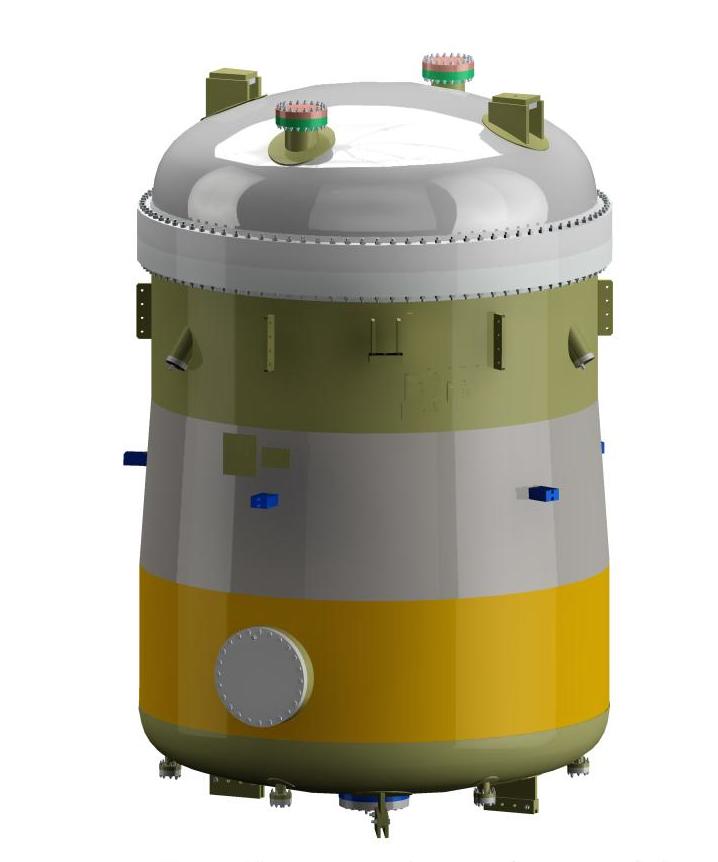 Figure 1
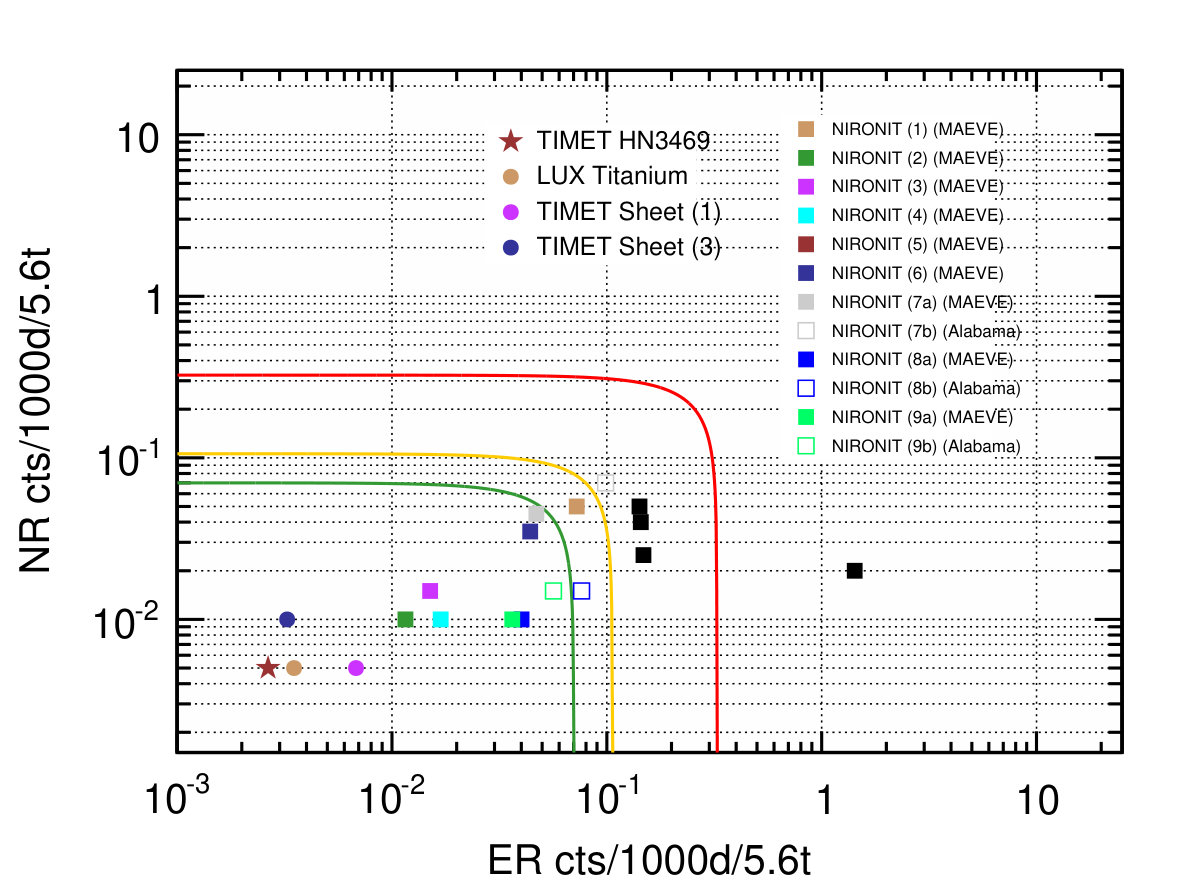 Figure 2
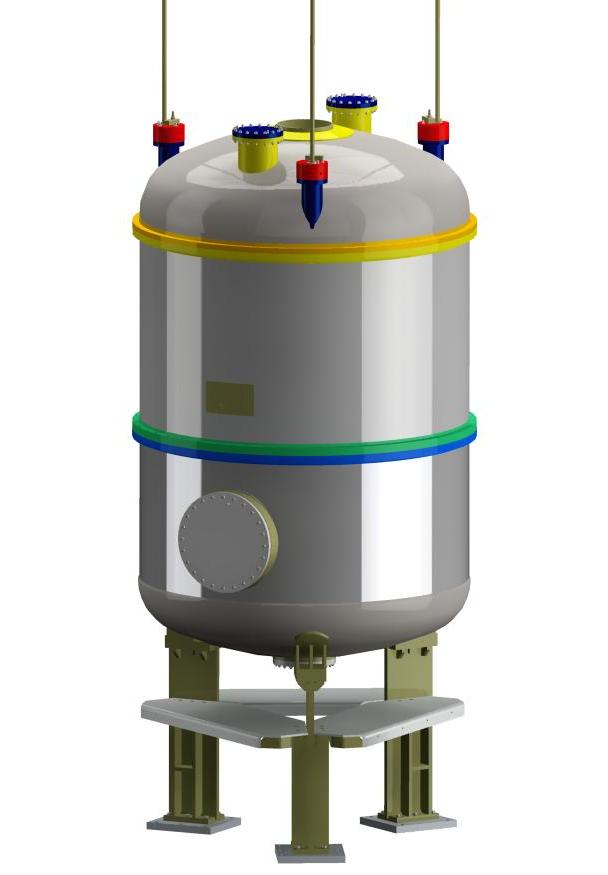 Figure 3
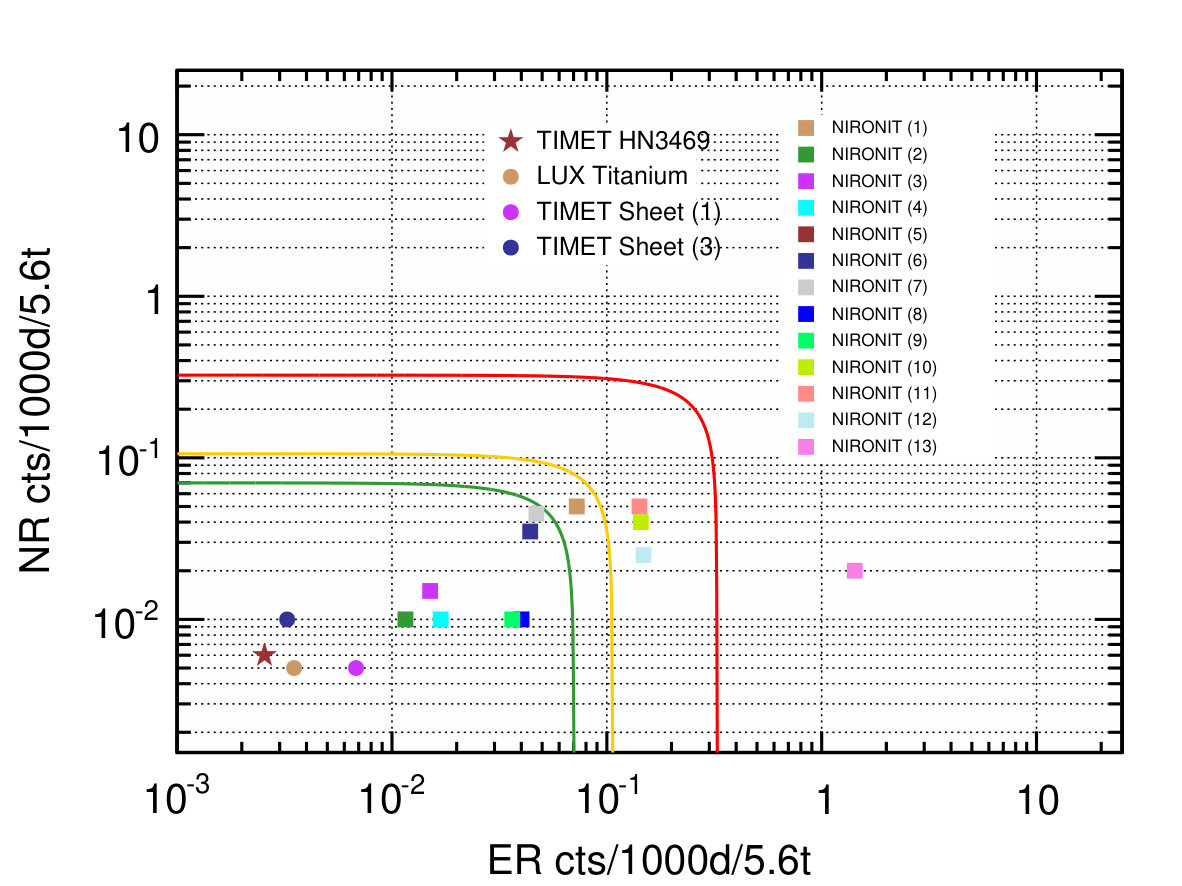 Figure 4
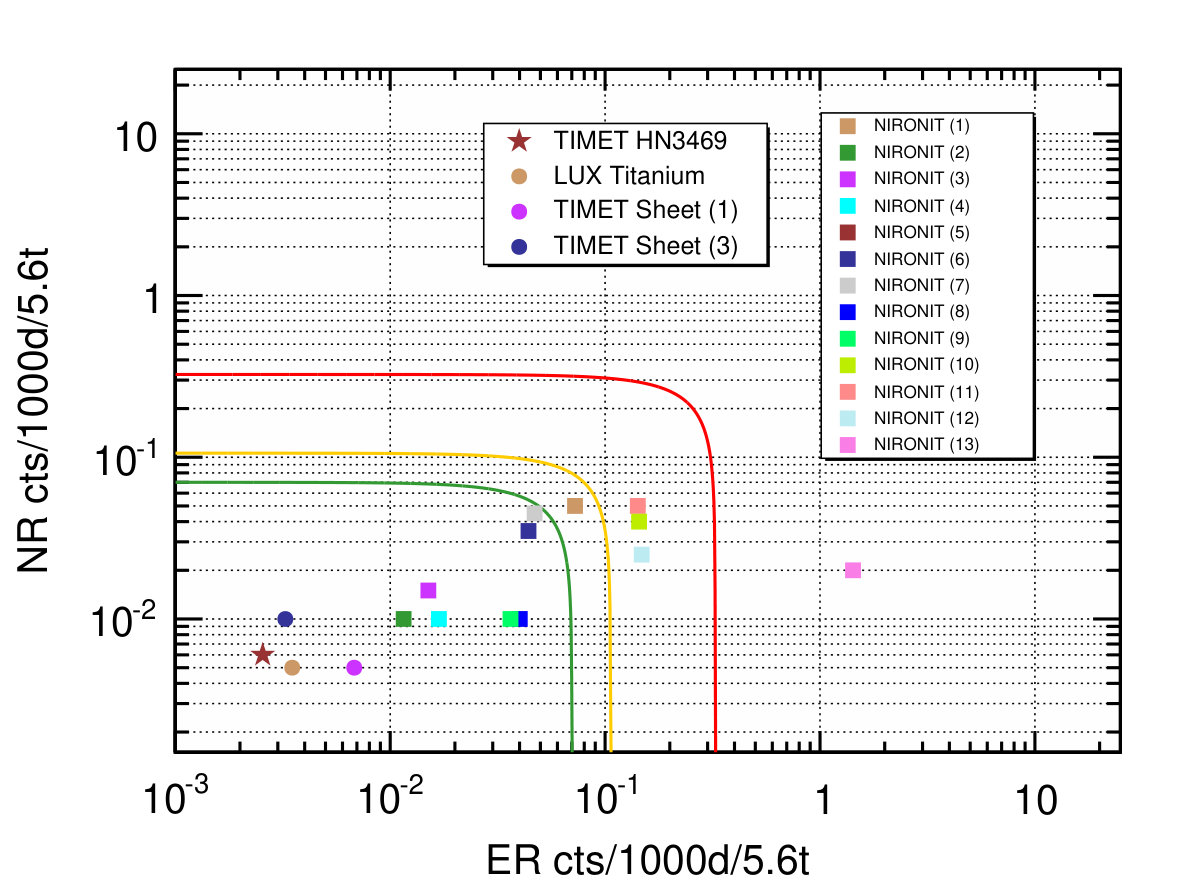 Figure 5
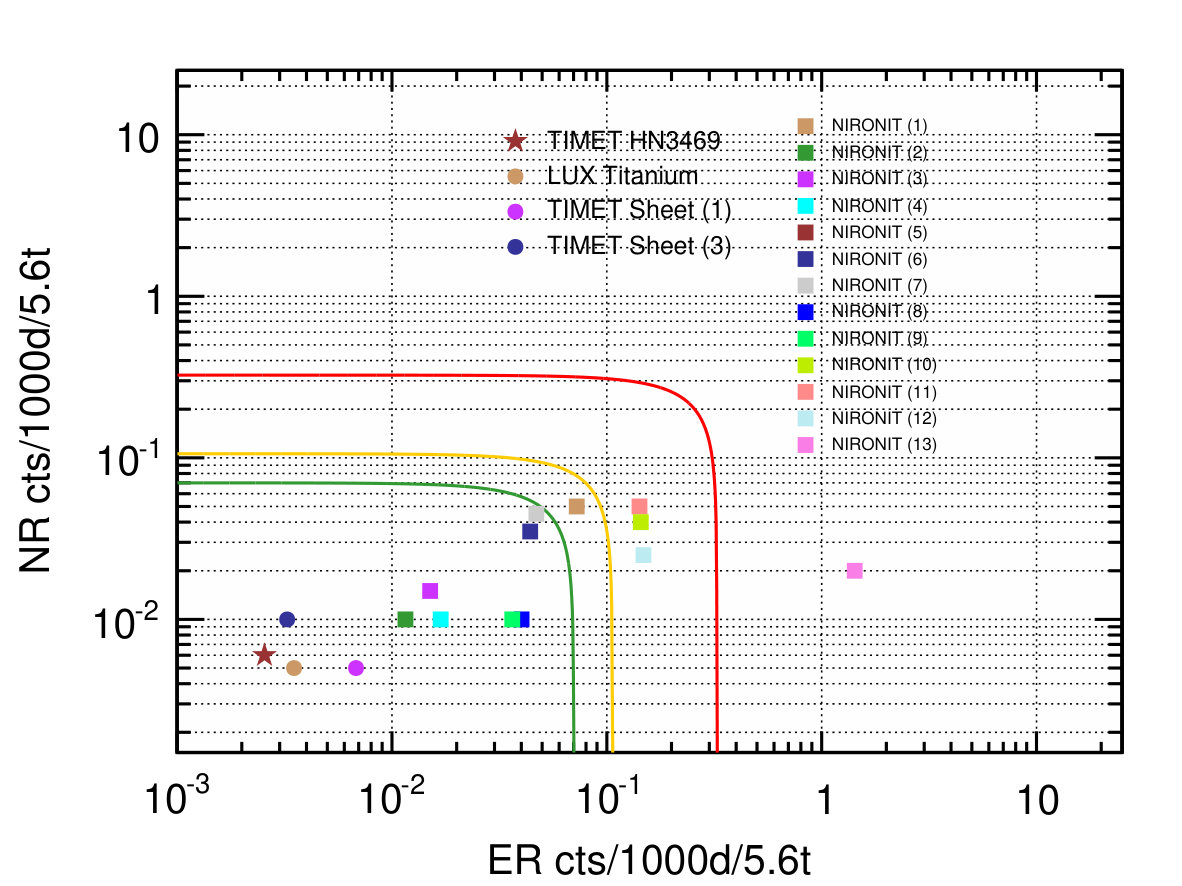 Figure 6
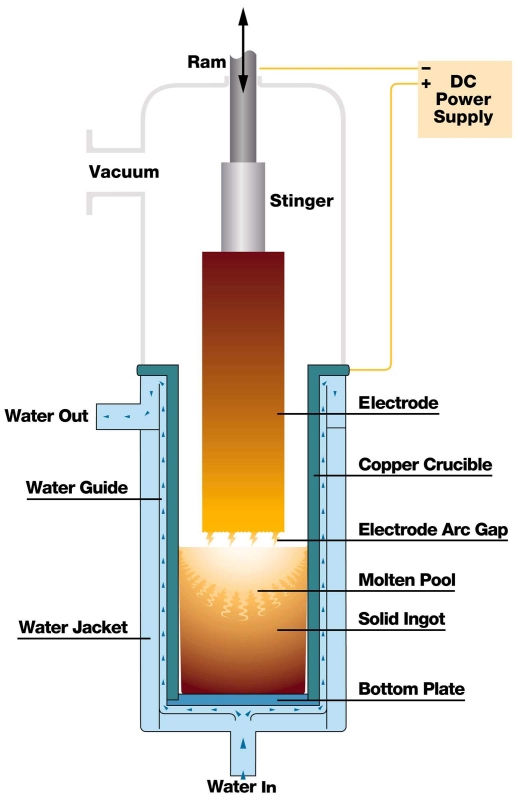 Figure 7
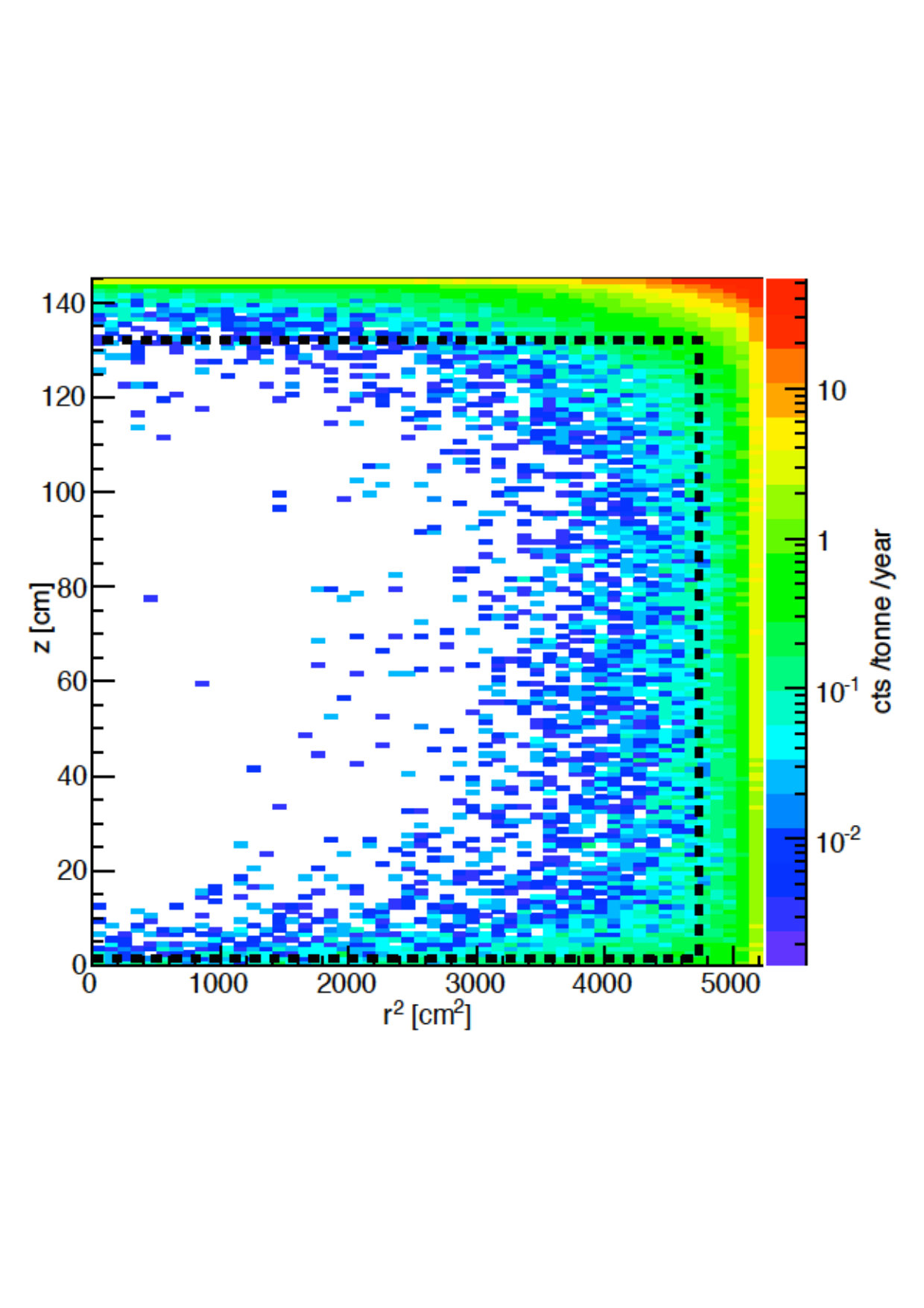 Figure 8
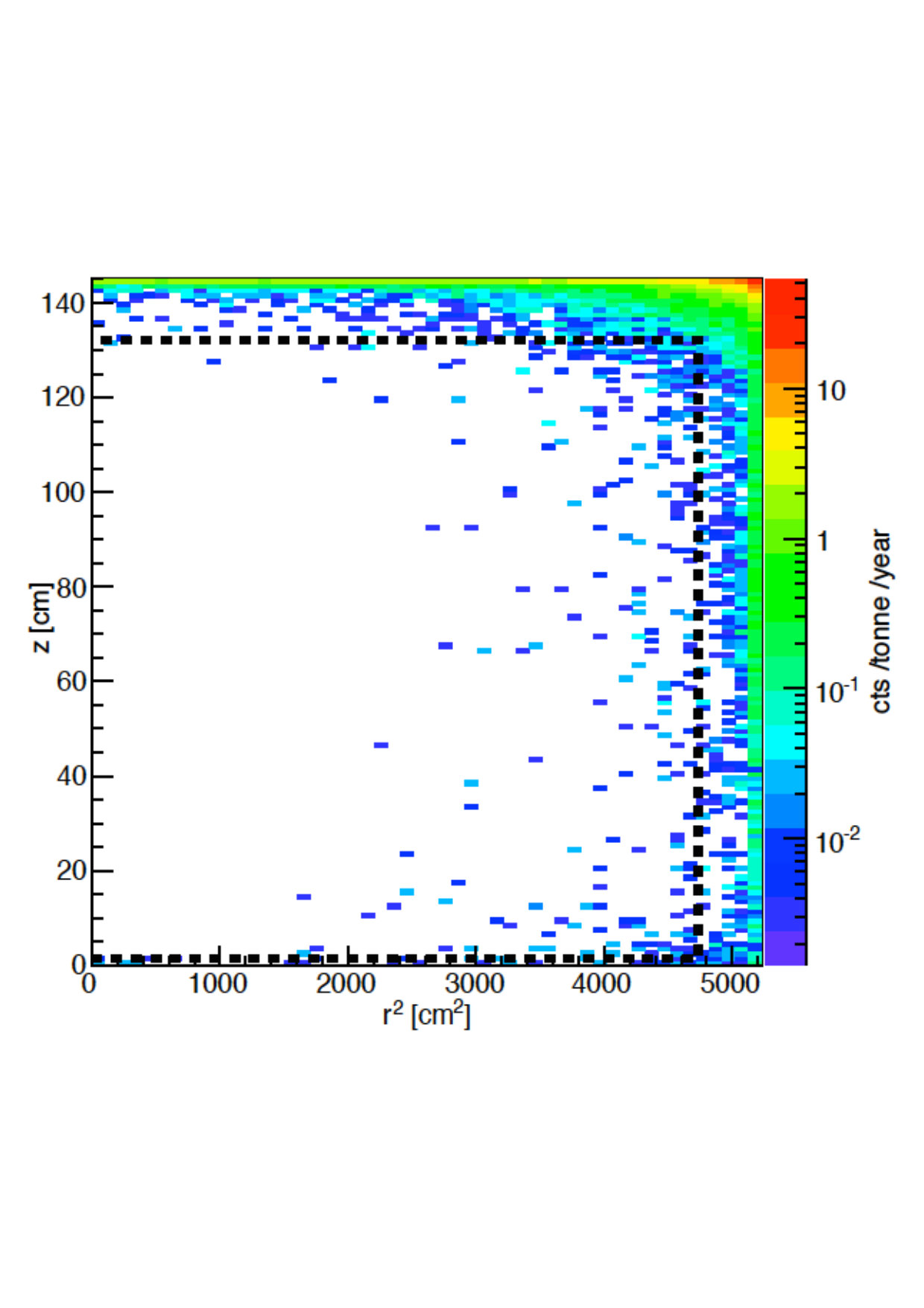 Figure 9
Peer Reviews
No public reviews on file for this paper yet. If you reviewed it on a platform where reviews are public (OpenReview, ICLR, NeurIPS, ICML), you can paste yours below so the community can read it here.
Videos
No videos yet. Explain this paper in a talk, walkthrough, or lecture? Add one.