Measurements of $\phi_s$ at the LHCb experiment
Greig A. Cowan

TL;DR
This paper reviews the current status of $\,phi_s$ CP-violation measurements at LHCb, introduces a new decay mode observation, and discusses future improvements in measurement precision with larger data samples.
Contribution
It reports the first observation of the $B_s^0\to\eta_c\phi$ decay mode and discusses how future data will enhance $\,phi_s$ measurement accuracy.
Findings
Observation of $B_s^0\to\eta_c\phi$ decay mode
Current measurements align with Standard Model expectations
Future data will significantly improve measurement precision
Abstract
These proceedings present the current status of measurements of the CP-violating phase by the LHCb collaboration, reviewing the measurements in channels such as , and . The observation of the decay mode is presented for the first time, which can be used to measure with larger data samples that will be collected over the coming years by the LHCb experiment. Finally, the expected increase in precision from LHCb measurements of over the next decade is presented.
Click any figure to enlarge with its caption.
 Figure 1
 Figure 2
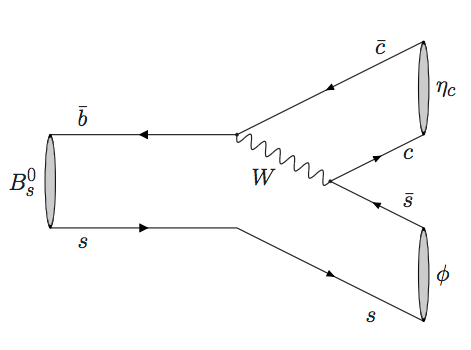 Figure 1
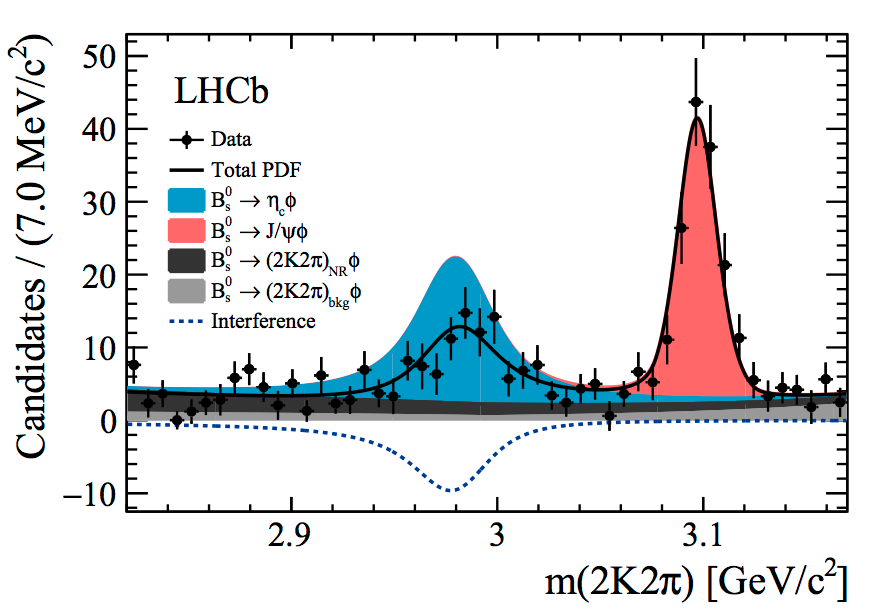 Figure 2
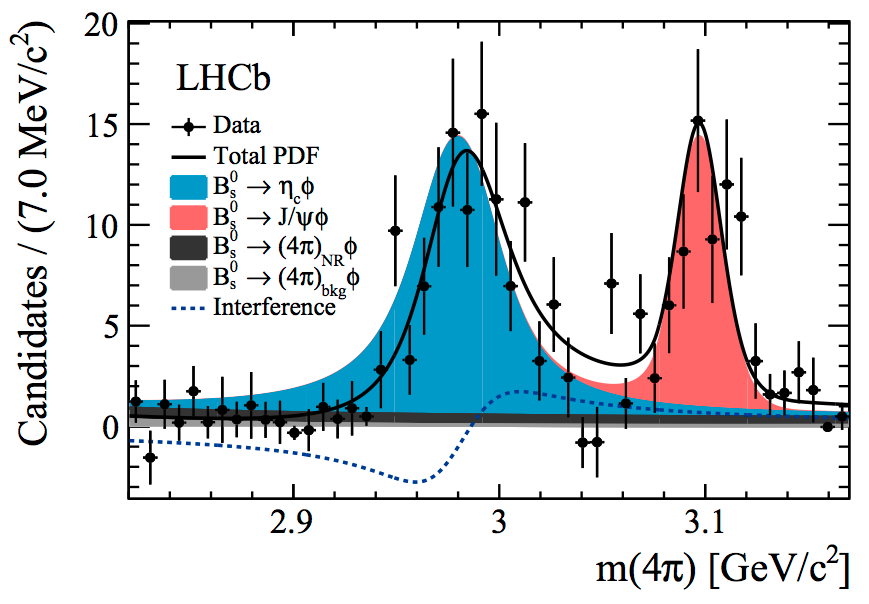 Figure 2
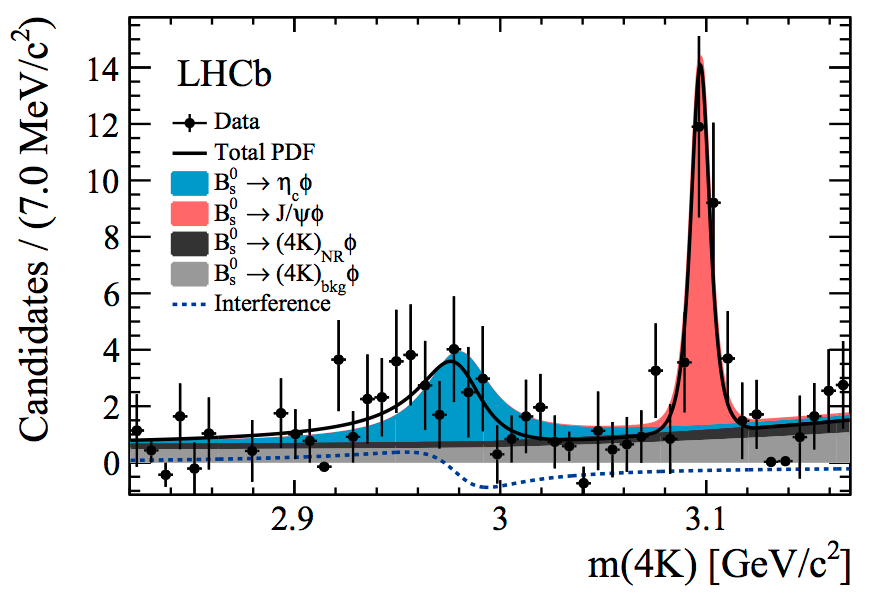 Figure 3
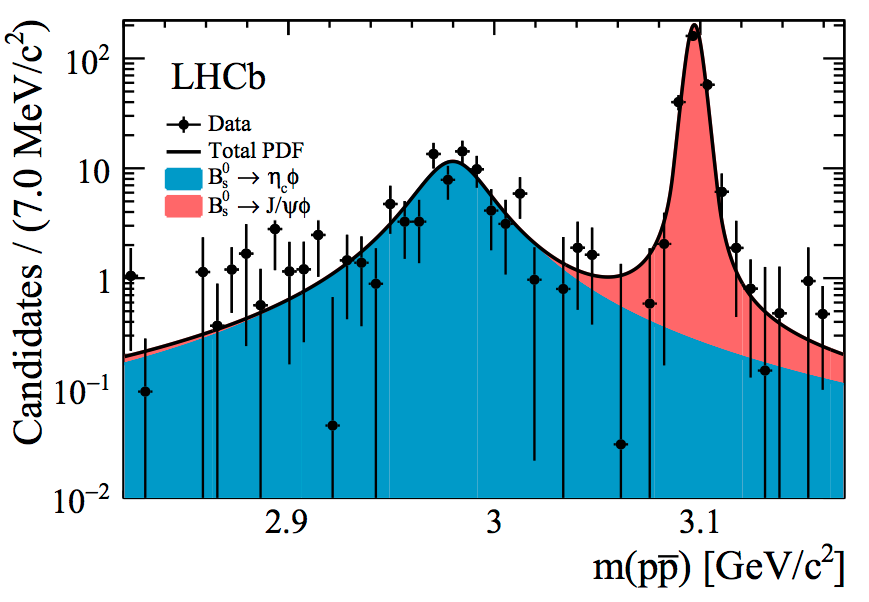 Figure 3
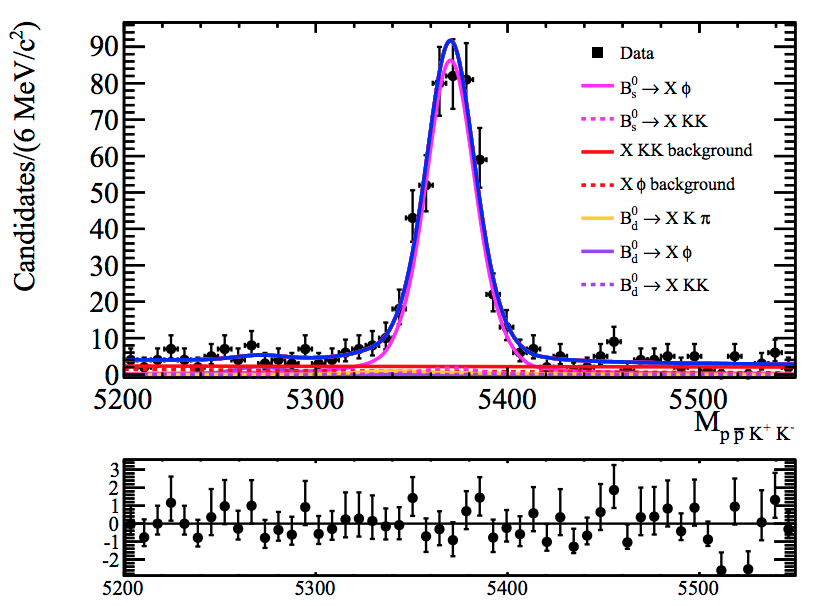 Figure 5
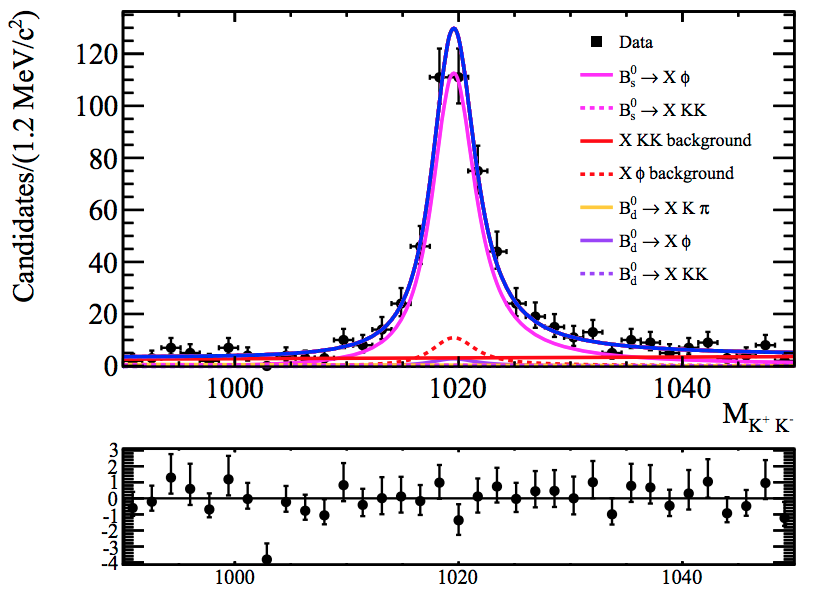 Figure 5
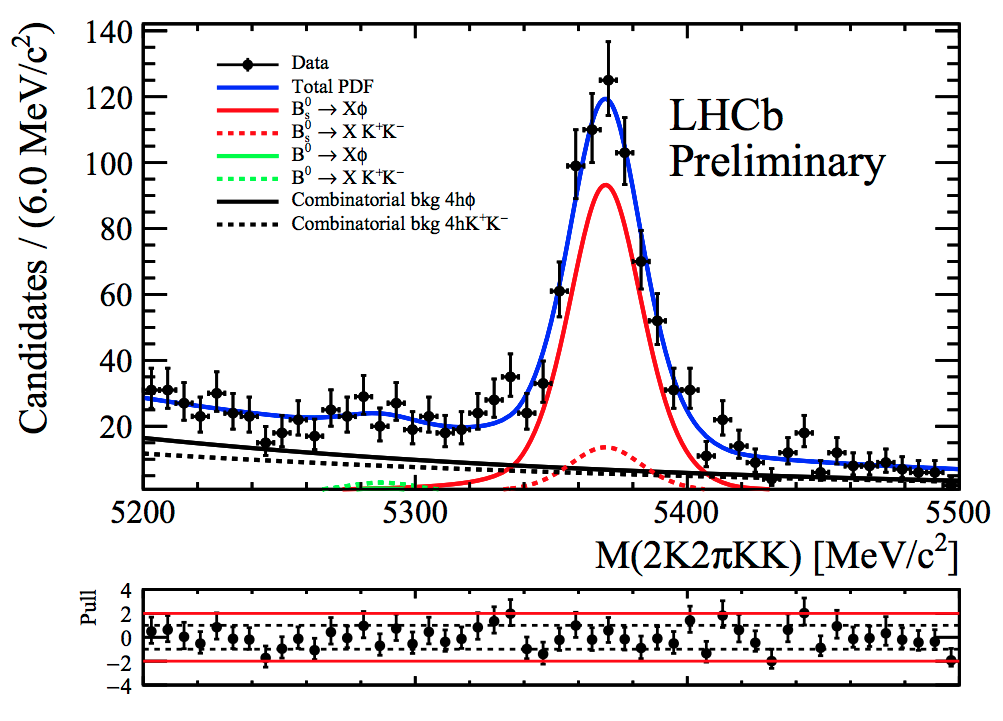 Figure 6
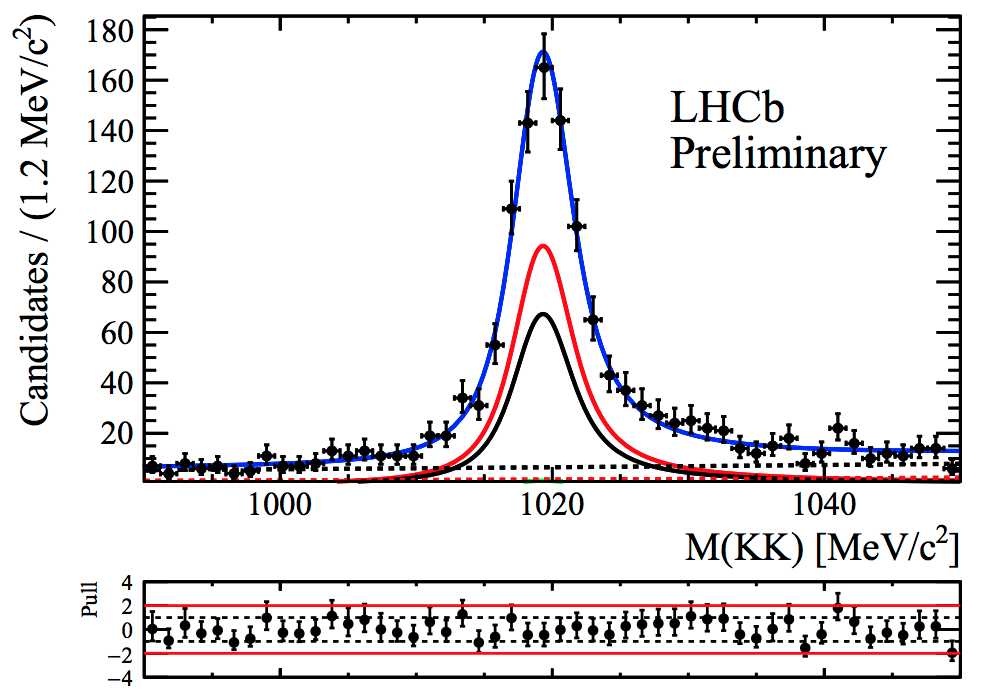 Figure 6
 Figure 1
 Figure 1
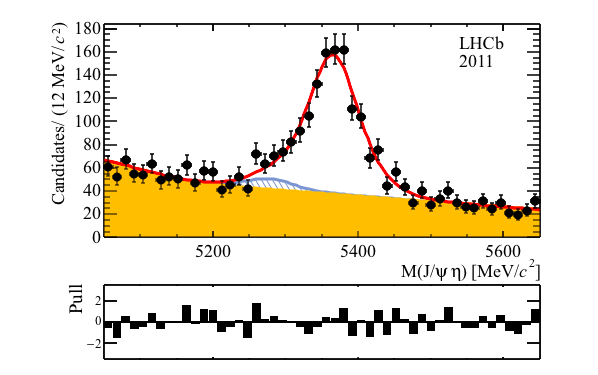 Figure 2
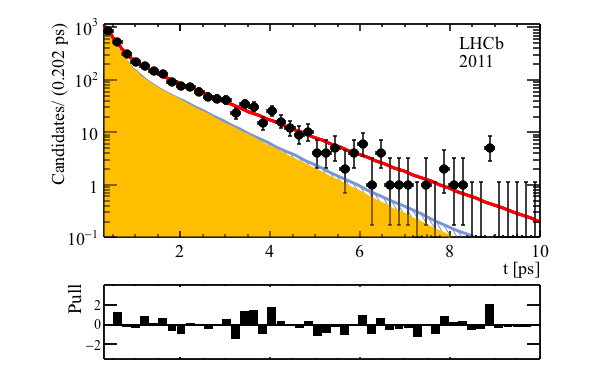 Figure 2
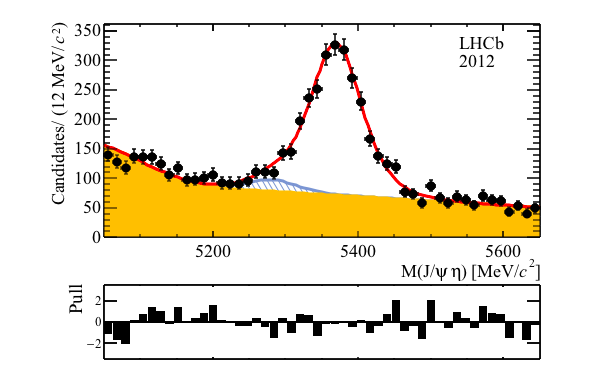 Figure 2
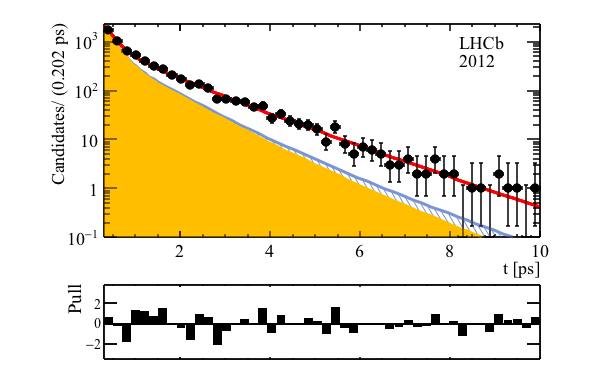 Figure 2
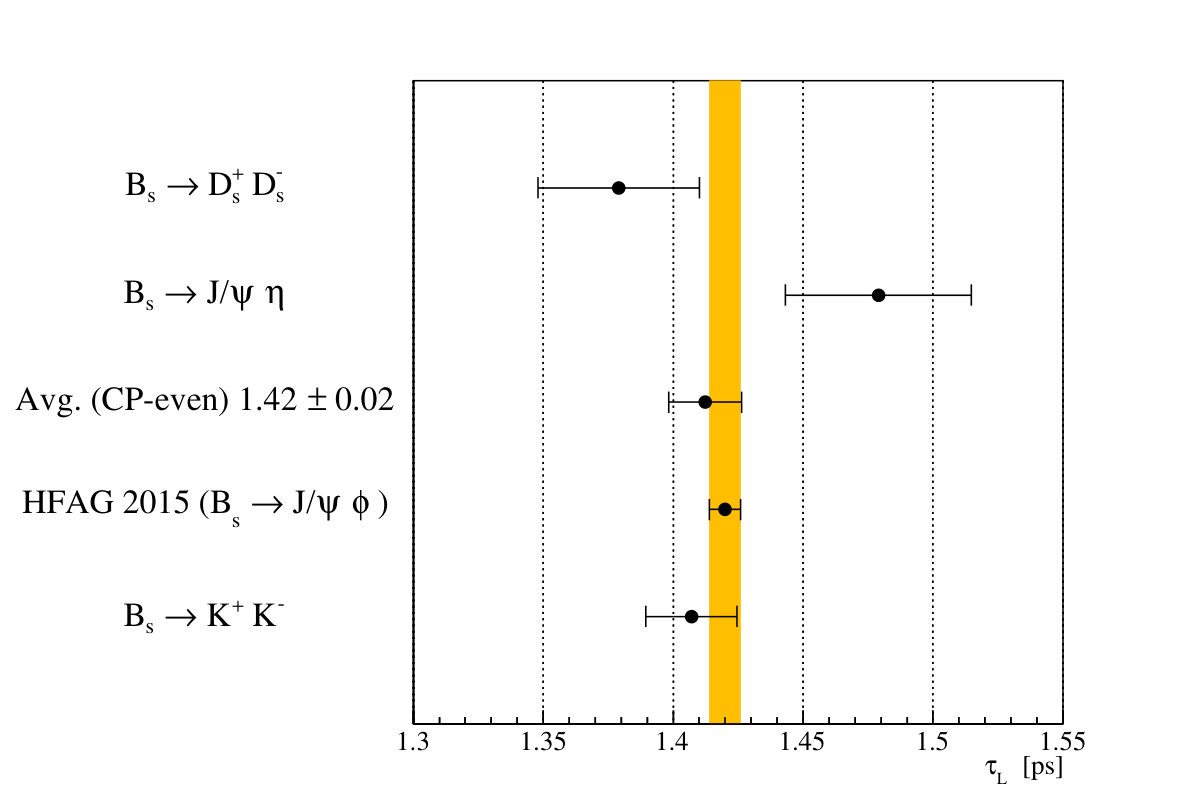 Figure 3
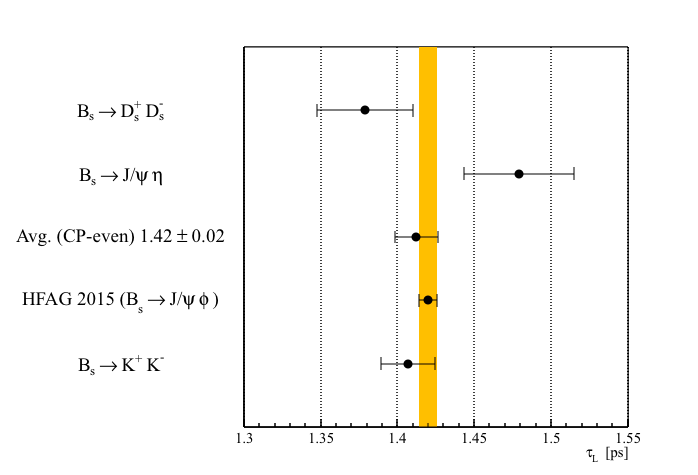 Figure 3
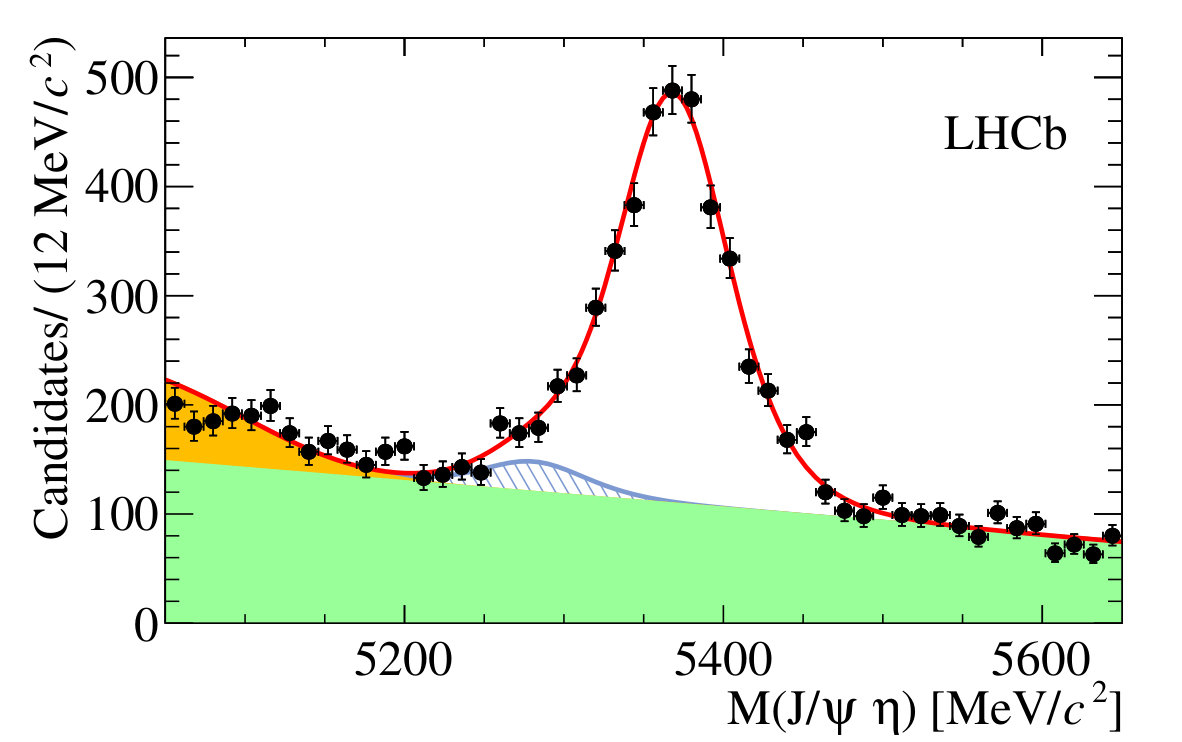 Figure 4
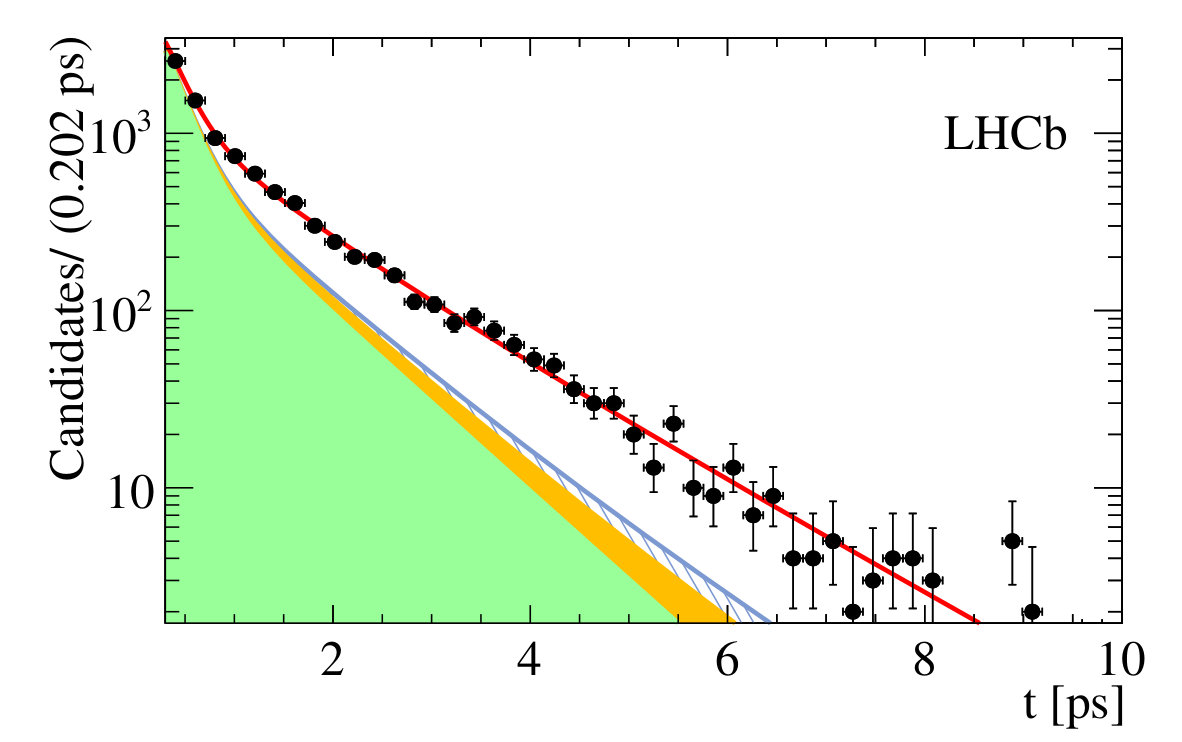 Figure 5
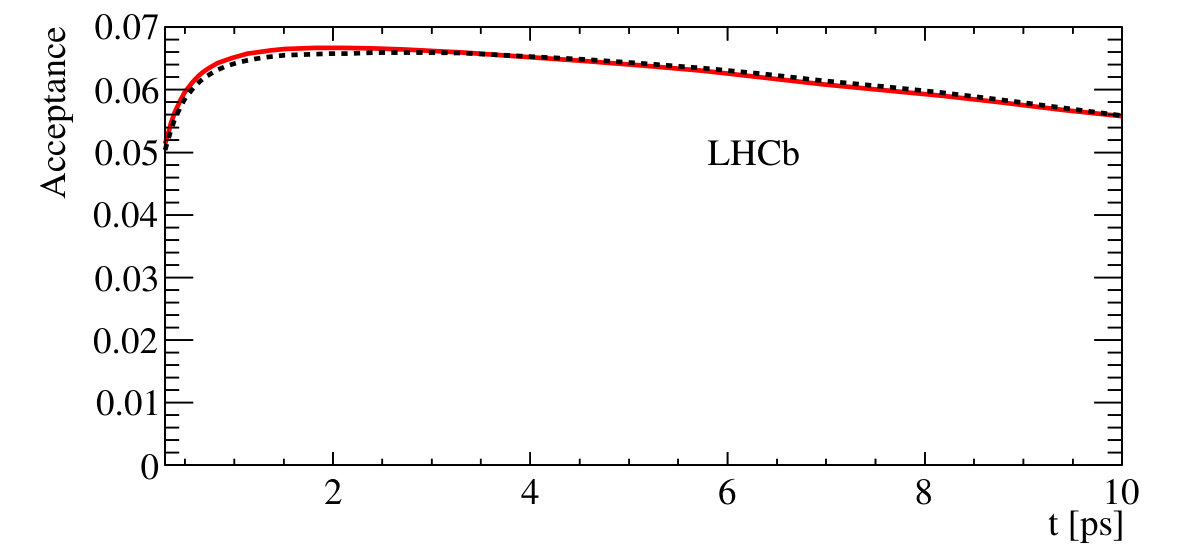 Figure 1
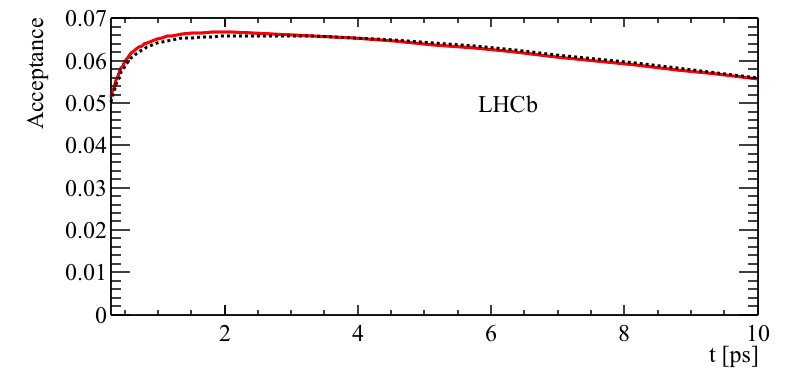 Figure 1
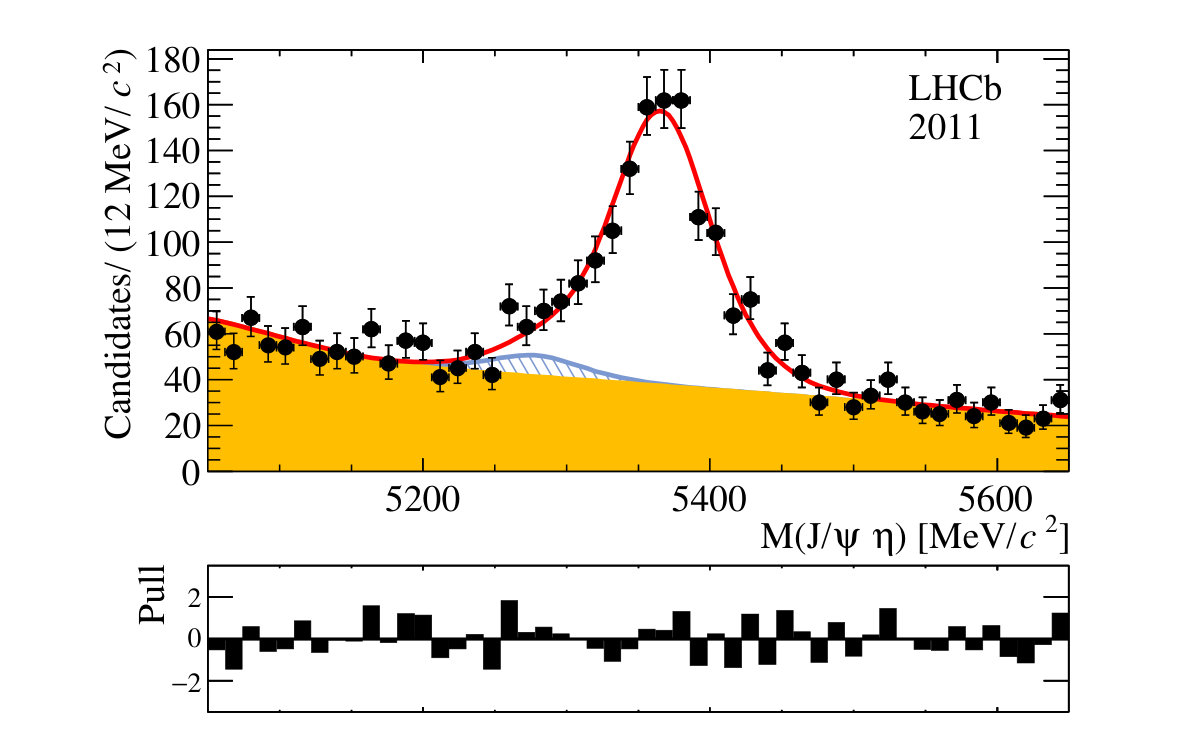 Figure 2
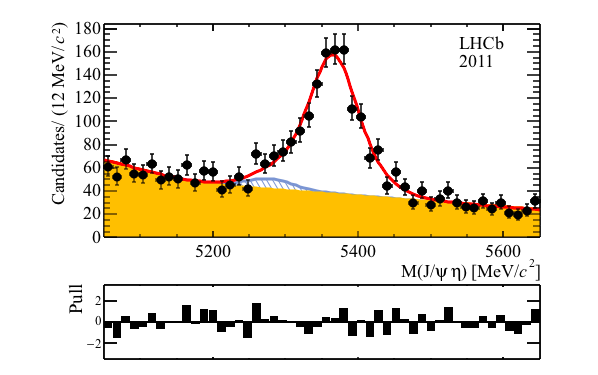 Figure 2
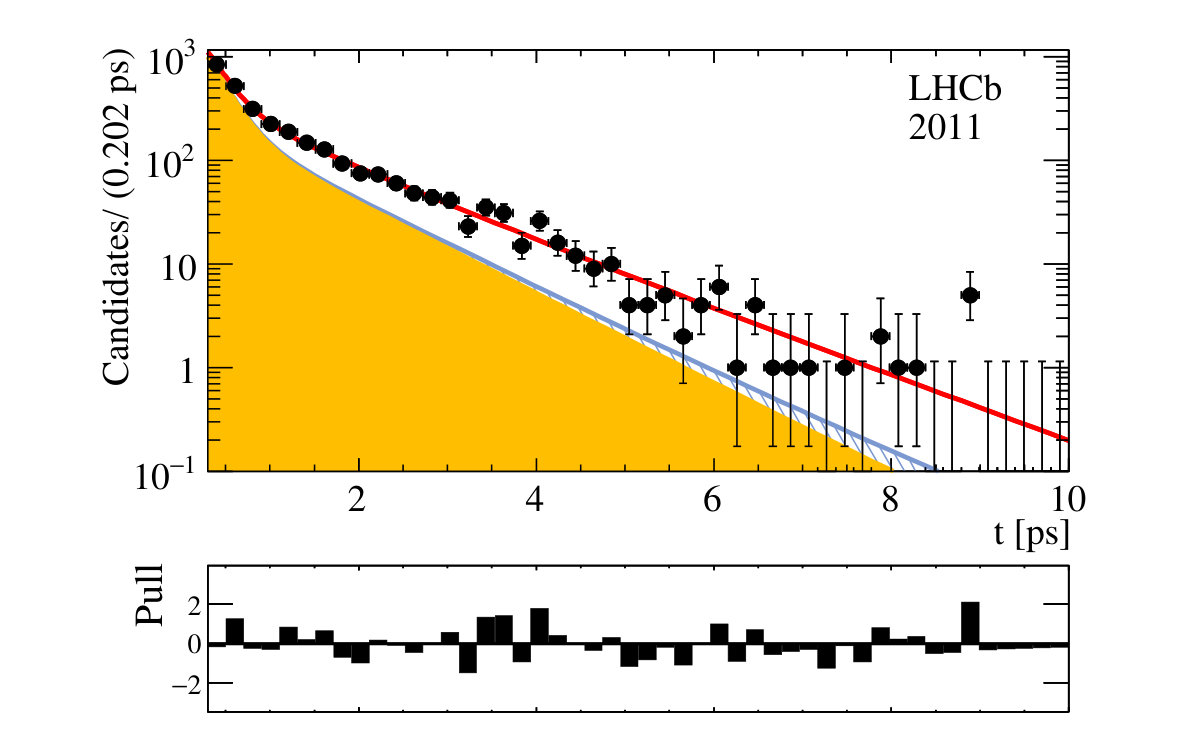 Figure 2
 Figure 2
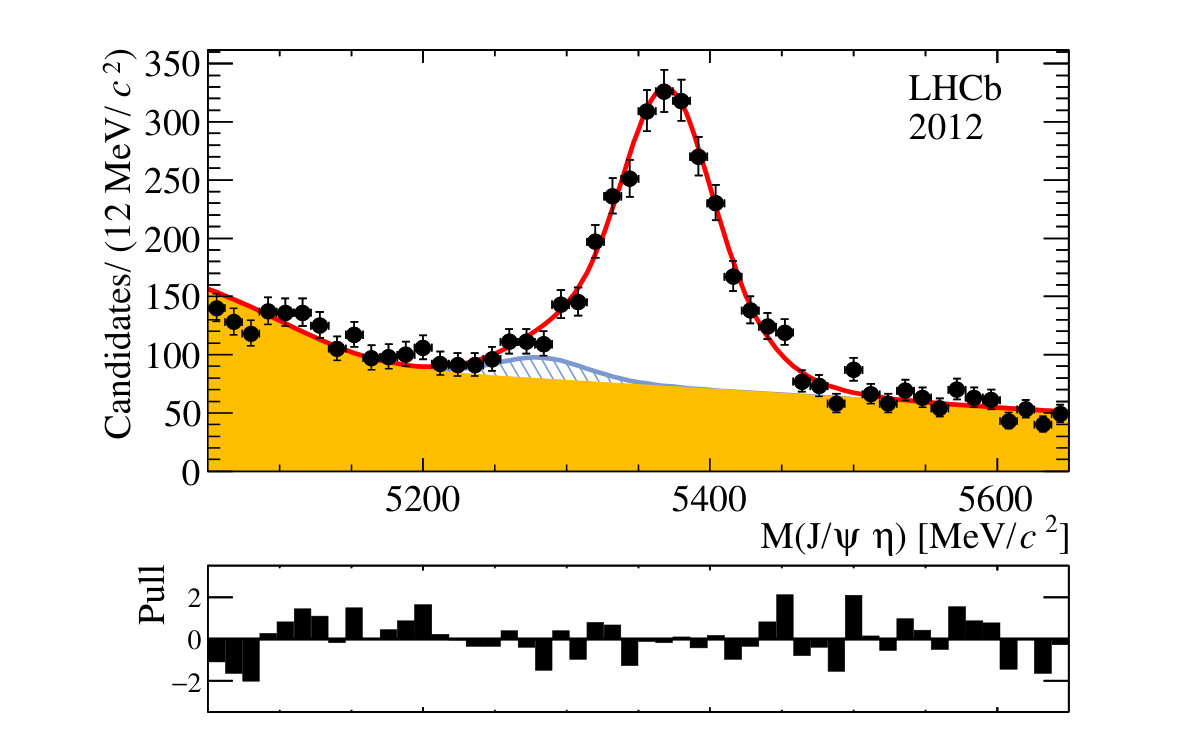 Figure 2
 Figure 2
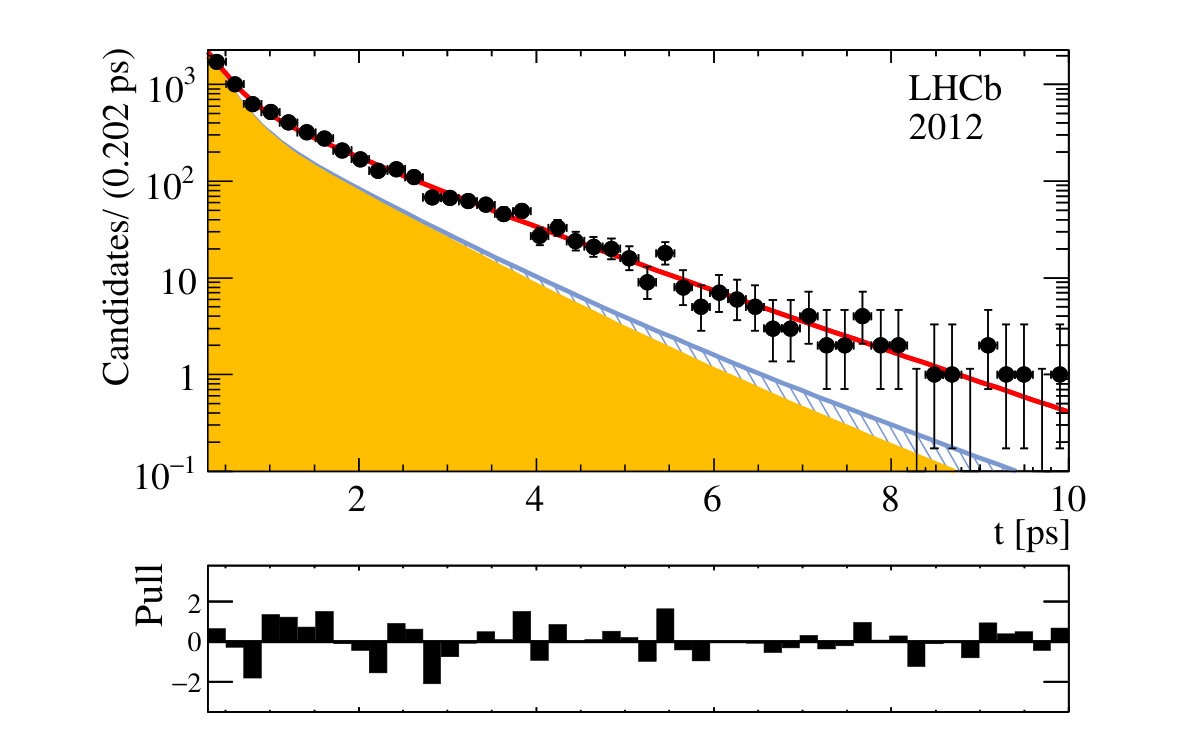 Figure 2
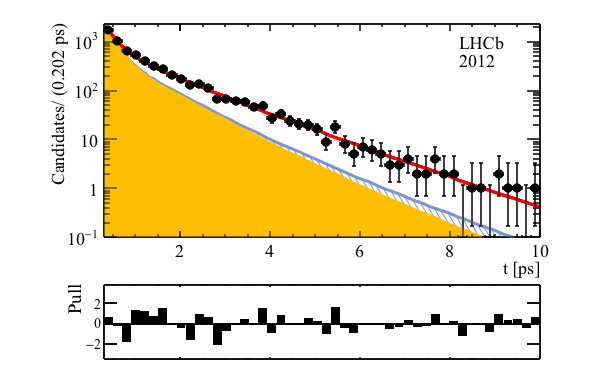 Figure 2
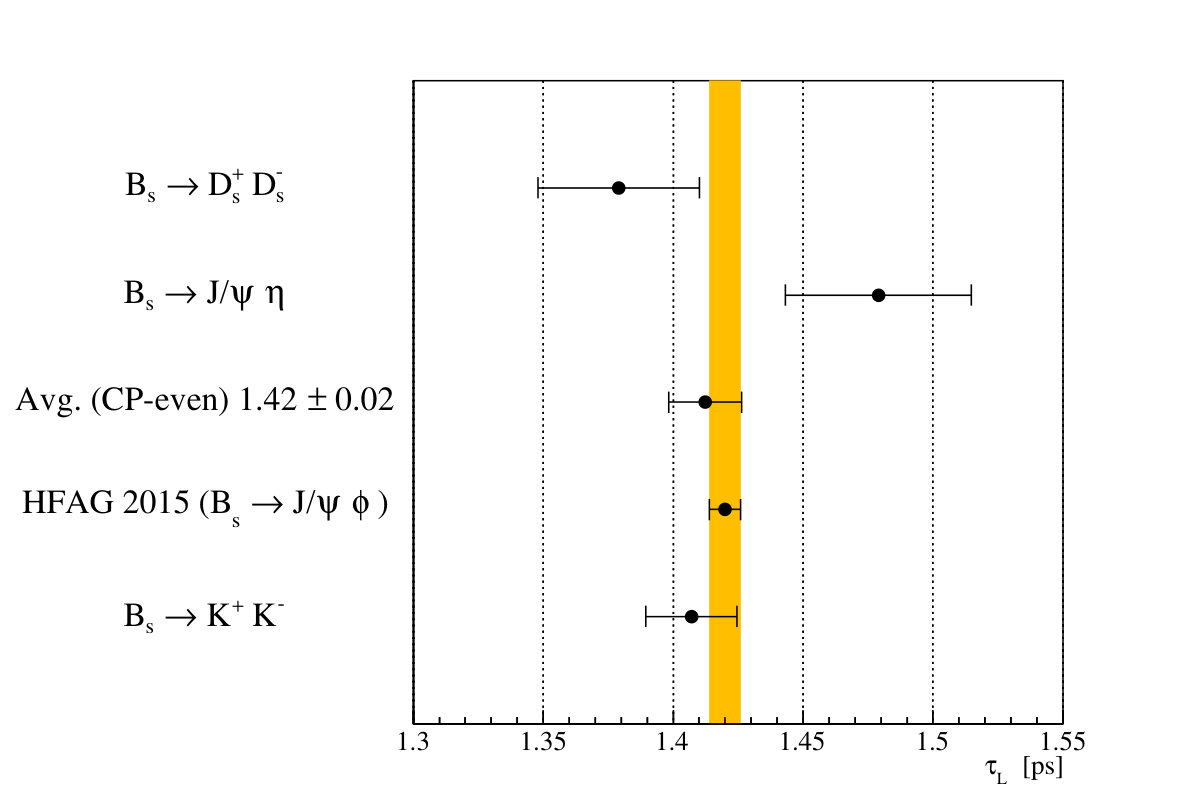 Figure 3
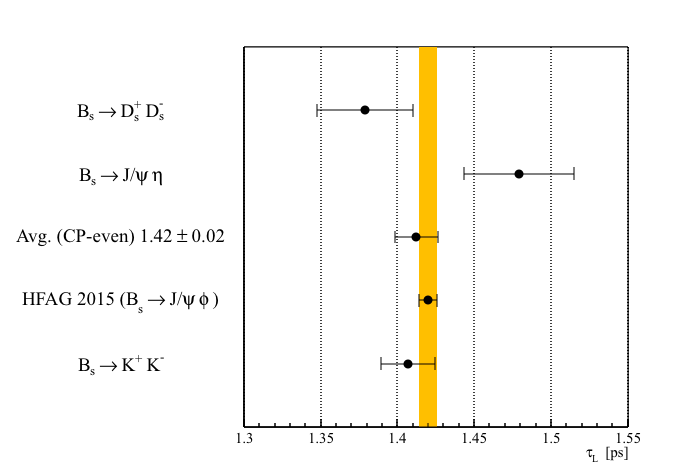 Figure 3
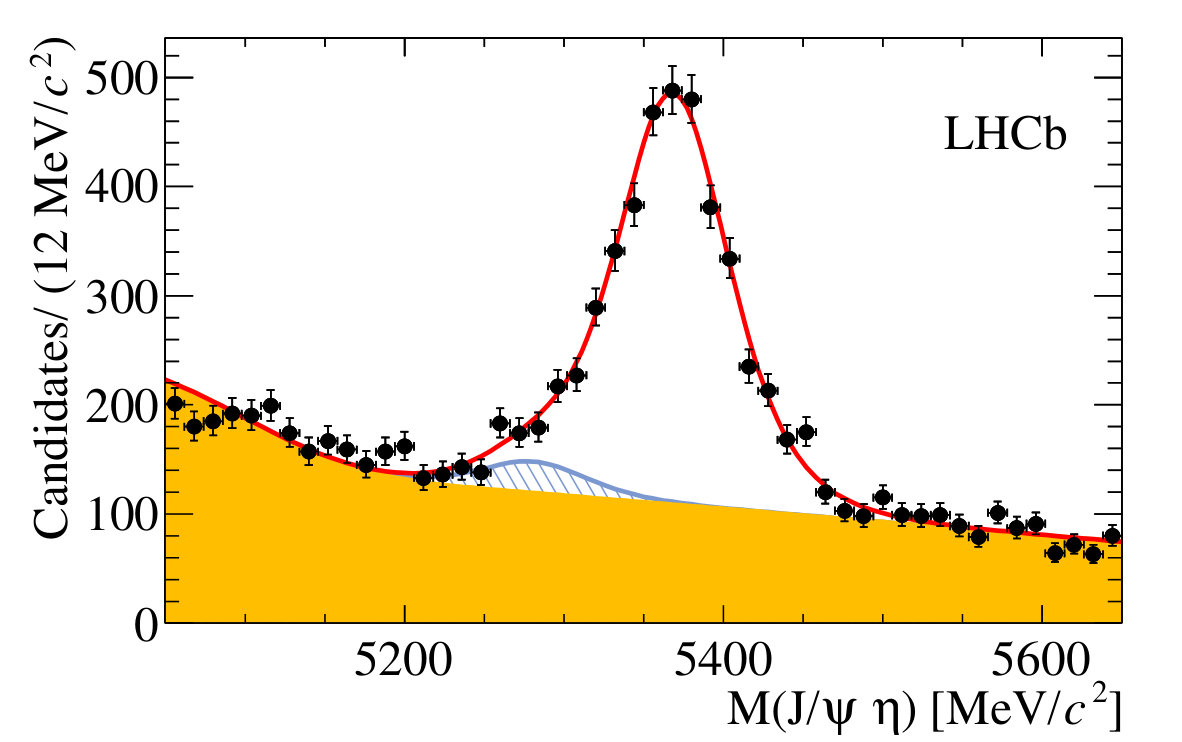 Figure 4
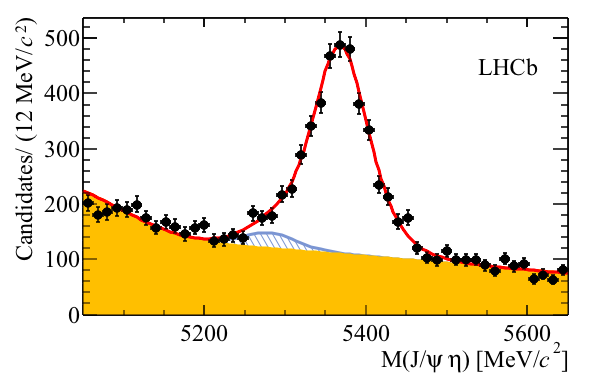 Figure 4
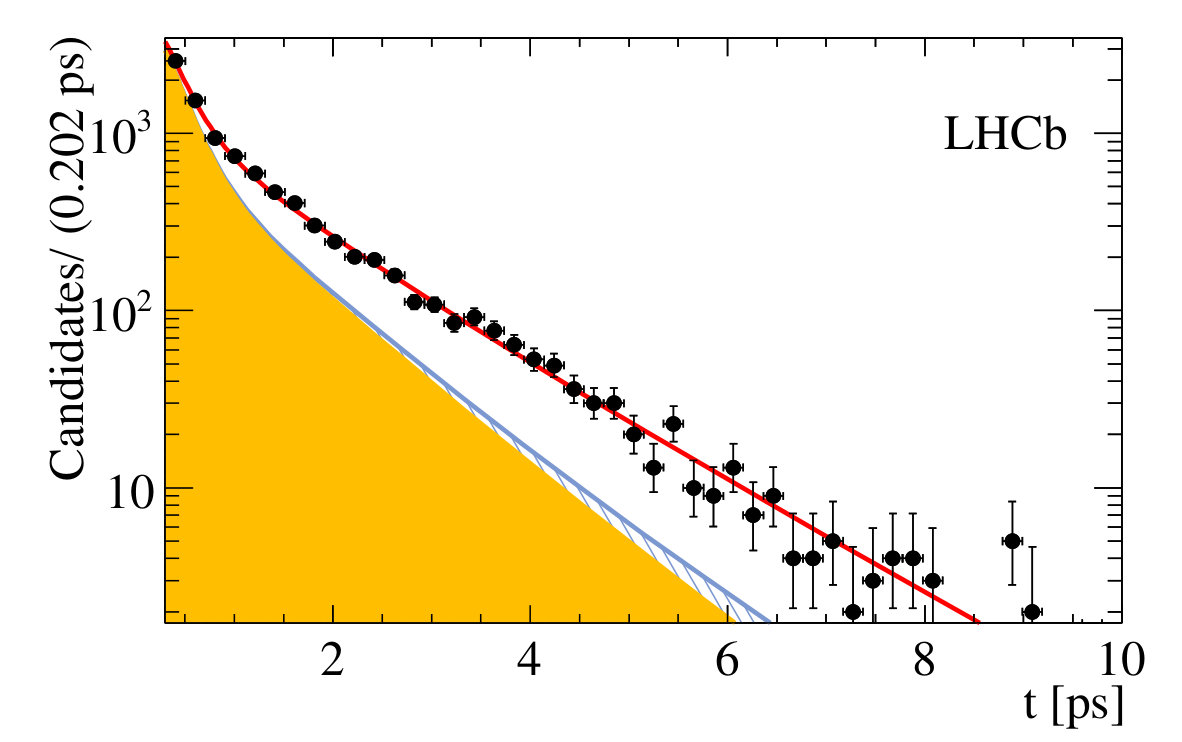 Figure 5
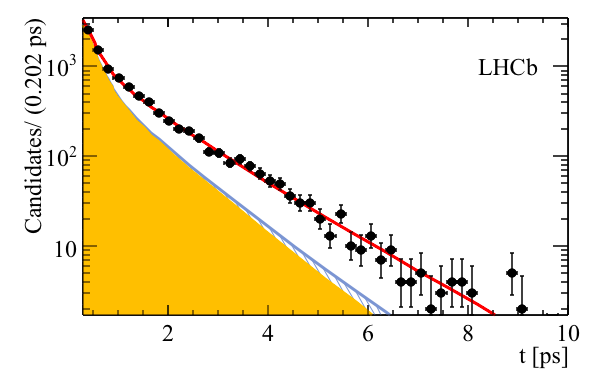 Figure 5
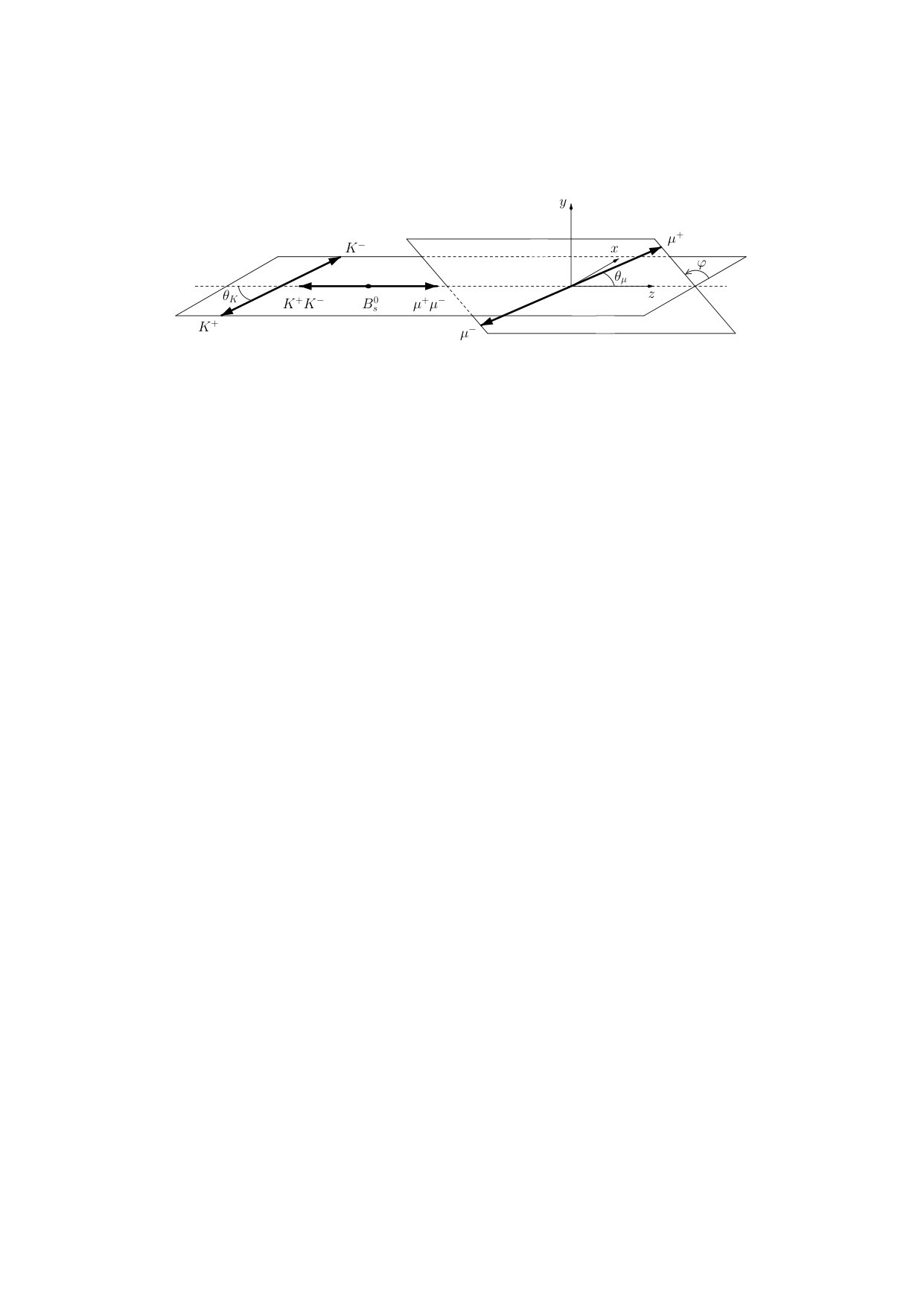 Figure 1
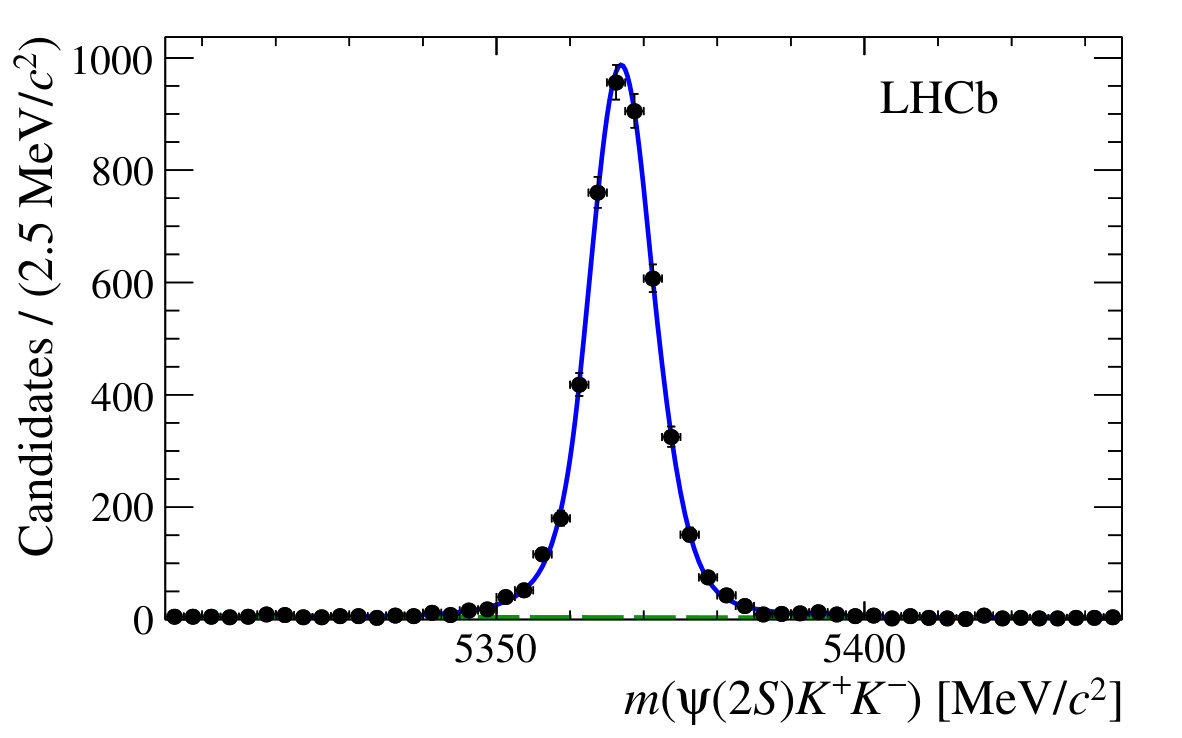 Figure 2
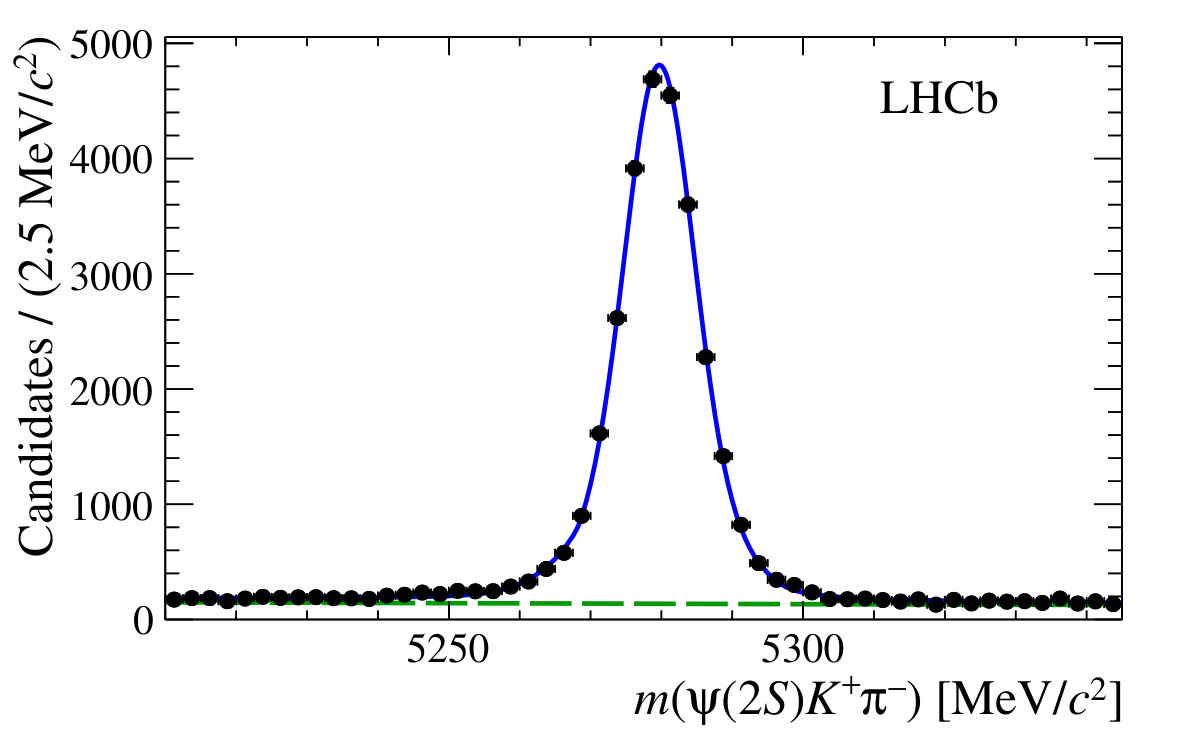 Figure 3
Peer Reviews
No public reviews on file for this paper yet. If you reviewed it on a platform where reviews are public (OpenReview, ICLR, NeurIPS, ICML), you can paste yours below so the community can read it here.
Videos
No videos yet. Explain this paper in a talk, walkthrough, or lecture? Add one.
Taxonomy
TopicsParticle physics theoretical and experimental studies · Quantum Chromodynamics and Particle Interactions · Particle Detector Development and Performance
Measurements of at the LHCb experiment
University of Edinburgh, UK
E-mail On behalf of the LHCb collaboration
Abstract:
These proceedings present the current status of measurements of the -violating phase by the LHCb collaboration, reviewing the measurements in channels such as , and . The observation of the decay mode is presented for the first time, which can be used to measure with larger data samples that will be collected over the coming years by the LHCb experiment. Finally, the expected increase in precision from LHCb measurements of over the next decade is presented.
1 Introduction and motivation
A key observable to be measured in the meson system is the -violating phase, , which arises due to the interference between meson mixing and decay processes. It is defined as , where are complex eigenvalues related to mixing and () are the complex amplitudes for () meson decay to final state . Global fits to experimental data give a precise prediction for in the Standard Model of [1]. Any deviation from this prediction would be a clear sign for non-Standard Model physics, strongly motivating the need for precise experimental measurements of this quantity. In this article I will review the measurements of this observable from the LHCb collaboration and discuss new measurements of meson decay channels that can be used to measure in the future. All measurements shown here use 3 of data collected by the LHCb experiment [2] in collisions at the LHC during 2011 and 2012.
2 State-of-the-art of measurements
2.1 from and
The so-called “golden mode” for measuring is using a flavour-tagged time-dependent angular analysis of the decay, where and . This mediated decay has a high branching fraction and the presence of two muons in the final state leads to a high trigger efficiency. The angular analysis is necessary to disentangle the interfering -odd and -even components in the final state, which arise due to the relative angular momentum between the two vector resonances. In addition, there is a small () -odd S-wave contribution that must be accounted for. The LHCb detector has excellent time resolution ( fs [3]) and tagging power ( [4]), both of which are crucial to the measurement. In Run 1, the LHCb collaboration used a sample of decays to measure , the width difference between the light and heavy mass eigensates (), the average decay time (), mixing frequency () and direct violation parameter (). Figure 1 shows the results of this analysis, which gave rad, ps*-1* and ps*-1* [5]. These are the most precise determinations of these parameters to date and are consistent with SM predictions [1, 6]. The dominant systematic uncertainties in these measurement arise from knowledge about the decay time and angular efficiencies.
It is possible that due to unknown hadronic effects or beyond the SM physics, the values of and could be different for each of the four polarisation states [7, 8]. For the first time, the LHCb collaboration relaxed this assumption in the analysis, finding that no polarisation dependence was visible within the available statistical precision.
The LHCb collaboration has also used a similar analysis of decays to measure [9]. Here, the full mass spectrum is used in the measurement, which has previously been studied and found to be completely -odd [10], dominated by the component. With this time-dependent amplitude analysis, was measured to be rad, the dominant systematic uncertainty coming from knowledge about the composition of resonances in the spectrum. Since the final state is almost all -odd, a simplified tagged fit to only the decay time distribution yields compatible results. Combining the and results gives rad.
2.2 from
Other decay modes with transitions can be used to measure . In Ref. [11], LHCb studied the (with ) decays for the first time using the same analysis techniques as Ref. [5]. Figure 2 shows signal decays in Run 1 data, selected using a boosted decision tree that has been trained using simulated signal events and a background sample from the high-mass sideband. Figure 2 also shows the projections of the data and fit onto the decay time and helicity angles, demonstrating a good fit to the data. In addition to and , was measured to be rad. For the first time the magnitude of the transversity amplitudes and their phases were measured for this decay, which are different to those in as expected [12].
2.3 Global combination
The global combination of and measurements from the Heavy Flavour Averaging Group [13] is shown in Figure 3, using measurements from the LHCb collaboration discussed here along with those from the CDF [14], D0 [15], ATLAS [16] and CMS [17] collaborations. They find and rad. The results are dominated by those from the LHCb collaboration and are consistent with the SM predictions. There remains space for new physics contributions at the level, however, as the experimental precision improves, it is essential that there is good control over hadronic effects (so-called “penguin pollution”) that could mimic the effect from beyond-the-SM physics.
2.4 from
A related -violating phase, , can be measured by applying similar methods as above to meson decays that go via a transition. The LHCb collaboration has performed such an analysis using [18], measuring rad, which is consistent with the Standard Model predictions, all of which are very close to zero [19, 20, 21]. An upcoming study of decays will provide another avenue for measuring this quantity [22].
3 Future prospects for measuring
The measurement of using decays has so far restricted to using the region of phase space near the resonance. A full amplitude analysis of the system was performed in Ref. [23], indicating a significant contribution from other resonances such as the that can be used when measuring to increase the statistical precision. This approach will require the application of the same analysis formalism as in Ref [9]. Similarly, the recently observed decay [23] could be used with future data samples from Run 2 and beyond to measure , again with a flavour-tagged, decay-time dependent amplitude analysis, including all appropriate resonances.
3.1 Observation of
At this conference the LHCb collaboration announced a preliminary observation of the decay mode, with , [24]. This decay is another transition that could be used to measure . Figure 4 shows the invariant mass of the system in the mode along with the spectrum, with the and charmonium resonances clearly visible. A simultaneous amplitude fit is performed using all modes and including contributions from interfering non-resonant components. The branching fraction is extracted relative to the channel and found to be . First evidence of the decay was also presented.
3.2 effective lifetime
The LHCb collaboration has recently observed the decay [25] and used it to measure the effective lifetime. As this mode is a -even eigenstate the effective lifetime gives a measurement of . The final state is challenging, containing only two charged tracks and the invariant mass resolution is (see Figure 5), compared to for decays. Using signal candidates, the lifetime was measured to be \tau=1.479\pm 0.034\pm 0.011$${\mathrm{\,ps}}, consistent with other measurements of the -even lifetime [26, 27]. In the future the mode can be used to measure from a flavour-tagged fit to the decay time distribution.
An update of the HFAG averages of and was presented, showing good consistency between all measurements and the SM predicitions [6]. The prediction has an uncertainty more than three times larger than the experimental average.
4 Summary
The LHCb collaboration has made leading measurements of the -violating phase and meson lifetimes using Run-1 data. So far all measurements are consistent with predictions from the Standard Model. New decay modes have been investigated and measurements performed to either measure violating effects or make preparations for such measurements in the future. Figure 6 shows how the precision on and will reduce as a function of time for key decay channels discussed in these proceedings. The precision is expected to reach \sim 0.01$$\mathrm{\,rad} at end of Run 3 [28] (the LHCb upgrade era) which is further discussed in Ref. [29]. As the precision improves it will be essential to control hadronic effects that can hide small contributions from non-Standard Model physics [30].
5 Acknowledgements
The author thanks the organisers of the CKM2016 meeting and acknowledges the support of the Science and Technology Facilities Council (UK) grant ST/K004646/1.
The reference list from the paper itself. Each links out to its DOI / PubMed record.
- 1[1] J. Charles et al. , Current status of the Standard Model CKM fit and constraints on Δ F = 2 Δ 𝐹 2 \Delta F=2 New Physics , Phys. Rev. D 91 (2015), no.~7 073007 , ar Xiv:1501.05013 · doi ↗
- 2[2] LH Cb collaboration, A. A. Alves Jr. et al. , The LH Cb detector at the LHC , JINST 3 (2008) S 08005 · doi ↗
- 3[3] LH Cb collaboration, R. Aaij et al. , Measurement of C P 𝐶 𝑃 C\!P violation and the B s 0 subscript superscript 𝐵 0 𝑠 B^{0}_{s} meson decay width difference with B s 0 → J / ψ K + K − → superscript subscript 𝐵 𝑠 0 𝐽 𝜓 superscript 𝐾 superscript 𝐾 B_{s}^{0}\rightarrow J/\psi K^{+}K^{-} and B s 0 → J / ψ π + π − → superscript subscript 𝐵 𝑠 0 𝐽 𝜓 superscript 𝜋 superscript 𝜋 B_{s}^{0}\rightarrow J/\psi\pi^{+}\pi^{-} decays , Phys. Rev. D 87 (2013) 112010 , ar Xiv:1304.2600 · doi ↗
- 4[4] LH Cb collaboration, R. Aaij et al. , Neural-network-based same side kaon tagging algorithm calibrated with B s 0 → D s − π + → superscript subscript 𝐵 𝑠 0 superscript subscript 𝐷 𝑠 superscript 𝜋 B_{s}^{0}\rightarrow D_{s}^{-}\pi^{+} and B s 2 ∗ ( 5840 ) 0 → B + K − → superscript subscript 𝐵 𝑠 2 superscript 5840 0 superscript 𝐵 superscript 𝐾 B_{s 2}^{*}(5840)^{0}\rightarrow B^{+}K^{-} decays , JINST 11 (2015) P 05010 , ar Xiv:1602.07252 · doi ↗
- 5[5] LH Cb collaboration, R. Aaij et al. , Precision measurement of C P 𝐶 𝑃 C\!P violation in B s 0 → J / ψ K + K − → superscript subscript 𝐵 𝑠 0 𝐽 𝜓 superscript 𝐾 superscript 𝐾 B_{s}^{0}\rightarrow J/\psi K^{+}K^{-} decays , Phys. Rev. Lett. 114 (2015) 041801 , ar Xiv:1411.3104 · doi ↗
- 6[6] M. Artuso, G. Borissov, and A. Lenz, CP violation in the B s 0 superscript subscript 𝐵 𝑠 0 B_{s}^{0} system , Rev. Mod. Phys. 88 (2016), no.~4 045002 , ar Xiv:1511.09466 · doi ↗
- 7[7] S. Faller, R. Fleischer, and T. Mannel, Precision Physics with B s 0 → J / ψ ϕ → subscript superscript 𝐵 0 𝑠 𝐽 𝜓 italic-ϕ B^{0}_{s}\rightarrow J/\psi\phi at the LHC: The Quest for New Physics , Phys. Rev. D 79 (2009) 014005 , ar Xiv:0810.4248 · doi ↗
- 8[8] B. Bhattacharya, A. Datta, and D. London, Reducing Penguin Pollution , Int. J. Mod. Phys. A 28 (2013) 1350063 , ar Xiv:1209.1413 · doi ↗