Robo-AO Kepler Asteroseismic Survey. I. Adaptive optics imaging of 99 asteroseismic Kepler dwarfs and subgiants
Jessica S. Schonhut-Stasik, Christoph Baranec, Daniel Huber, Carl, Ziegler, Dani Atkinson, Eric Gaidos, Nicholas M. Law, Reed Riddle, Janis, Hagelberg, Nienke van der Marel, and Klaus W. Hodapp

TL;DR
This study used adaptive optics imaging to identify and analyze close secondary sources near 99 Kepler asteroseismic stars, revealing potential companions and assessing their impact on stellar oscillation measurements.
Contribution
First adaptive optics survey of Kepler asteroseismic stars to identify close secondary sources affecting light curves.
Findings
8 new secondary sources detected within 4 arcseconds
Differential photometry indicates some sources are background objects
Amplitude dilution from companions is insufficient to explain excess scatter
Abstract
We used the Robo-AO laser adaptive optics system to image 99 main sequence and subgiant stars that have Kepler-detected asteroseismic signals. Robo-AO allows us to resolve blended secondary sources at separations as close as 0.15" that may contribute to the measured Kepler light curves and affect asteroseismic analysis and interpretation. We report 8 new secondary sources within 4.0" of these Kepler asteroseismic stars. We used Subaru and Keck adaptive optics to measure differential infrared photometry for these candidate companion systems. Two of the secondary sources are likely foreground objects and at least 6 of the secondaries are background sources; however we cannot exclude the possibility that three of the objects may be physically associated. We measured a range of i'-band amplitude dilutions for the candidate companion systems from 0.43% to 15.4%. We find that the measured…
Click any figure to enlarge with its caption.
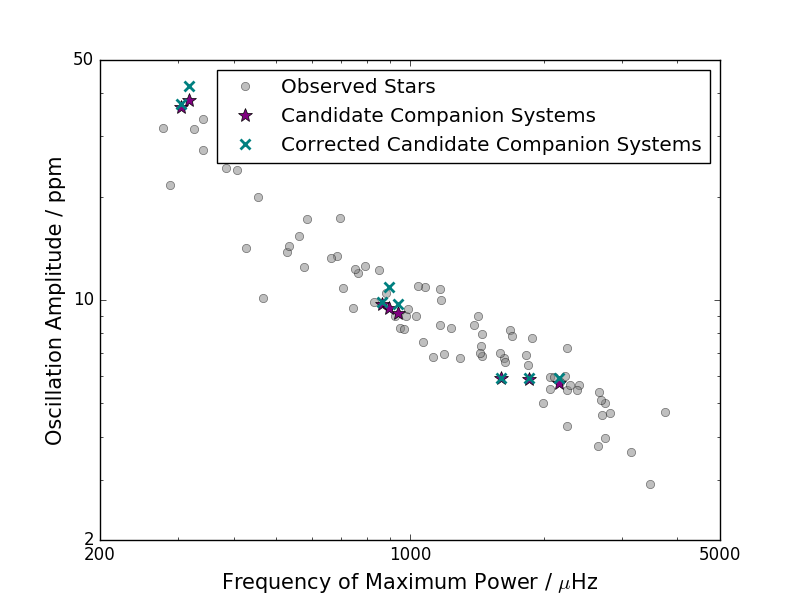 Figure 1
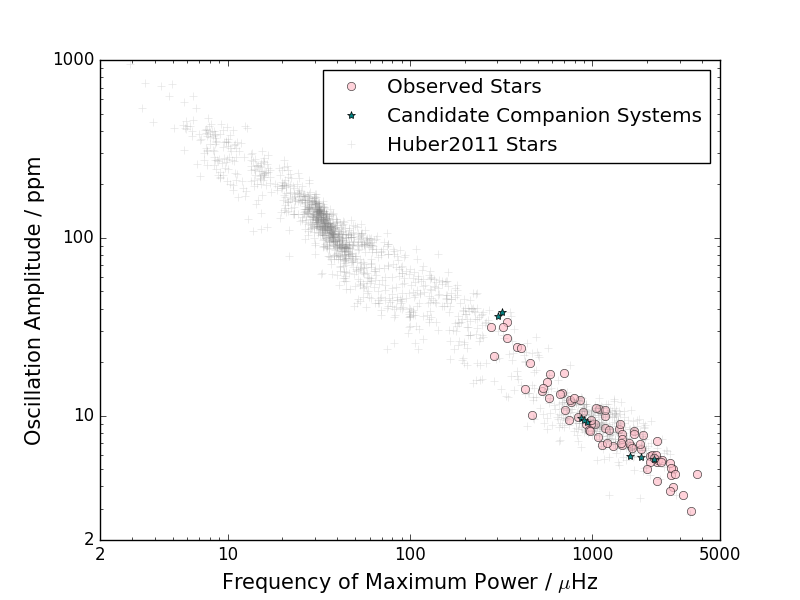 Figure 2
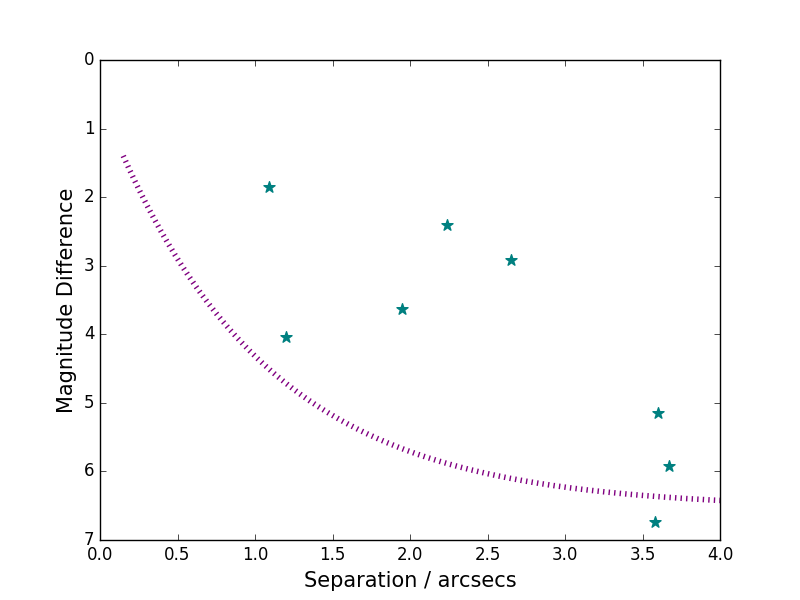 Figure 3
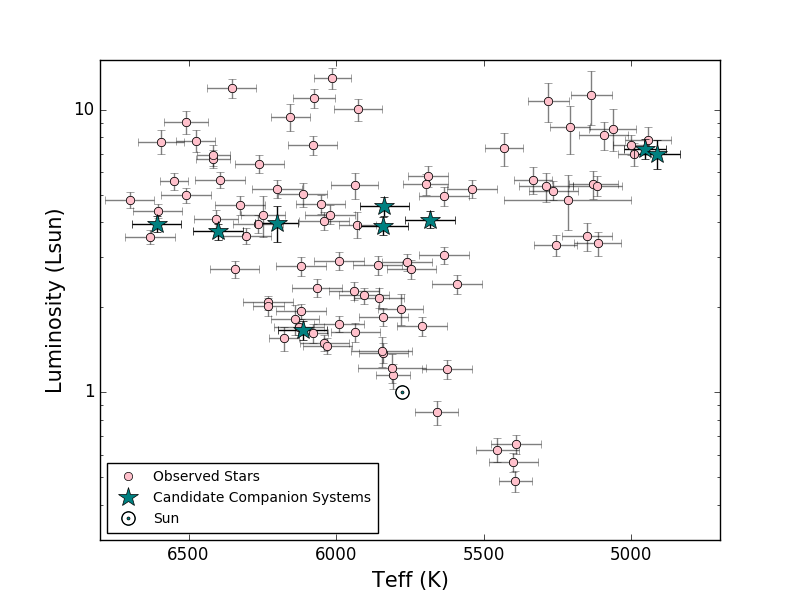 Figure 4
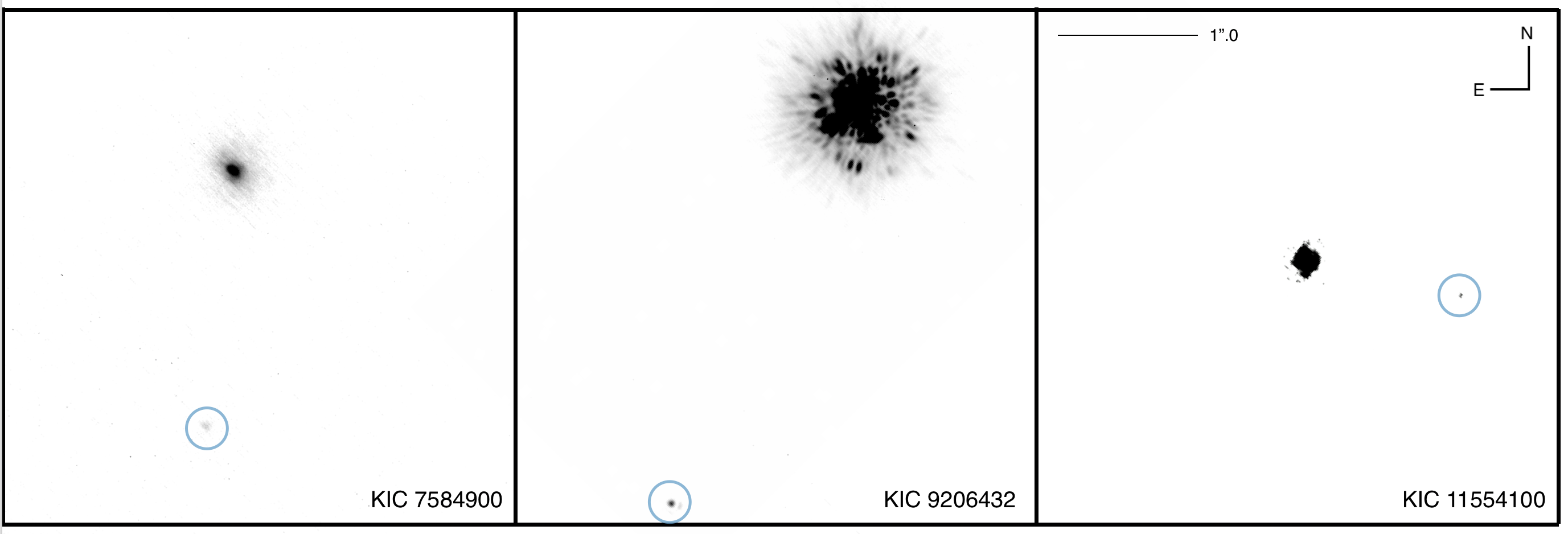 Figure 5
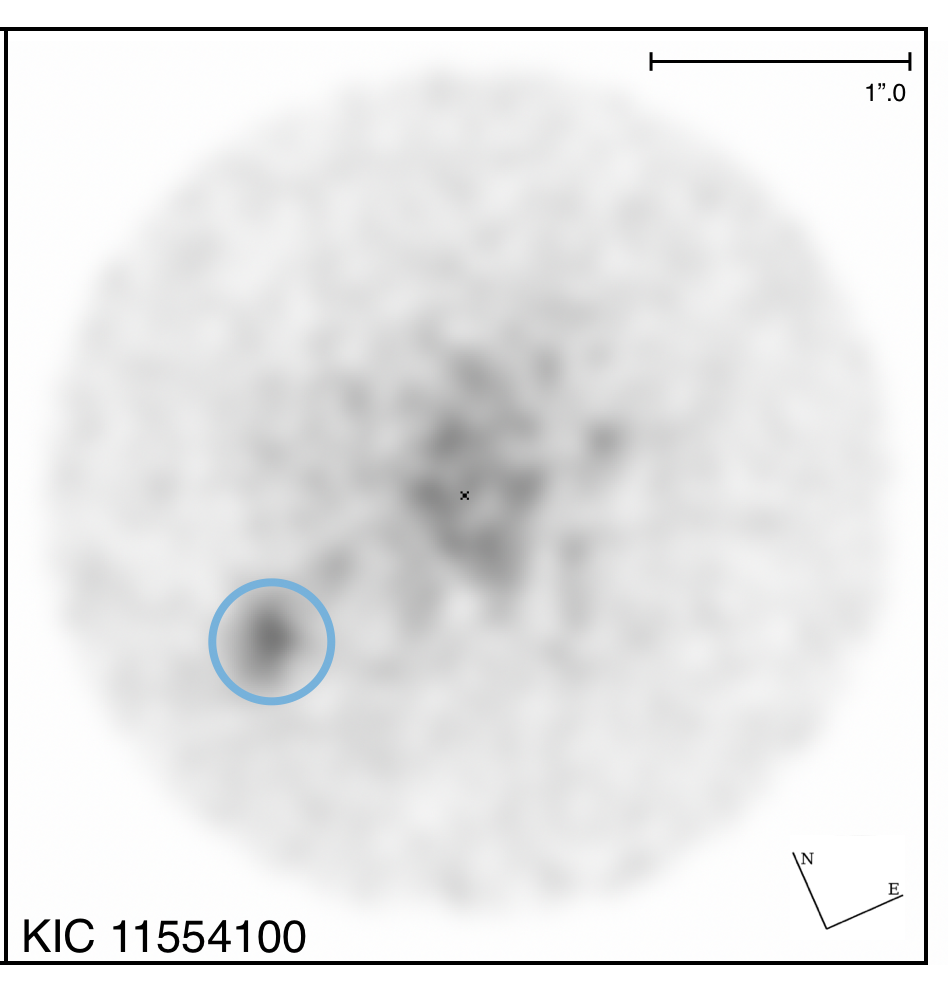 Figure 6
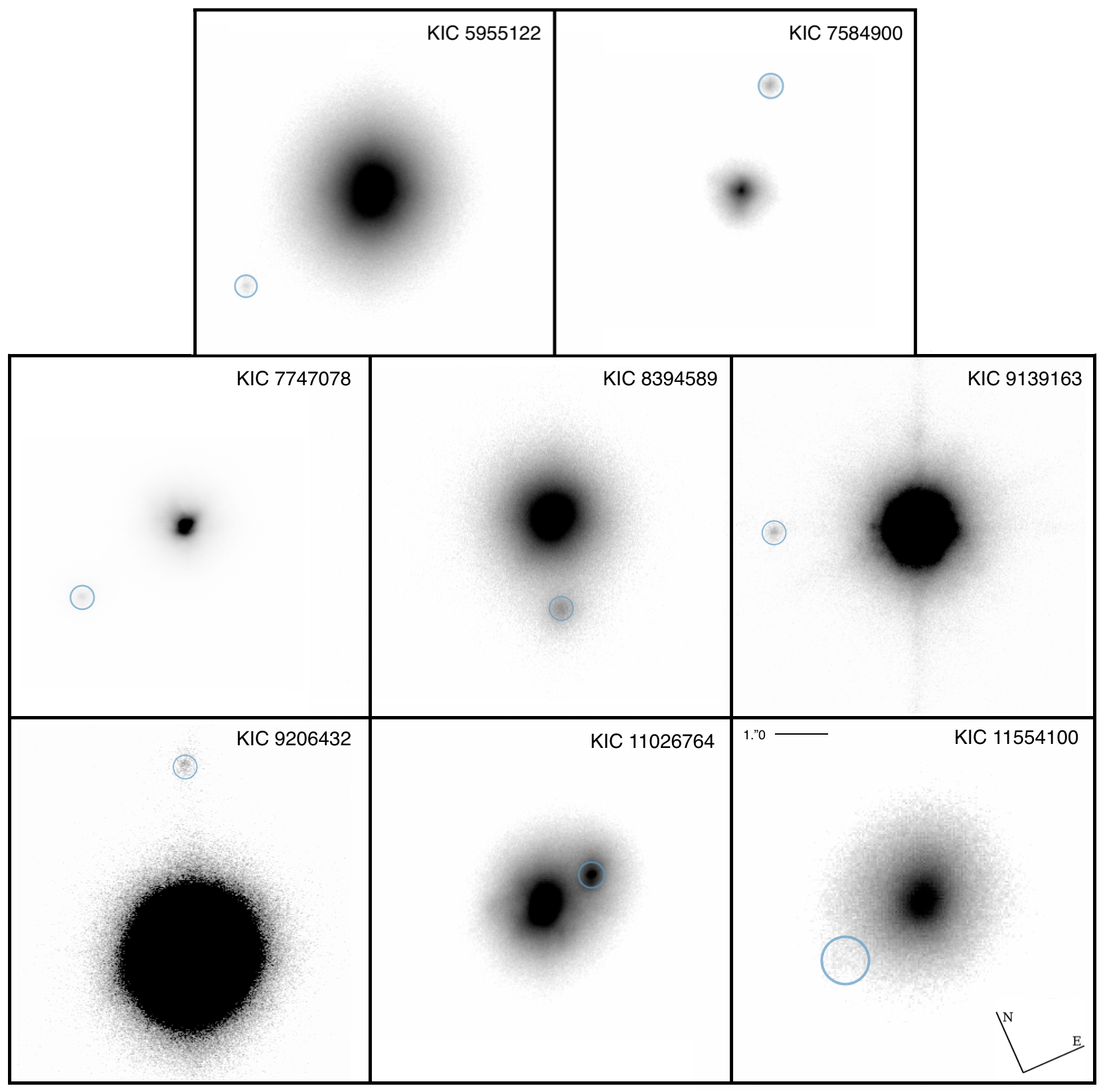 Figure 7
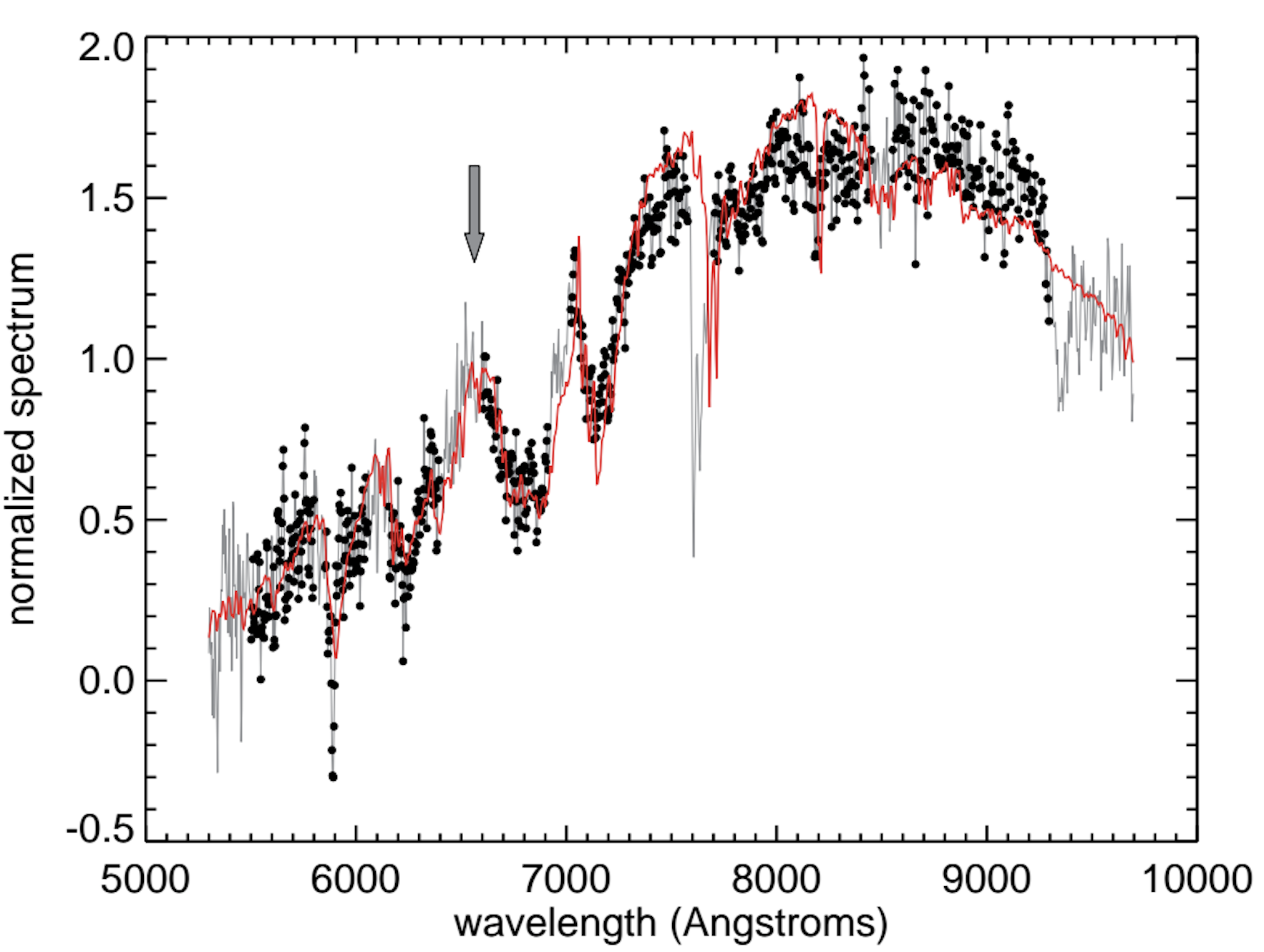 Figure 8
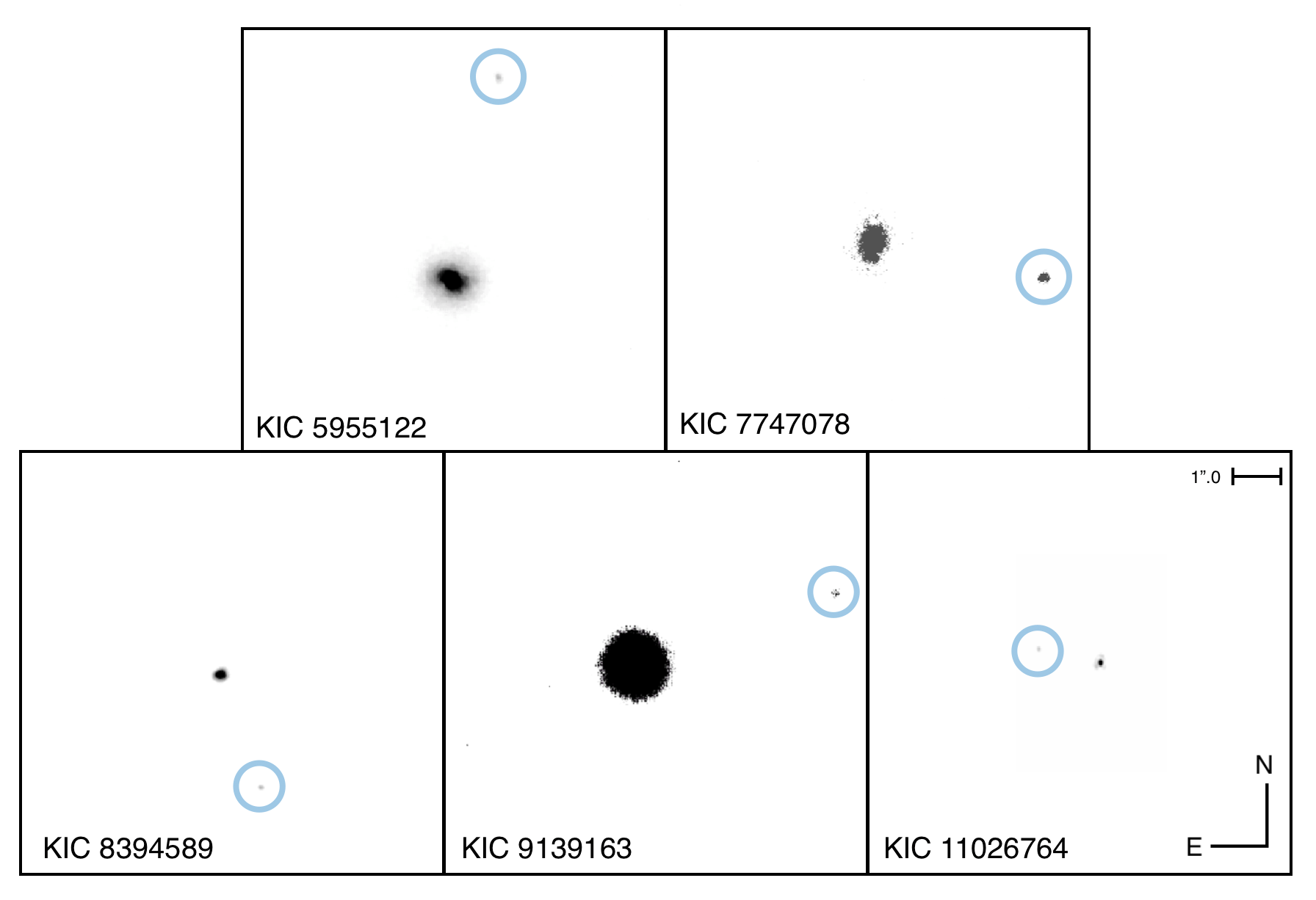 Figure 9
Peer Reviews
No public reviews on file for this paper yet. If you reviewed it on a platform where reviews are public (OpenReview, ICLR, NeurIPS, ICML), you can paste yours below so the community can read it here.
Videos
No videos yet. Explain this paper in a talk, walkthrough, or lecture? Add one.