Affine and topological structural entropies in granular statistical mechanics: explicit calculations and equation of state
Shahar Amitai, Raphael Blumenfeld

TL;DR
This paper distinguishes and calculates affine and topological structural entropies in granular systems using a connectivity-based statistical mechanics approach, deriving an equation of state relating volume, stress, and contactivity.
Contribution
It introduces a formalism that separates affine and topological entropies in granular systems and extends it to include correlations, providing explicit calculations and an equation of state.
Findings
Calculated partition function and entropies in high-angoricity limit.
Derived an equipartition principle for granular systems.
Established an equation of state linking volume, stress, and contactivity.
Abstract
We identify two orthogonal sources of structural entropy in rattler-free granular systems - affine, involving structural changes that only deform the contact network, and topological, corresponding to different topologies of the contact network. We show that a recently developed connectivity-based granular statistical mechanics separates the two naturally by identifying the structural degrees of freedom with spanning trees on the graph of the contact network. We extend the connectivity-based formalism to include constraints on, and correlations between, degrees of freedom as interactions between branches of the spanning tree. We then use the statistical mechanics formalism to calculate the partition function generally and the different entropies in the high-angoricity limit. We also calculate the degeneracy of the affine entropy and a number of expectation values. From the latter, we…
Click any figure to enlarge with its caption.
 Figure 1
 Figure 2
 Figure 3
 Figure 4
 Figure 5
 Figure 6
 Figure 7
 Figure 8
 Figure 9
 Figure 10
 Figure 11
 Figure 12
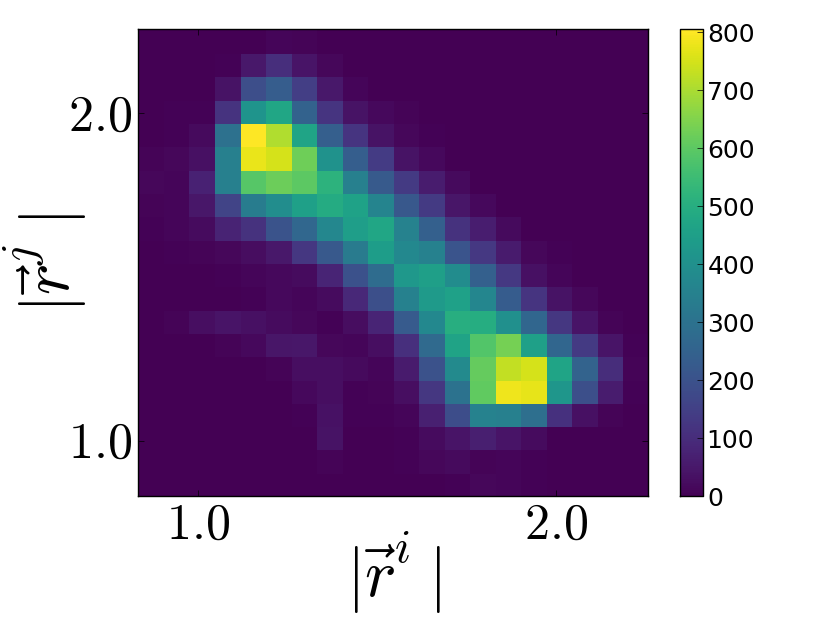 Figure 13
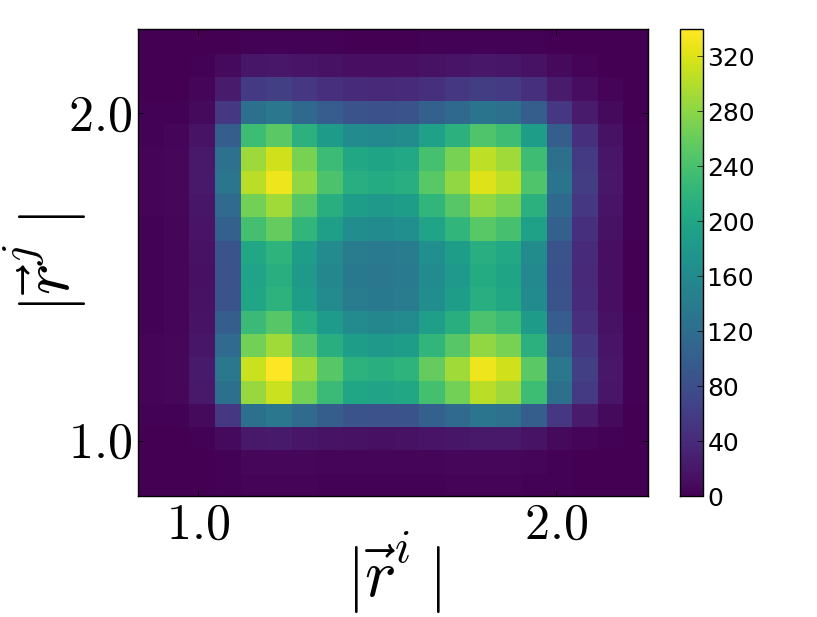 Figure 14
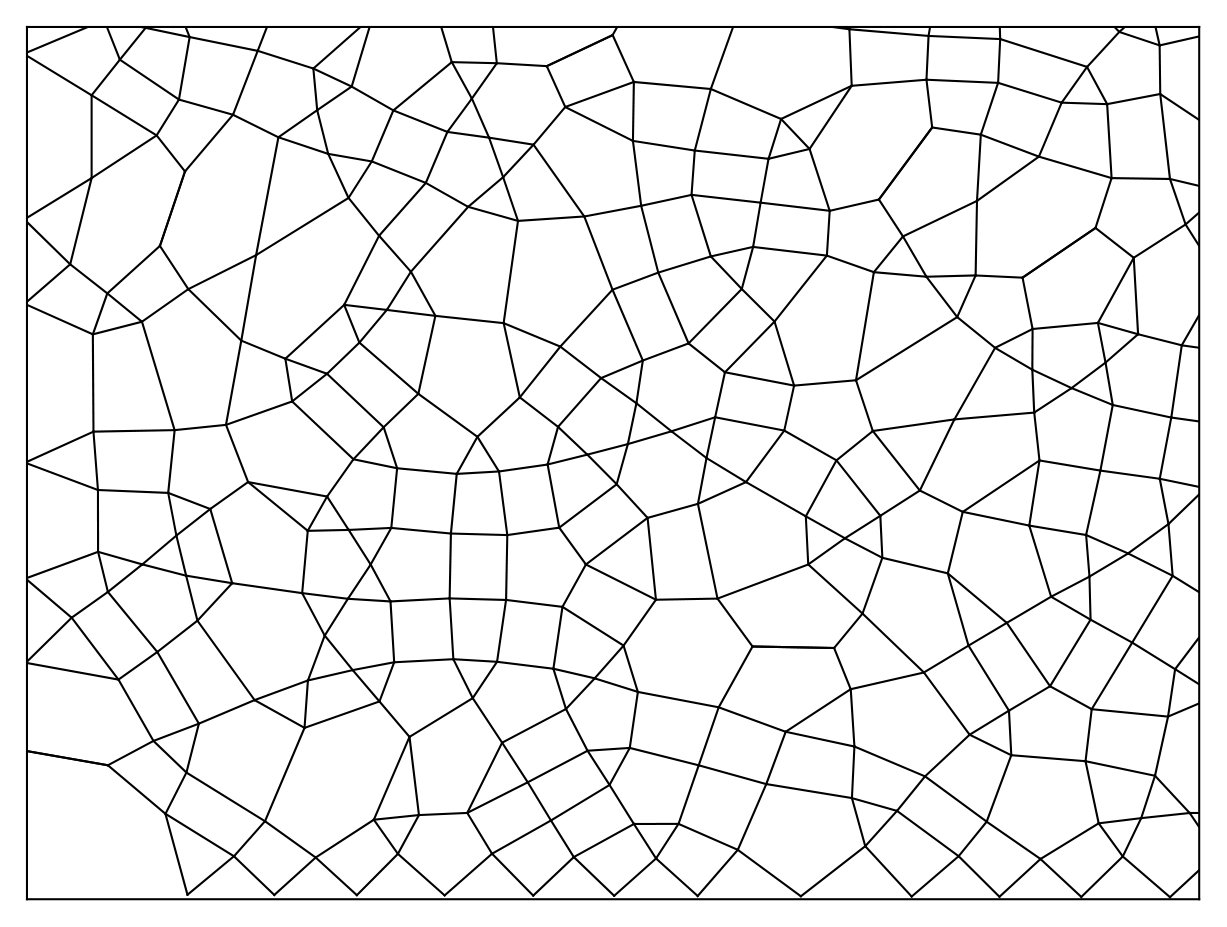 Figure 15
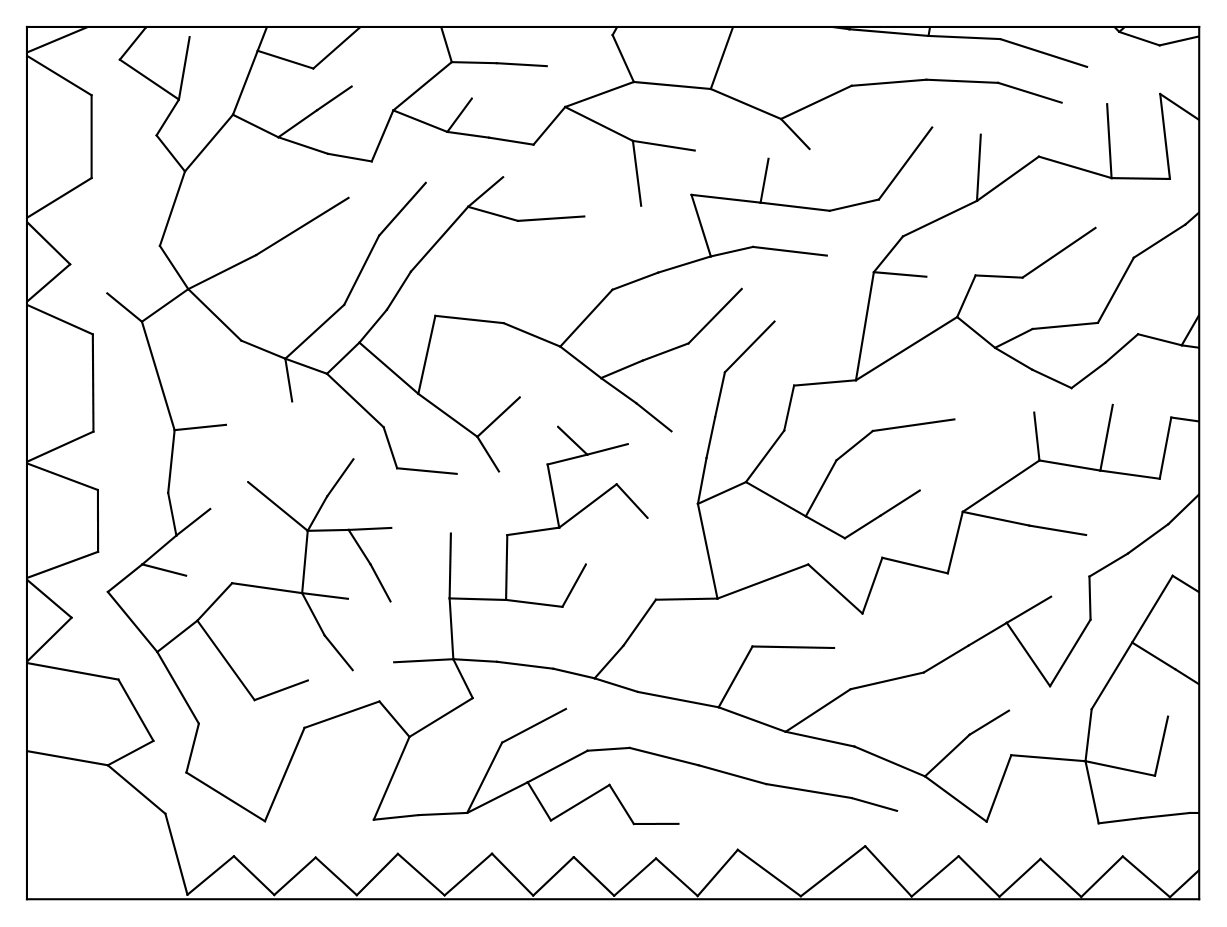 Figure 16
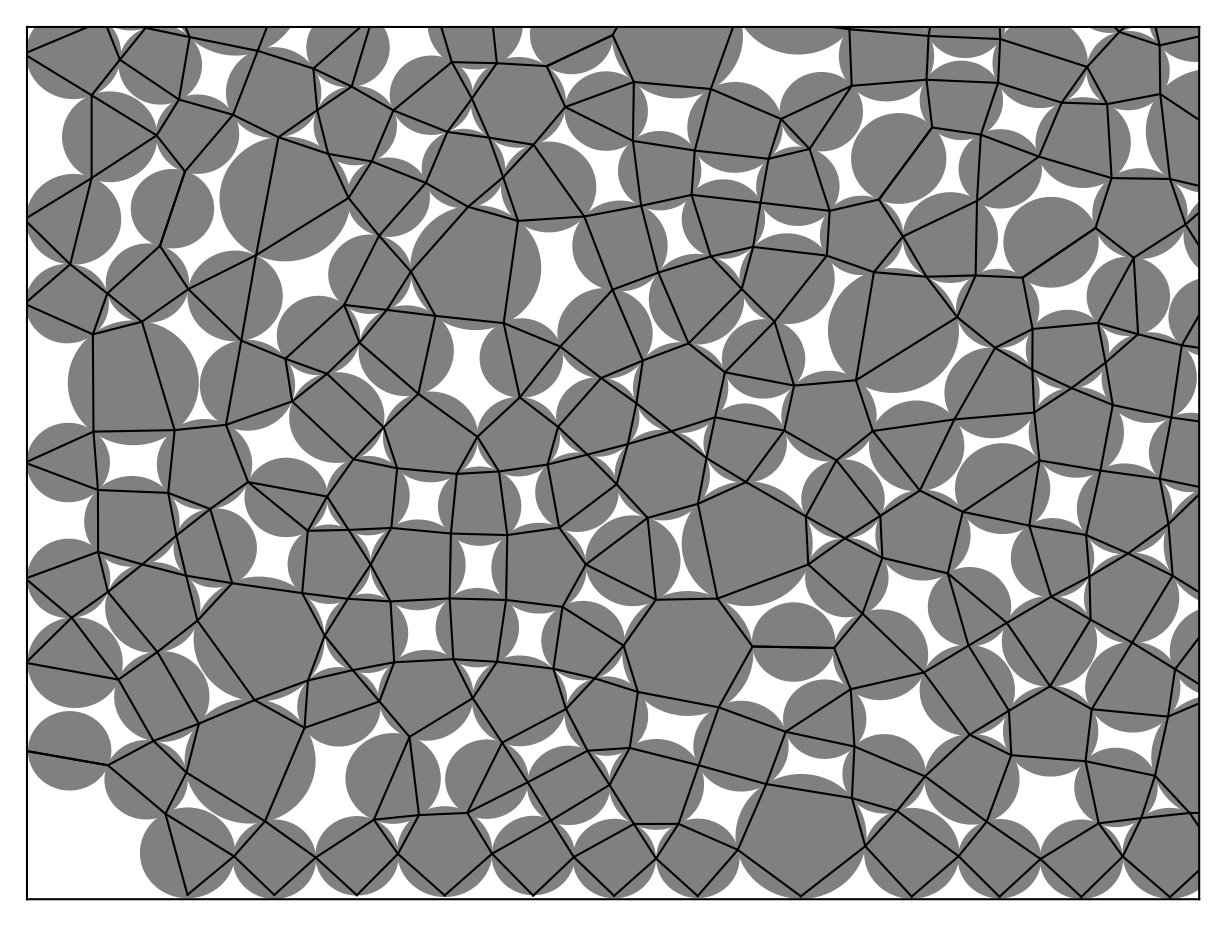 Figure 17
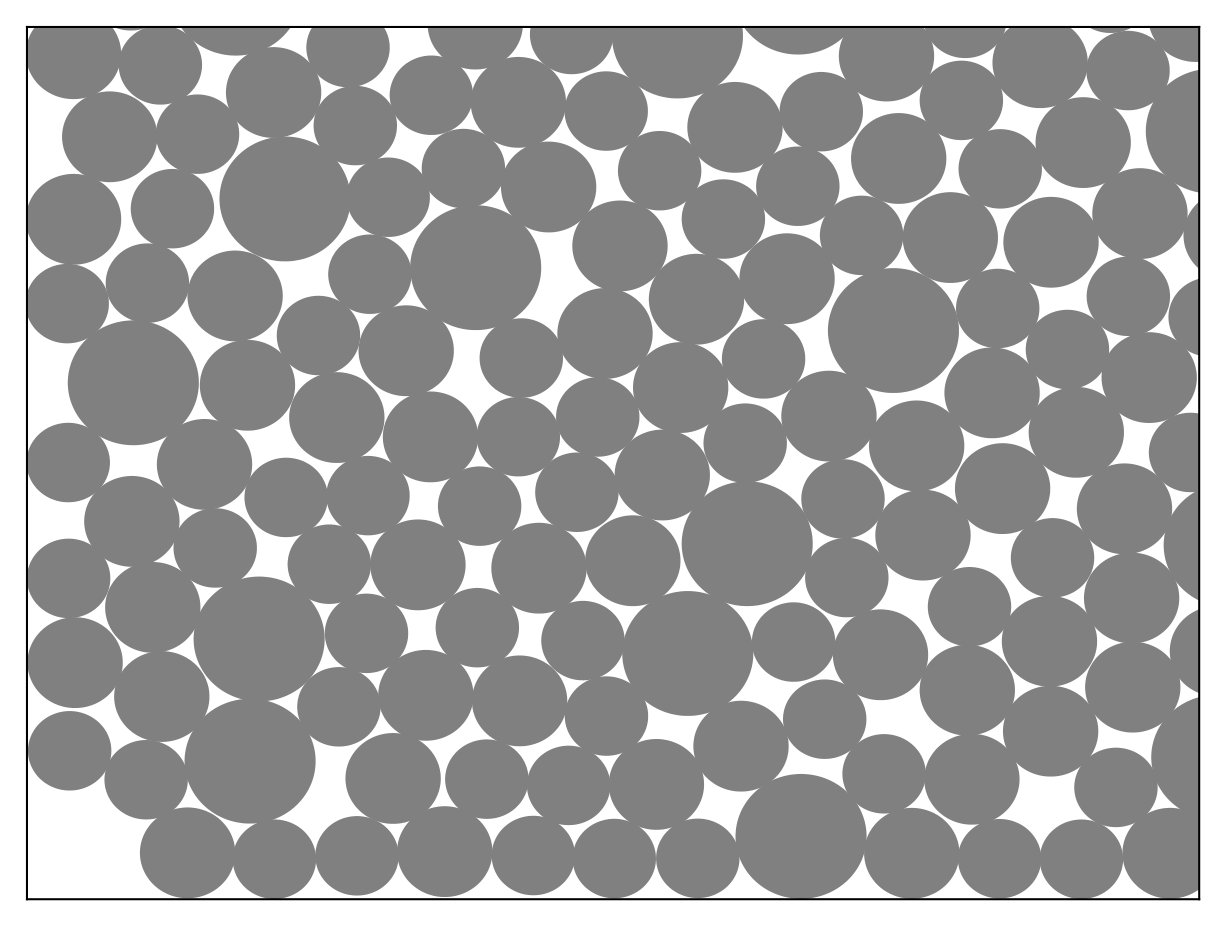 Figure 18
Peer Reviews
No public reviews on file for this paper yet. If you reviewed it on a platform where reviews are public (OpenReview, ICLR, NeurIPS, ICML), you can paste yours below so the community can read it here.
Videos
No videos yet. Explain this paper in a talk, walkthrough, or lecture? Add one.