Slow nonisothermal flows: numerical and asymptotic analysis of the Boltzmann equation
Oleg Rogozin

TL;DR
This paper analyzes slow, nonisothermal gas flows using asymptotic and numerical methods, deriving boundary conditions from the Boltzmann equation and exploring the interplay of thermal stresses.
Contribution
It introduces second-order boundary conditions for the Boltzmann equation and compares asymptotic and numerical solutions for nonisothermal flows.
Findings
Boundary conditions up to second order are derived from the Boltzmann equation.
Numerical solutions support the asymptotic analysis.
The competition between first- and second-order thermal-stress flows is characterized.
Abstract
Slow flows of a slightly rarefied gas under high thermal stresses are considered. The correct fluid-dynamic description of this class of flows is based on the Kogan--Galkin--Friedlander equations, containing some non-Navier--Stokes terms in the momentum equation. Appropriate boundary conditions are determined from the asymptotic analysis of the Knudsen layer on the basis of the Boltzmann equation. Boundary conditions up to the second order of the Knudsen number are studied. Some two-dimensional examples are examined for their comparative analysis. The fluid-dynamic results are supported by numerical solution of the Boltzmann equation obtained by the Tcheremissine's projection-interpolation discrete-velocity method extended for nonuniform grids. The competition pattern between the first- and the second-order nonlinear thermal-stress flows has been obtained for the first time.
Click any figure to enlarge with its caption.
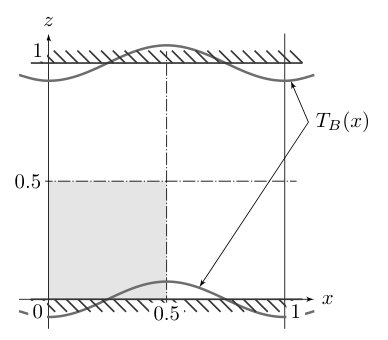 Figure 1
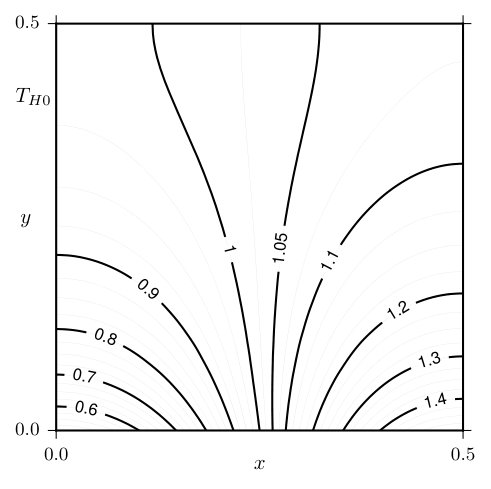 Figure 2
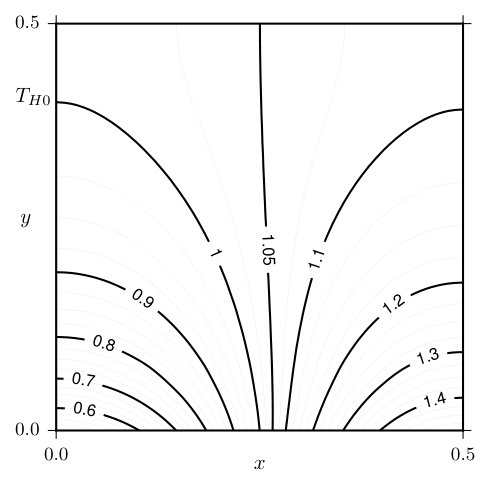 Figure 3
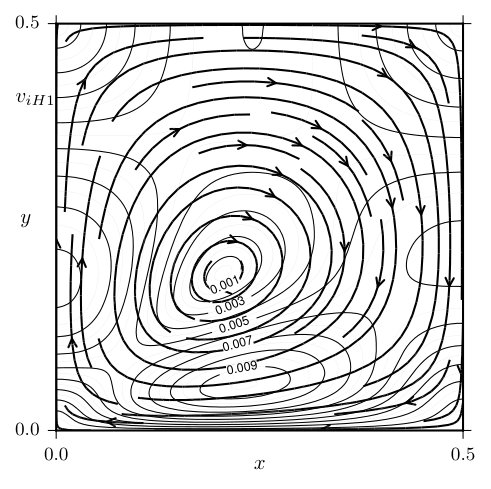 Figure 4
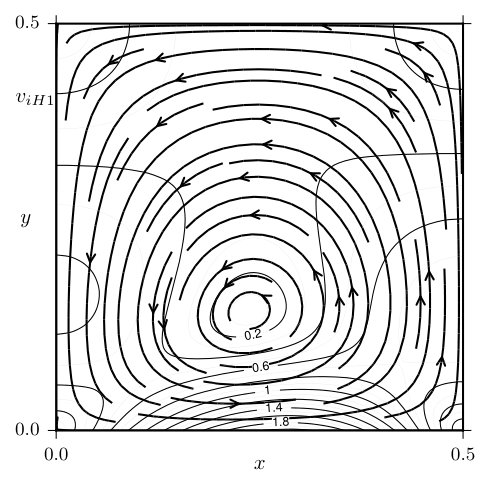 Figure 5
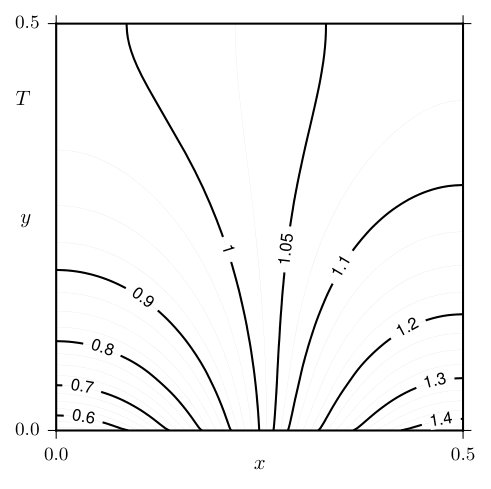 Figure 6
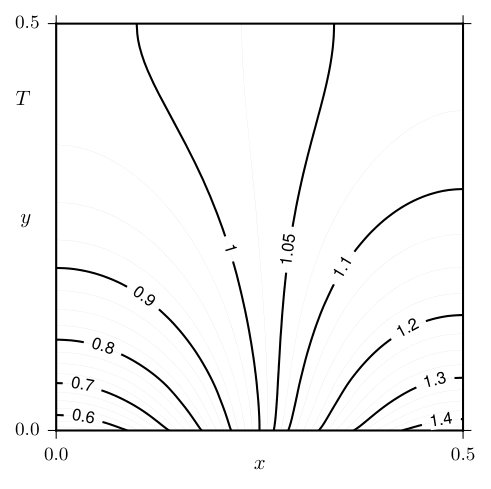 Figure 7
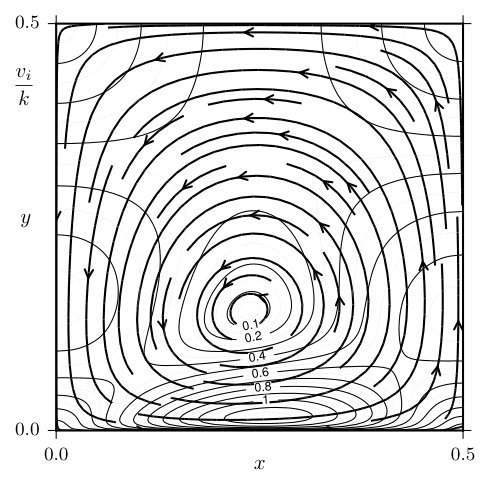 Figure 8
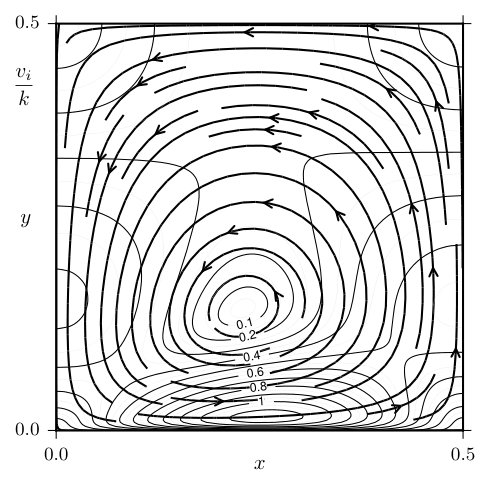 Figure 9
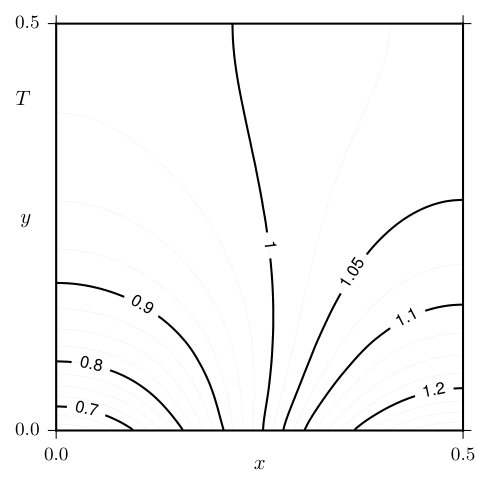 Figure 10
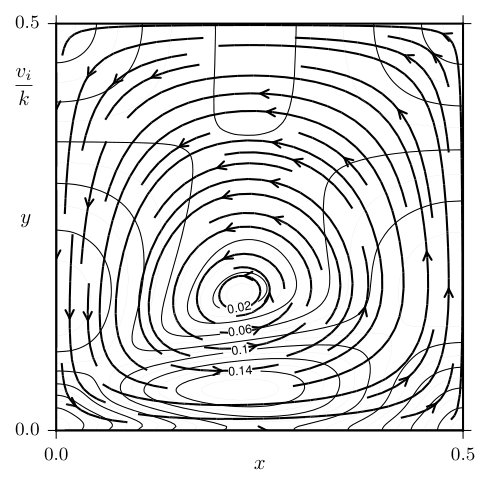 Figure 11
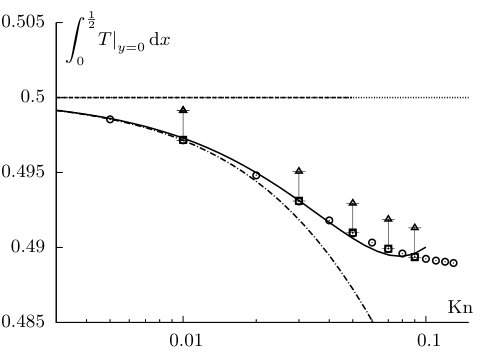 Figure 12
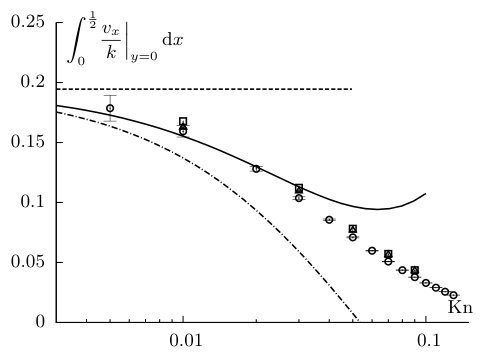 Figure 13
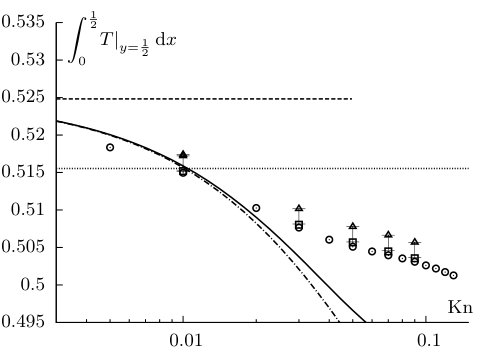 Figure 14
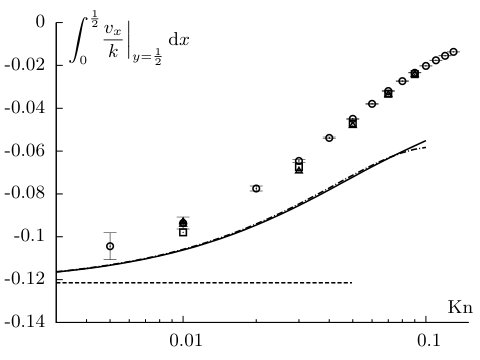 Figure 15
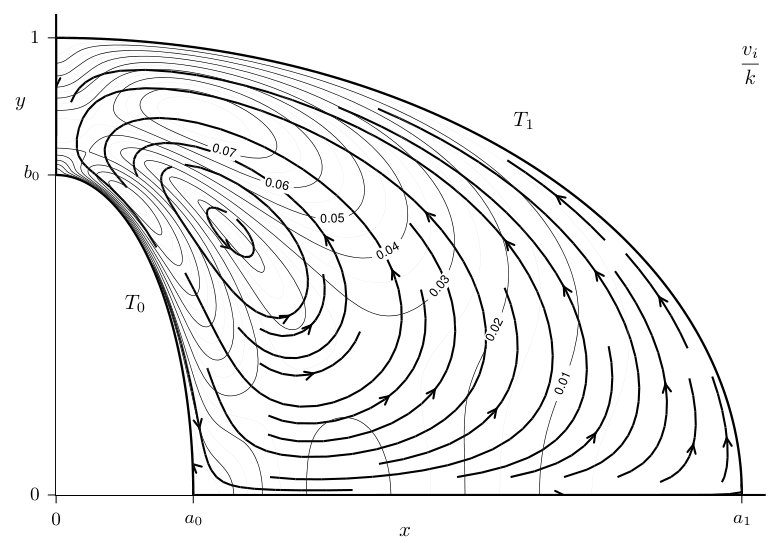 Figure 16
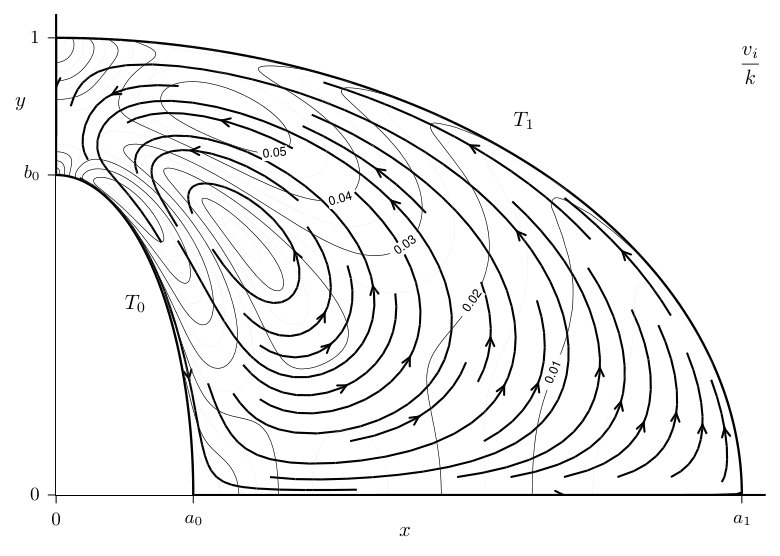 Figure 17
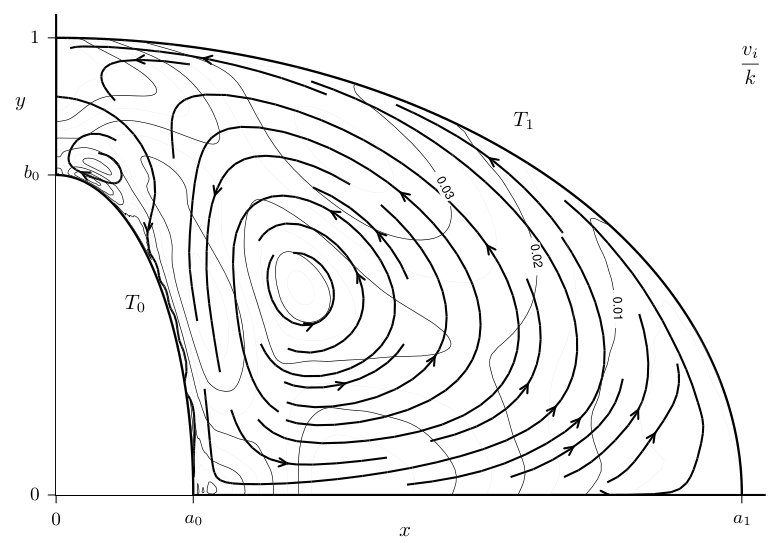 Figure 18
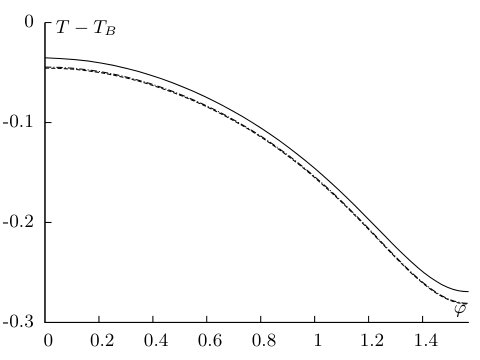 Figure 19
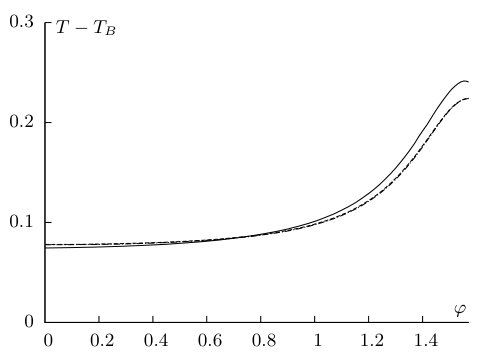 Figure 20
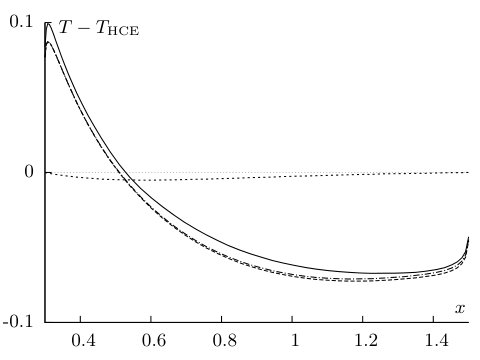 Figure 21
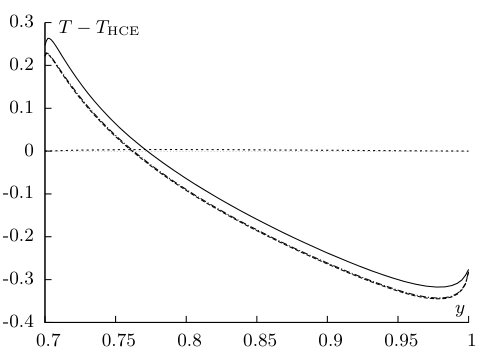 Figure 22
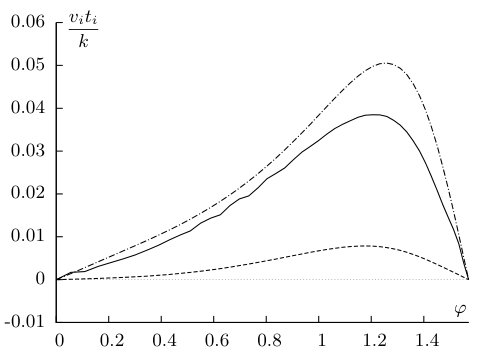 Figure 23
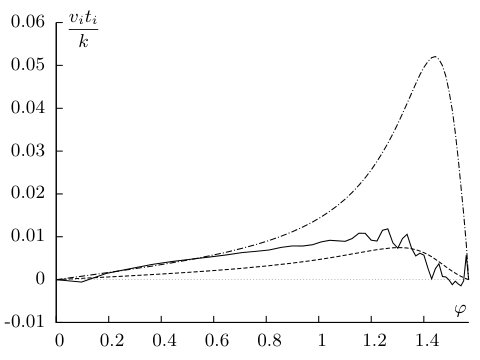 Figure 24
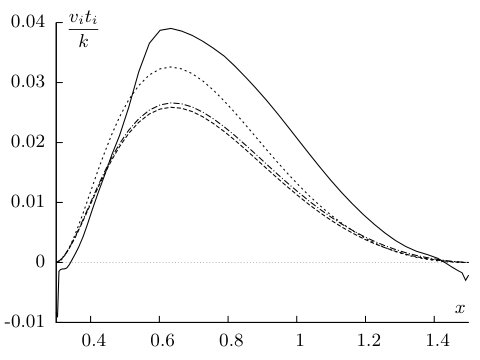 Figure 25
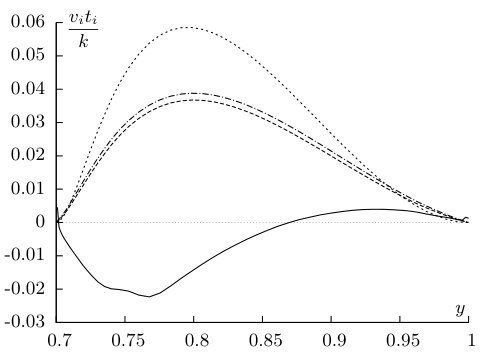 Figure 26
Peer Reviews
No public reviews on file for this paper yet. If you reviewed it on a platform where reviews are public (OpenReview, ICLR, NeurIPS, ICML), you can paste yours below so the community can read it here.
Videos
No videos yet. Explain this paper in a talk, walkthrough, or lecture? Add one.