Robust Intrinsic and Extrinsic Calibration of RGB-D Cameras
Filippo Basso, Emanuele Menegatti, Alberto Pretto

TL;DR
This paper introduces a new calibration framework for RGB-D cameras that improves accuracy, is easy to use, and works across different sensor types, enhancing robotics applications like mapping and object recognition.
Contribution
A novel two-component error model and calibration protocol that unifies error sources and improves calibration accuracy for various RGB-D sensors.
Findings
Enhanced calibration accuracy over existing methods
Applicable to different RGB-D sensor technologies
Validated through extensive experiments and comparisons
Abstract
Color-depth cameras (RGB-D cameras) have become the primary sensors in most robotics systems, from service robotics to industrial robotics applications. Typical consumer-grade RGB-D cameras are provided with a coarse intrinsic and extrinsic calibration that generally does not meet the accuracy requirements needed by many robotics applications (e.g., highly accurate 3D environment reconstruction and mapping, high precision object recognition and localization, ...). In this paper, we propose a human-friendly, reliable and accurate calibration framework that enables to easily estimate both the intrinsic and extrinsic parameters of a general color-depth sensor couple. Our approach is based on a novel two components error model. This model unifies the error sources of RGB-D pairs based on different technologies, such as structured-light 3D cameras and time-of-flight cameras. Our method…
Click any figure to enlarge with its caption.
 Figure 1
 Figure 2
 Figure 3
 Figure 4
 Figure 5
 Figure 6
 Figure 7
 Figure 8
 Figure 9
 Figure 10
 Figure 11
 Figure 12
 Figure 13
 Figure 14
 Figure 15
 Figure 16
 Figure 17
 Figure 18
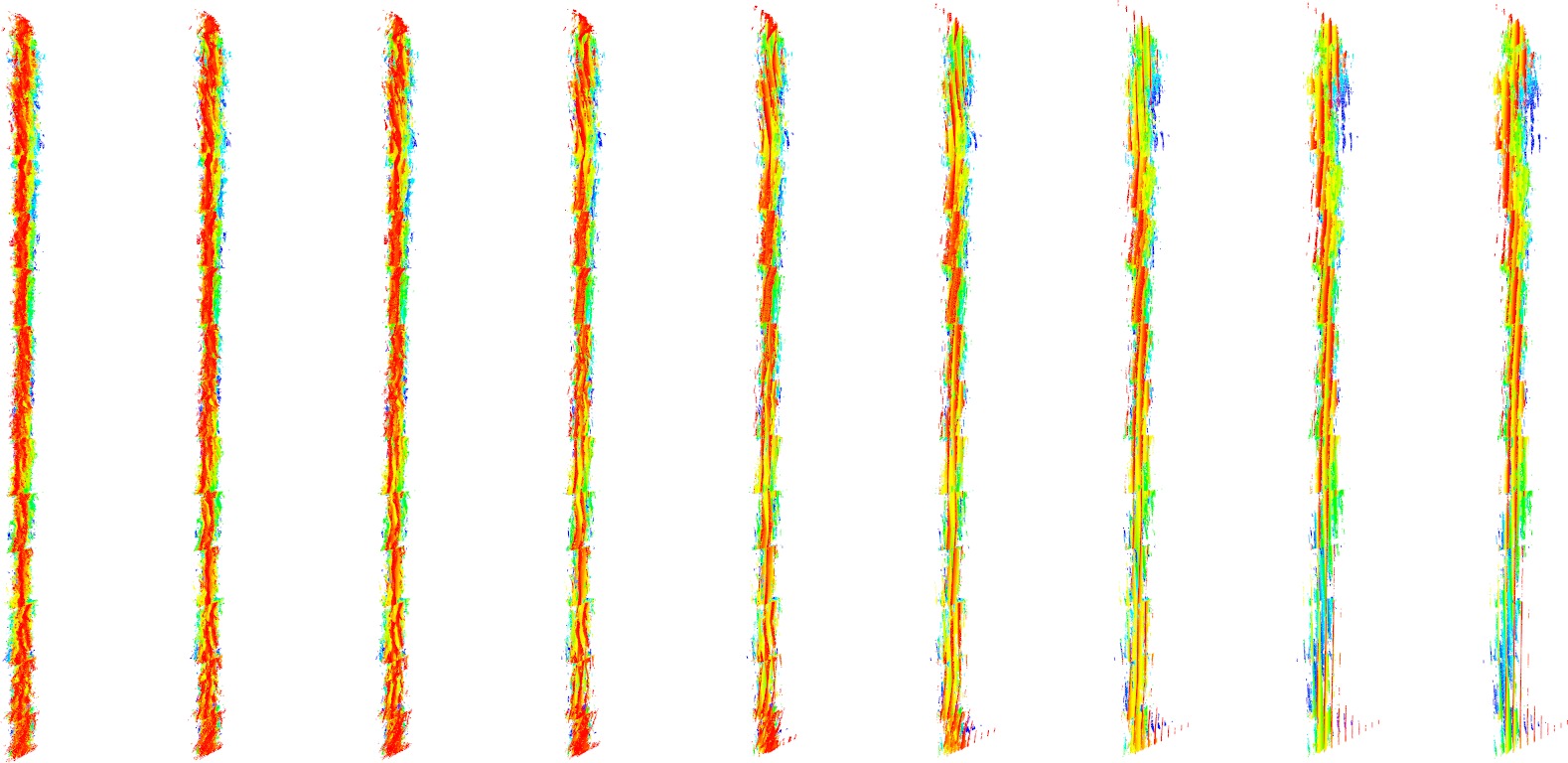 Figure 19
 Figure 20
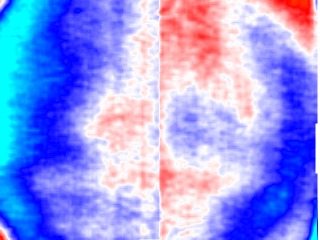 Figure 21
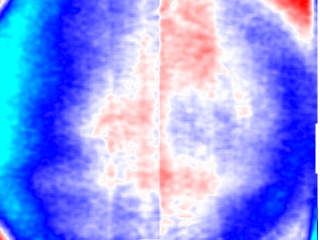 Figure 22
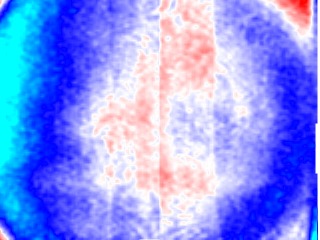 Figure 23
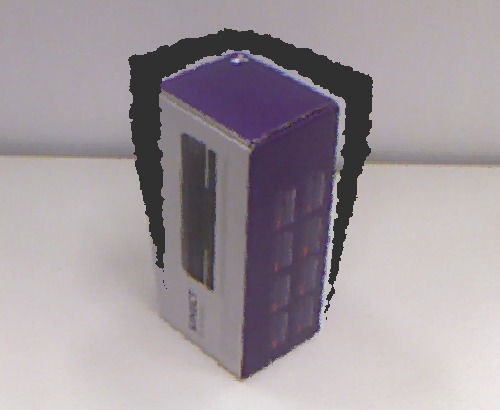 Figure 24
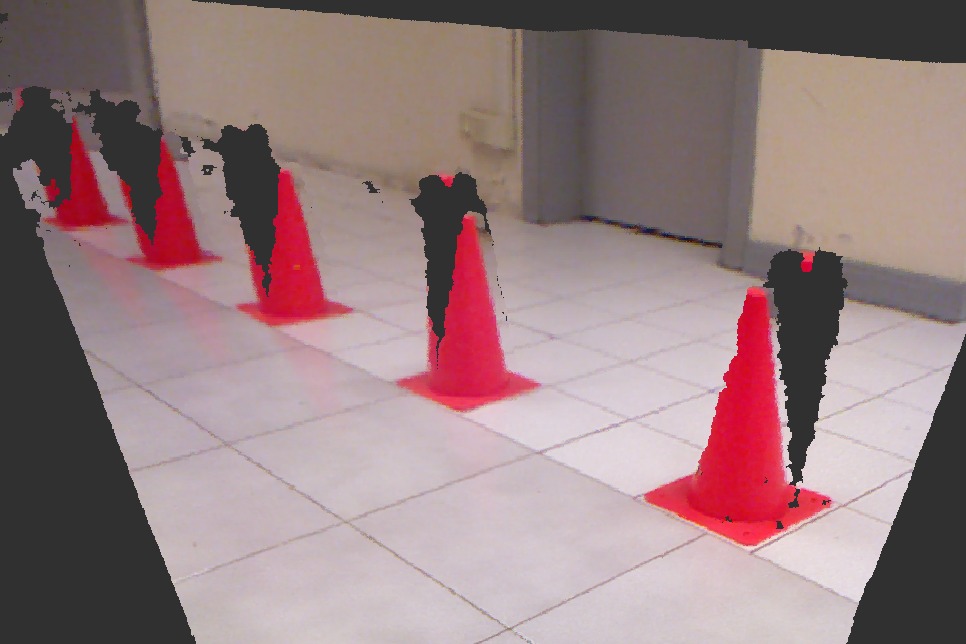 Figure 25
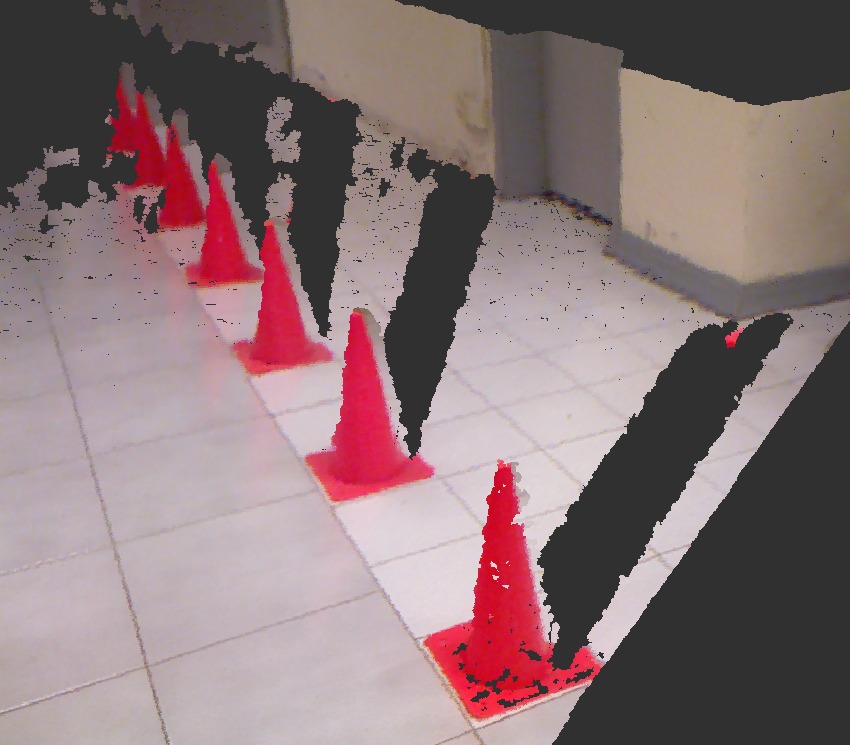 Figure 26
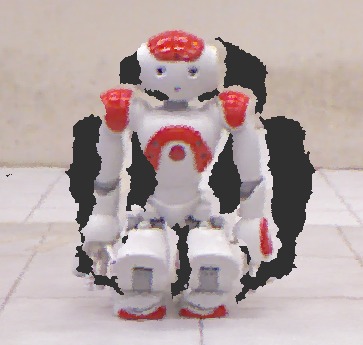 Figure 27
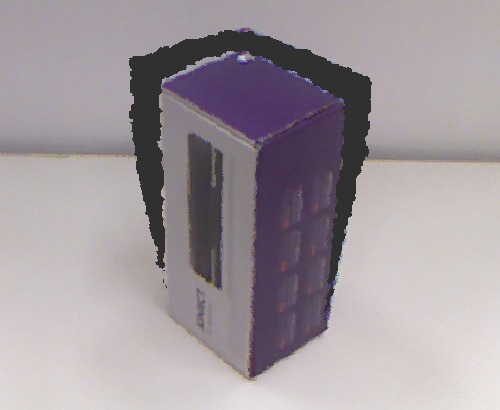 Figure 28
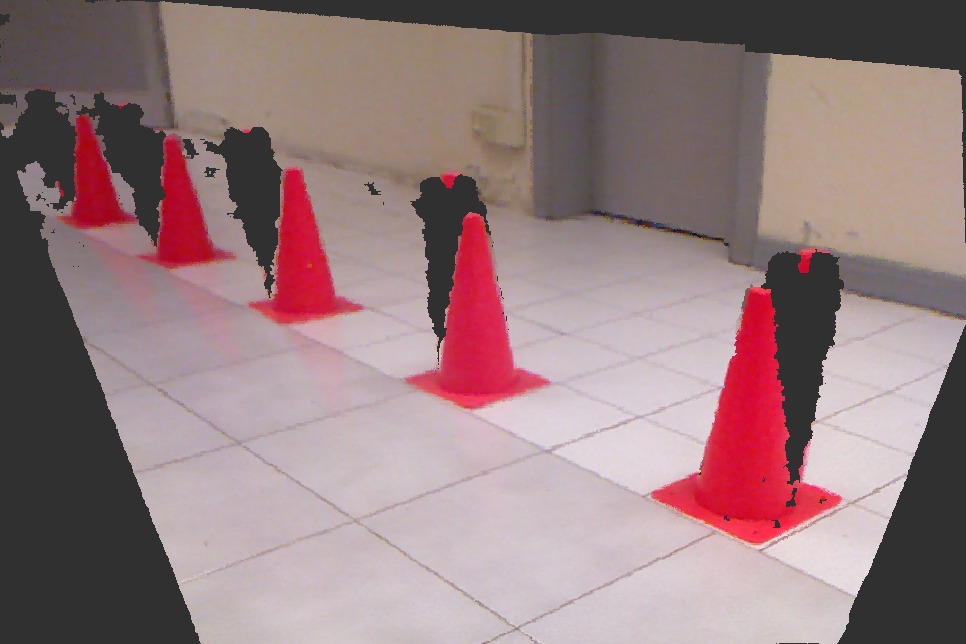 Figure 29
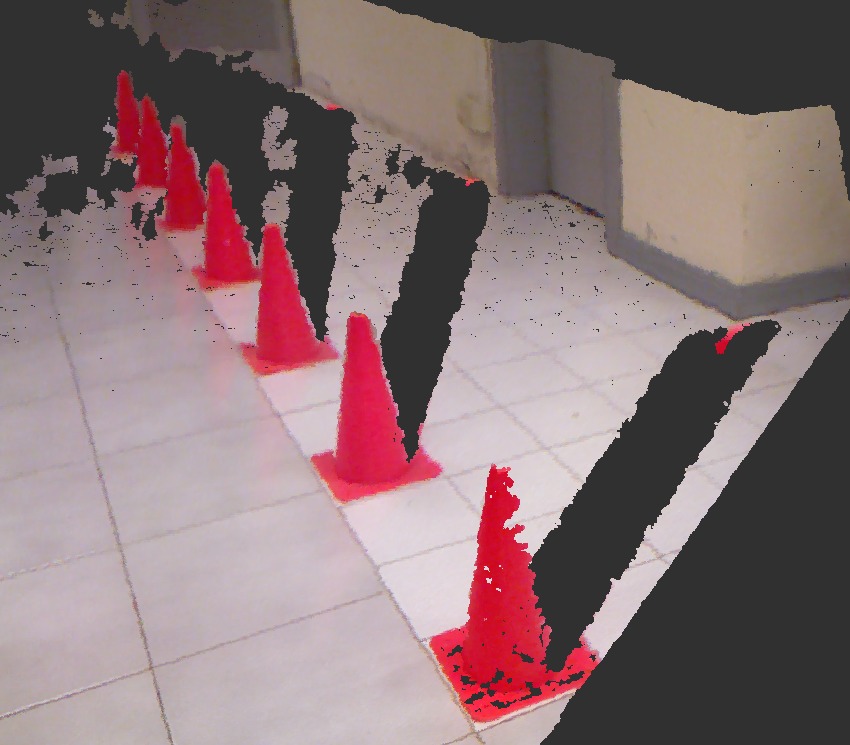 Figure 30
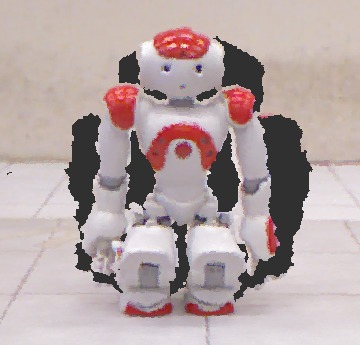 Figure 31
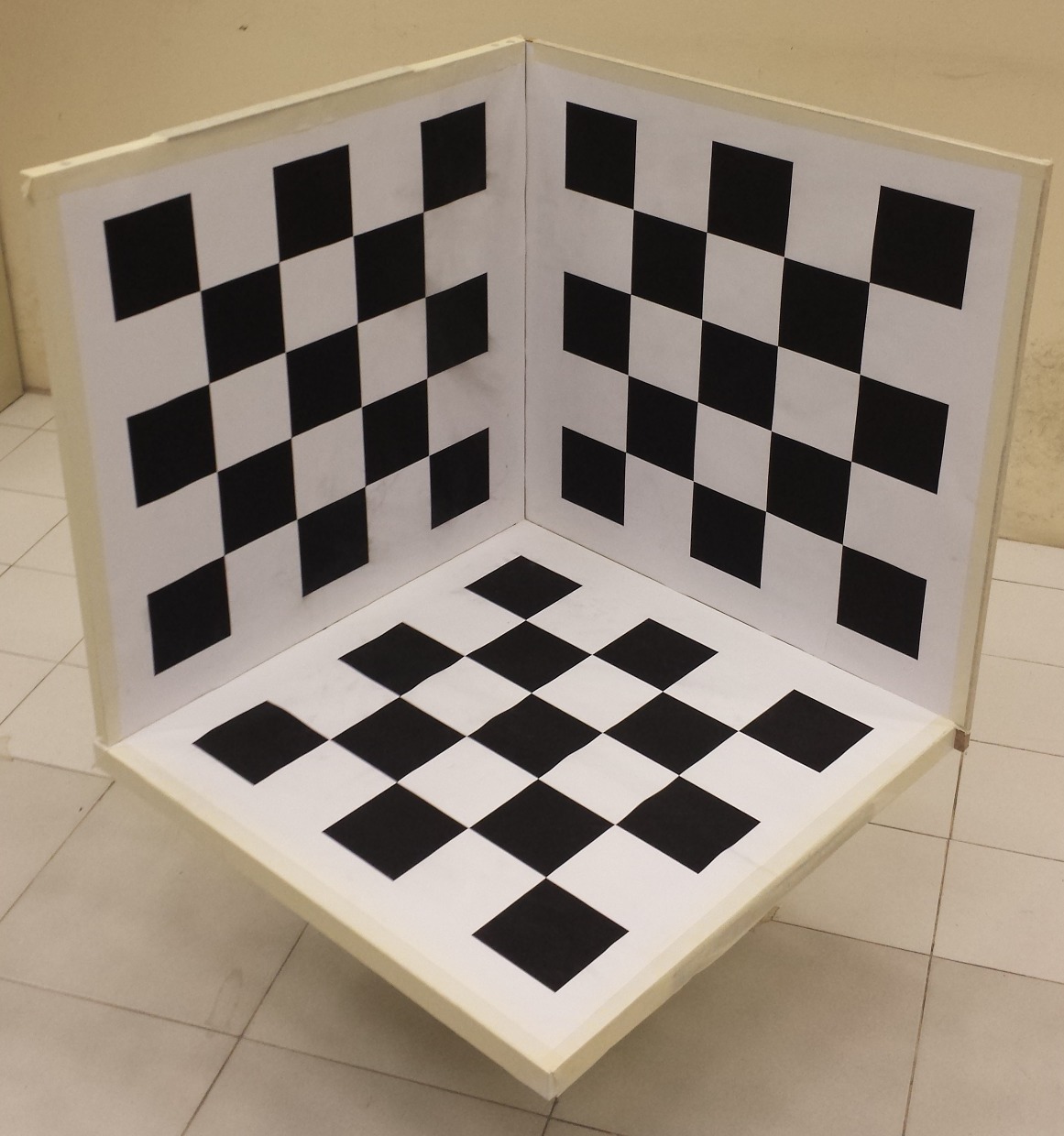 Figure 32
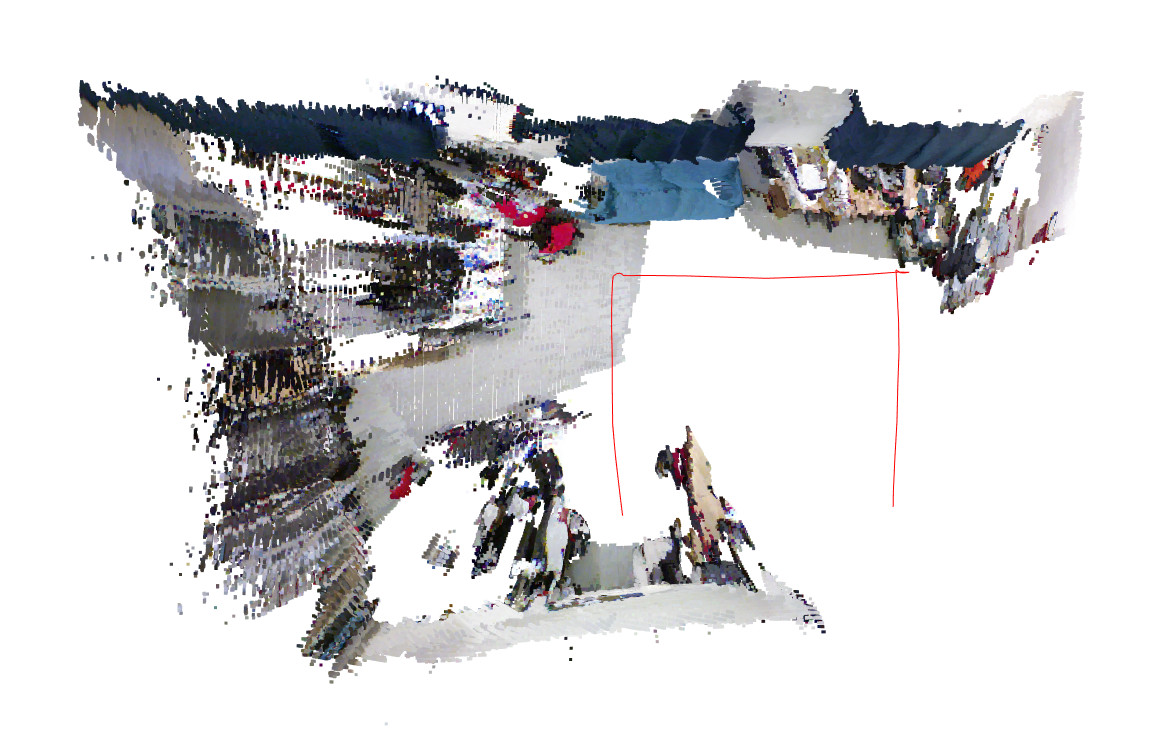 Figure 33
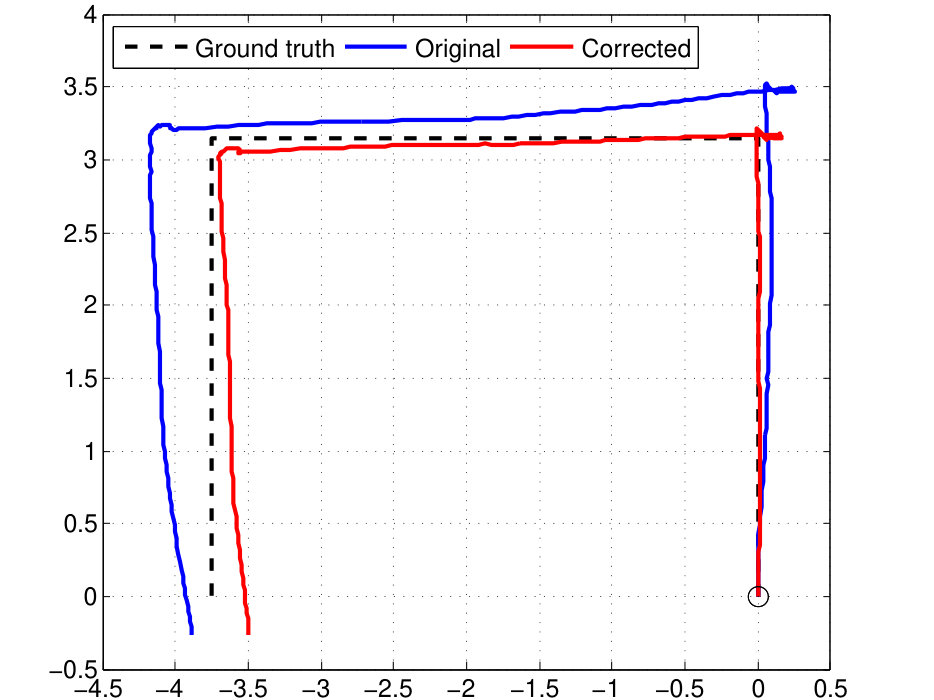 Figure 34
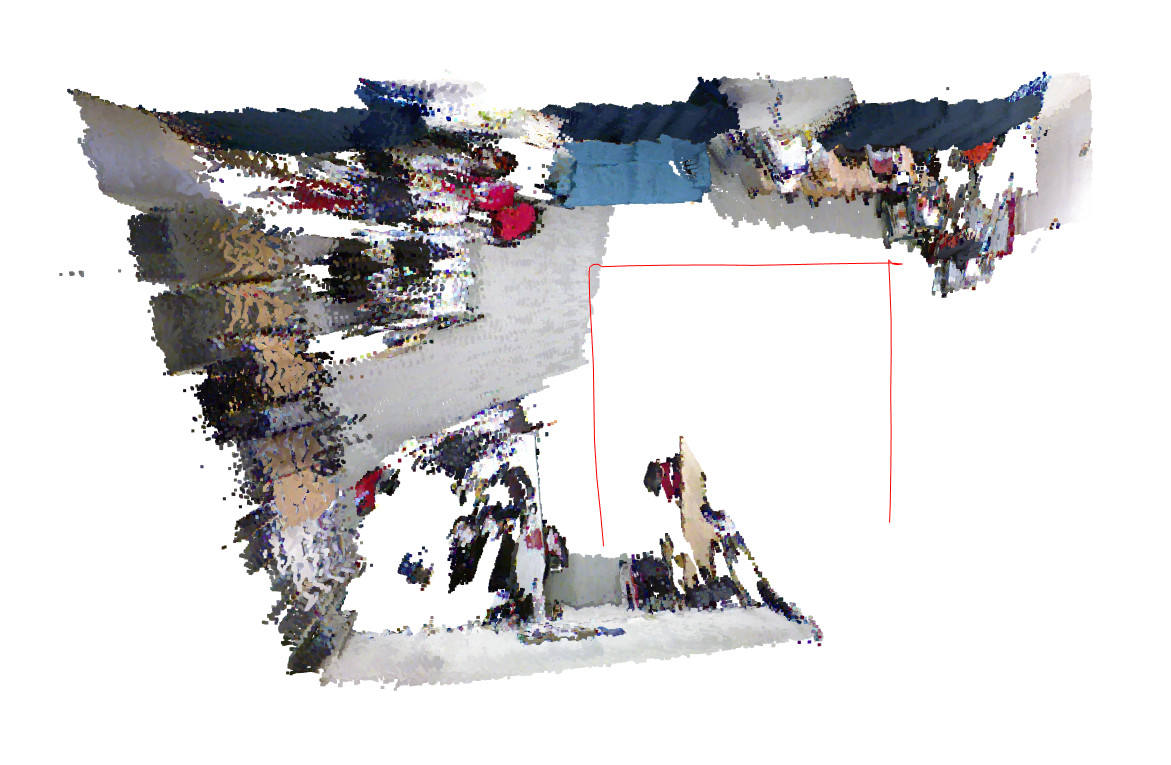 Figure 35
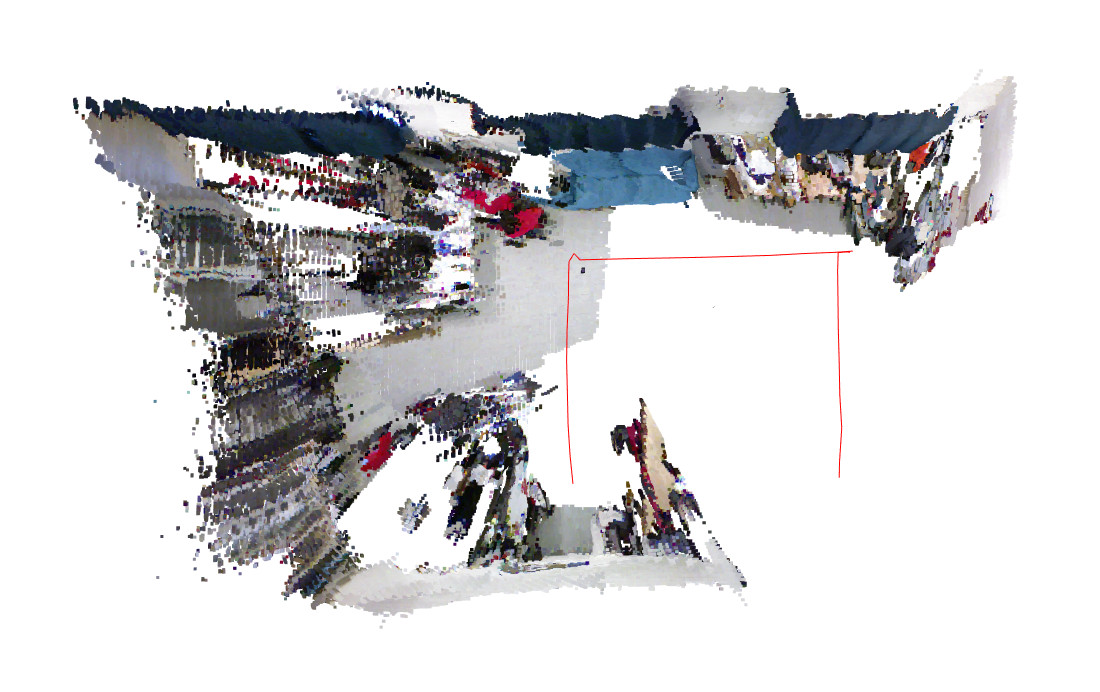 Figure 36
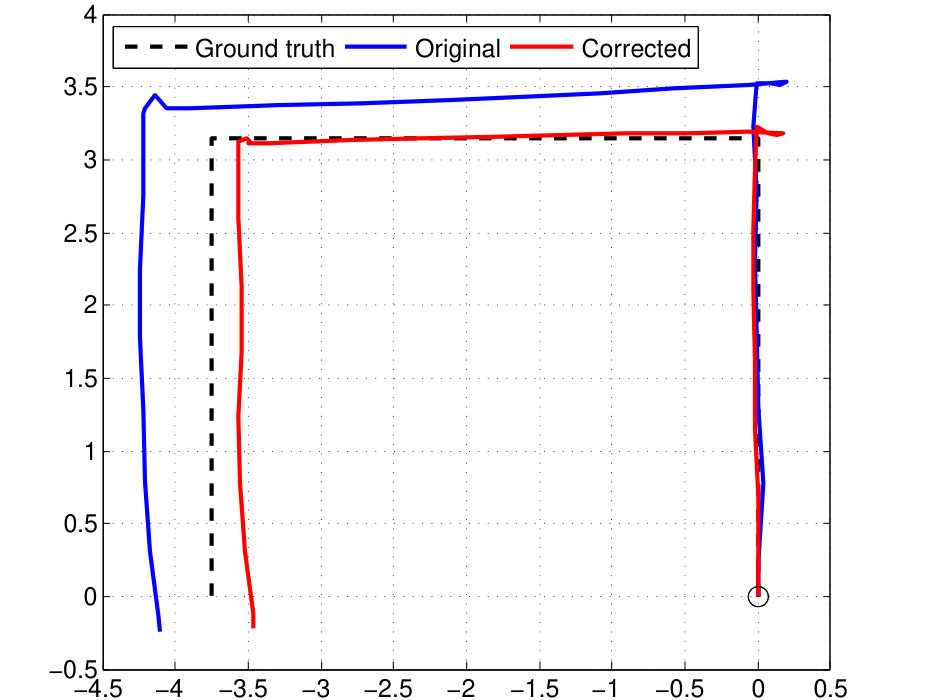 Figure 37
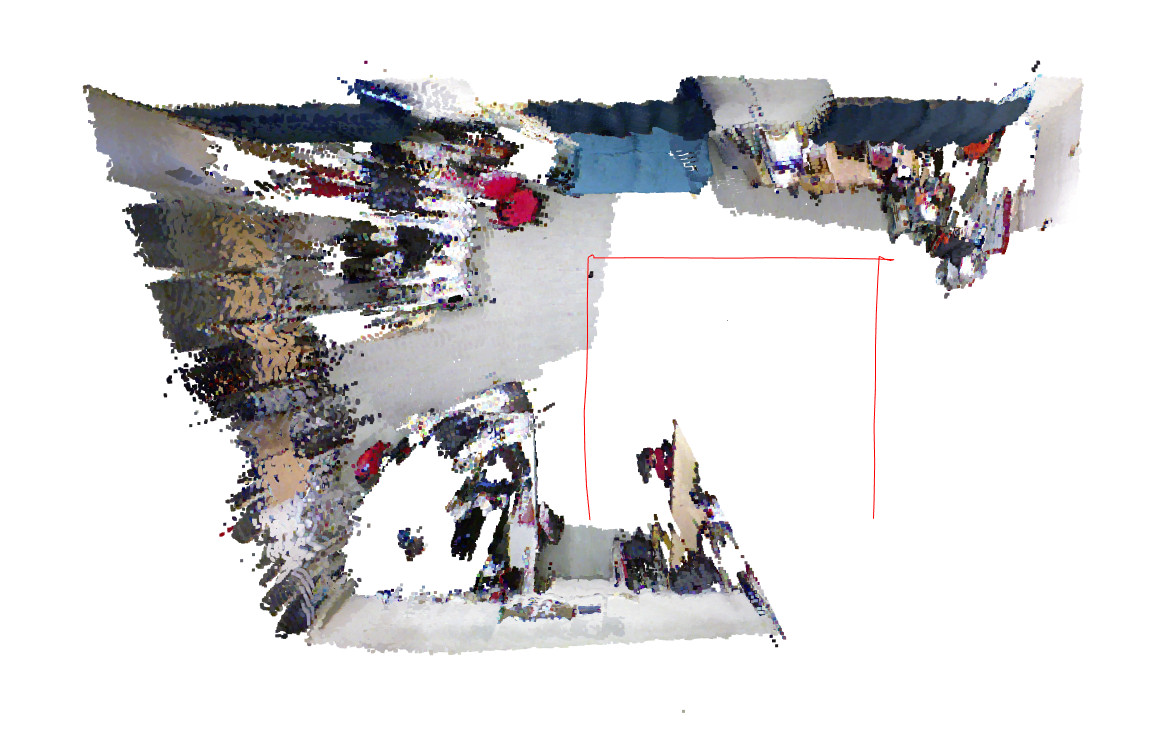 Figure 38
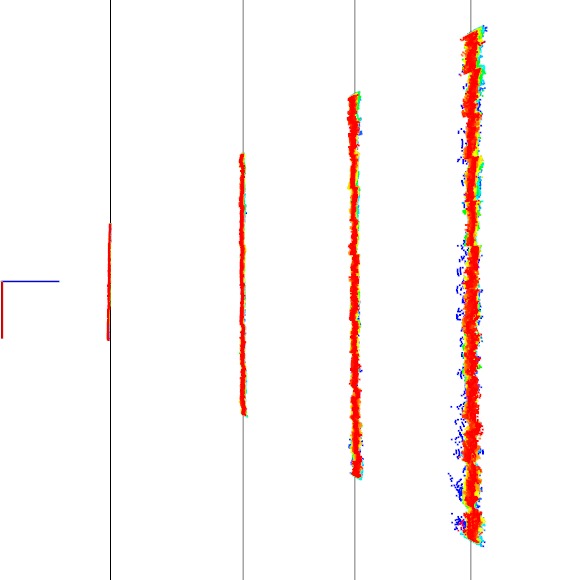 Figure 39
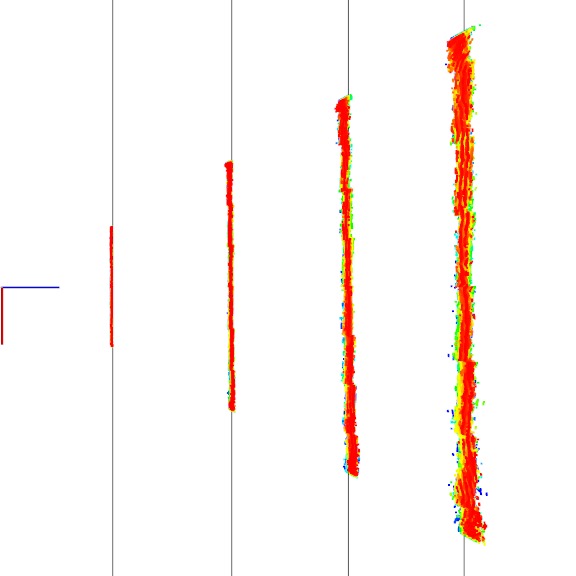 Figure 40
Peer Reviews
No public reviews on file for this paper yet. If you reviewed it on a platform where reviews are public (OpenReview, ICLR, NeurIPS, ICML), you can paste yours below so the community can read it here.
Videos
No videos yet. Explain this paper in a talk, walkthrough, or lecture? Add one.