ALPs Effective Field Theory and Collider Signatures
I. Brivio, M.B. Gavela, L. Merlo, K. Mimasu, J.M. No, R. del Rey,, V.Sanz

TL;DR
This paper investigates effective interactions between the Standard Model and a singlet CP-odd Goldstone boson, comparing linear and non-linear electroweak symmetry breaking frameworks, and explores collider signatures and bounds.
Contribution
It determines the leading effective operators in non-linear frameworks and compares them with linear expansions, analyzing collider signals and future experimental sensitivities.
Findings
Mono-Z, mono-W, and W-photon signals are promising at colliders.
Non-standard Higgs decays and mono-Higgs signatures are prominent in non-linear scenarios.
New bounds and future sensitivities for collider searches are derived.
Abstract
We study the leading effective interactions between the Standard Model fields and a generic singlet CP-odd (pseudo)Goldstone boson. Two possible frameworks for electroweak symmetry breaking are considered: linear and non-linear. For the latter case, the basis of leading effective operators is determined and compared with that for the linear expansion. Associated phenomenological signals at colliders are explored for both scenarios, deriving new bounds and analyzing future prospects, including LHC and High Luminosity LHC sensitivities. Mono-, mono-, -photon plus missing energy and on-shell top final states are most promising signals expected in both frameworks. In addition, non-standard Higgs decays and mono-Higgs signatures are especially prominent and expected to be dominant in non-linear realizations.
Click any figure to enlarge with its caption.
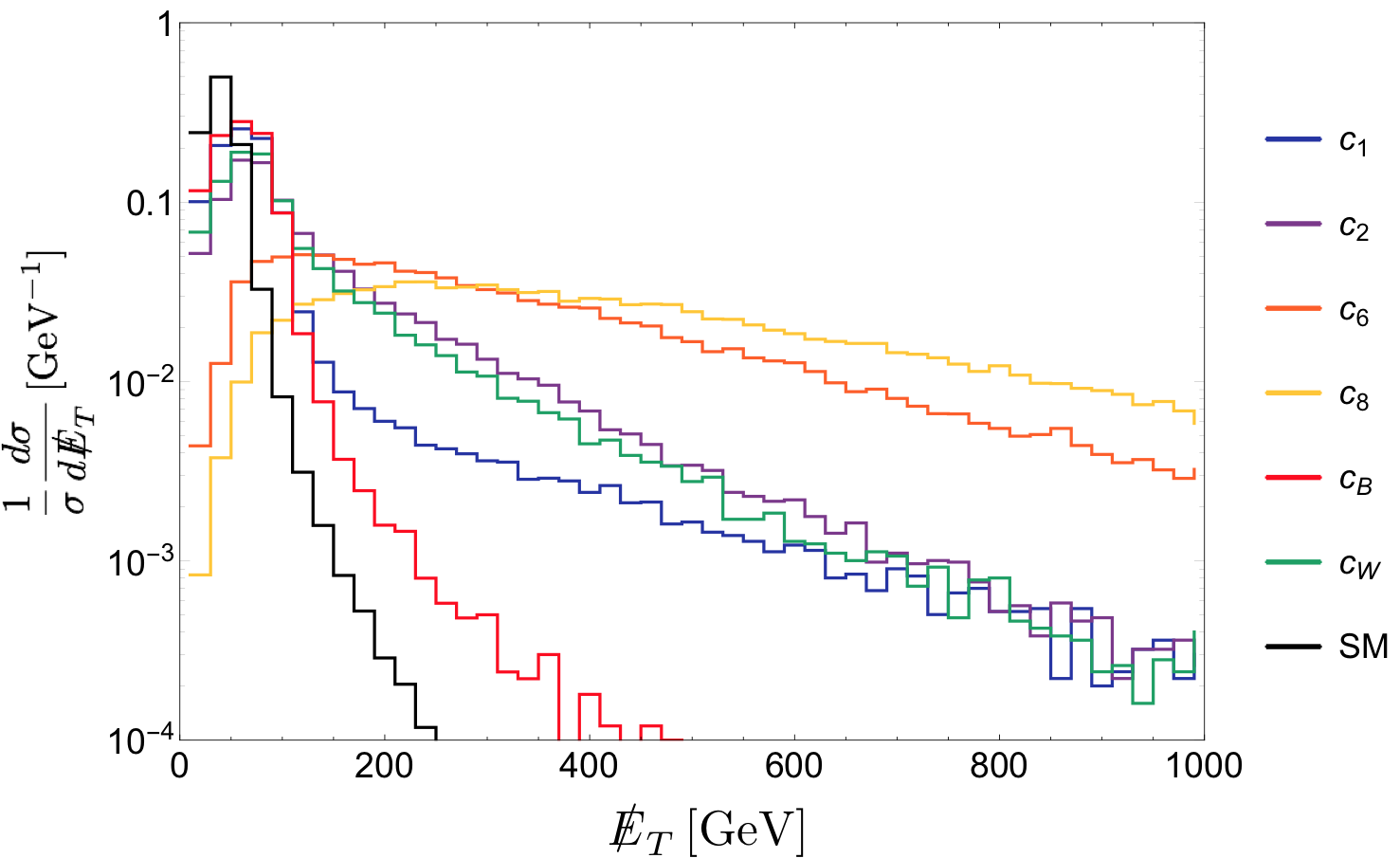 Figure 1
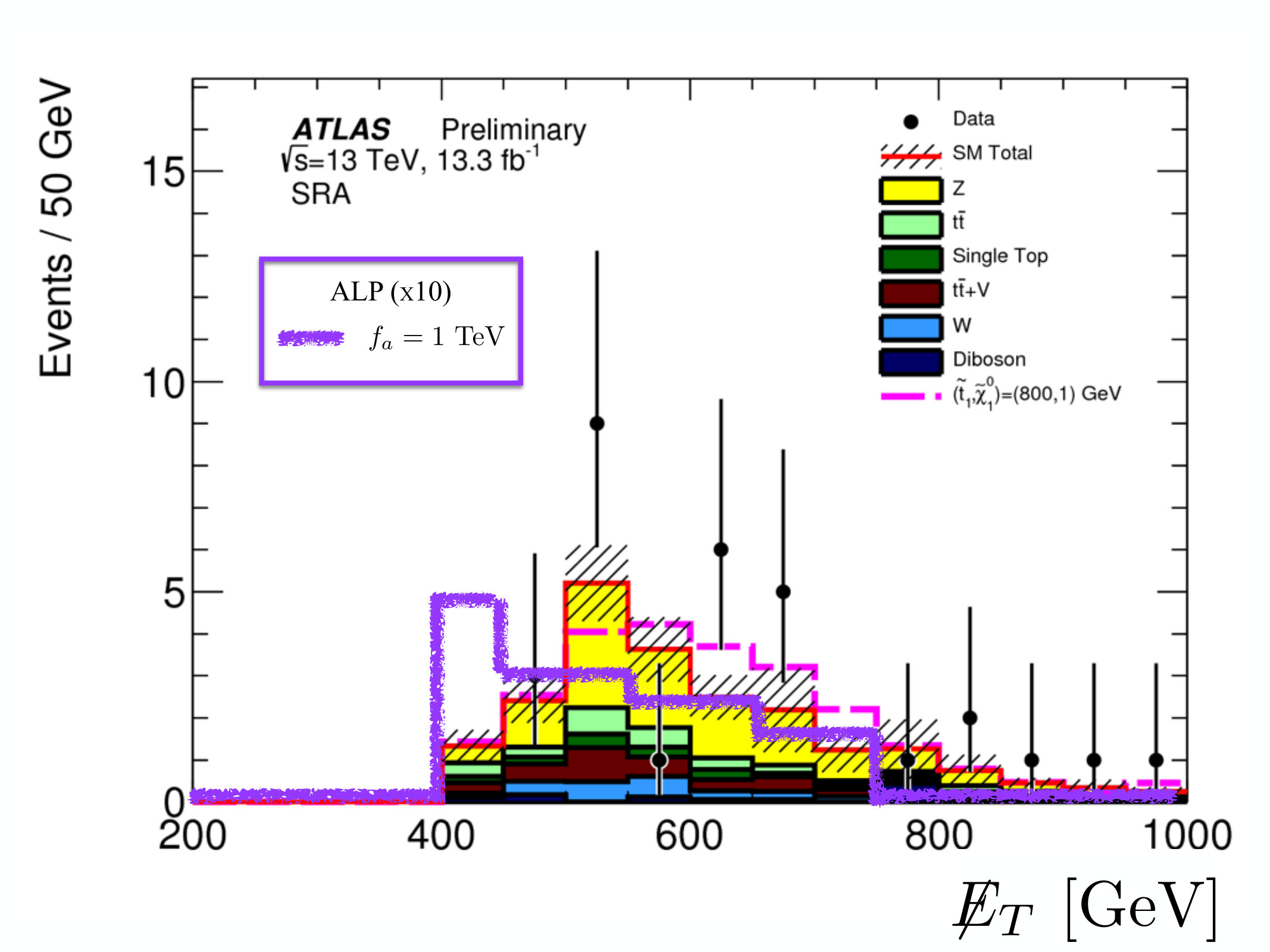 Figure 2
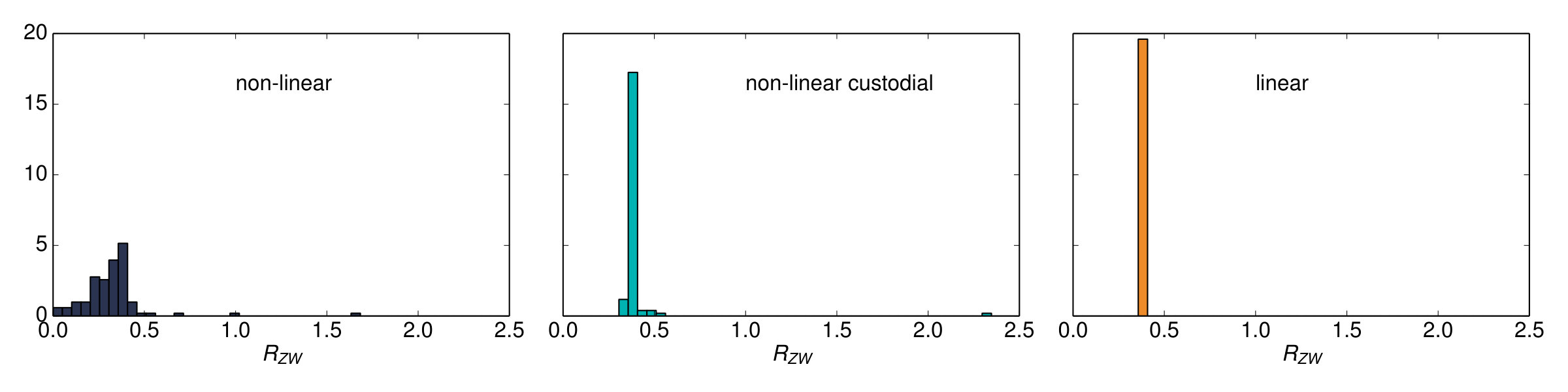 Figure 3
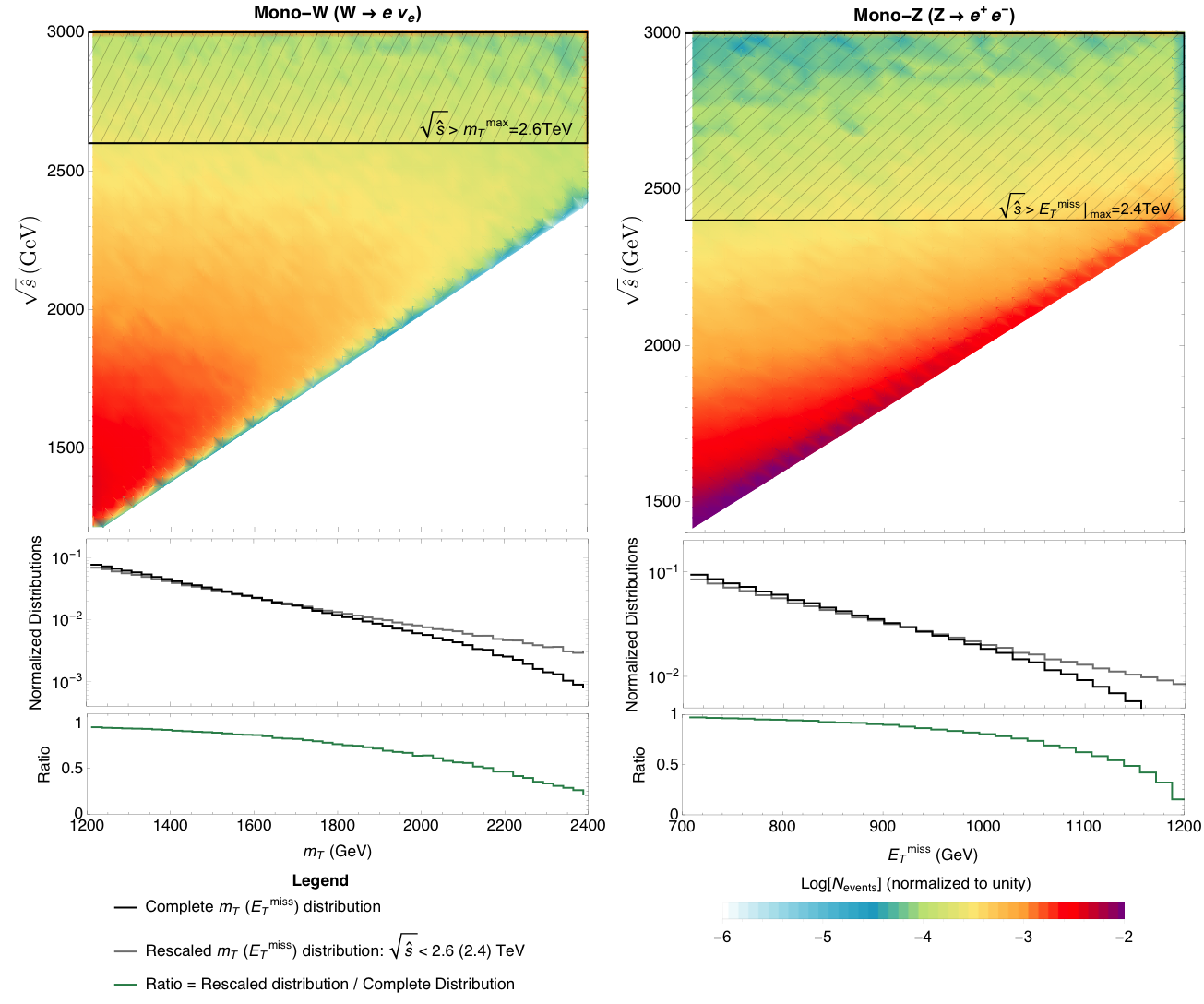 Figure 4
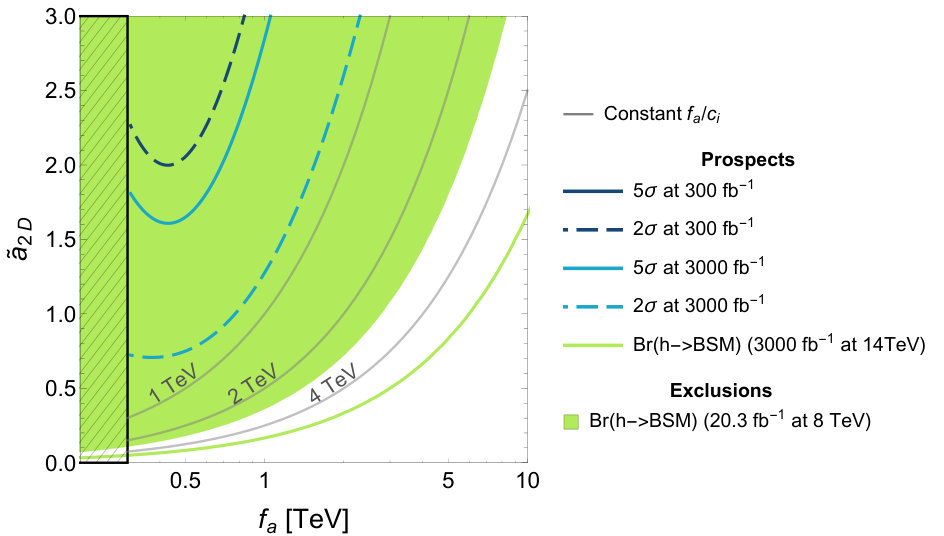 Figure 5
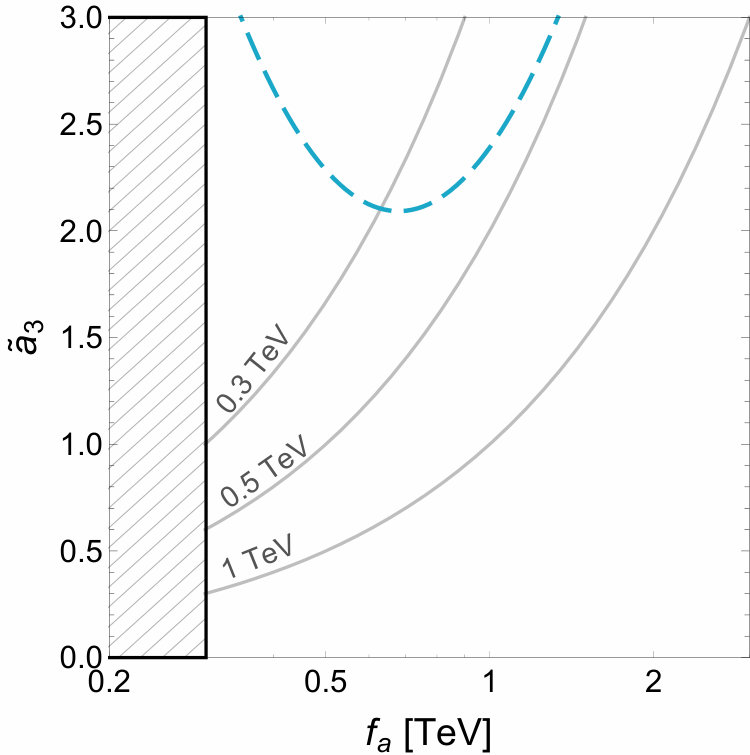 Figure 6
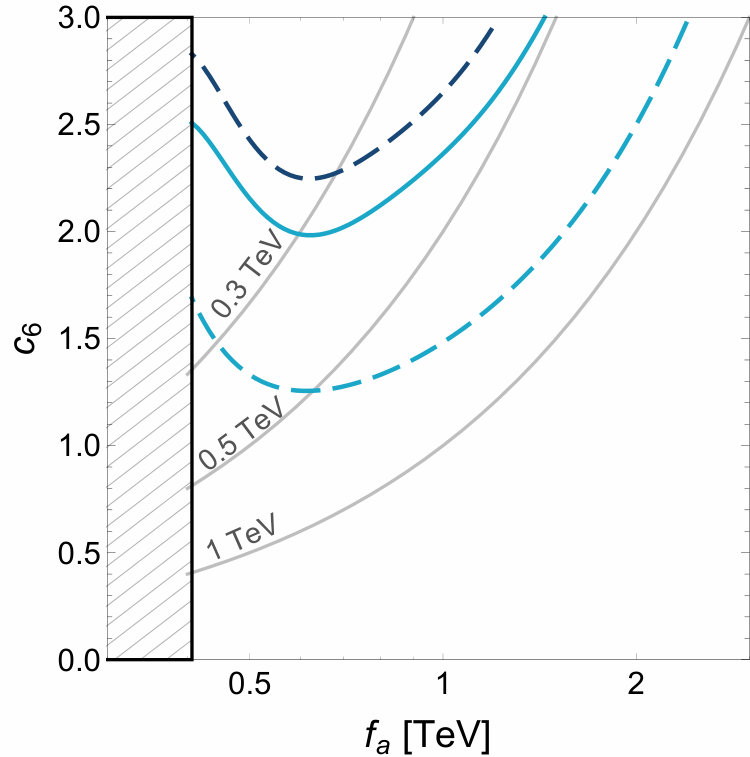 Figure 7
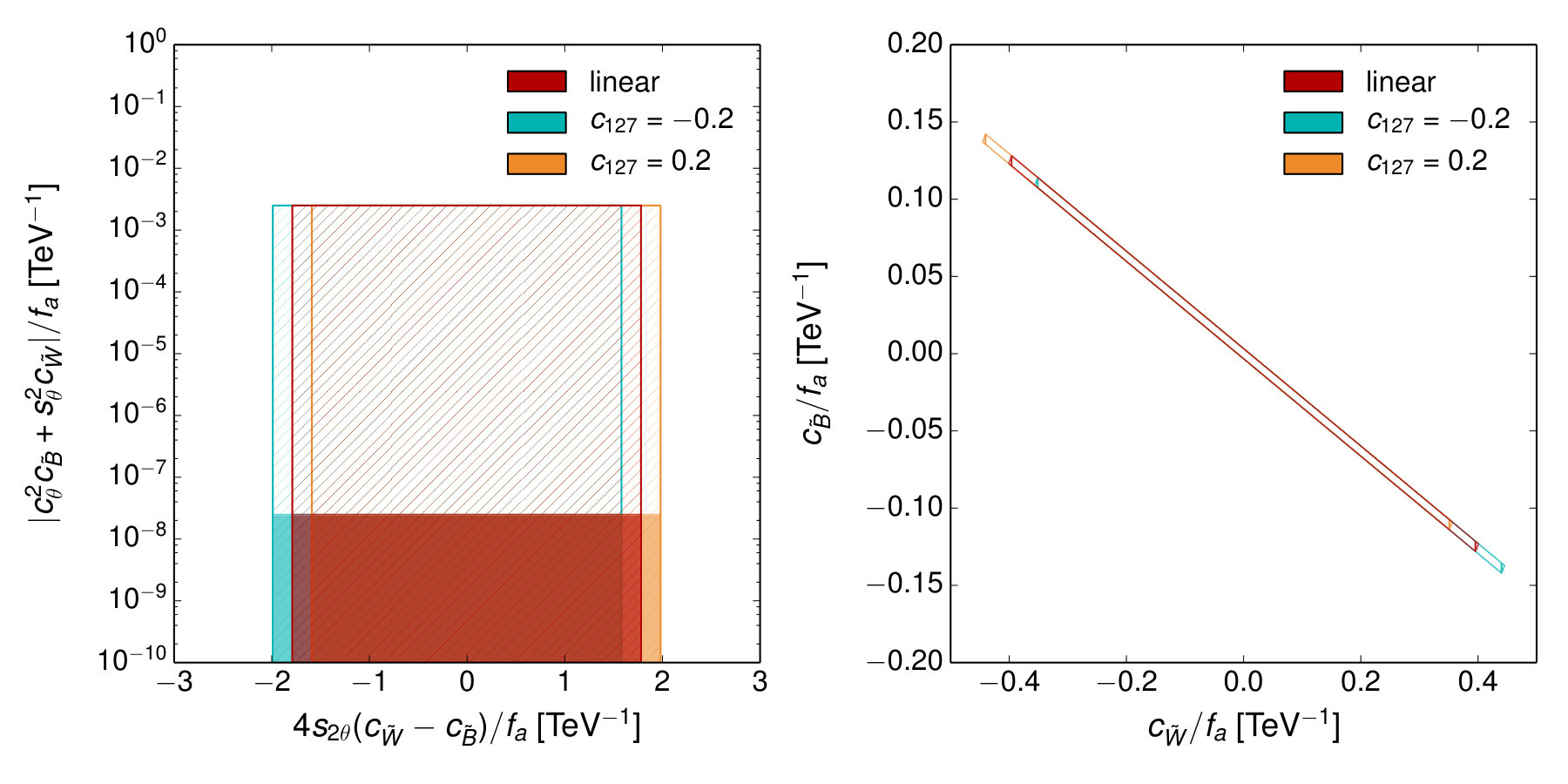 Figure 8
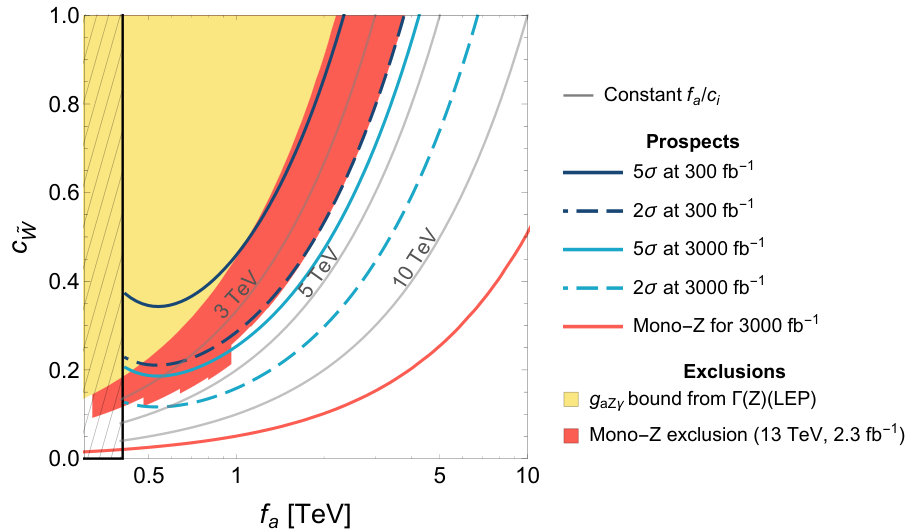 Figure 9
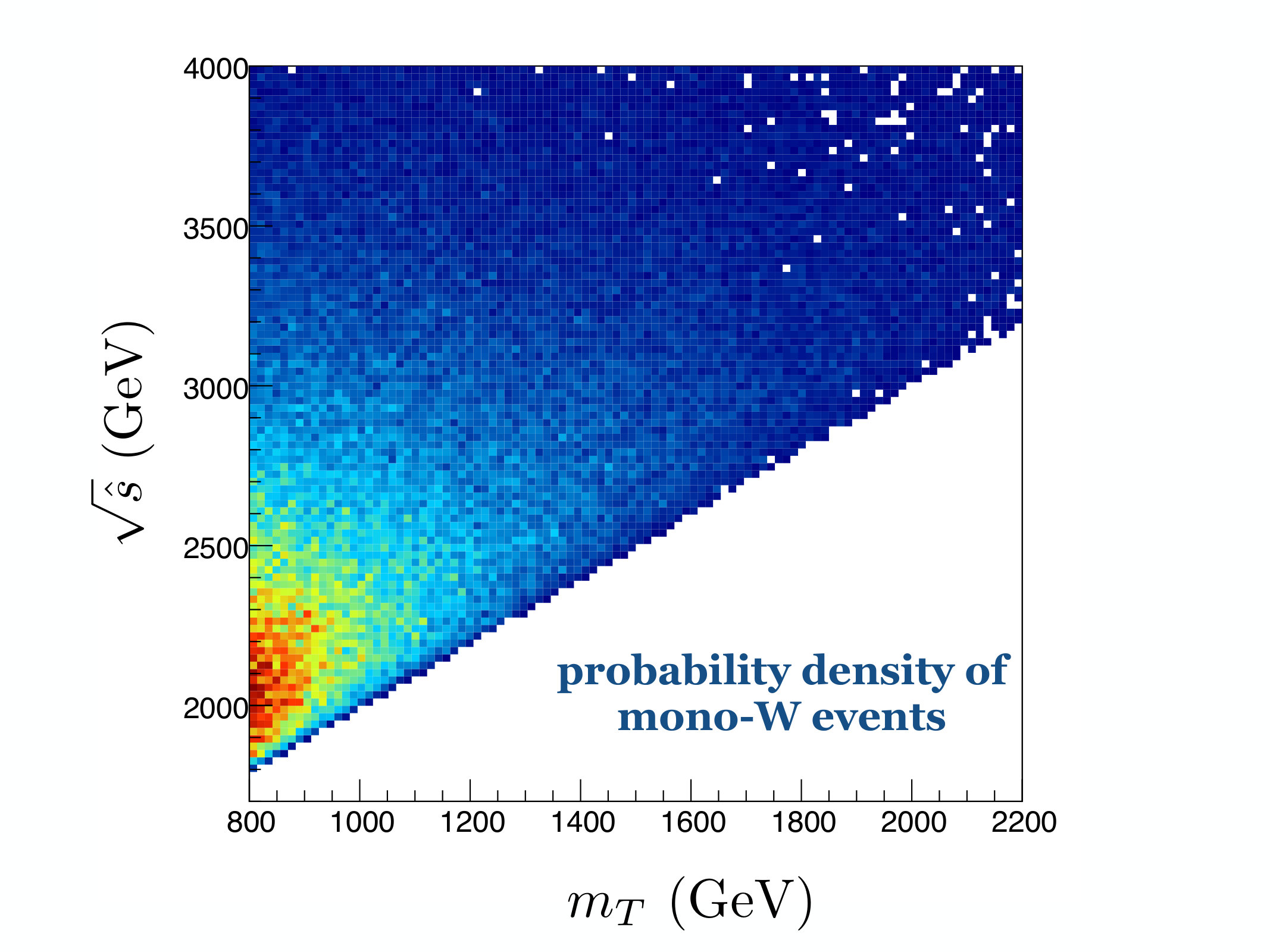 Figure 10
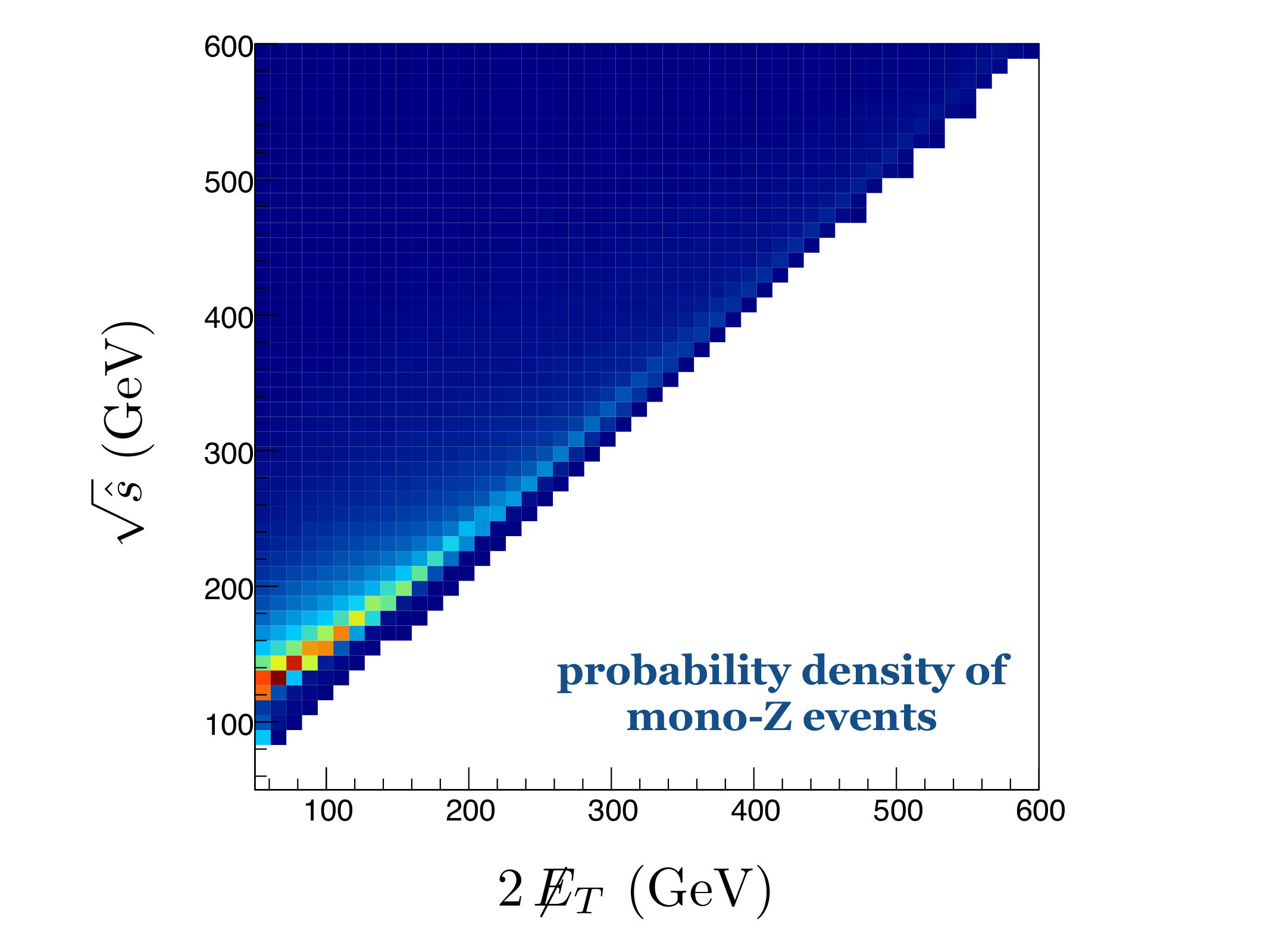 Figure 11
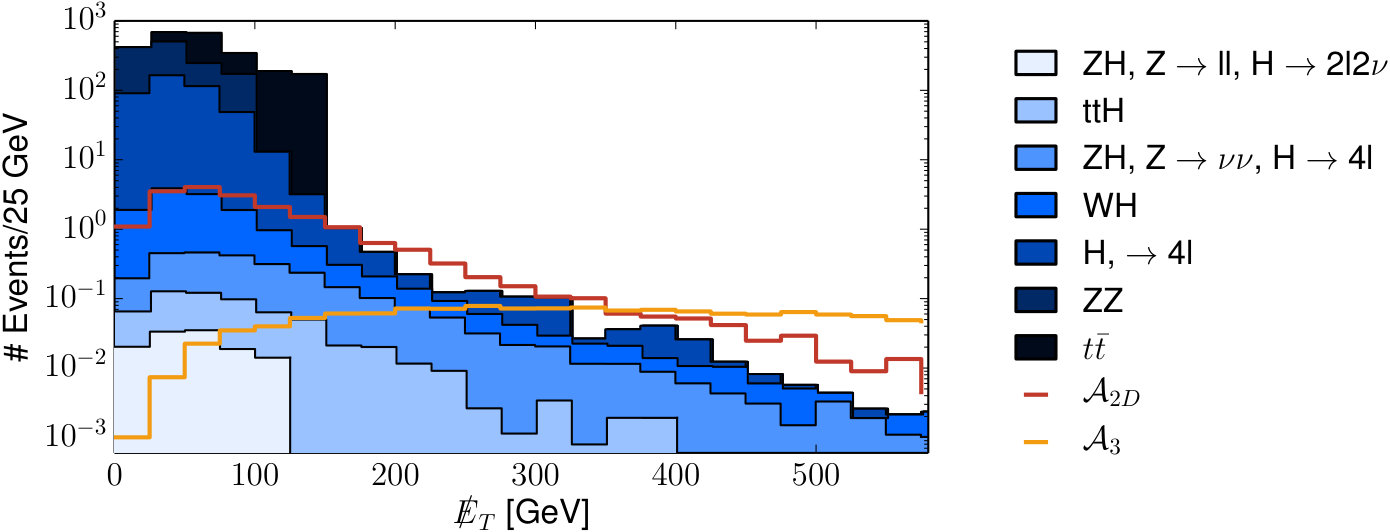 Figure 12
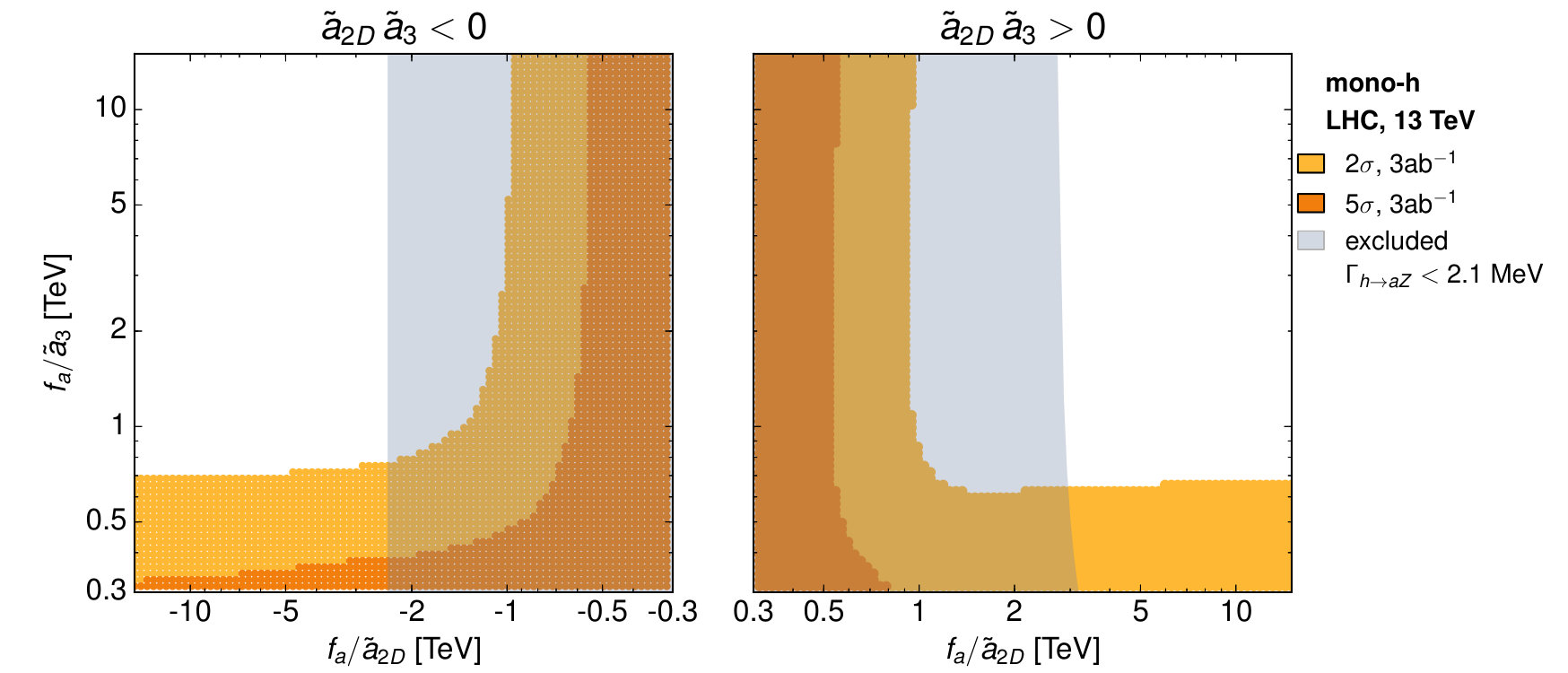 Figure 13
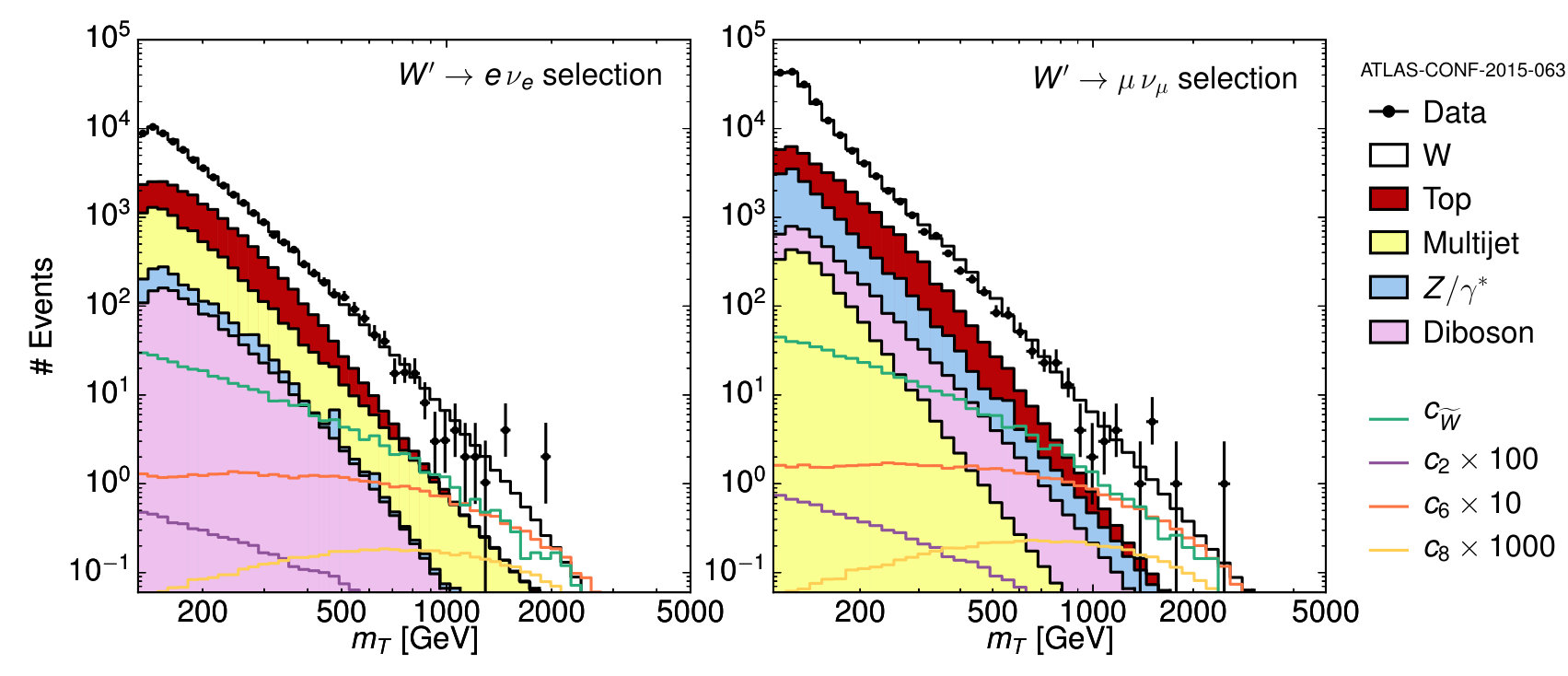 Figure 14
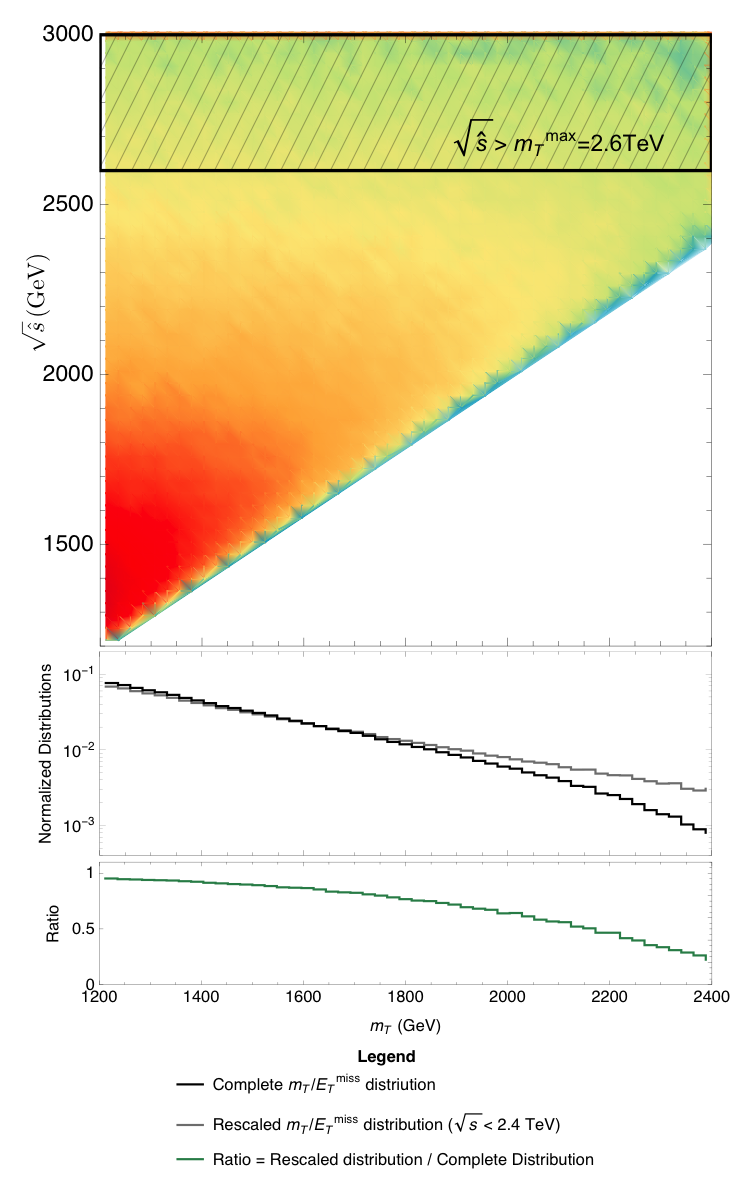 Figure 15
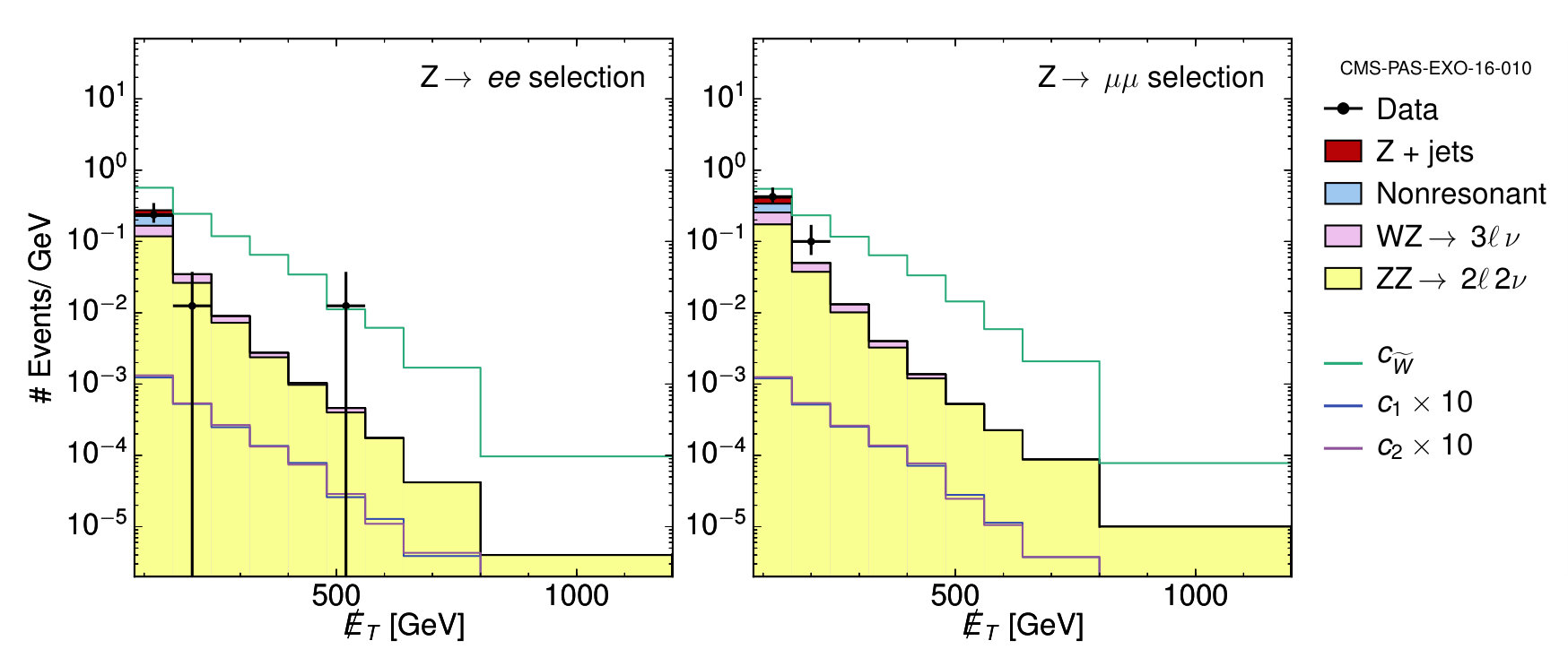 Figure 16
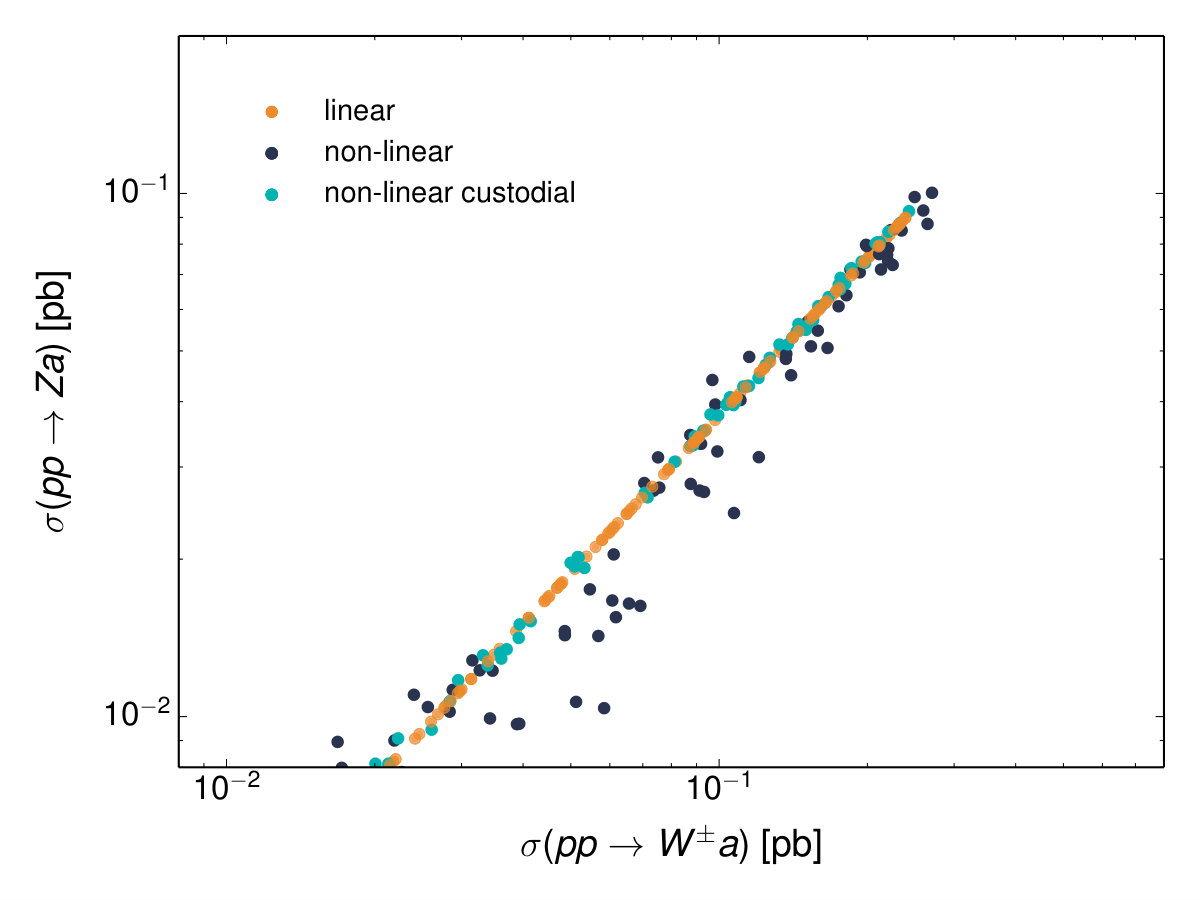 Figure 17
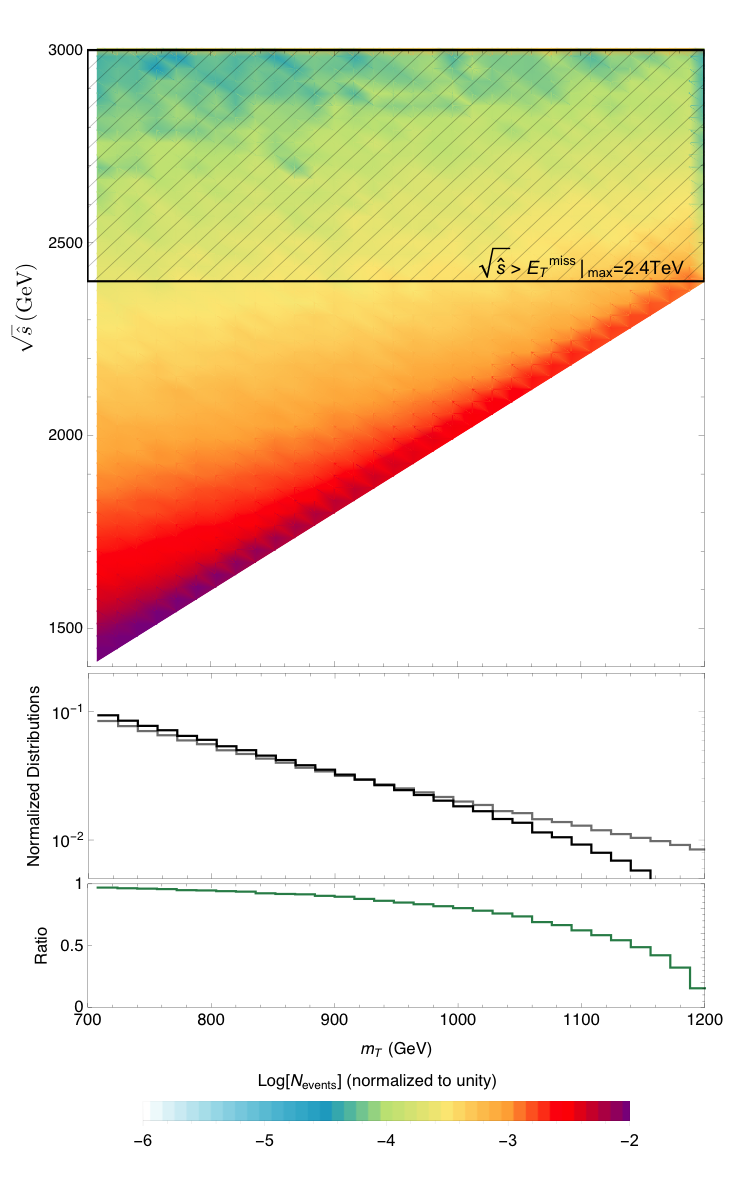 Figure 18
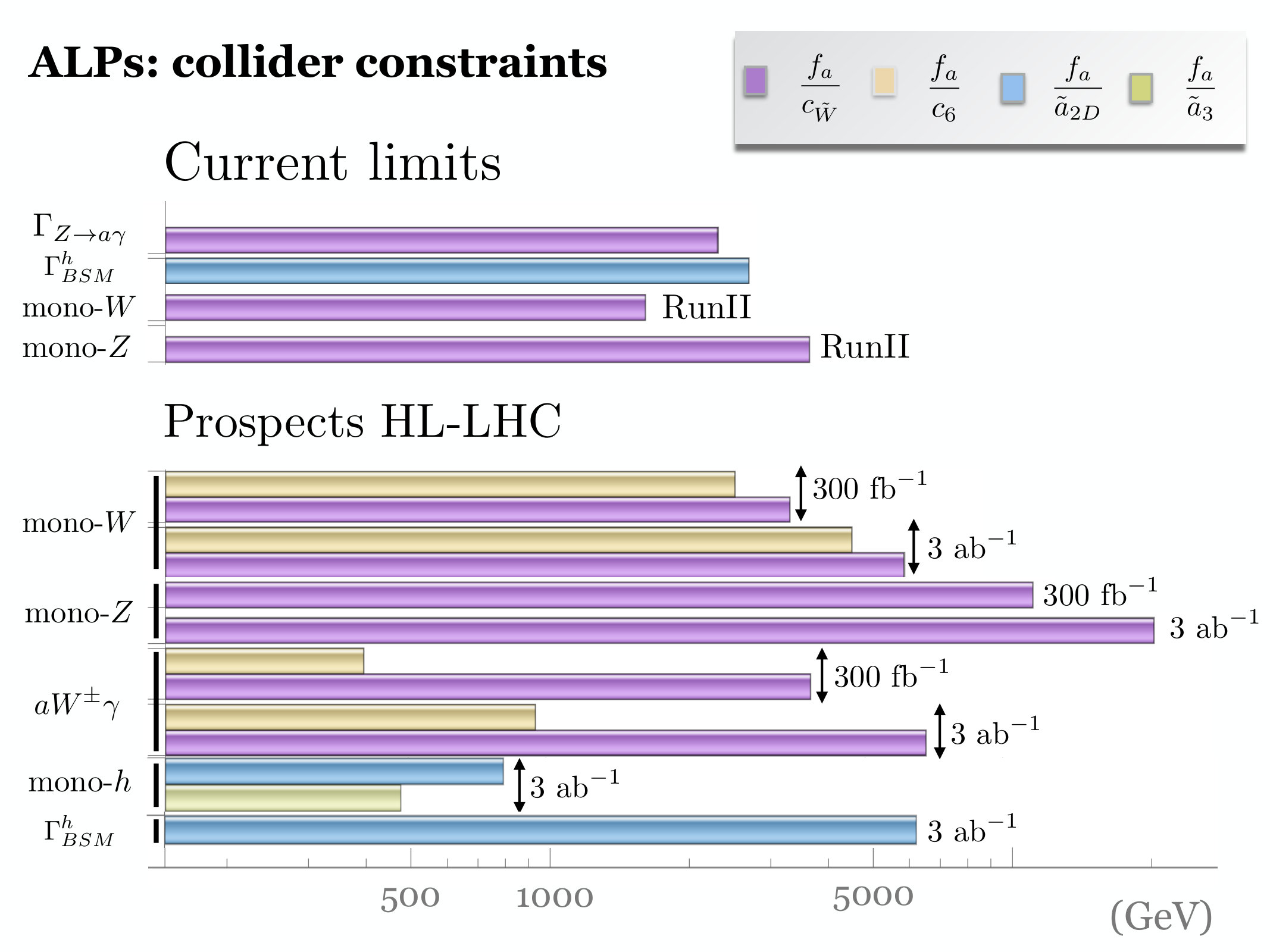 Figure 19
Peer Reviews
No public reviews on file for this paper yet. If you reviewed it on a platform where reviews are public (OpenReview, ICLR, NeurIPS, ICML), you can paste yours below so the community can read it here.
Videos
No videos yet. Explain this paper in a talk, walkthrough, or lecture? Add one.