Powerful H2 Line Cooling in Stephan's Quintet II. Group-wide Gas and Shock Modeling of the Warm H2 and a Comparison with [CII]157.7um Emission and Kinematics
P. N. Appleton, P. Guillard, A. Togi, K. Alatalo, F. Boulanger, M., Cluver, G. Pineau des Forets, U. Lisenfeld, P. Ogle, C. K. Xu

TL;DR
This study maps the warm intergalactic molecular hydrogen in Stephan's Quintet, revealing heating mechanisms, shock dynamics, and correlations with large-scale turbulence, providing insights into galaxy group interactions and gas heating processes.
Contribution
First two-dimensional mapping of warm H_2 excitation across Stephan's Quintet, combined with MHD shock modeling to understand energy deposition and gas heating mechanisms.
Findings
Warm H_2 temperatures exceed 700K in key regions.
Slow magnetic shocks explain low-lying H_2 rotational emission.
Heating correlates with large-scale turbulence and [CII] emission.
Abstract
We map for the first time the two-dimensional H_2 excitation of warm intergalactic gas in Stephan's Quintet on group-wide (50 x 35 kpc^2) scales to quantify the temperature, mass and warm-H_2 mass fraction as a function of position using Spitzer. Molecular gas temperatures are seen to rise (to T > 700K) and the slope of the power--law density-temperature relation flattens along the main ridge of the filament, defining the region of maximum heating. We also performed MHD modeling of the excitation properties of the warm gas, to map the velocity structure and energy deposition rate of slow and fast molecular shocks. Slow magnetic shocks were required to explain the power radiated from the lowest--lying rotational states of H_2, and strongly support the idea that energy cascades down to small scales and low velocities from the fast collision of NGC 7318b with group-wide gas. The highest…
Click any figure to enlarge with its caption.
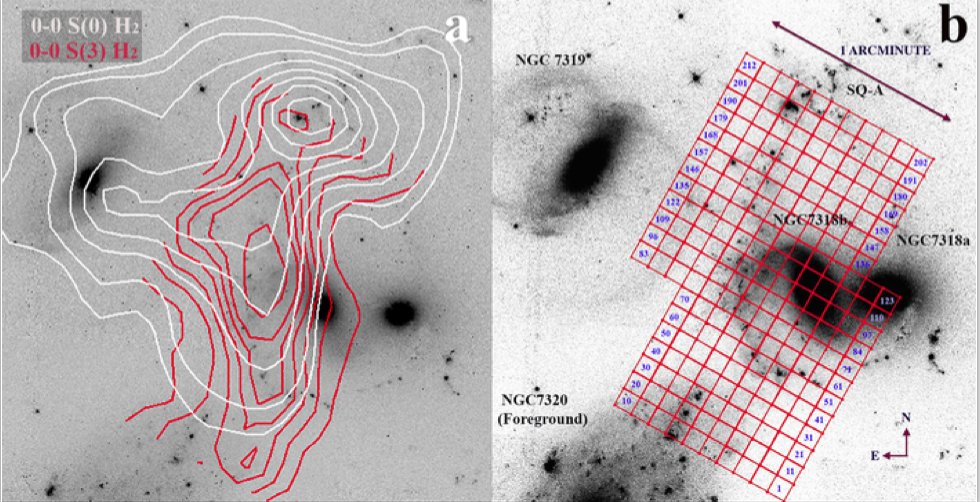 Figure 1
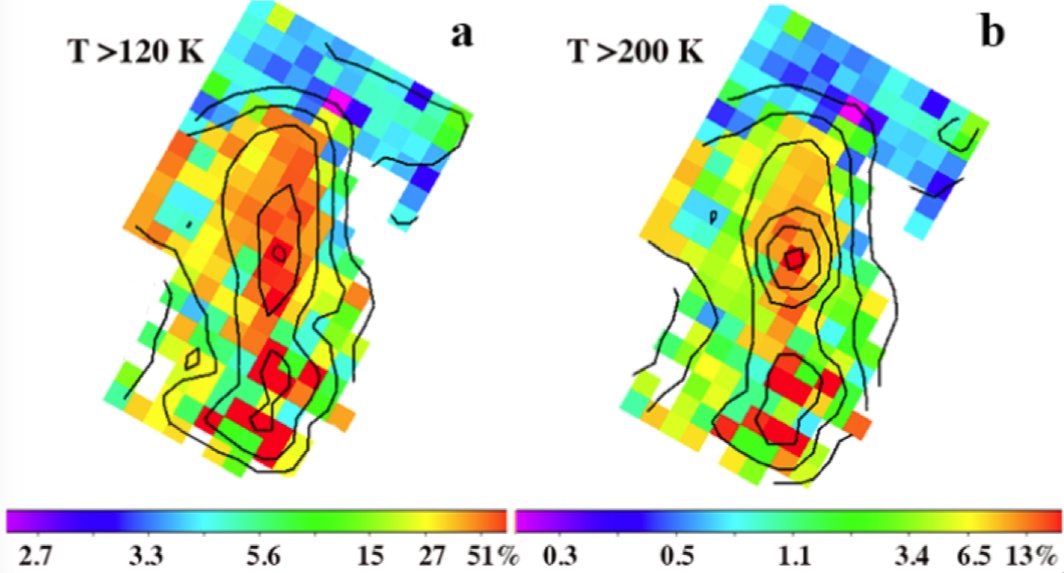 Figure 10
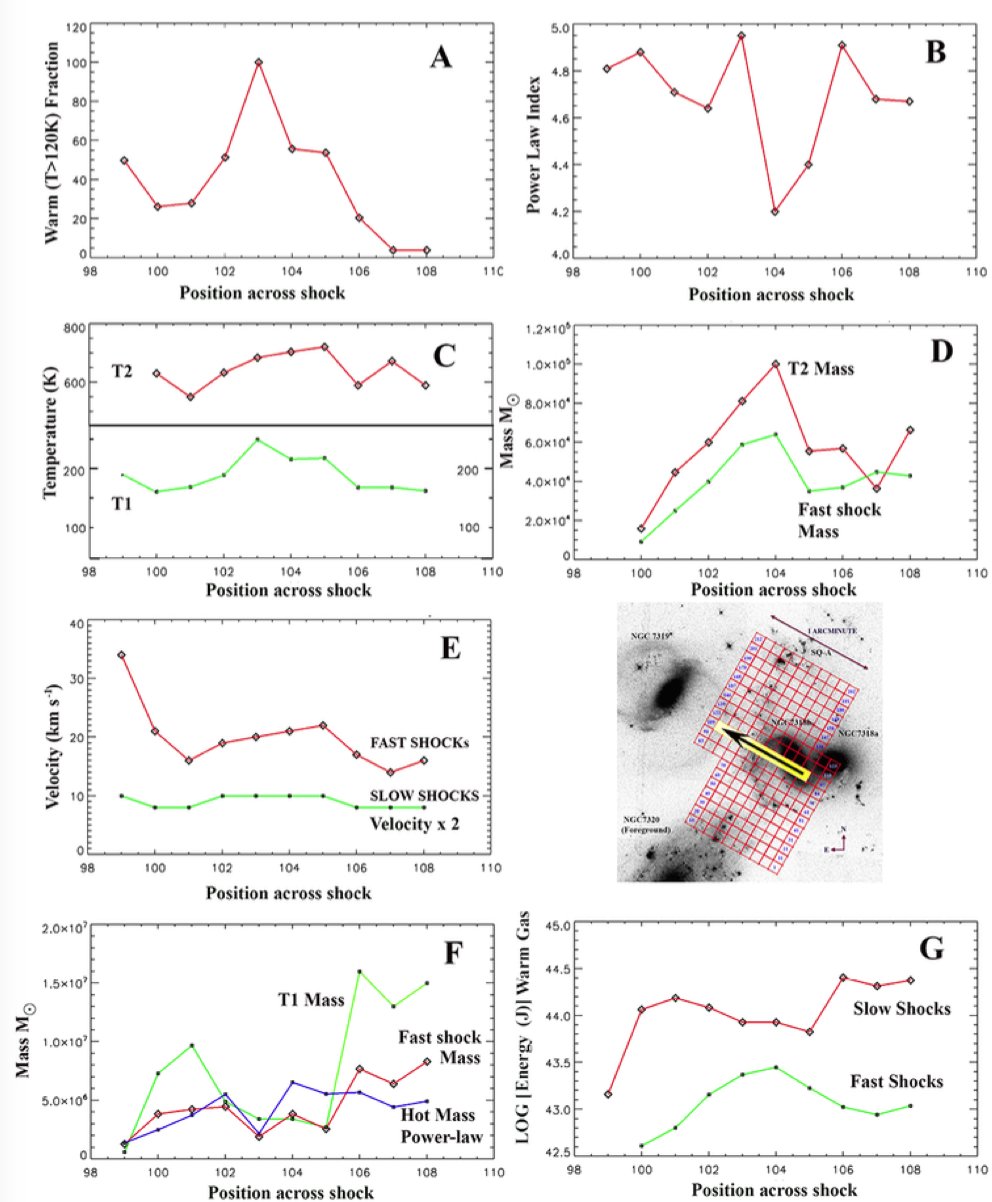 Figure 11
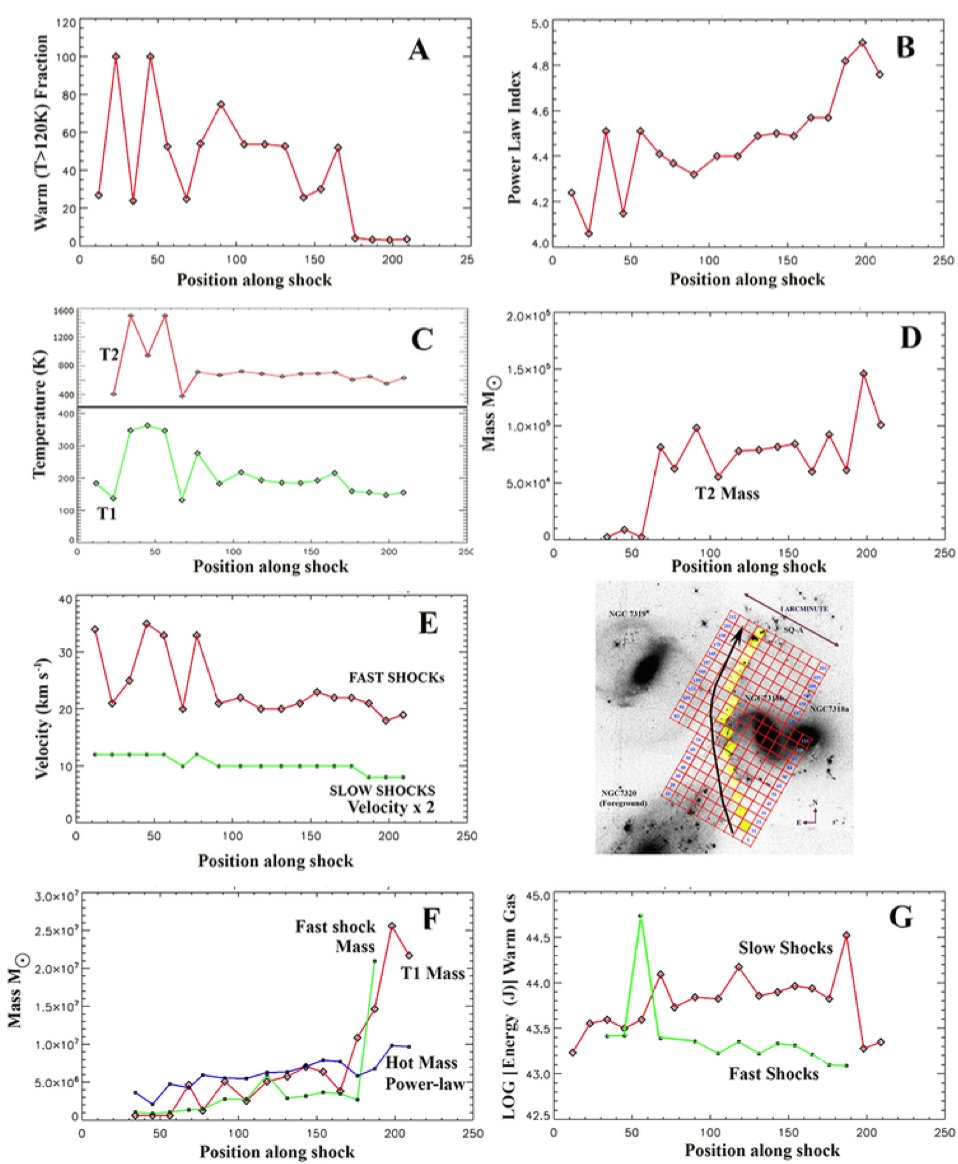 Figure 12
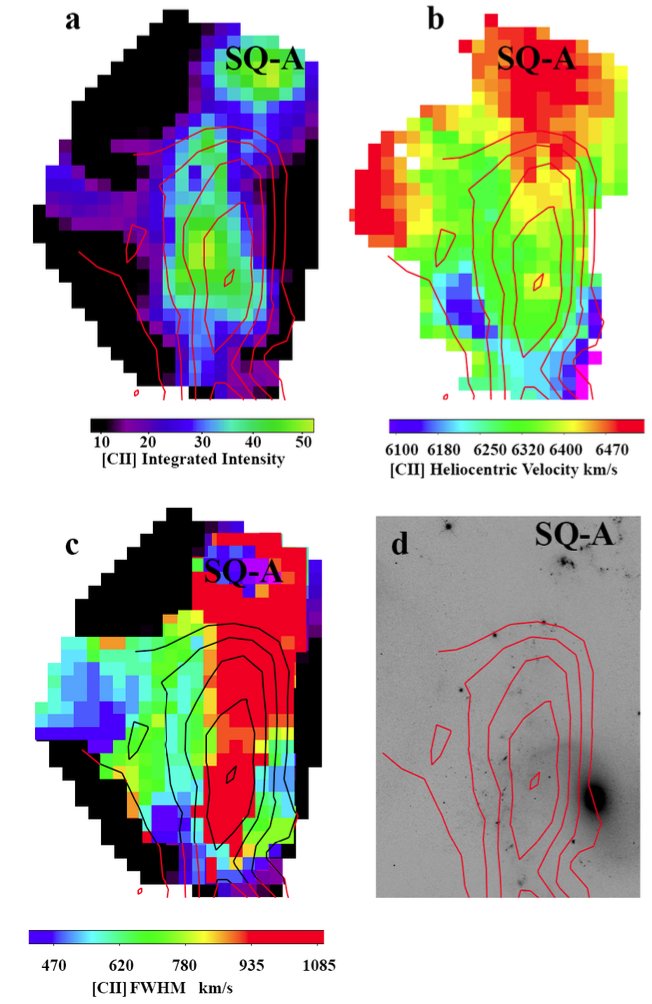 Figure 13
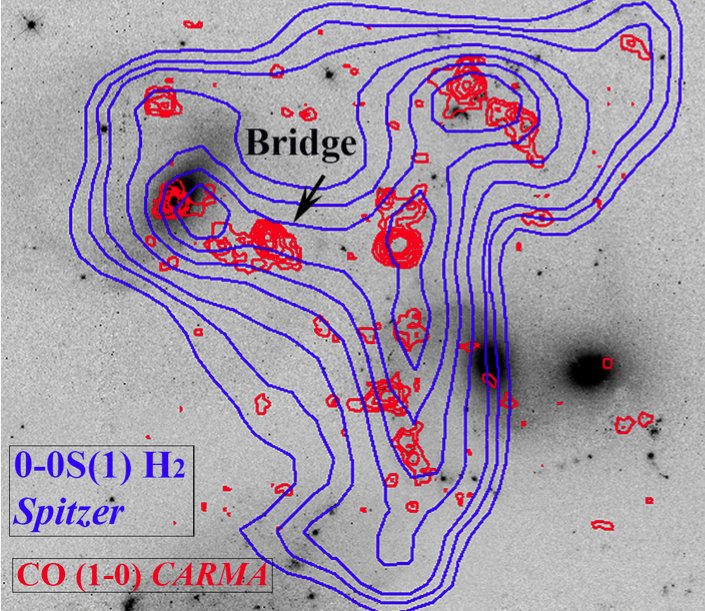 Figure 14
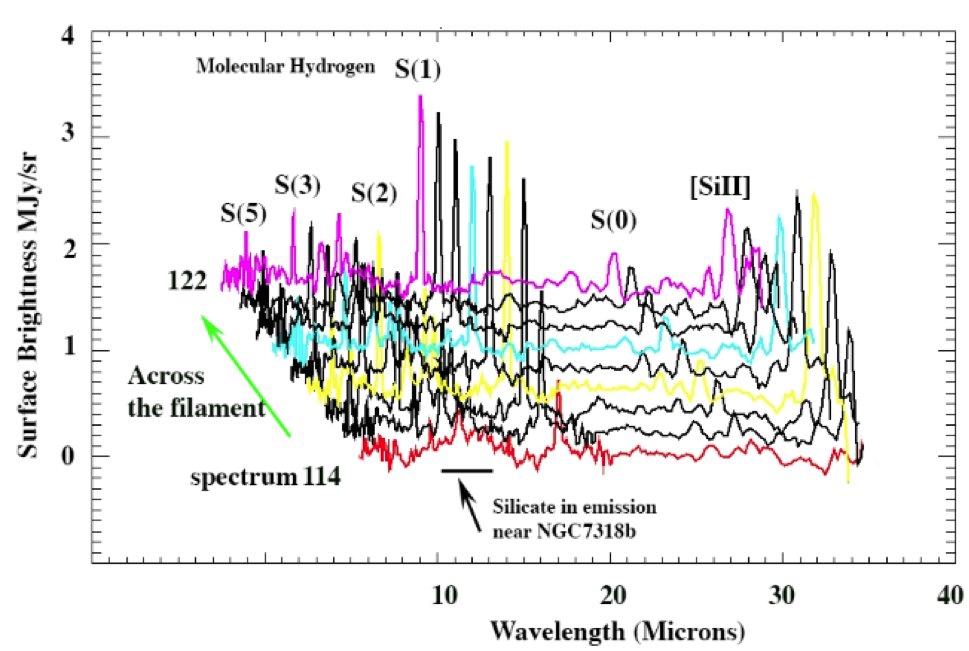 Figure 2
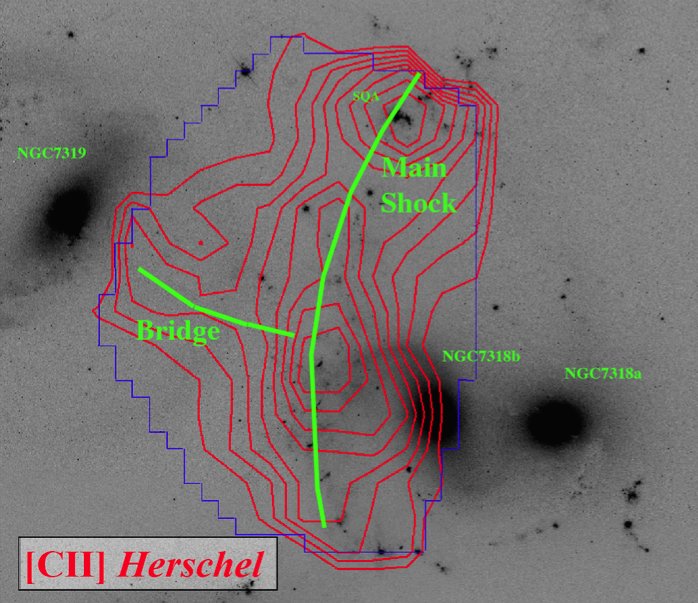 Figure 3
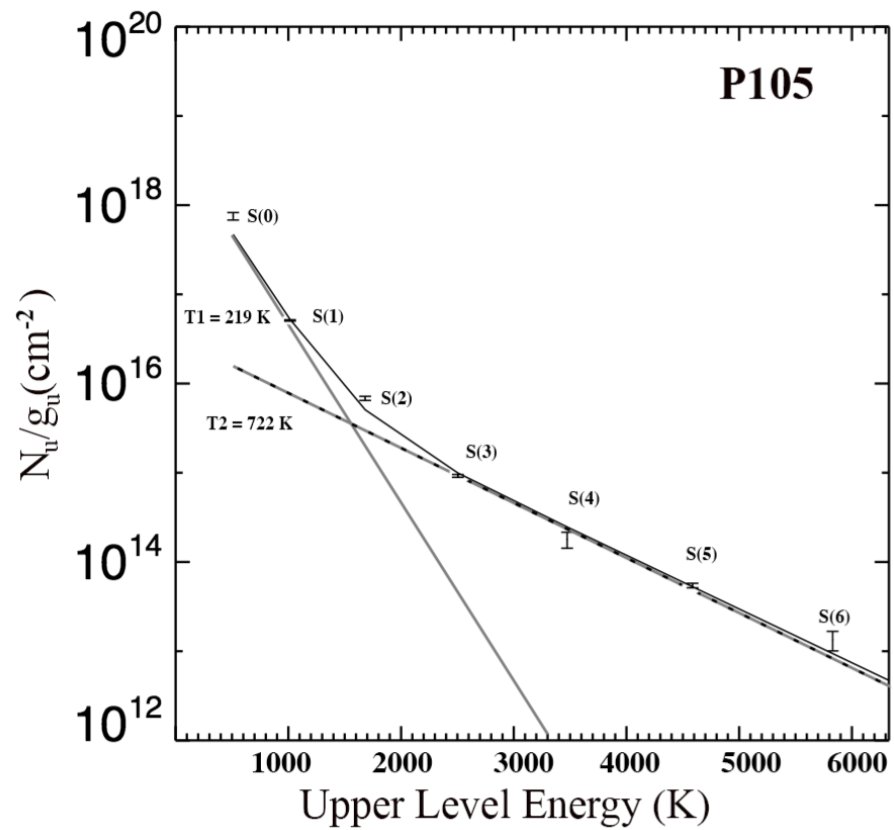 Figure 4
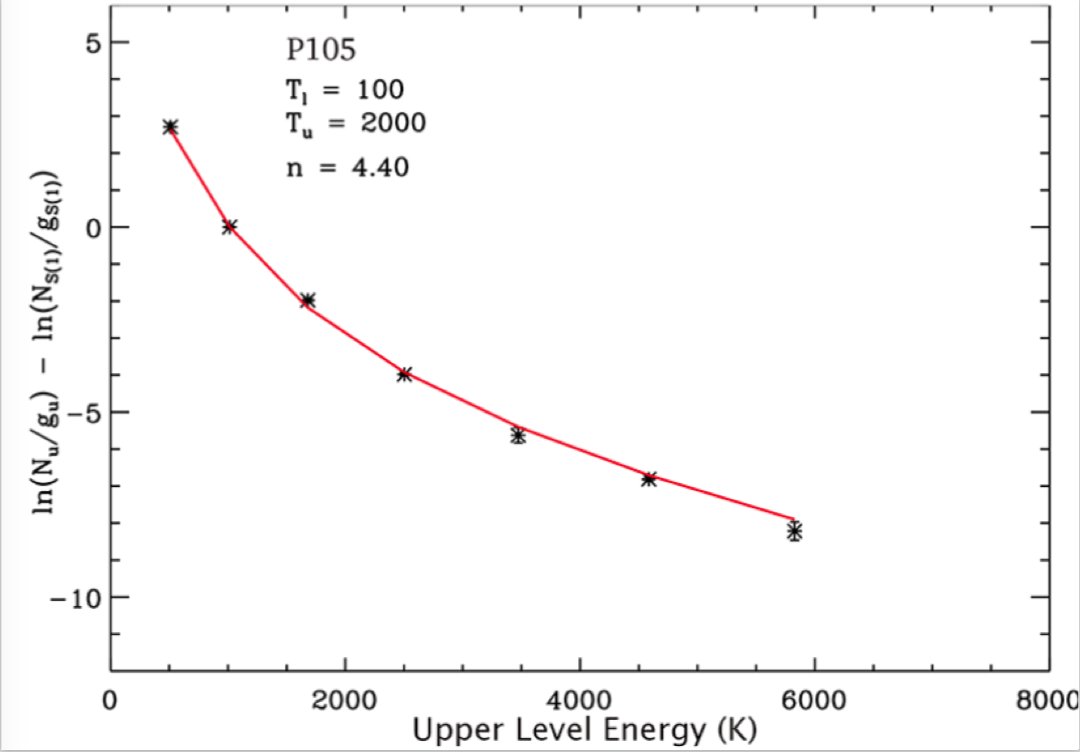 Figure 5
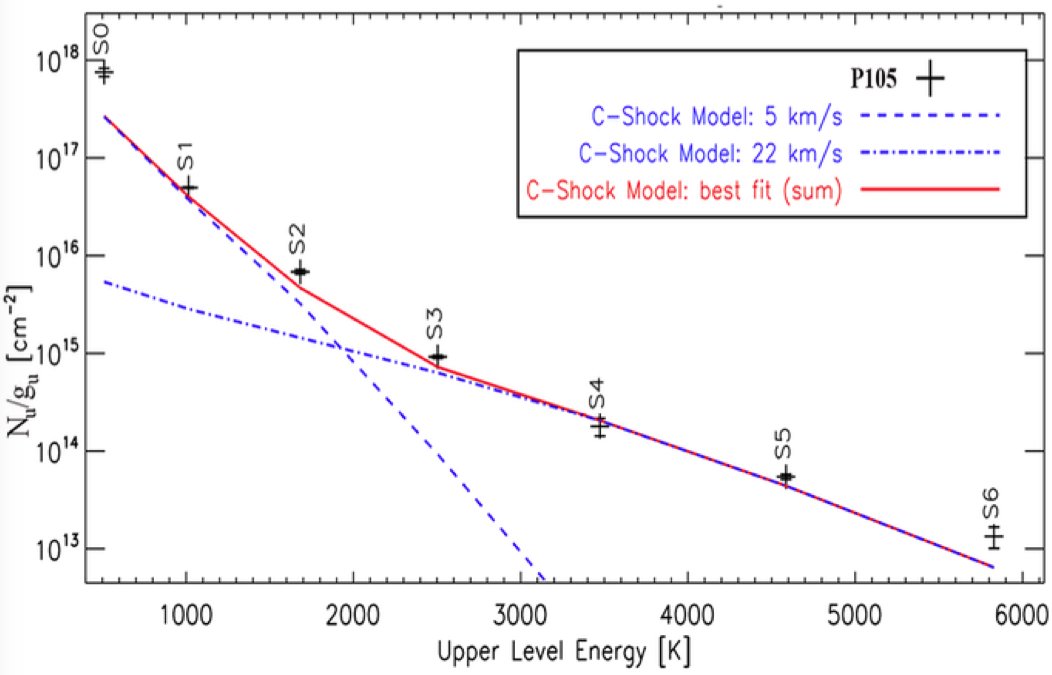 Figure 6
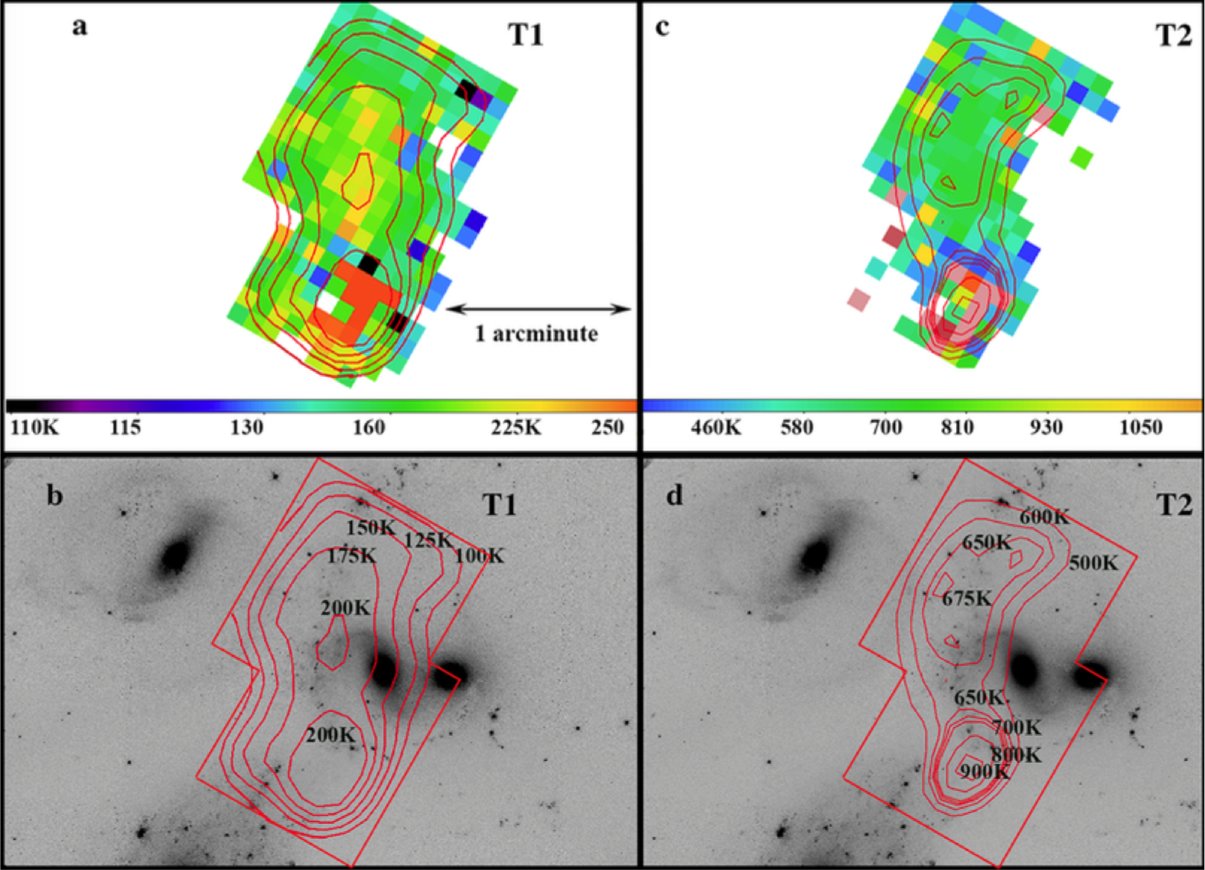 Figure 7
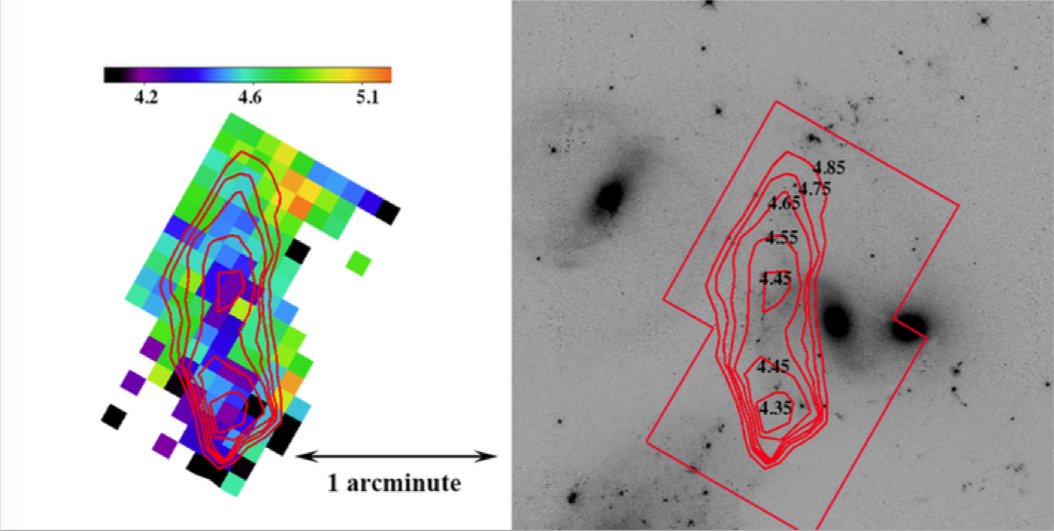 Figure 8
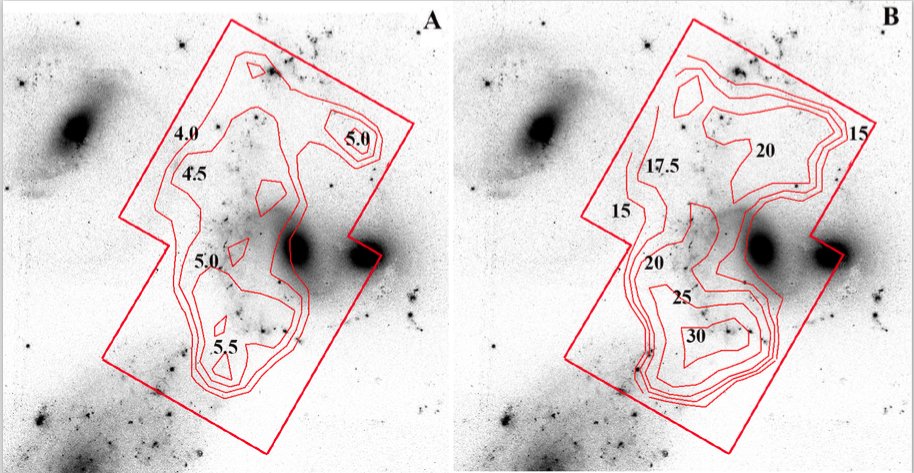 Figure 9
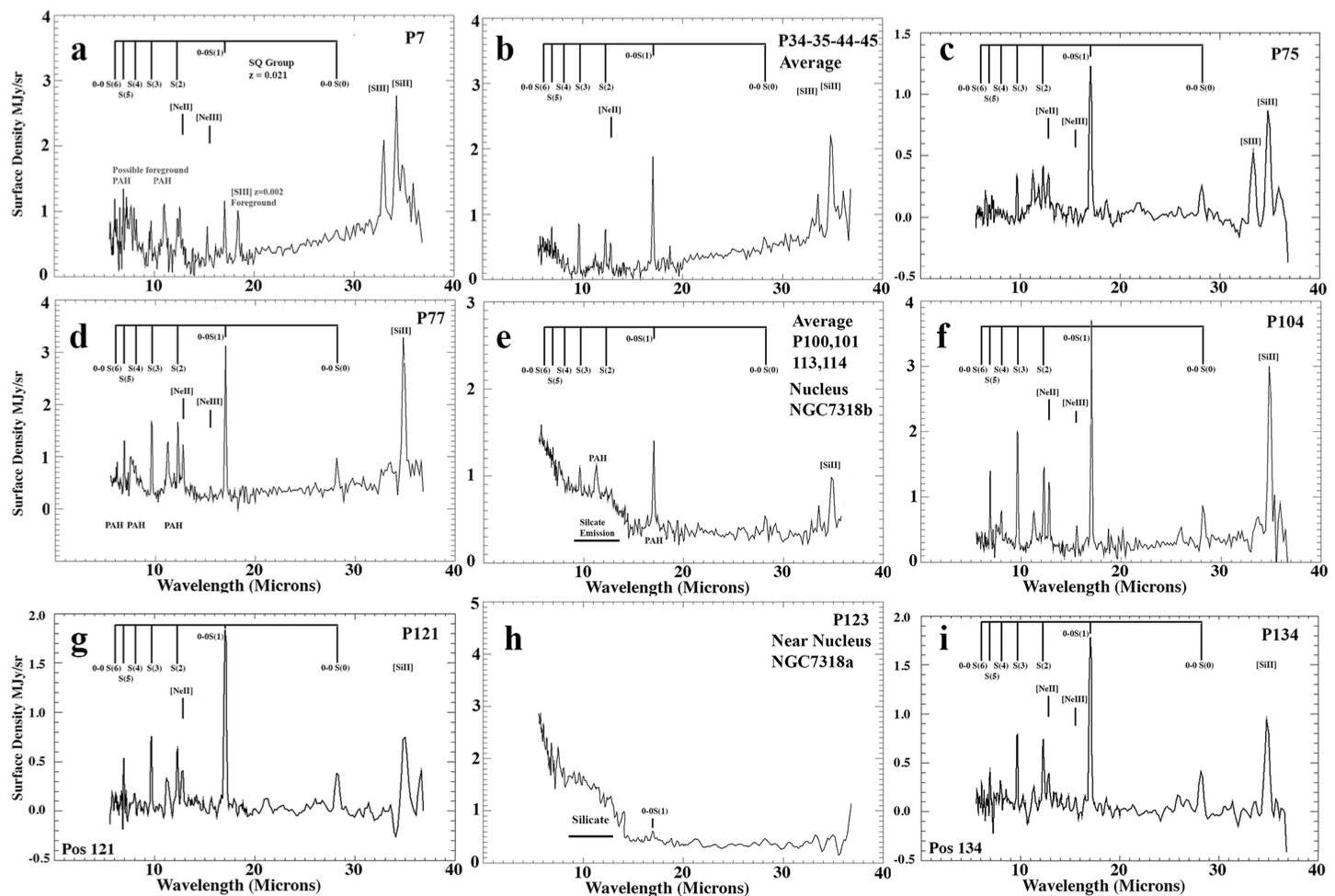 Figure 15
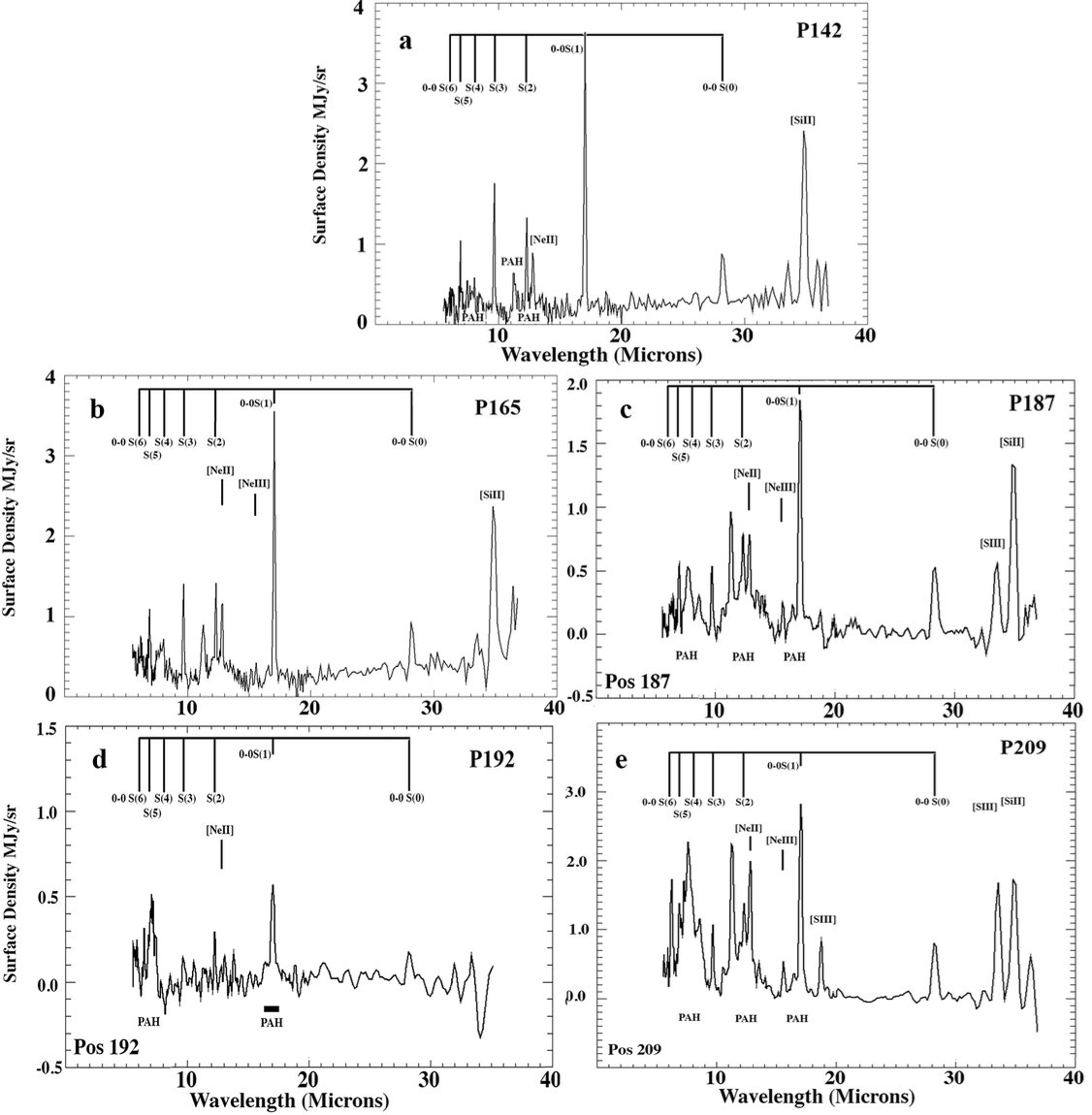 Figure 16
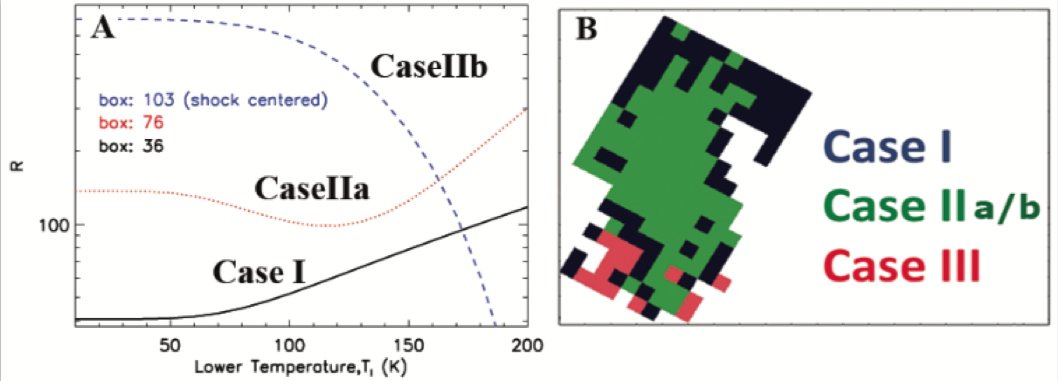 Figure 17
Peer Reviews
No public reviews on file for this paper yet. If you reviewed it on a platform where reviews are public (OpenReview, ICLR, NeurIPS, ICML), you can paste yours below so the community can read it here.
Videos
No videos yet. Explain this paper in a talk, walkthrough, or lecture? Add one.