Modulational Instability in Linearly Coupled Asymmetric Dual-Core Fibers
A. Govindarajan, Boris A. Malomed, A. Mahalingam, A. Uthayakumar

TL;DR
This paper analyzes modulational instability in asymmetric dual-core fibers, revealing how asymmetries and coupling influence MI spectra and nonlinear evolution, including soliton formation.
Contribution
It provides a comprehensive analysis of MI in asymmetric dual-core fibers, including conditions, spectra, and nonlinear development, extending understanding beyond symmetric systems.
Findings
Increased inter-core coupling reduces MI gain spectrum.
Coupling induces and controls MI in normal-GVD regime.
Nonlinear simulations show formation of soliton-like localized peaks.
Abstract
We investigate modulational instability (MI) in asymmetric dual-core nonlinear directional couplers incorporating the effects of the differences in effective mode areas and group velocity dispersions, as well as phase- and group-velocity mismatches. Using coupled-mode equations for this system, we identify MI conditions from the linearization with respect to small perturbations. First, we compare the MI spectra of the asymmetric system and its symmetric counterpart in the case of the anomalous group-velocity dispersion (GVD). In particular, it is demonstrated that the increase of the inter-core linear-coupling coefficient leads to a reduction of the MI gain spectrum in the asymmetric coupler. The analysis is extended for the asymmetric system in the normal-GVD regime, where the coupling induces and controls the MI, as well as for the system with opposite GVD signs in the two cores.…
Click any figure to enlarge with its caption.
 Figure 1
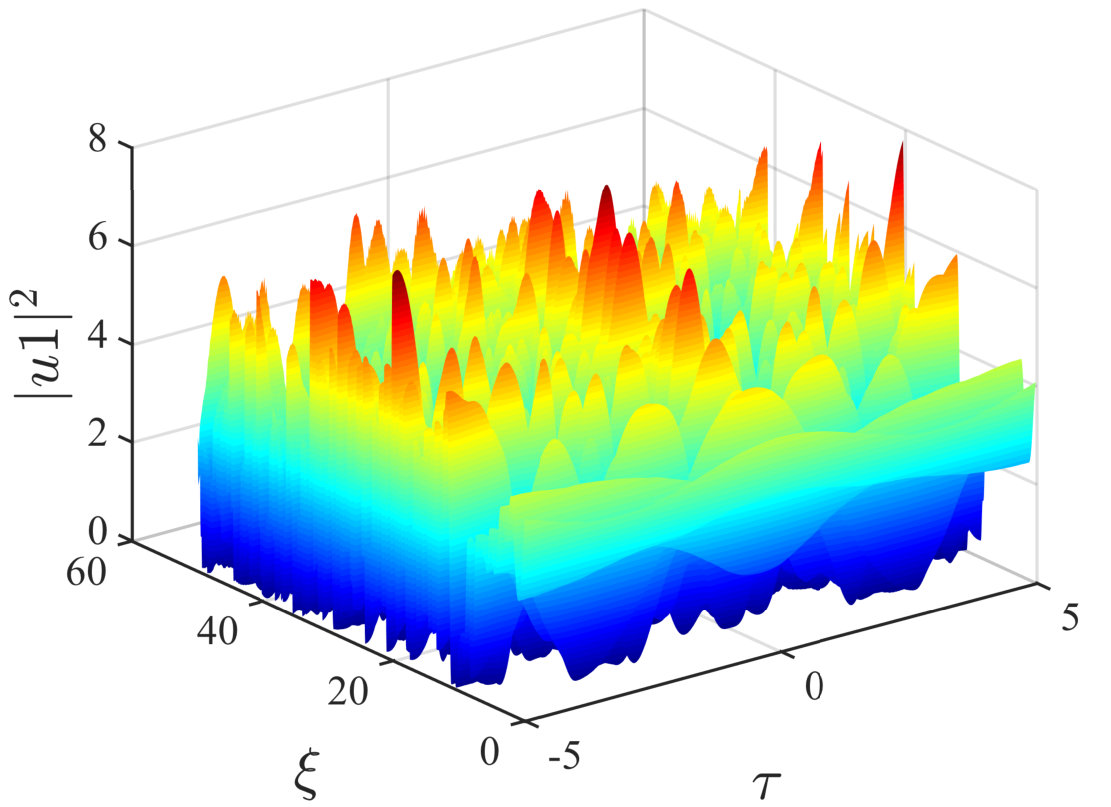 Figure 2
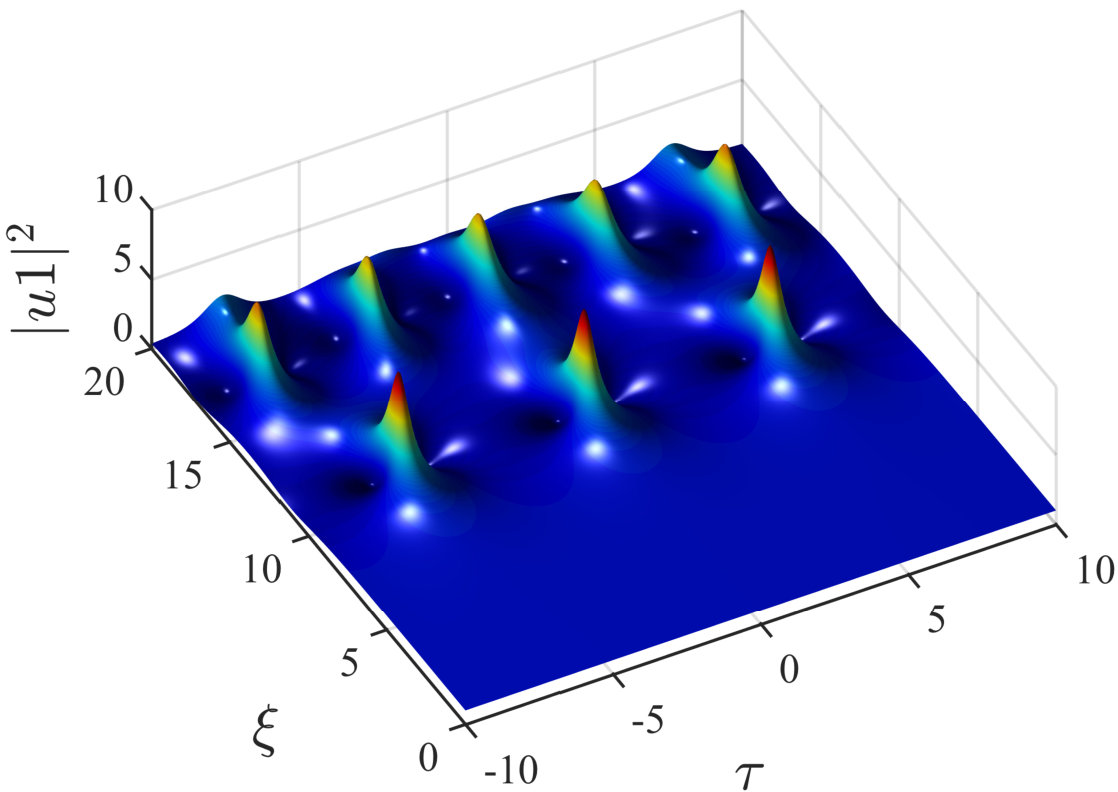 Figure 3
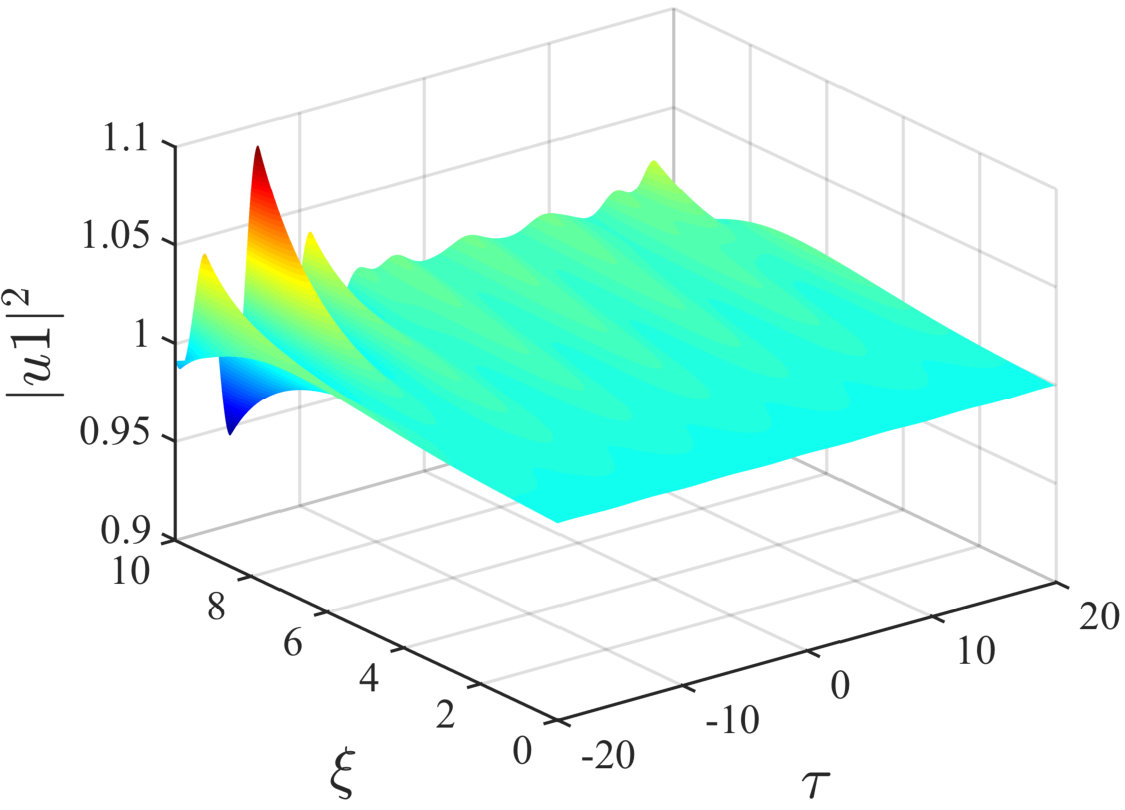 Figure 4
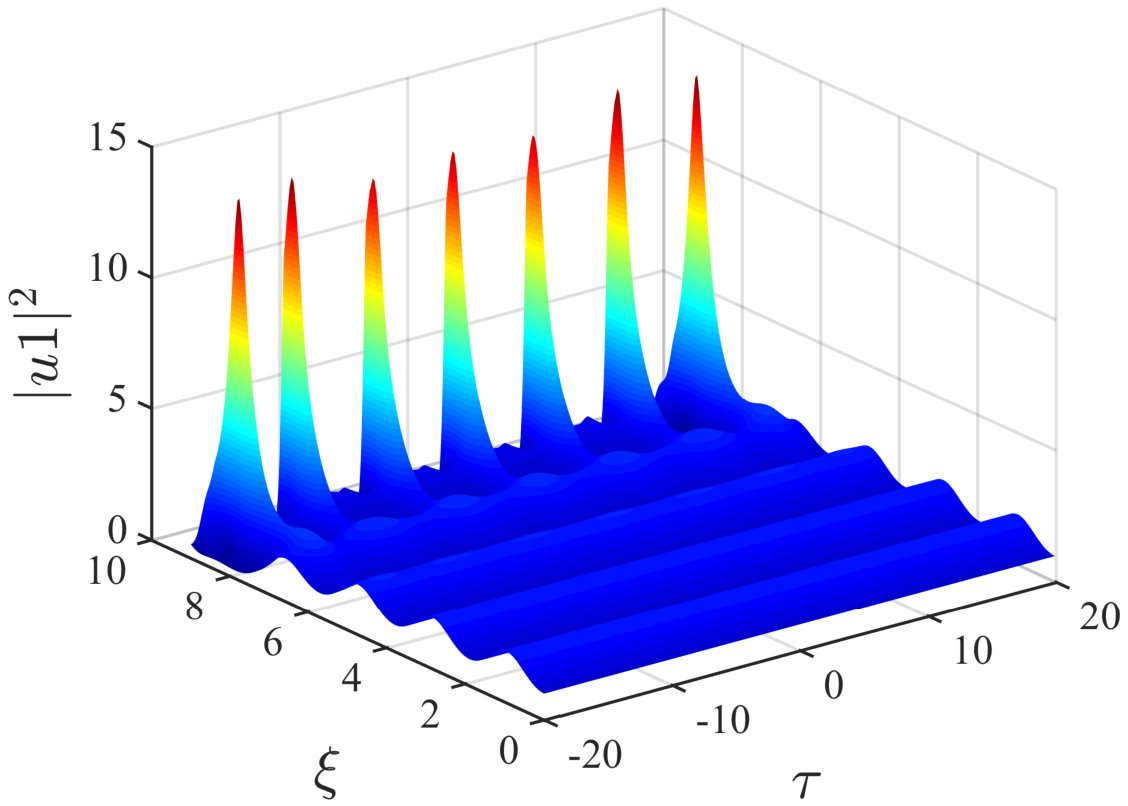 Figure 5
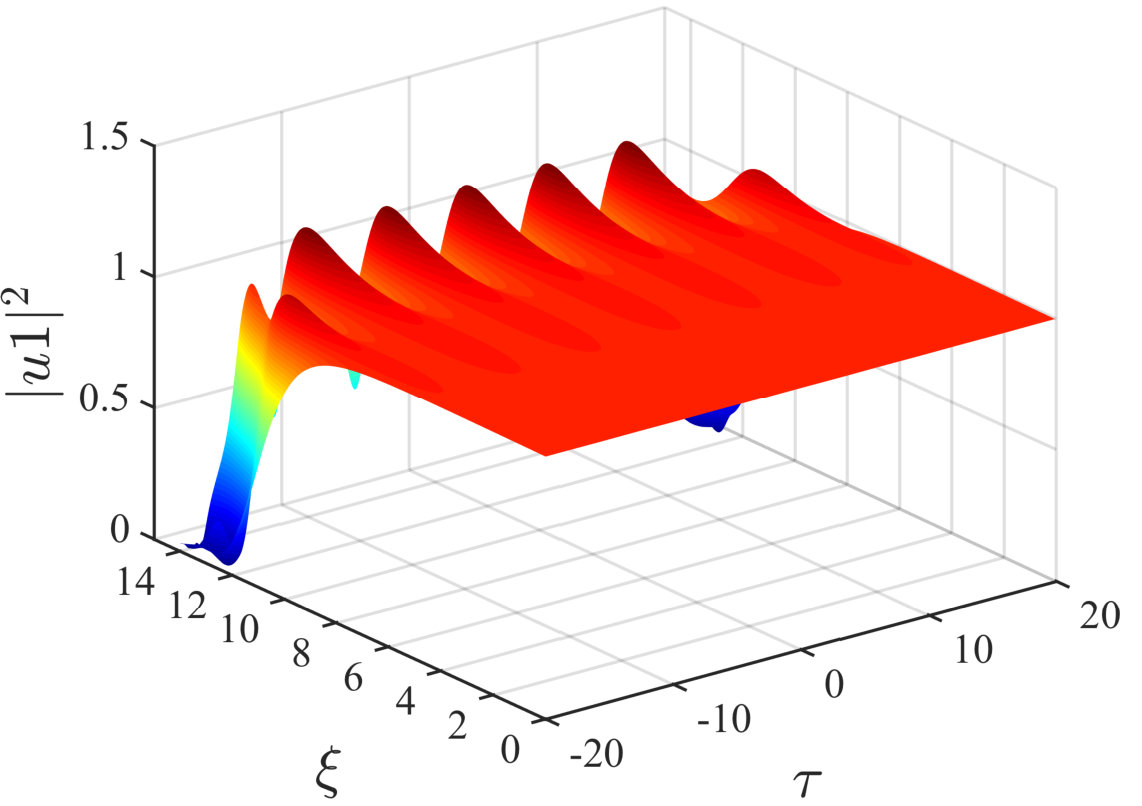 Figure 6
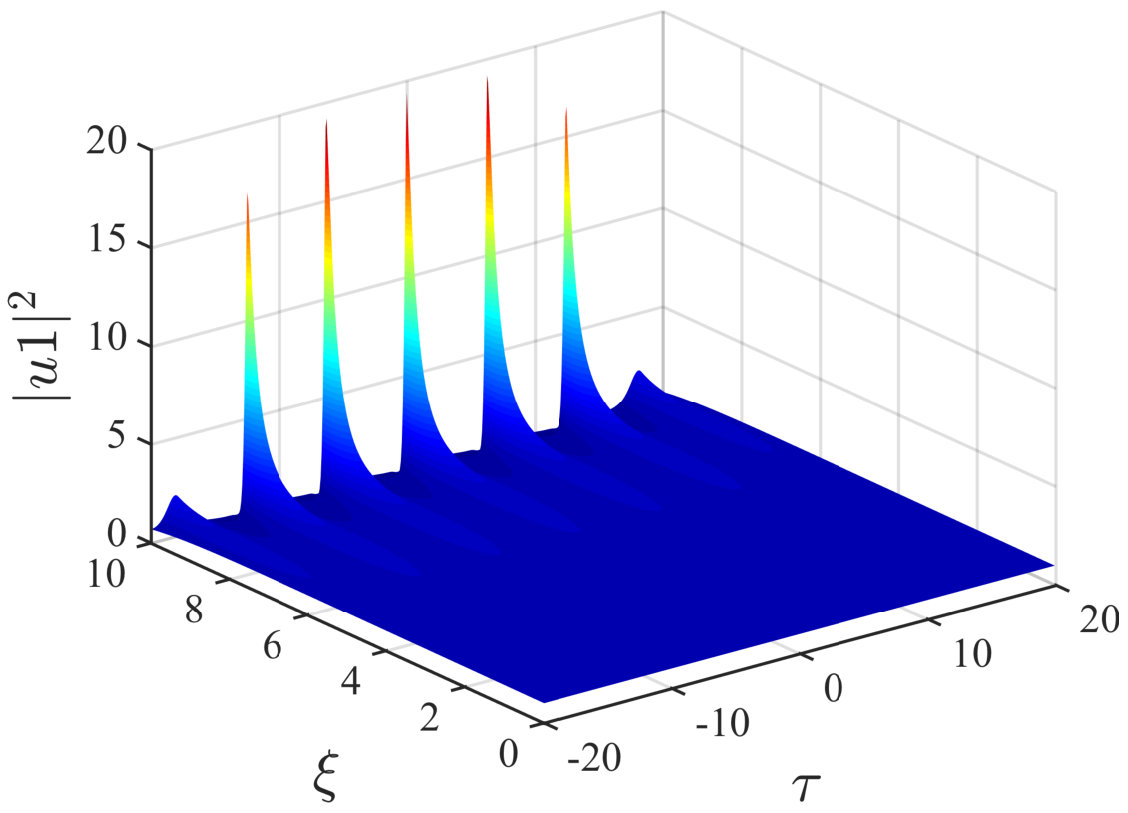 Figure 7
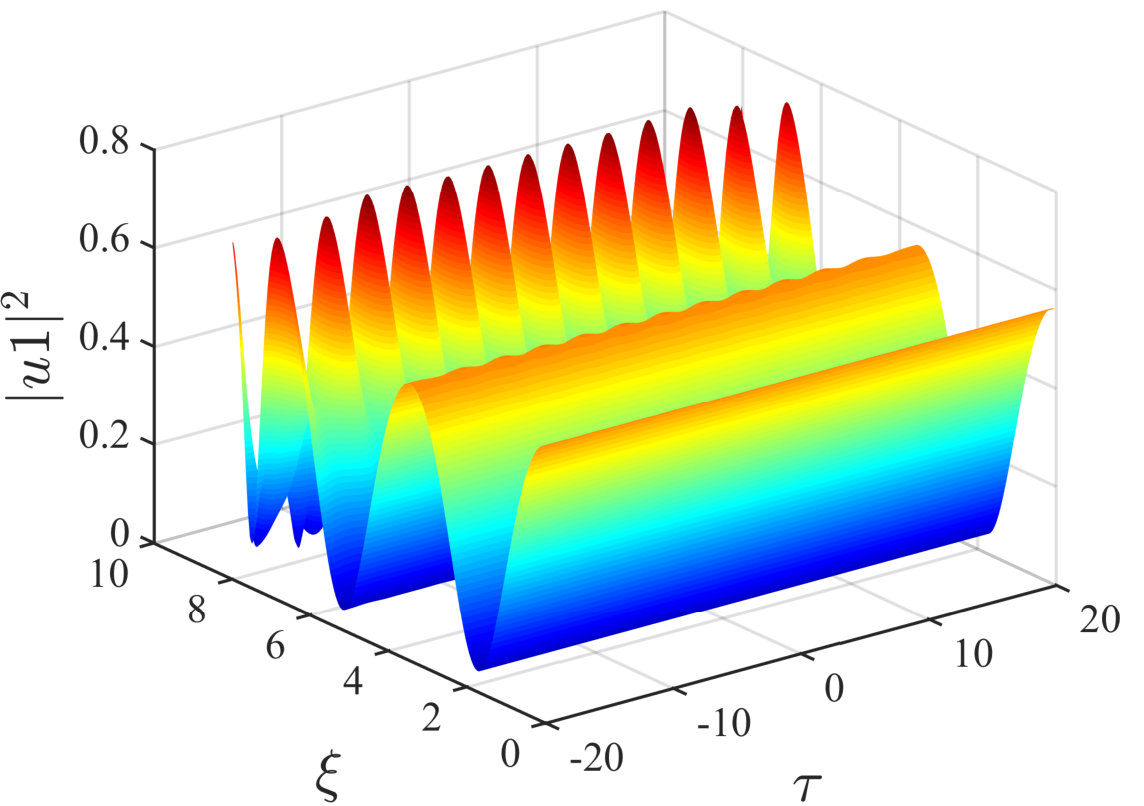 Figure 8
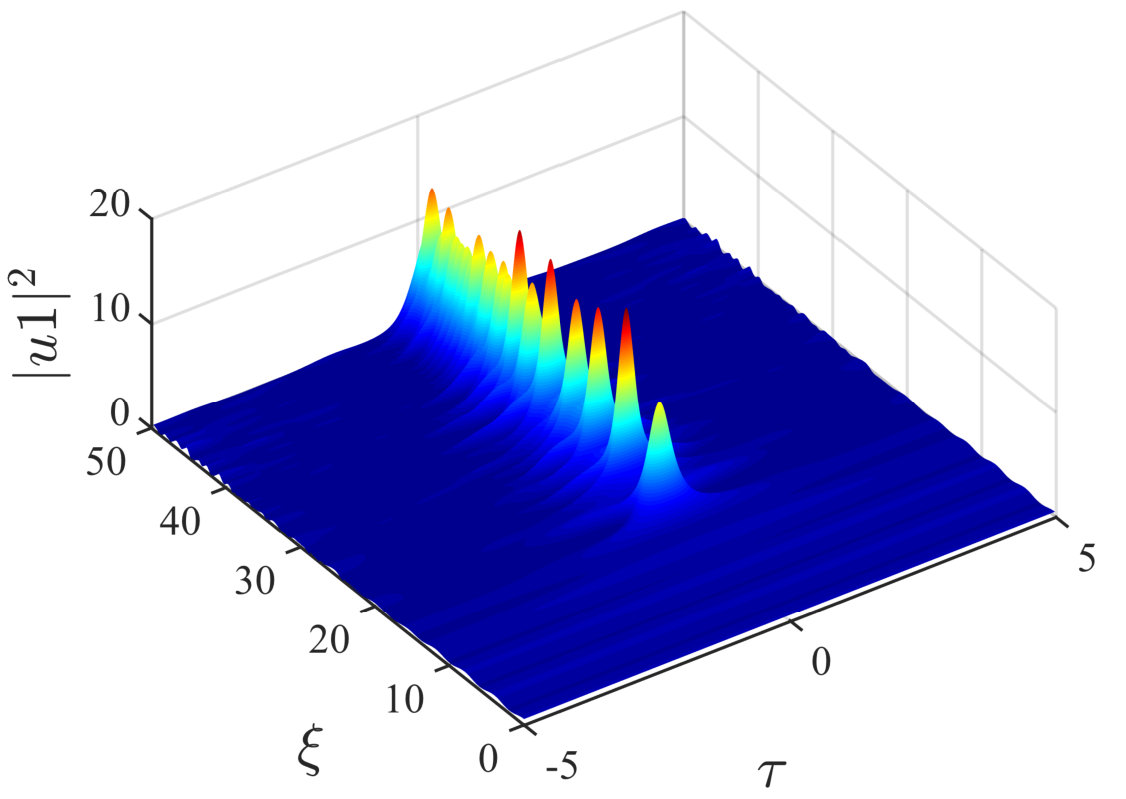 Figure 9
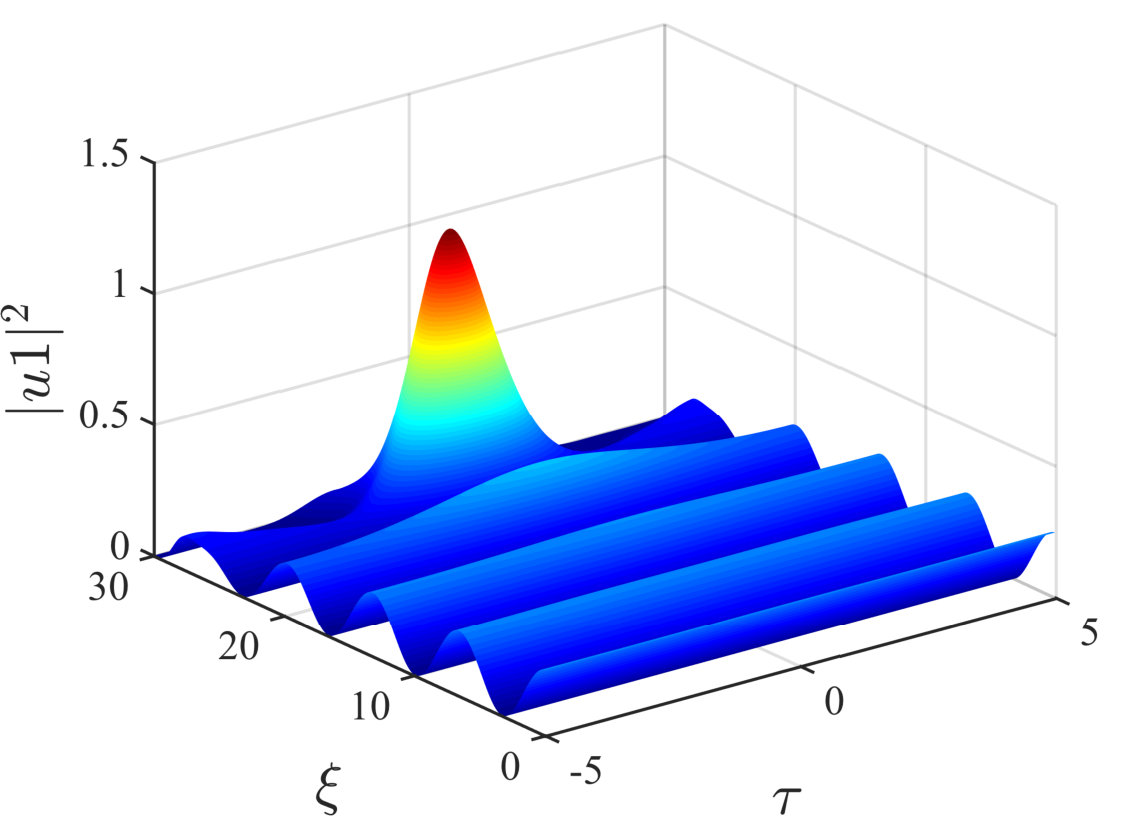 Figure 10
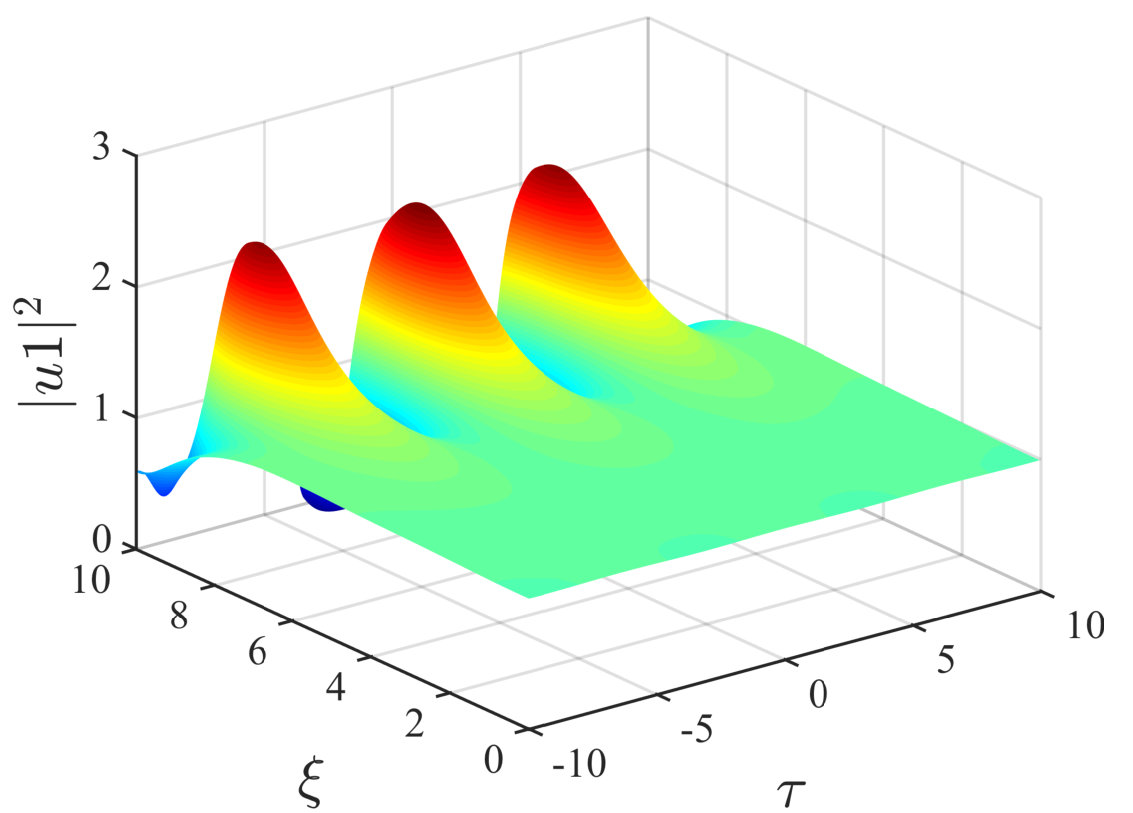 Figure 11
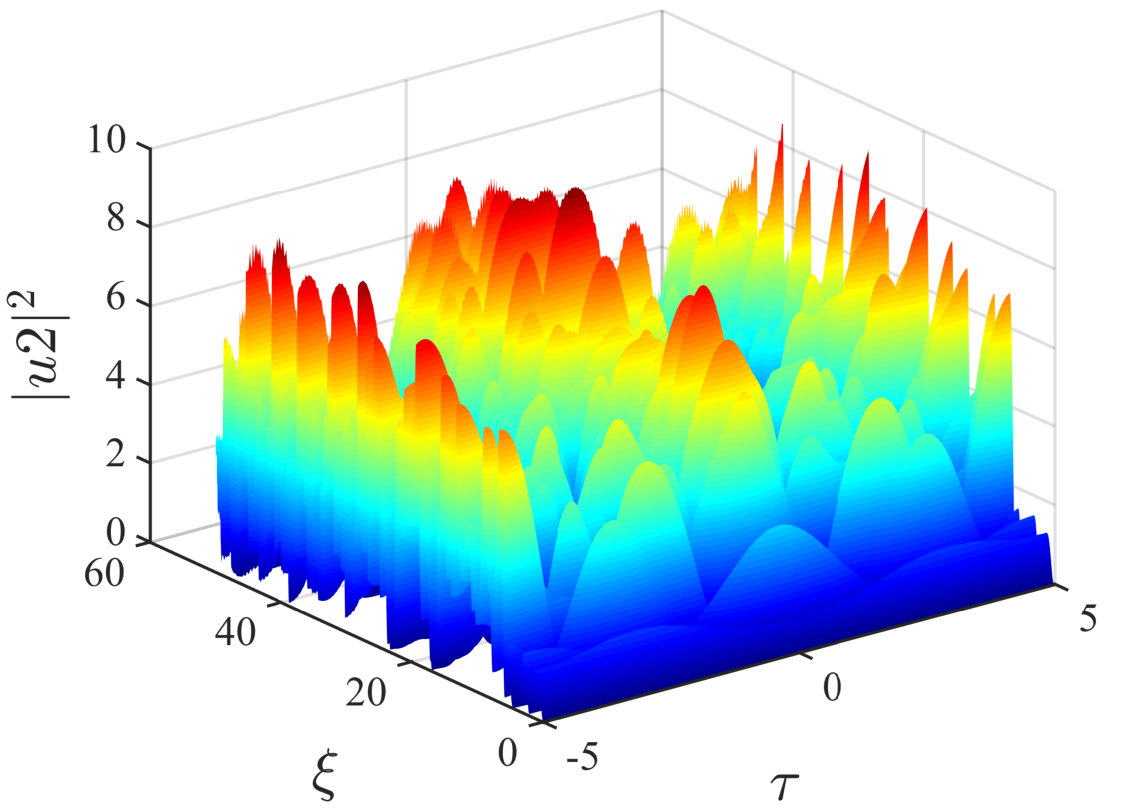 Figure 12
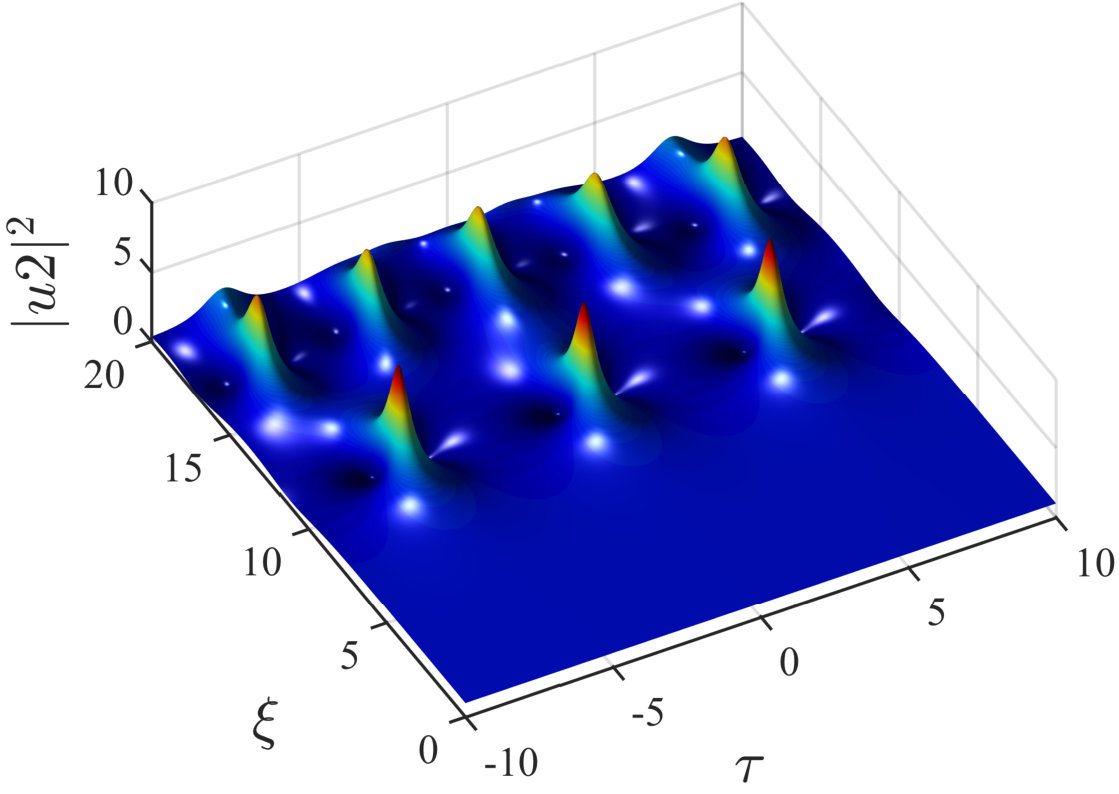 Figure 13
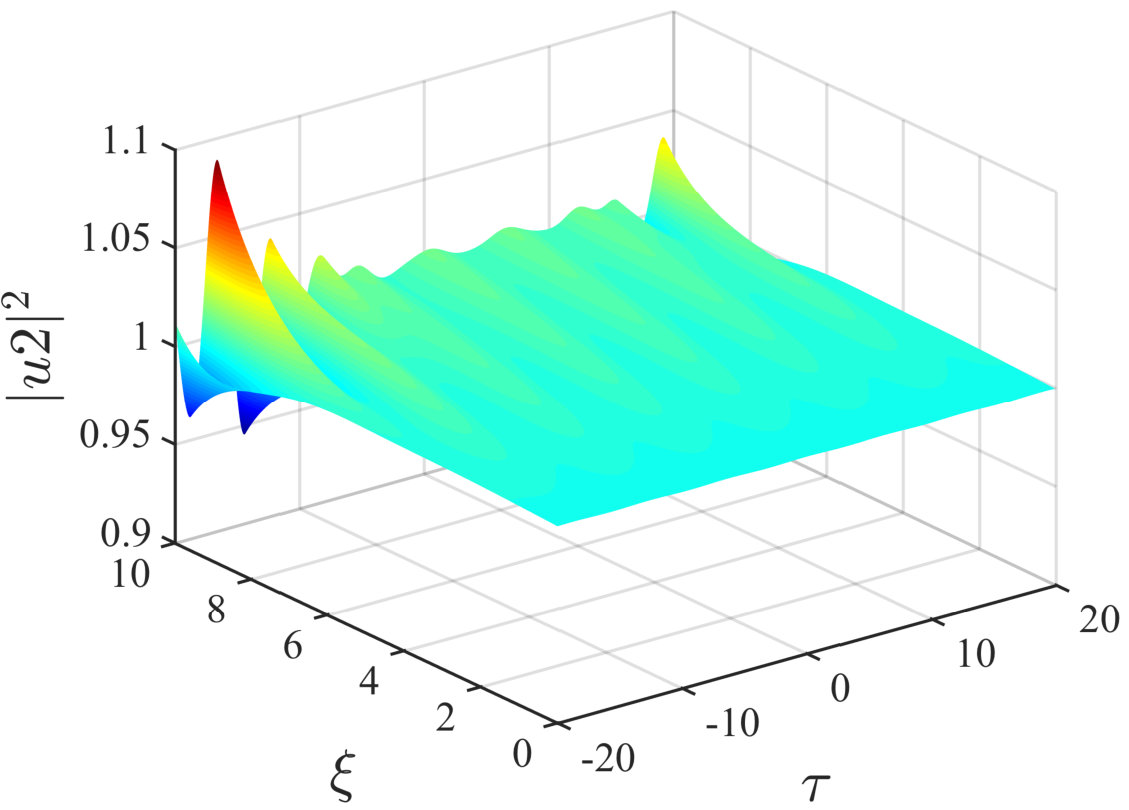 Figure 14
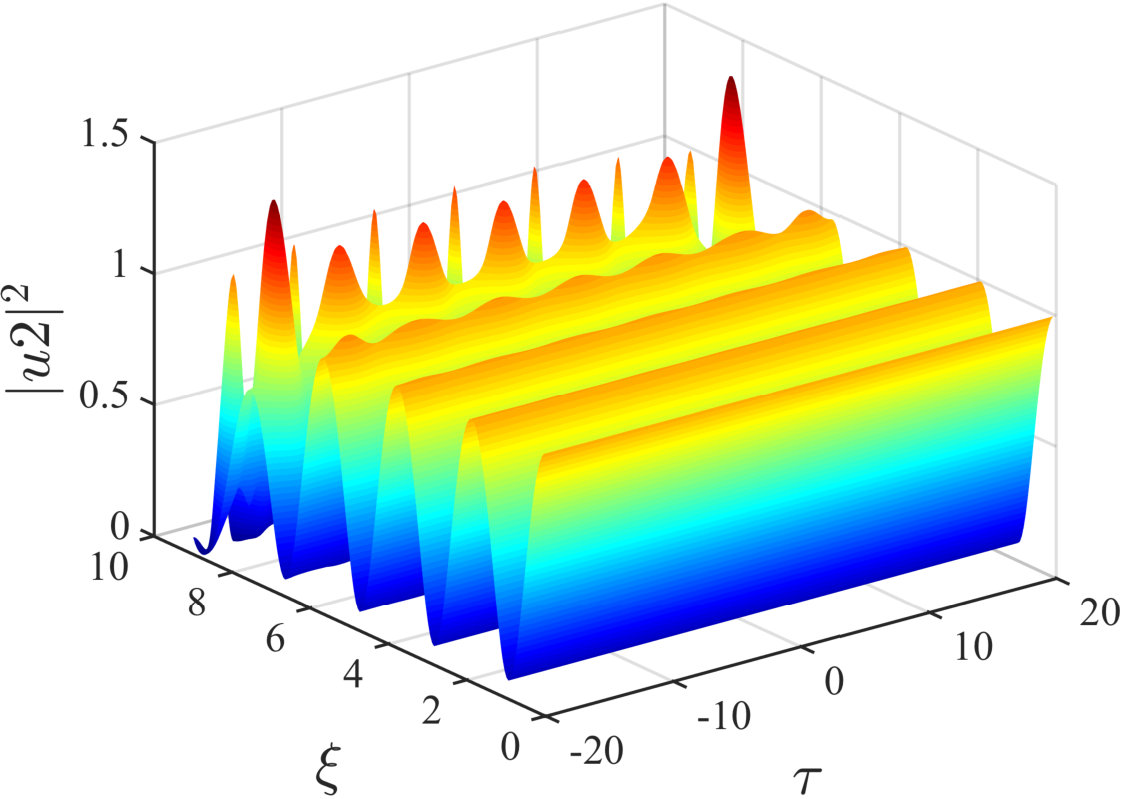 Figure 15
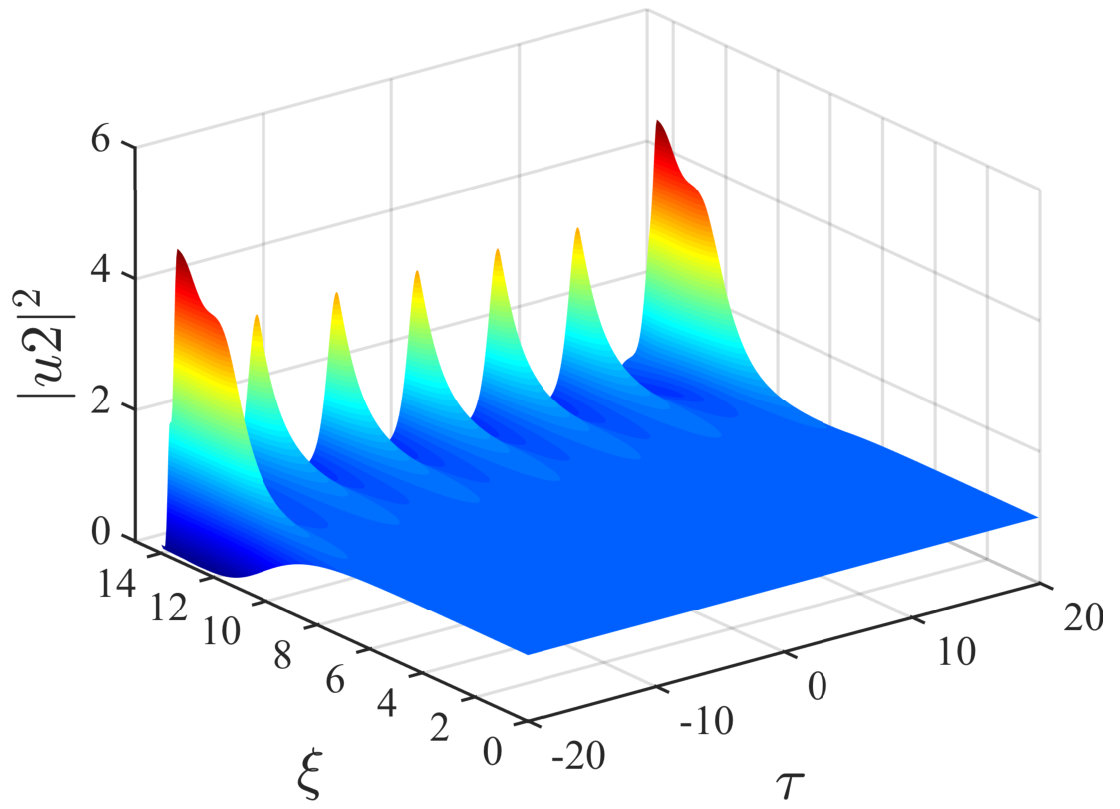 Figure 16
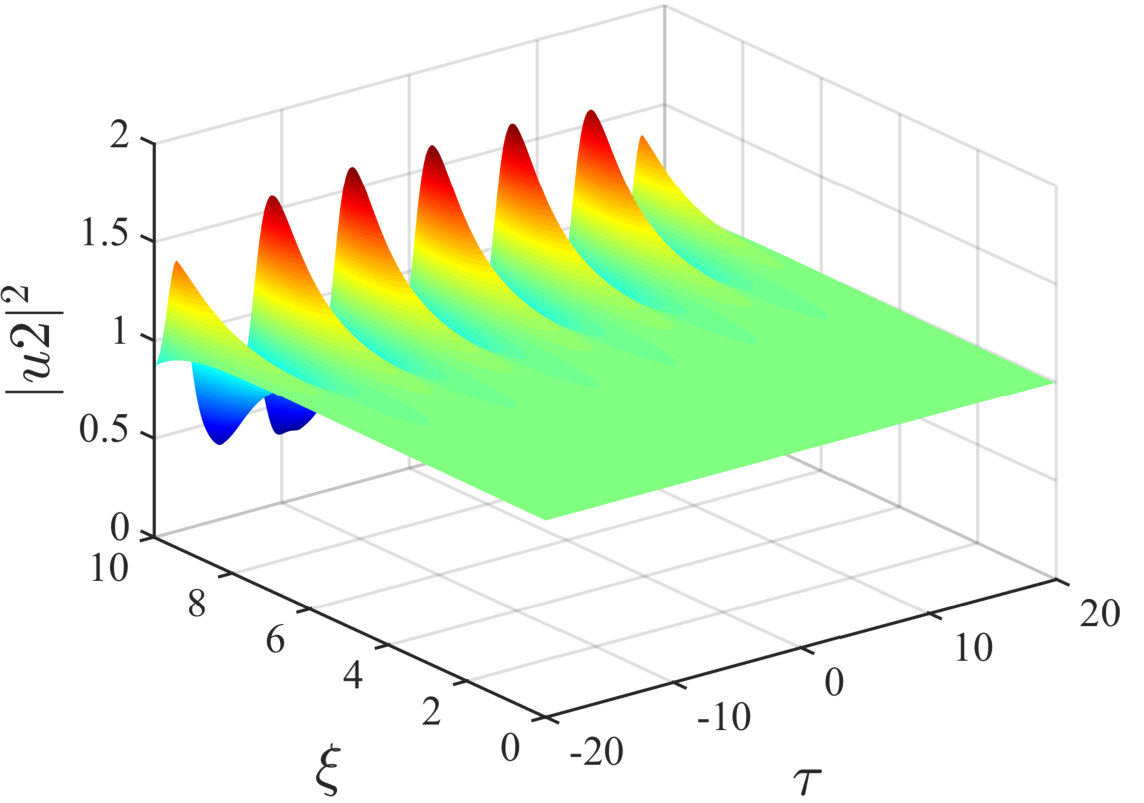 Figure 17
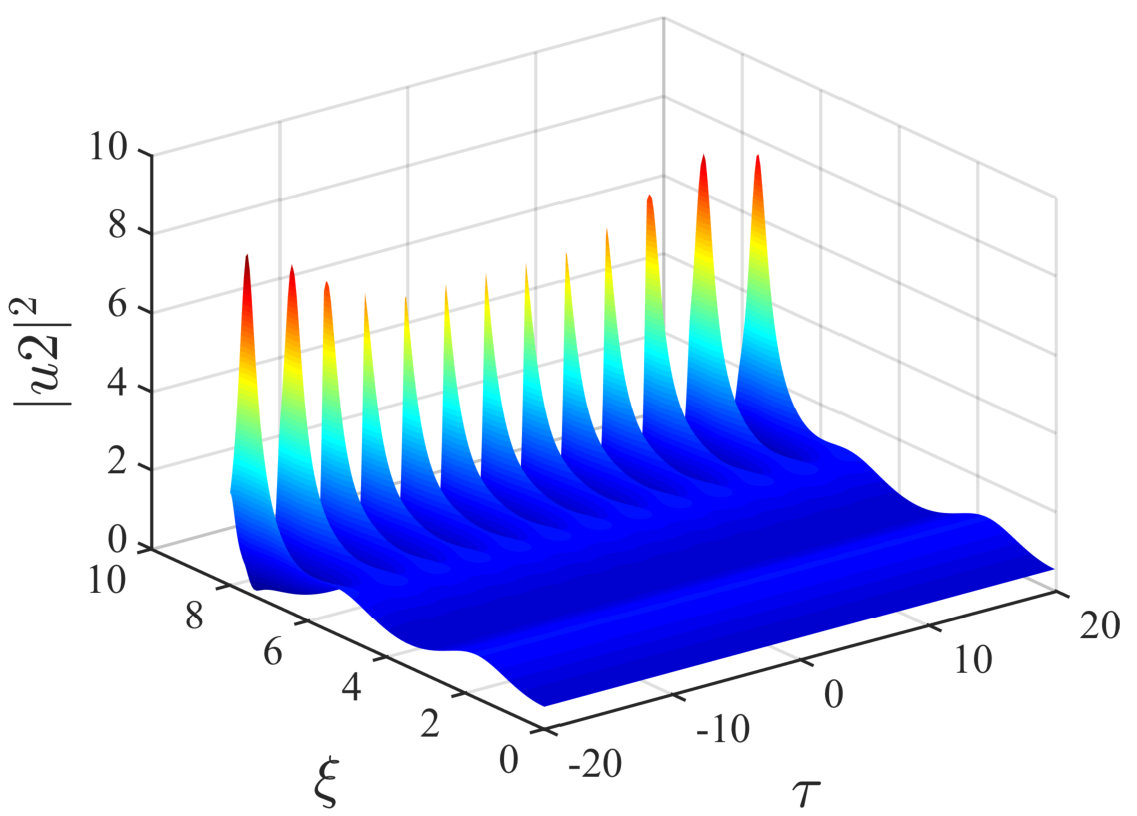 Figure 18
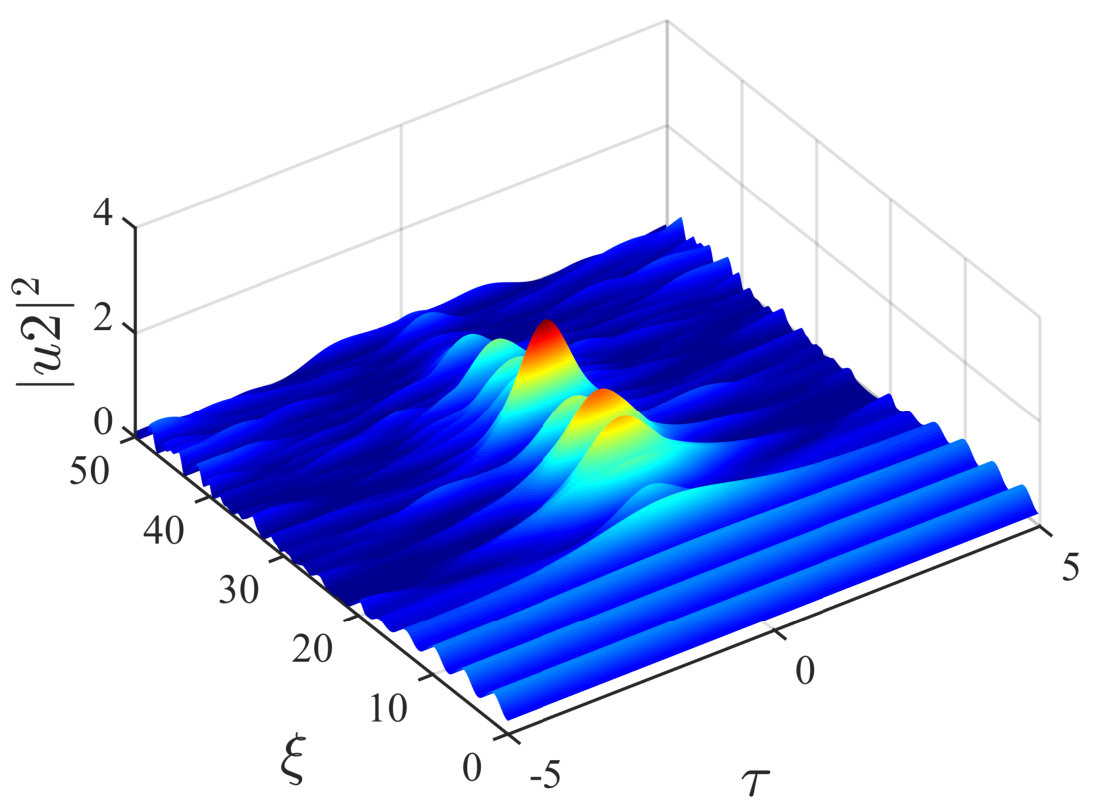 Figure 19
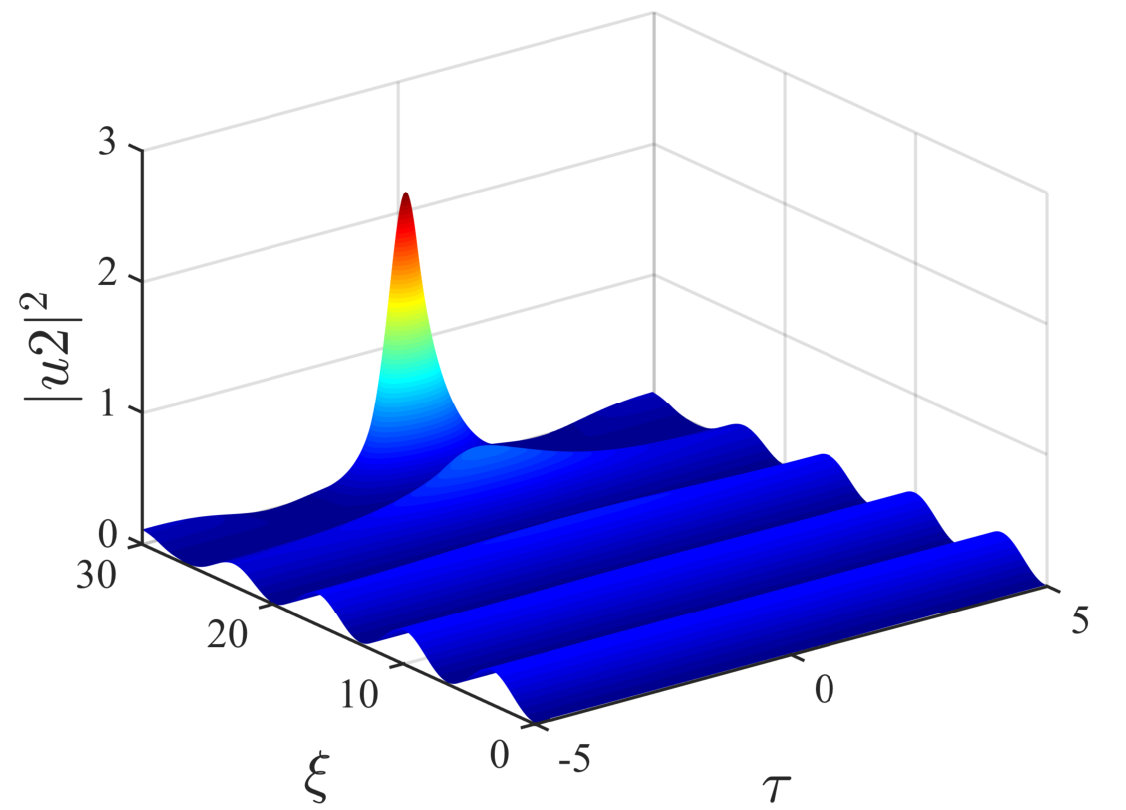 Figure 20
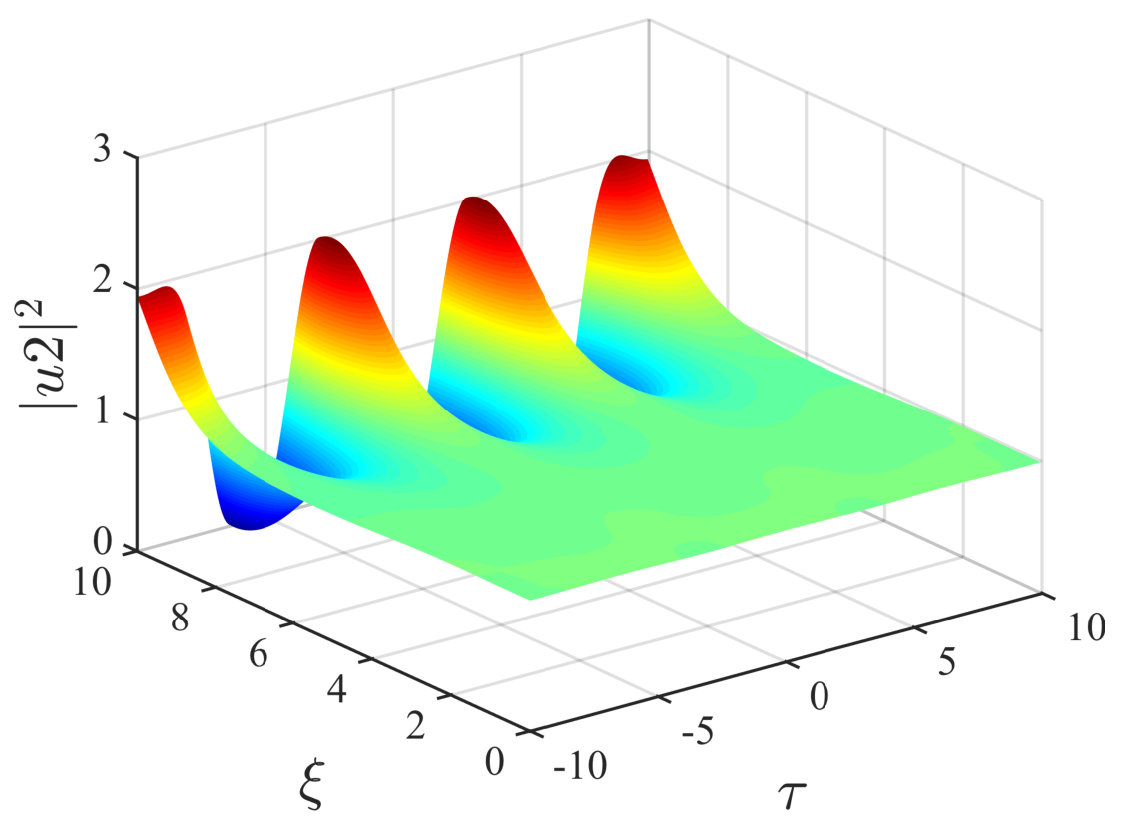 Figure 21
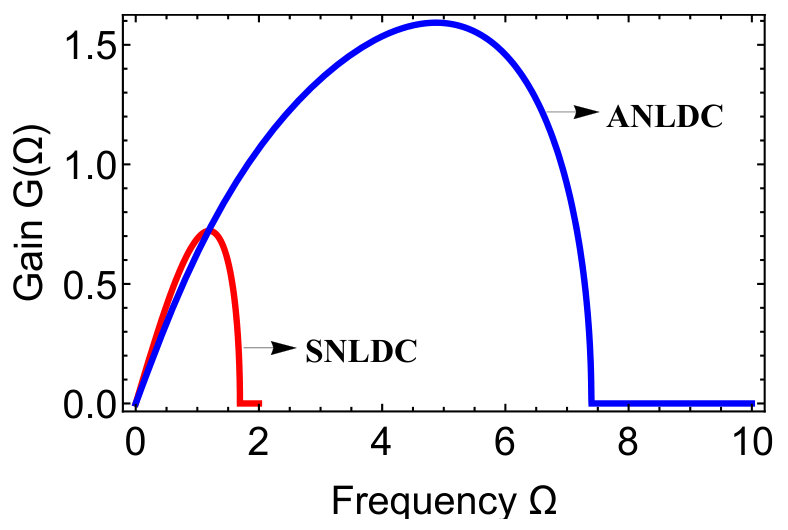 Figure 1
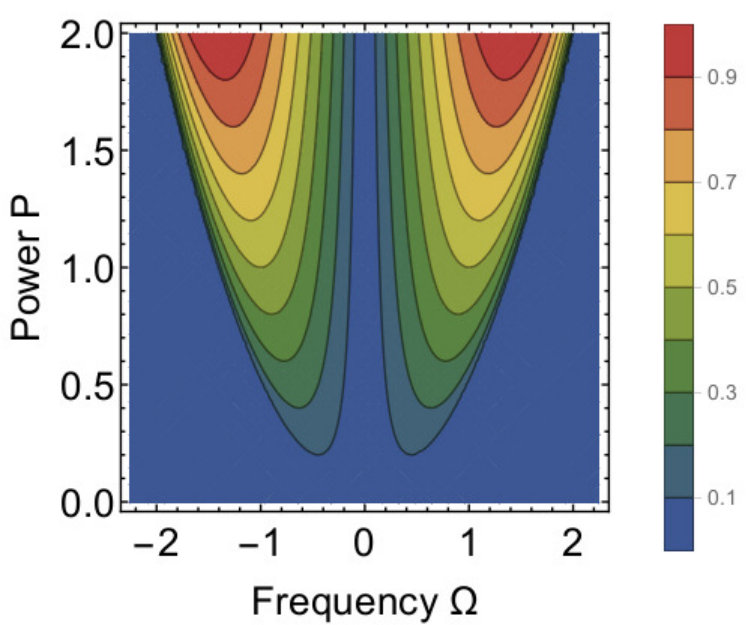 Figure 2
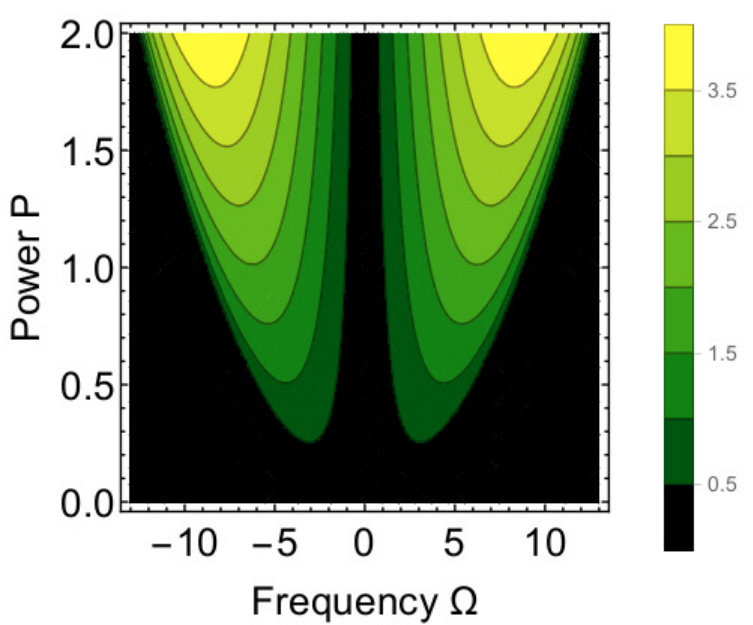 Figure 2
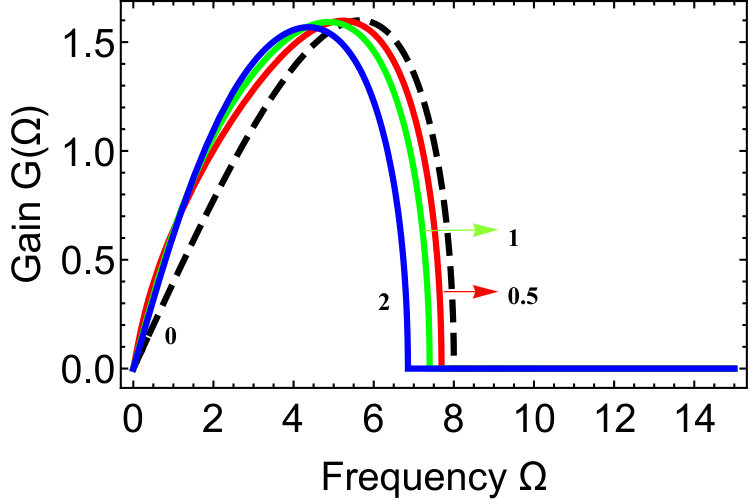 Figure 3
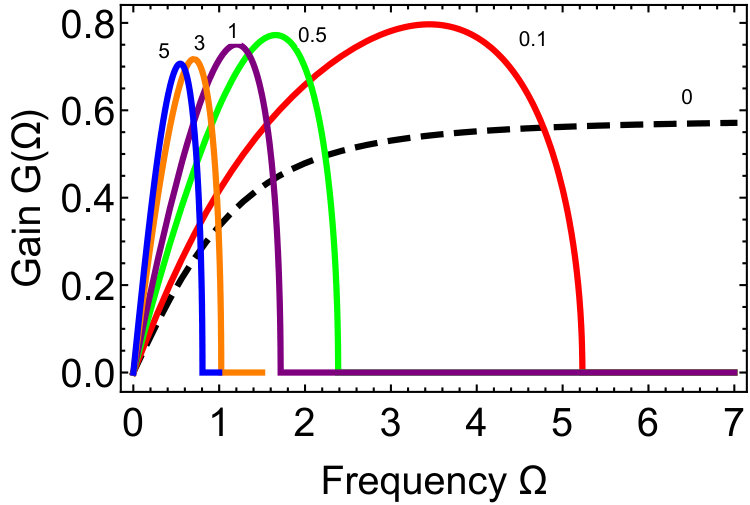 Figure 4
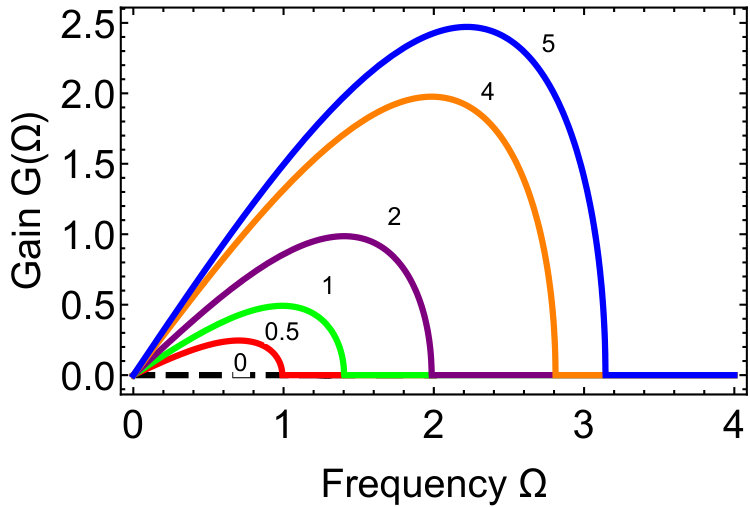 Figure 5
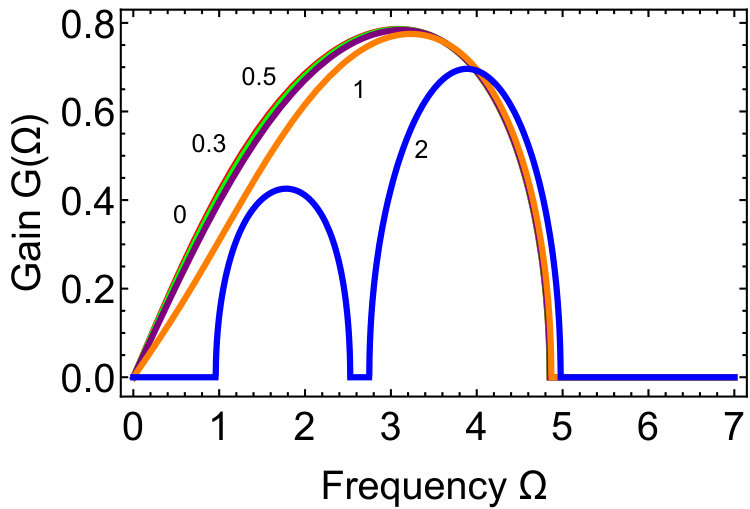 Figure 6
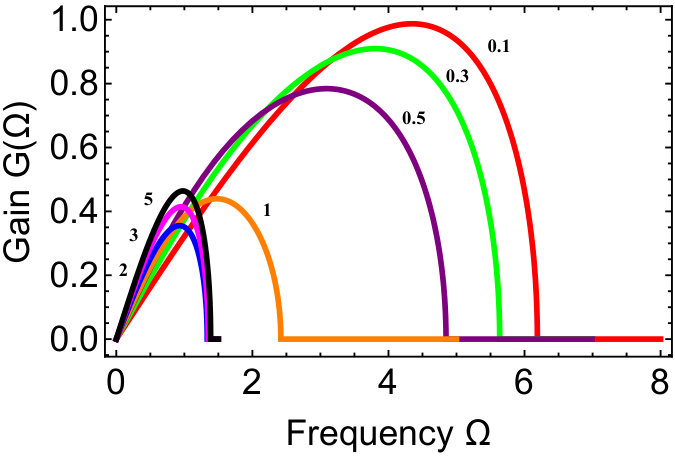 Figure 7
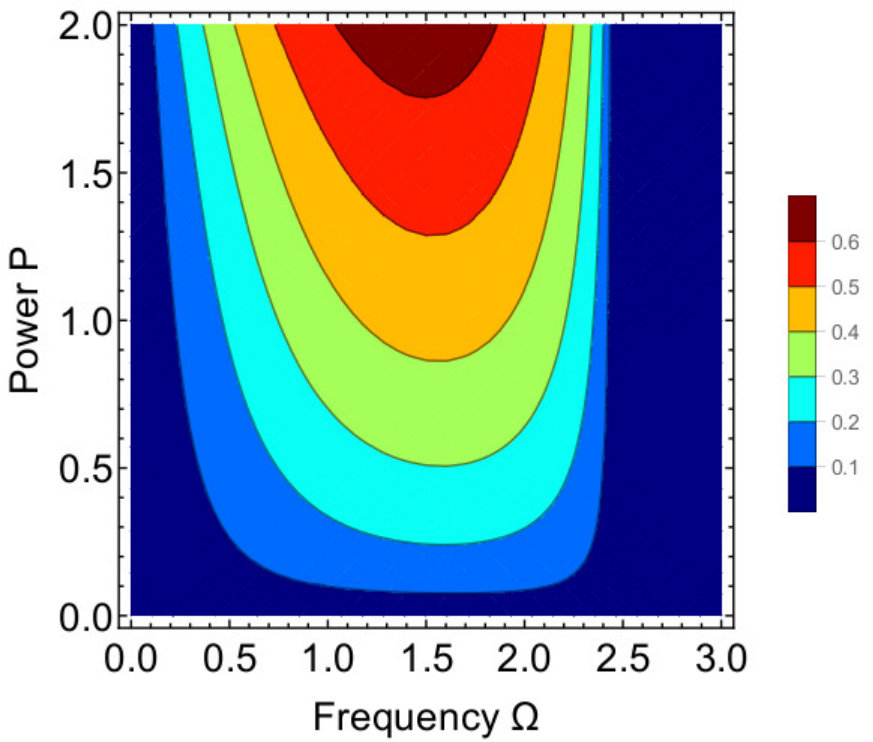 Figure 30
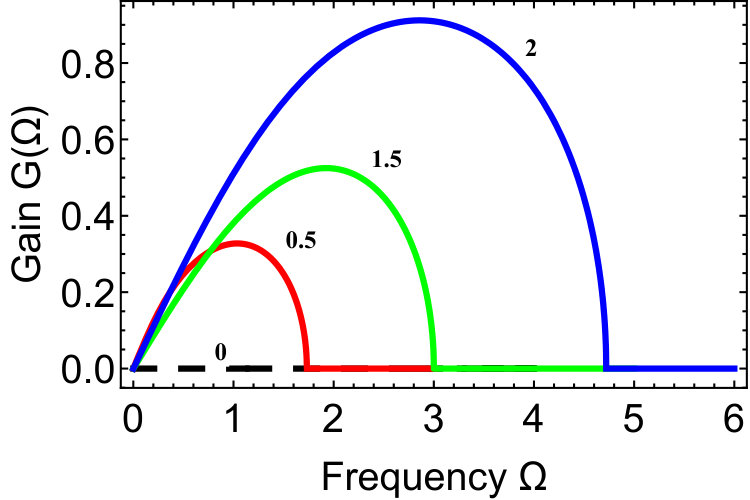 Figure 31
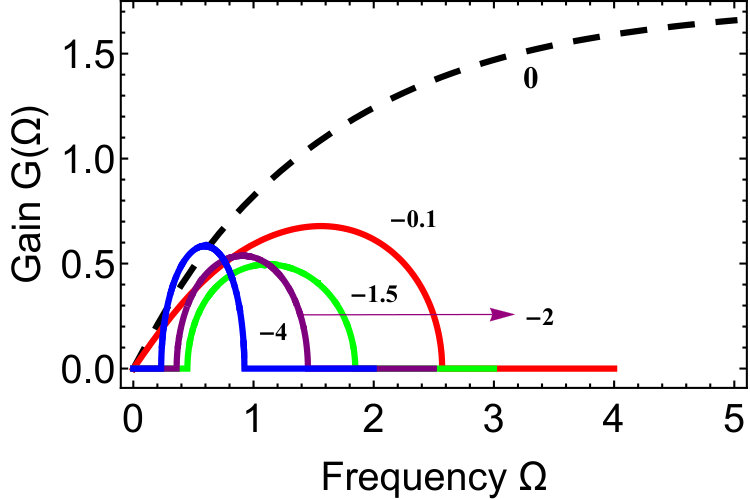 Figure 32
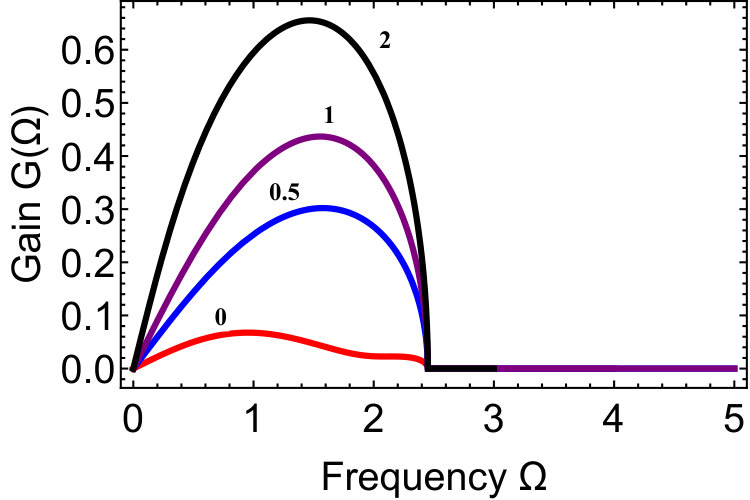 Figure 33
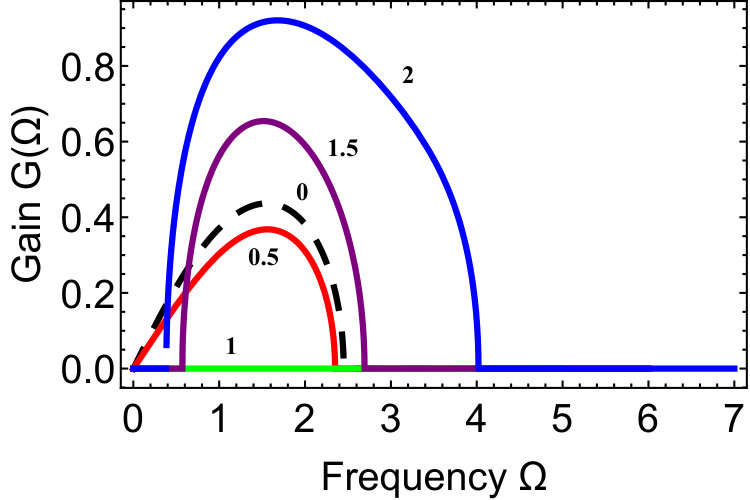 Figure 34
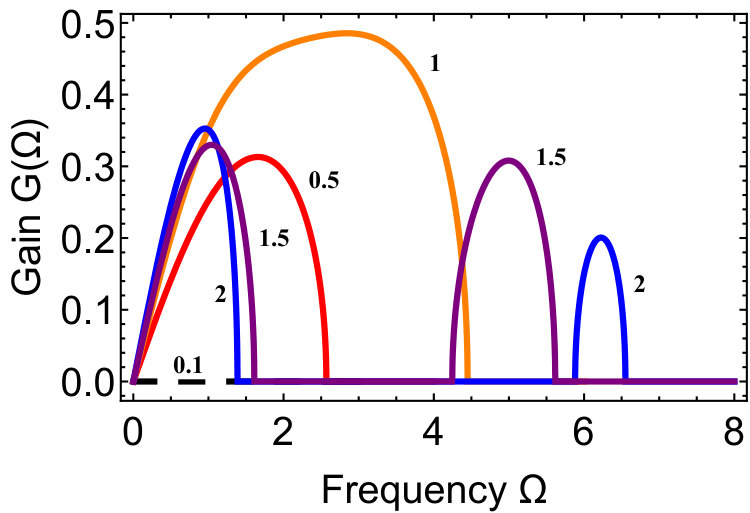 Figure 35
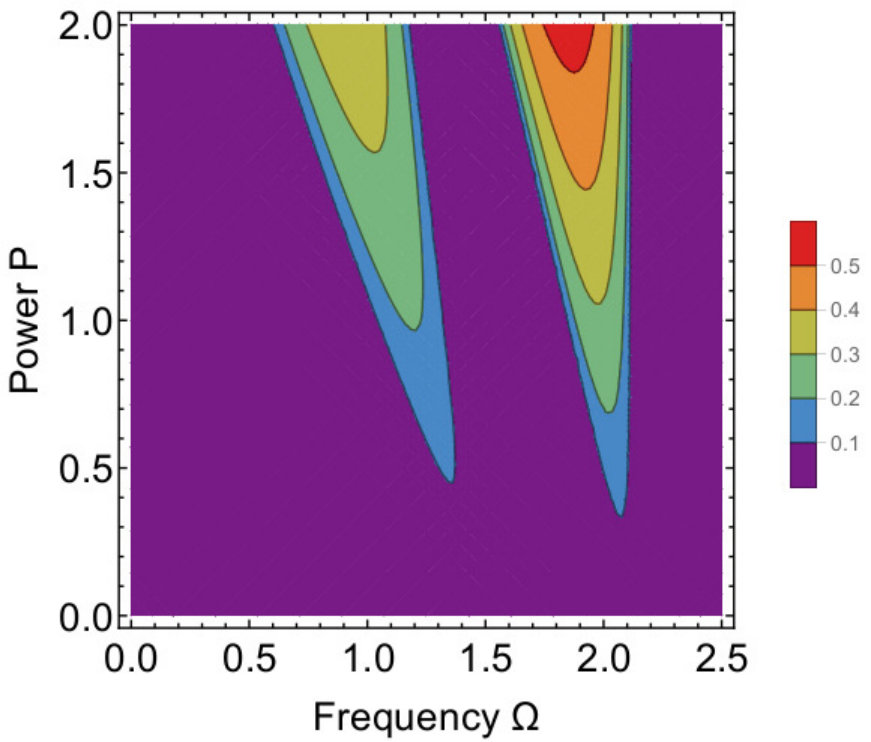 Figure 36
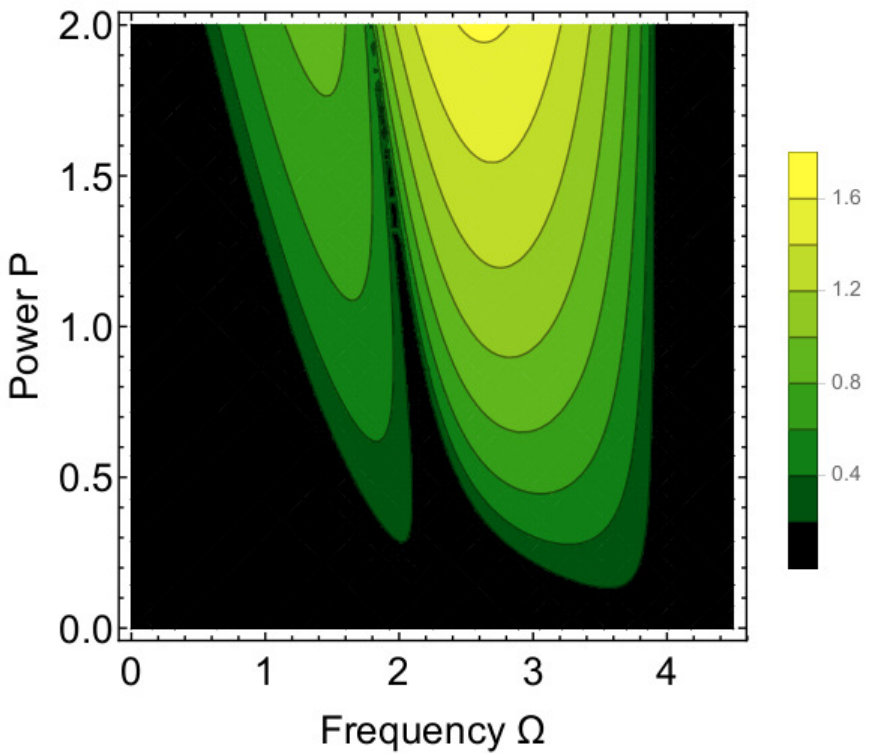 Figure 37
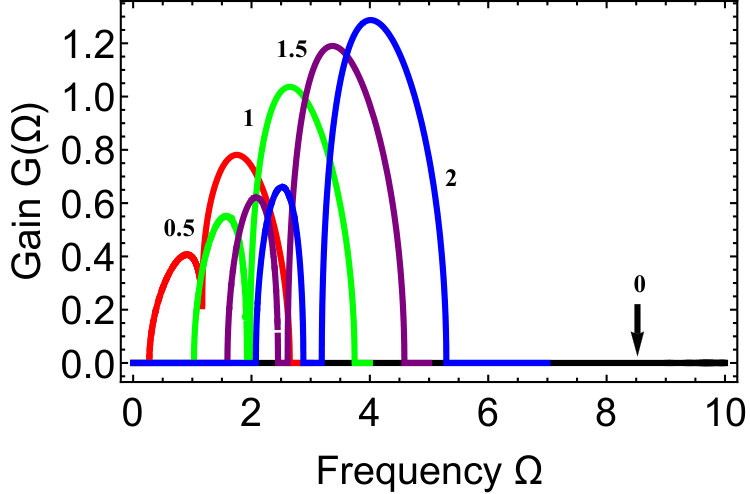 Figure 38
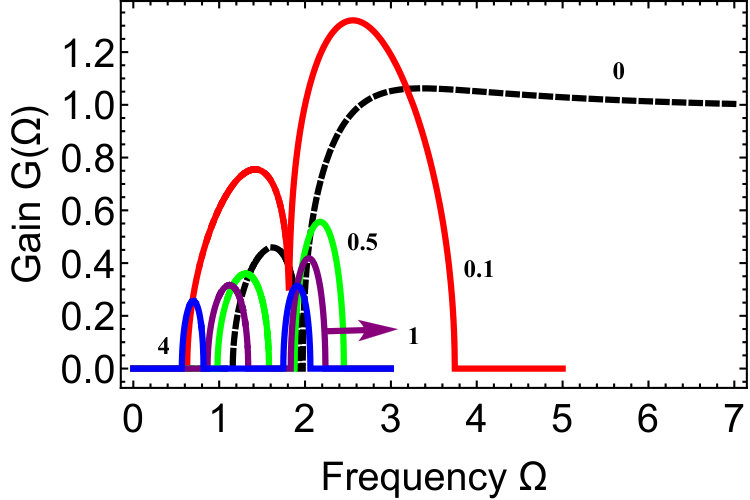 Figure 39
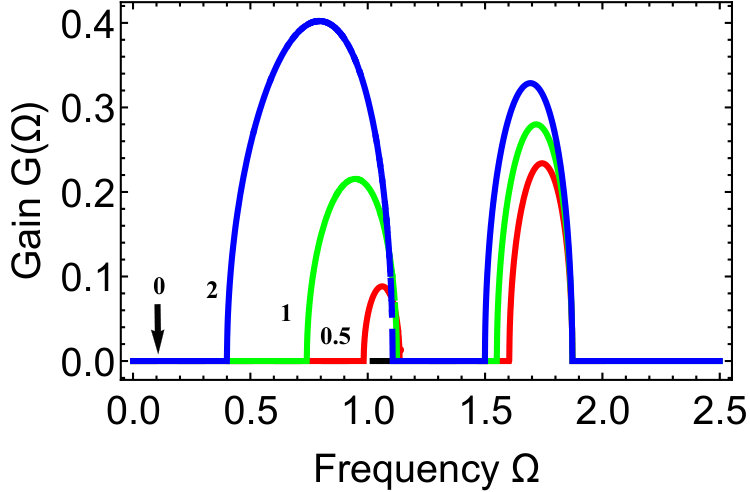 Figure 40
Peer Reviews
No public reviews on file for this paper yet. If you reviewed it on a platform where reviews are public (OpenReview, ICLR, NeurIPS, ICML), you can paste yours below so the community can read it here.
Videos
No videos yet. Explain this paper in a talk, walkthrough, or lecture? Add one.
Abstract
We investigate modulational instability (MI) in asymmetric dual-core nonlinear directional couplers incorporating the effects of the differences in effective mode areas and group velocity dispersions, as well as phase- and group-velocity mismatches. Using coupled-mode equations for this system, we identify MI conditions from the linearization with respect to small perturbations. First, we compare the MI spectra of the asymmetric system and its symmetric counterpart in the case of the anomalous group-velocity dispersion (GVD). In particular, it is demonstrated that the increase of the inter-core linear-coupling coefficient leads to a reduction of the MI gain spectrum in the asymmetric coupler. The analysis is extended for the asymmetric system in the normal-GVD regime, where the coupling induces and controls the MI, as well as for the system with opposite GVD signs in the two cores. Following the analytical consideration of the MI, numerical simulations are carried out to explore nonlinear development of the MI, revealing the generation of periodic chains of localized peaks with growing amplitudes, which may transform into arrays of solitons.
keywords:
modulational instability; asymmetric nonlinear fiber couplers; linear stability approach; coupled nonlinear Schrödinger equations
\articlenumber
x \doinum10.3390/—— \pubvolume7
\externaleditorAcademic Editor: Christophe Finot \historyReceived: 25 April 2017; Accepted: 13 June 2017; Published: date \TitleModulational Instability in Linearly Coupled Asymmetric Dual-Core Fibers \AuthorArjunan Govindarajan 1,†, Boris A. Malomed 2,3, Arumugam Mahalingam 4 and Ambikapathy Uthayakumar 1,* \AuthorNamesArjunan Govindarajan, Boris A. Malomed, Arumugam Mahalingam and Ambikapathy Uthayakumar
\corresCorrespondence: [email protected] \firstnoteCurrent address: Centre for Nonlinear Dynamics, School of Physics, Bharathidasan University, Tiruchirappalli 620 024, Tamilnadu, India.
1 Introduction
The modulational instability (MI) is a ubiquitous phenomenon originating from the interplay of linear dispersion or diffraction and the nonlinear self-interaction of wave fields. This effect was first theoretically identified by Benjamin and Feir in 1967 for waves on deep water Benjamin and Feir (1967); hence, MI is often called the Benjamin–Feir instability. Studies of the MI draw steadily growing interest in nonlinear optics Hasegawa (1984); Tai et al. (1986); Agrawal (1987), fluid dynamics Zakharov et al. (2006); Melville (1982), Bose–Einstein condensates Konotop and Salerno (2002); Li et al. (2005); Bhat et al. (2015), plasma physics Taniuti and Washimi (1968); Galeev et al. (1975) and other fields.
In its standard form, the MI applies to continuous waves (CWs) or quasi-CW states in media featuring cubic (Kerr) self-focusing nonlinearity and anomalous group-velocity dispersion (GVD), giving rise to the instability against infinitesimal perturbations in the form of amplitude and phase modulations, which eventually generates trains of soliton-like pulses Zakharov and Ostrovsky (2009). MI can also be observed in the normal-GVD regime in systems incorporating additional ingredients, such as the cross-phase modulation interaction between two components Boggio et al. (2001), in the case of the co-propagation of optical fields and other effects, in particular the loss dispersion Tanemura et al. (2004) or fourth-order GVD Höök and Karlsson (1993). In all of these cases, destabilizing perturbation may originate from quantum noise or from an additional weak frequency-shifted wave Agrawal (2006). Based on the nature of the underlying optical propagation, the MI is classified as the temporal (longitudinal) instability Hasegawa and Tappert (1973); Rehberg et al. (1988), if the CW is subject to the GVD in fibers, or spatial (transverse) instability Malendevich et al. (2001), if the CW state experiences the action of diffraction in a planar waveguide. More general spatio-temporal MI occurs in bulk optical media when both the GVD and diffraction are essential Liou et al. (1992).
The MI has found many important applications, including the creation of pulses with ultra-high repetition rates Greer et al. (1989); Agrawal (2001), the expansion of the bandwidth of Raman fiber amplifiers Ellingham et al. (2005), the generation of optical supercontinuum Dudley et al. (2009) and all-optical switching Trillo et al. (1988). In the context of nonlinear fiber optics, MI can also drive the four-wave mixing initiated by the interaction of a signal wave with random noise Boggio et al. (2001). MI is also often regarded as a precursor to soliton formation, since the same nonlinear Schrödinger equation, which governs the MI, gives rise to stable solitary pulses. Indeed, the breakup of the original CW into soliton arrays may be an eventual outcome of the development of the MI Agrawal (2006).
Starting from the theoretical analysis by Jensen Jensen (1982), followed by the experimental verification Maier (1982), nonlinear directional couplers (NLDC), which are built as dual-core fibers, have been one of the promising elements of integrated photonic circuits for the realization of ultrafast all-optical switches, as well as a subject of intensive fundamental studies Trillo et al. (1988); Kivshar (1993); Friberg et al. (1988); Malomed et al. (1996); Chiang (1995); Chen et al. (1992); Govindaraji et al. (2014). The operation of the NLDC is governed by the interplay of the Kerr self-focusing, which induces a change in the refractive index in each core, intra-core linear GVD, and linear coupling between the cores. The linear-coupling coefficient determines the critical value of the power, which gives rise to the spontaneous breaking of the symmetry between the two cores Snyder et al. (1991). Based on such power-dependent transmission characteristics, many applications of the NLDC have been proposed, such as all-optical switching and power splitting Trillo et al. (1988), logic operations Yang (1991); Yang and Wang (1992), pulse compression Kitayama and Wang (1983) and bistability Thirstrup (1995).
The MI dynamics in NLDC models was investigated in many works. In particular, in Trillo et al. (1989), Trillo et al., who first studied soliton switching in NLDC Trillo et al. (1988), also investigated the MI, considering different combinations of linear and nonlinear effects in a saturable nonlinear medium. In Tasgal and Malomed (1999), the MI was investigated for antisymmetric and asymmetric CW states in the dual-core fibers, demonstrating that they are subject to the MI even in the normal-GVD regime. In Li et al. (2011), MI was explored by considering the effects of intermodal dispersion, along with higher-order effects, such as the third-order dispersion (TOD) and self-steepening, leading to the conclusion that the intermodal dispersion does not affect the MI growth rate of symmetric or antisymmetric CW states, but can drastically modify the MI of asymmetric CW configurations. Moreover, TOD, as usual, has no influence on the MI gain spectrum in NLDC, while self-steepening can significantly shift the dominant MI band at a sufficiently high input power level. In Li et al. (2012), Li et al. extended the MI to birefringent fiber couplers by including the cross-phase modulation, polarization mode dispersion, and polarization-dependent coupling. Furthermore, in Nithyanandan et al. (2013), MI was studied under the combined effects of the intermodal dispersion and saturable nonlinear response. In Porsezian et al. (2009), Porsezian et al. carried out analytical and numerical investigation of MI for asymmetric CW states in a dissipative NLDC model, based on cubic-quintic complex Ginzburg–Landau equations. In a similar way, in Ganapathy et al. (2006), MI was investigated for asymmetric dissipative fiber couplers, which are used in fiber lasers. In that work, the system was asymmetric, as the bar channel was an active (amplified) one, while the cross channel was a passive lossy core (the same setting was investigated as a nonlinear amplifier Malomed et al. (1996)).
In all of the works dealing with the MI, except for Ganapathy et al. (2006), it was assumed that the NLDC is completely symmetric with respect to the two cores. Extension of the analysis to asymmetric nonlinear couplers is a subject of obvious interest, as new degrees of freedom introduced by the asymmetry may enhance the functionality of NLDC-based devices Kaup and Malomed (1998); Govindaraji et al. (2015). In a simple way, an asymmetric NLDC (ANLDC) can be manufactured using the difference in diameters of the cores, which tends to produce not only the phase-velocity mismatch between them, but also a change in nonlinearity coefficients. Further, the asymmetry can be imposed by deforming transverse shapes of the cores, while maintaining their areas equal. In such birefringent couplers, one can induce a phase-velocity mismatch without a change in the nonlinearity coefficients. Furthermore, to attain the asymmetry, cores with different GVD coefficients may be used as well. A number of works addressed the switching dynamics Li et al. (2012); Govindaraji et al. (2014); Chen et al. (1992); He et al. (2011); Shum and Liu (2002); Nóbrega et al. (2000), stability of solitons Kaup and Malomed (1998); Kaup et al. (1997); Atai and Malomed (2003, 2002); Zafrany et al. (2005), logic operations Yang (1991); Yang and Wang (1992), etc., to elucidate possible advantages of the ANLDC over the symmetric couplers.
In particular, switching of bright solitons has been studied Li et al. (2012) in the model taking into regard the group- and phase-velocity mismatch and differences in the GVD coefficients and effective mode areas of the two cores. Recently, switching dynamics of dark solitons and interaction dynamics of bright solitons have been investigated in Govindaraji et al. (2015, 2016). However, systematic investigation of the MI dynamics and ensuing generation of pulse arrays in ANLDC has not been reported, as of yet. This is the subject of the present work.
The remainder of the paper is structured as follows. Section 2 introduces the coupled-mode system for the propagation of electromagnetic fields in the asymmetric coupler. Section 3 presents the linear-stability analysis for the MI induced by small perturbations, followed by further analysis in Section 4. Section 5 reports direct simulations of the nonlinear development of the MI. Section 6 concludes the paper.
2 Coupled-Mode Equations
The propagation of optical waves in asymmetric nonlinear couplers is governed by a pair of linearly-coupled nonlinear Schrödinger equations Agrawal (2001); Govindaraji et al. (2015);
[TABLE]
where , and , are amplitudes of slowly varying envelopes and nonlinearity coefficients in the two cores of the ANLDC, while \delta_{a}\ accounts for the phase-velocity difference between the cores. Further, and () are the group-velocity and GVD parameters in the -th core, and is the coefficient of the linear coupling between the cores.
To derive normalized coupled equations, we perform rescaling,
[TABLE]
where is the dispersion length corresponding to a characteristic pulse width , the result being:
[TABLE]
Here, the normalized coupling coefficient is and correspond to the anomalous and normal GVD in the first core, while the normalized phase- and group-velocity mismatches and differences in the GVD and effective mode areas are represented, respectively, by:
[TABLE]
To design such asymmetric fiber couplers and to calculate the asymmetry coefficients, we adopt physical parameters for the first core, corresponding to standard nonlinear directional couplers, as follows: ps2/m, kW*-1*/m, fs at wavelength . Physical parameters for the second core are then determined by normalized coefficients, according to the design outlined above. Furthermore, in terms of this normalized system, we will call “bar” and “cross” the cores corresponding to Equations (4) and (5), respectively.
3 The Linear-Stability Approach
Steady-state CW solutions with common propagation constant are looked for as:
[TABLE]
where are real amplitudes, which determine the total intensity and asymmetry ratio:
[TABLE]
The substitution of Ansatz (7) in Equations (4) and (5) yields an expression for propagation constant and a relation between and the phase velocity mismatch, :
[TABLE]
Next, we add infinitesimal perturbations to the CW solutions, as:
[TABLE]
Substituting Expression (11) into Equations (4) and (5), we arrive at linearized equations for the complex perturbations:
[TABLE]
Solutions to Equations (12) and (13) are looked for, in the usual form, as:
[TABLE]
where and are a (generally, complex) wave number and an arbitrary frequency of the perturbation. A set of linear coupled equations for perturbation amplitudes and are derived by substituting Expressions (14) and (15) in Equations (12) and (13):
[TABLE]
where is a matrix, whose elements are written in Appendix A. A nontrivial solution exists under condition . Straightforward algebraic manipulations transform the latter condition into a dispersion relation, in the form of a quartic equation for as a function of :
[TABLE]
Rather cumbersome expressions for coefficients are also given in Appendix A. The MI growth rate (gain), defined here for the amplitude of the waves (rather than for the power), is determined by the largest absolute value of the imaginary part of the wave number:
[TABLE]
4 Analysis of the Modulational Instability
4.1 The Anomalous-Dispersion Regime
We start by considering the case of the anomalous GVD in both cores, i.e., in Equations (4) and (5), as in this case the MI is well known to occur in nonlinear optical fibers. First, in Figure 1, the red line shows the MI gain in the conventional symmetric NLDC (“SNLDC”), with and . In the same figure, the solid blue line shows the gain for the asymmetric NLDC (“ANLDC”) with a particular choice of asymmetry parameters (the reason for choosing these values is explained below), such that the effective mode area of the second core is twice that of the first core, and the GVD of the bar channel is ten-times higher than in the cross one. The figure makes it evident that the MI gain increases by a factor 2 in the ANLDC, and the MI bandwidth is wider by a factor 4. The enhancement of the MI is a new result in the context of the nonlinear directional coupler (similar enhancement was earlier found in the single-core decreasing-GVD fibers with a tapered core Xu et al. (2001).
4.1.1 The Effect of the Input Power on the Instability Spectrum
To elucidate the role of individual effects in the dramatic expansion of the MI region in the asymmetric coupler, we first examine the variation of the MI gain spectrum as a function of the CW power, in both the symmetric and asymmetric systems. Figure 2a clearly demonstrates that the MI gain in the former case increases as in the case of the usual MI Agrawal (2006), i.e., linearly with the power. For the asymmetric system, Figure 2b shows not only the growth of the MI gain with the increase of the power, but also strong expansion of the MI bandwidth.
4.1.2 The Role of the Coupling Coefficient
Figure 3a shows the MI spectrum as a function of the normalized coupling coefficient in the ANLDC, i.e., in Equations (12) and (13). The limit case of zero coupling, i.e., the system with decoupled cores, is included too. It is seen that the dependence of the largest gain and MI bandwidth on is very weak.
4.1.3 The Impact of Asymmetry Parameters
The influence of the GVD difference, , on the instability spectra is presented in Figure 3b. The limit case of the coupler with zero GVD in the cross channel, , is included as well. As seen in the figure, the MI bandwidth of MI is infinite in the limit case. Both the gain and bandwidth of the MI monotonically decrease with the increase of , with the MI vanishing in the limit of . In other words, relatively weak anomalous GVD in the cross channel strongly affects MI bandwidth in the ANLDC.
The influence of the difference in effective mode areas of two cores () is illustrated by Figure 3c. In this case too, we start with the limit case of an extremely asymmetric coupler, in which the second core is purely dispersive, with zero nonlinearity (). In this limit, the MI gain vanishes. The MI gain and bandwidth monotonically increase with the growth of . This dependence on is opposite to that on , which is displayed in Figure 3b. Thus, the MI can be effectively controlled by means of the two asymmetry parameters, and .
Next, we study the effect of the group-velocity mismatch (walk-off between the cores), . Figure 4a shows the impact of when the asymmetry is represented only by the GVD ratio, , while the nonlinear coefficients in both cores are equal. The figure demonstrates that the variation of in the range of weakly affects the MI spectrum. The effect is much stronger at larger values of the walk-off. In particular, the MI spectral band splits into two at . The latter effect seems interesting even if the value of may be difficult to attain in real couplers. On the other hand, the analysis demonstrates that the variation of produces almost no effect on the MI gain in the case when the asymmetry is determined by the difference in the nonlinearity coefficients (), while the GVD coefficients are equal (). The latter result is not shown here in detail, as it does not display noteworthy features.
It is obviously interesting as well to investigate the effect of the CW asymmetry ratio, (see Equation (8)), on the MI. These results are presented in Figure 4b, which makes it obvious that the gain and bandwidth of the MI quickly decrease with the increase of from small values \sim$$0.1 to . With the further increase of the asymmetry ratio to values , the largest MI gain slightly increases, while the bandwidth remains practically constant.
4.2 The Normal-Dispersion Regime
The combination of the self-focusing Kerr nonlinearity and normal GVD usually supports stable CWs. However, as mentioned in the Introduction, MI may occur under the normal GVD in more complex systems, including couplers. Following the pattern of the MI investigation presented above for the anomalous GVD, we first consider the effect of the CW power, , on the MI gain. We also compare the instability spectrum of the asymmetric system with that of the symmetric one in Figure 5a,b, respectively. As seen in Figure 5, in both cases, two distinct MI bands determine the instability, and (similar to the anomalous-GVD regime) the MI gain of the asymmetric system linearly grows with , featuring a broad bandwidth.
To illustrate the essential effect of the coupling coefficient , Figure 6a depicts the MI gain spectra for various values of . Naturally, no MI takes place in the normal-GVD regime in the absence of the coupling, . It is worthy to note the appearance of two separated MI bands at , the MI gain increasing in both bands, along with their widths, with the growth of .
The effect of the relative difference in the magnitude of the normal GVD in the two cores, , is shown in Figure 6b. Like in the anomalous-GVD regime, here, as well, the MI bandwidth is infinite for (it also contains a separate finite MI band). The MI spectrum features two separate bands at and the largest gain at . The gain decreases with the subsequent increase of .
Figure 7a shows the effect of the relative difference in the effective mode areas between the two channels, i.e., the ratio of the nonlinearity coefficient, . It is seen that no MI occurs when the cross channel is linear (), and two distinct MI bands emerge and expand, featuring a growing largest value of the instability gain, with the increase of .
The influence of the group-velocity mismatch (walk-off between the cores), , is depicted in Figure 7b. Once again, the MI appears in the form of two separated bands. The MI gain and bandwidth nontrivially depend on : at the low-frequency band is narrower, with smaller values of the instability gain, while at , the situation is inverted.
We have also analyzed the effect of the CW’s asymmetry (see Equation (8)) on the MI in the normal-GVD regime. No MI occurs for small values of , viz. . At (in particular, at ), there again emerge two separate MI bands, as shown in Figure 8. The MI gain and bandwidth attain their maxima at (equal amplitudes of the CW in the two cores), decreasing with the further increase of .
4.3 The Coupler with Opposite Signs of the Dispersion in the Two
Cores
The case of the opposite (“mixed”) GVD signs in the two cores of the coupler, which corresponds to in Equation (5), is obviously interesting, as well Kaup and Malomed (1998). For this purpose, we assume the anomalous and normal GVD in the bar and cross channels, respectively.
Figure 9 shows the effect of the CW power, , on the MI in the mixed-GVD coupler. The figure demonstrates that the MI gain and bandwidth monotonically increase with the growth of . It should be noted that the spectra obtained for this case are somewhat different in comparison with the conventional MI spectra, as the gain is stretched over a broad interval of the perturbation frequency when the CW power is low (). In the present case, the effect of the coupling coefficient, , on the MI, which is shown in Figure 10, is essentially the same as demonstrated above for the coupler with the normal GVD in both cores; see Figure 6a. Namely, the MI gain and bandwidth increase with the growth of .
The effects of the negative value of the ratio of the GVD coefficients, , and the ratio of the nonlinearity coefficients () in the two cores are shown in Figure 11. Similar to the coupler with the anomalous GVD in each core, cf. Figure 3b, the increase of (see Figure 11a) leads to shrinkage of the MI band. Like in the coupler with the anomalous GVD in both cores, cf. Figure 3c, the MI gain increases with the growth of , which is depicted in Figure 11b; however, the difference is that, in the present case of the mixed-GVD coupler, the bandwidth is not affected by the variation of .
Figure 12 displays quite nontrivial evolution of the MI spectra with the variation of the group-velocity mismatch (walk-off) between the cores, in Equation (5). The evolution is very different from what is demonstrated above for the coupler with the anomalous GVD in both cores, cf. Figure 4a. Namely, Figure 12 shows that the increase of from zero to one suppresses the MI, which completely vanishes at . The system recovers the MI, which features monotonically increasing gain and bandwidth, with the further increase of to values .
Next, we consider the impact of the asymmetry parameter in the CW state; see Equation (8). As show in Figure 13, there is no MI at small values of , such as . With the subsequent increase of up to , the MI gain and bandwidth increase, similar to what was observed above in the coupler with anomalous GVD in both cores; see Figure 4b. However, the situation becomes completely different at , when the CW amplitude is higher in the bar channel: the MI band splits into two narrower ones, with smaller values of the gain.
5 Direct Simulations
The analytical results obtained above for the MI have been checked against numerical calculations of the instability spectra. Numerical methods are actually more relevant for direct simulations of the nonlinear evolution of the MI, which was analyzed above in the linear approximation. The simulations were carried out by dint of the well-known split-step Fourier method Govindaraji et al. (2015) (using MATLAB). Most results displayed below were obtained using numerical meshes with Fourier points and periodic boundary conditions with respect to variable . Simulations performed with denser meshes have produced virtually identical results. Furthermore, results of the nonlinear development of the MI are not sensitive to details of initial small perturbations, which initiate the onset of the MI.
The initial conditions were taken in the form of the CW to which a small periodic perturbation was added:
[TABLE]
where is a small amplitude of the perturbation and is its frequency.
Various outcomes of the MI development for CW states with different parameters are displayed in Figures 14–23. First, in Figure 14, we show the results for the symmetric coupler in the anomalous-GVD regime when the amplitudes of two CW components are equal (). As seen in the figure, a periodic chain of well-shaped soliton-like pulses is produced on top of the nonzero background in both cores. Longer simulations demonstrate regular dynamics of the quasi-soliton arrays. In this work, we do not aim to study the latter in detail, as it is not closely related to the initial MI.
We now turn to simulations of the MI in the asymmetric coupler and the analysis of effects of its different parameters. The impact of the group-velocity mismatch (walk-off) between the cores in the anomalous-GVD regime is presented in Figure 15. As seen in the figure, pulses generated by the MI drift away from their original positions, which implies spontaneous symmetry breaking, as a particular drift direction is selected by the system. We have also investigated the spectral evolution of the MI for different values of the group-velocity mismatch. The results (not shown here in detail) corroborate, in particular, that the group-velocity mismatch has no impact on the instability spectrum, as predicted by the analytical results in Figure 4a. Further, Figure 16 shows the influence of the phase-velocity mismatch on the MI evolution in the anomalous-GVD regime. In this case, the main effects are oscillations of the background and retaining of the power chiefly in the bar channel.
The role of the ratio of the GVD coefficients in the two cores, , is shown in Figures 17 and 18, for the case of the anomalous GVD in both cores. In the case of zero GVD in the cross channel () (Figure 17) shows that a chain of quasi-solitons with growing amplitudes is generated on top of a nonzero background in the bar channel, while narrow growing peaks emerge at edges of the background in the cross channel. If increases to , the former picture is essentially reversed, so that a chain of solitons on top of the background appears in the cross channel, and a chain of very narrow solitons is generated in the bar channel. In all of these cases, the soliton chains keep the initial modulation period, .
Figure 19 reveals the impact of the ratio of nonlinearity coefficients between the two cores. In this case, the MI generates a chain of very narrow solitons with a higher amplitude, whose peak powers are growing in the cross channel and growing peaks on an oscillating background with a relatively low amplitude in the bar channel. Next, we plug in all of the parameters, to identify their combined effect on the MI evolution in the anomalous-GVD regime, in Figures 20 and 21. In the former case, it is observed that the MI gives rise to a single soliton in the bar channel, whereas the field in the cross channel decays into radiation. In the latter case, a single soliton is generated too (which is natural for the case of the anomalous GVD), but with components in both cores.
Focusing our attention on the asymmetric coupler in the normal-GVD regime, in Figure 22, we address the case when the amplitudes of the two CW components are equal. In this case as well, a periodic array of peaks with growing amplitudes is generated in both the bar and cross channels. However, its shape is essentially different from the soliton chains displayed above in the anomalous-GVD regime, as in the present case, the array is built of alternating peaks and wells. Lastly, if the amplitudes of the two CW states are widely different, such as in the case of a large amplitude in the bar channel and a relatively small one in the cross channel, the MI evolution leads to a chaotic state, as shown in Figure 23.
6 Conclusions
In this work, we have investigated the MI (modulational instability) in the model of asymmetric dual-core NLDCs (nonlinear directional couplers), based on the system of nonlinear Schrödinger equations, which include differences in the GVD and nonlinearity coefficient in the two cores, as well as the group- and phase-velocity mismatch between them. The MI of symmetric and asymmetric CW states in the NLDC against small perturbations was investigated using the linearized equations for the perturbations. This was followed by direct simulations to investigate the nonlinear development of the MI.
First, we have considered the dependence of the MI gain spectra on the total power of the two-component CW states in the coupler with the anomalous sign of the GVD in both cores. It was found that the MI bands in the asymmetric couplers are broader in comparison with their symmetric counterparts. Then, we focused on the impact of the magnitude of the inter-core coupling coefficient, , demonstrating that the increase of leads to gradual suppression of the MI. Next, a large GVD coefficient in the bar channel, in comparison with the cross channel, generates very broad MI spectra with large values of the instability gain. If the asymmetry between the cores is introduced only through the difference in the GVD coefficients, high values of the group-velocity mismatch cause splitting of the single MI band into two. The effect of asymmetry between two components of the CW state, , was identified as well. It was found that the MI gain and bandwidth reduce with the increase of from small values to one, while the further increase of leads to shrinkage of the MI band.
Next, the MI was explored in the normal-GVD regime, in which the MI occurs in two separated spectral bands. The increase of the coupling coefficient makes the size of the MI gain in the two bands strongly different. The influence of the difference in the GVD and nonlinearity coefficients was analyzed, as well. The increase of these coefficients leads, respectively, to the decrease and increase of the MI gain in the two bands.
Noteworthy results were produced by the analysis of the MI in the coupler with opposite signs of the GVD in the cores. While the difference in the negative values of the GVD coefficient, and in the nonlinearity coefficients, produce approximately the same effects as in the anomalous-GVD regime, the response to the increase of the coupling coefficient is similar to that in the case of the normal GVD, leading to the increase of the MI gain. A notable effect was observed with the variation of the group-velocity mismatch, , between the cores: the increase of from small values to one suppresses the MI, which disappears at . It appears again and enhances at . The asymmetry ratio of the two components of the underlying CW state, , also produces a nontrivial effect: while the MI is absent at small values of , it appears at in the form of a single spectral band, which grows up to and then splits into two bands.
Finally, we have also performed systematic simulation of the nonlinear development of the MI in different regimes, which were studied analytically. Typical outcomes feature the generation of periodic chains of growing peaks in the anomalous-GVD regime. In particular, the group-velocity mismatch naturally causes a walk-off effect, while the phase-velocity mismatch and difference in the nonlinearity coefficients produce oscillations on the background, on top of which soliton arrays emerge. The difference in the GVD coefficients facilitates the generation of arrays of very narrow solitary pulses in the bar channel, whereas arrays of regular pulses appear in the cross channel. The formation of a single soliton is possible as well. In the normal-GVD regime, the formation of arrayed peaks with a growing amplitude was observed. The MI of the CW states with widely different amplitudes of its two components may produce a turbulent state.
These results, especially the generation of regular arrays of solitary pulses and of a single pulse, can find applications for the design of signal sources for optical systems. The variations of many parameters that control the dynamics of the asymmetric couplers may be used to optimize these applications.
For further work, it may be relevant to take into regard higher-order terms, such as those accounting for the third-order dispersion and self-steepening, and analyze their effects on the MI in the asymmetric dispersive nonlinear couplers.
Acknowledgements.
A.G. is grateful to Professor M. Lakshmanan and National Academy of Sciences, India (NASI), for providing the Senior Research Fellowship (Research Associate) under the NASI Platinum Jubilee Senior Scientist Fellowship project of M.L. \authorcontributionsA.G. conceived of the idea of the present work and has performed the analytical and numerical computations. B.A.M refined the analytical calculations. B.A.M., A.G., A.M. and A.U. conducted the interpretation of the results. A.G. wrote an initial draft. B.A.M. finalized the article. \conflictsofinterestThe authors declare no conflict of interest. \appendixtitlesno \appendixsectionsmultiple
Appendix A
Elements of matrix in Equation (16) are:
[TABLE]
where . Coefficients of quartic Equation (17) for , as functions of , are given by:
[TABLE]
[TABLE]
The reference list from the paper itself. Each links out to its DOI / PubMed record.
- 1Benjamin and Feir (1967) Benjamin, T.B.; Feir, J. The disintegration of wave trains on deep water Part 1. Theory. J. Fluid Mech. 1967 , 27 , 417–430.
- 2Hasegawa (1984) Hasegawa, A. Generation of a train of soliton pulses by induced modulational instability in optical fibers. Opt. Lett. 1984 , 9 , 288–290.
- 3Tai et al. (1986) Tai, K.; Hasegawa, A.; Tomita, A. Observation of modulational instability in optical fibers. Phys. Rev. Lett. 1986 , 56 , 135.
- 4Agrawal (1987) Agrawal, G.P. Modulation instability induced by cross-phase modulation. Phys. Rev. Lett. 1987 , 59 , 880.
- 5Zakharov et al. (2006) Zakharov, V.E.; Dyachenko, A.; Prokofiev, A. Freak waves as nonlinear stage of Stokes wave modulation instability. Eur. J. Mech. B/Fluids 2006 , 25 , 677–692.
- 6Melville (1982) Melville, W. The instability and breaking of deep-water waves. J. Fluid Mech. 1982 , 115 , 165–185.
- 7Konotop and Salerno (2002) Konotop, V.; Salerno, M. Modulational instability in Bose-Einstein condensates in optical lattices. Phys. Rev. A 2002 , 65 , 021602.
- 8Li et al. (2005) Li, L.; Li, Z.; Malomed, B.A.; Mihalache, D.; Liu, W. Exact soliton solutions and nonlinear modulation instability in spinor Bose-Einstein condensates. Phys. Rev. A 2005 , 72 , 033611.