Online characterization of planetary surfaces: PlanetServer, an open-source analysis and visualization tool
R. Marco Figuera, B. Pham Huu, A. P. Rossi, M. Minin, J. Flahaut,, A.Halder

TL;DR
PlanetServer is an open-source web GIS and Python API that enables visualization and analysis of hyperspectral data from various planetary surfaces, facilitating mineral characterization with improved results.
Contribution
The paper introduces PlanetServer, a new open-source tool combining a web GIS and Python API for hyperspectral planetary data analysis, addressing gaps in existing tools.
Findings
Effective mineral characterization in Mars' Nili Fossae.
Positive outcomes in hyperspectral analysis compared to previous methods.
Enhanced visualization capabilities for planetary hyperspectral data.
Abstract
The lack of open-source tools for hyperspectral data visualization and analysiscreates a demand for new tools. In this paper we present the new PlanetServer,a set of tools comprising a web Geographic Information System (GIS) and arecently developed Python Application Programming Interface (API) capableof visualizing and analyzing a wide variety of hyperspectral data from differentplanetary bodies. Current WebGIS open-source tools are evaluated in orderto give an overview and contextualize how PlanetServer can help in this mat-ters. The web client is thoroughly described as well as the datasets availablein PlanetServer. Also, the Python API is described and exposed the reason ofits development. Two different examples of mineral characterization of differenthydrosilicates such as chlorites, prehnites and kaolinites in the Nili Fossae areaon Mars are presented. As the obtained results show…
Click any figure to enlarge with its caption.
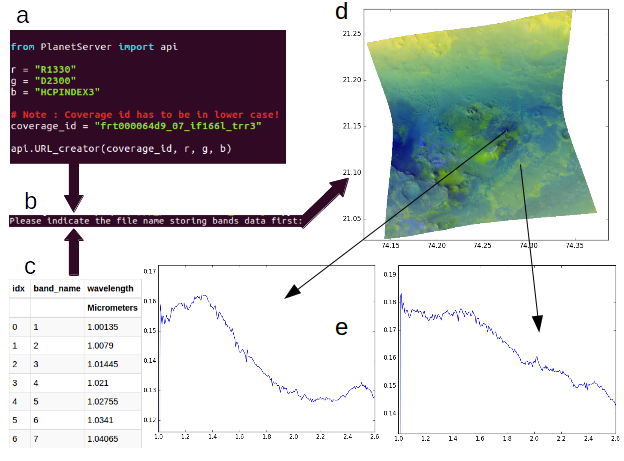 Figure 1
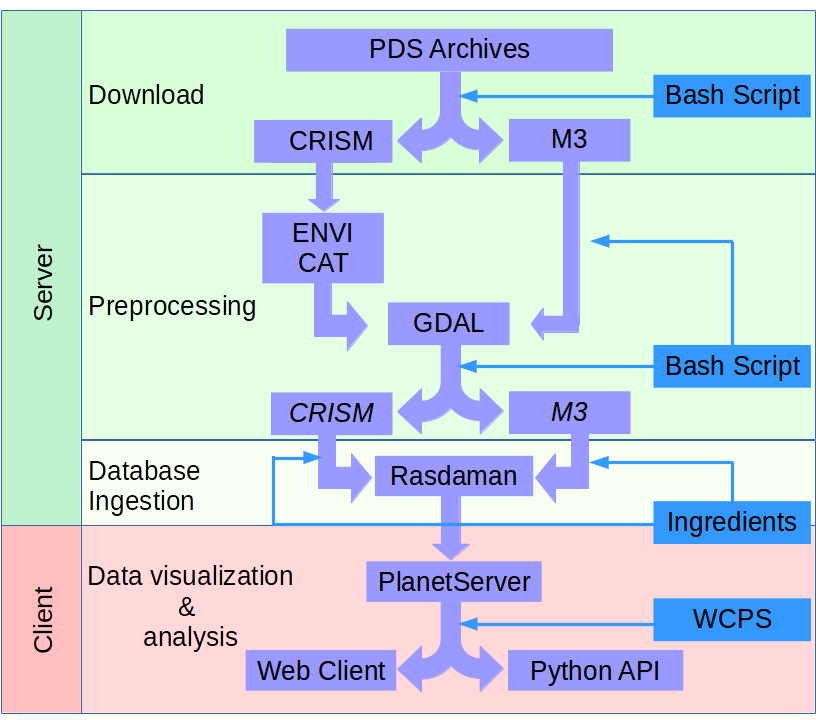 Figure 2
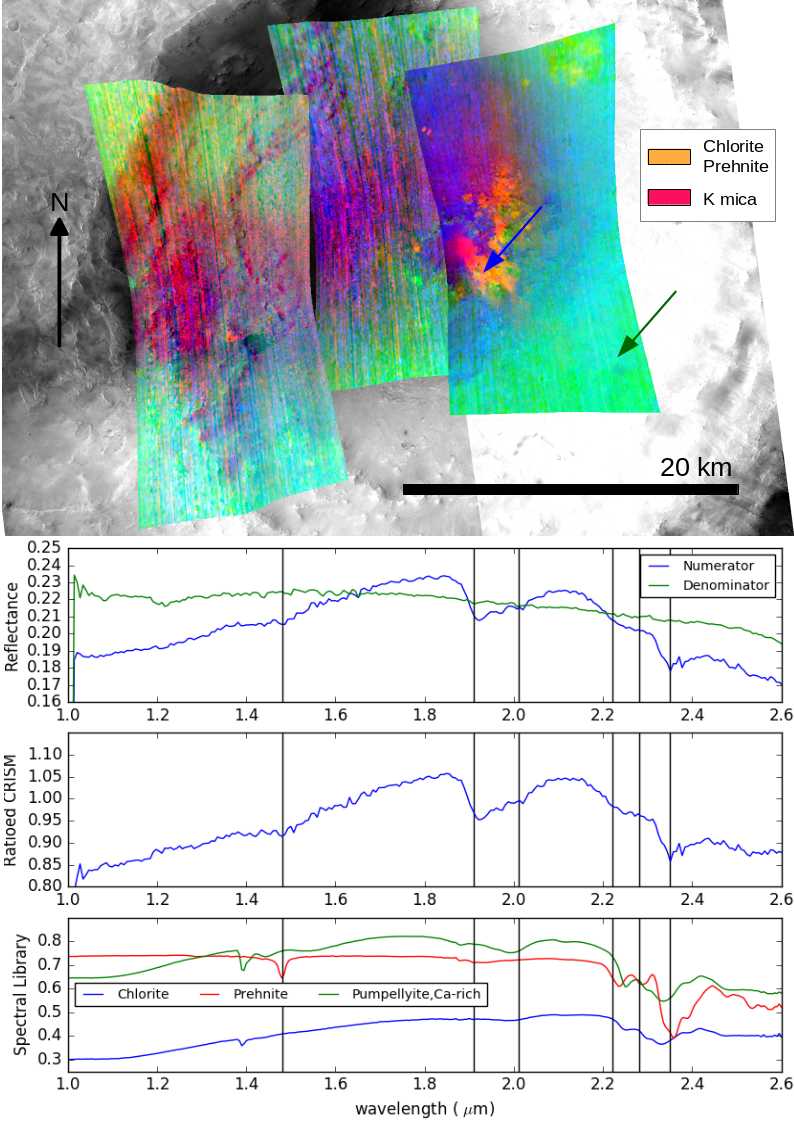 Figure 3
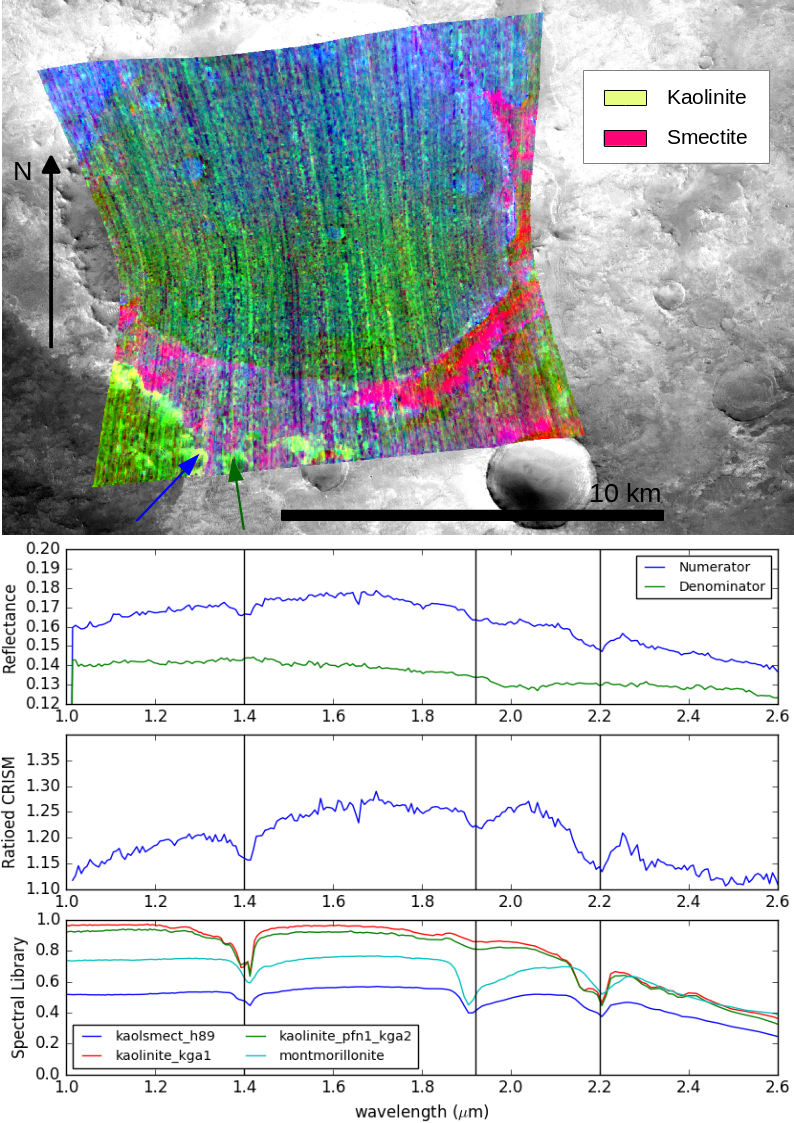 Figure 4
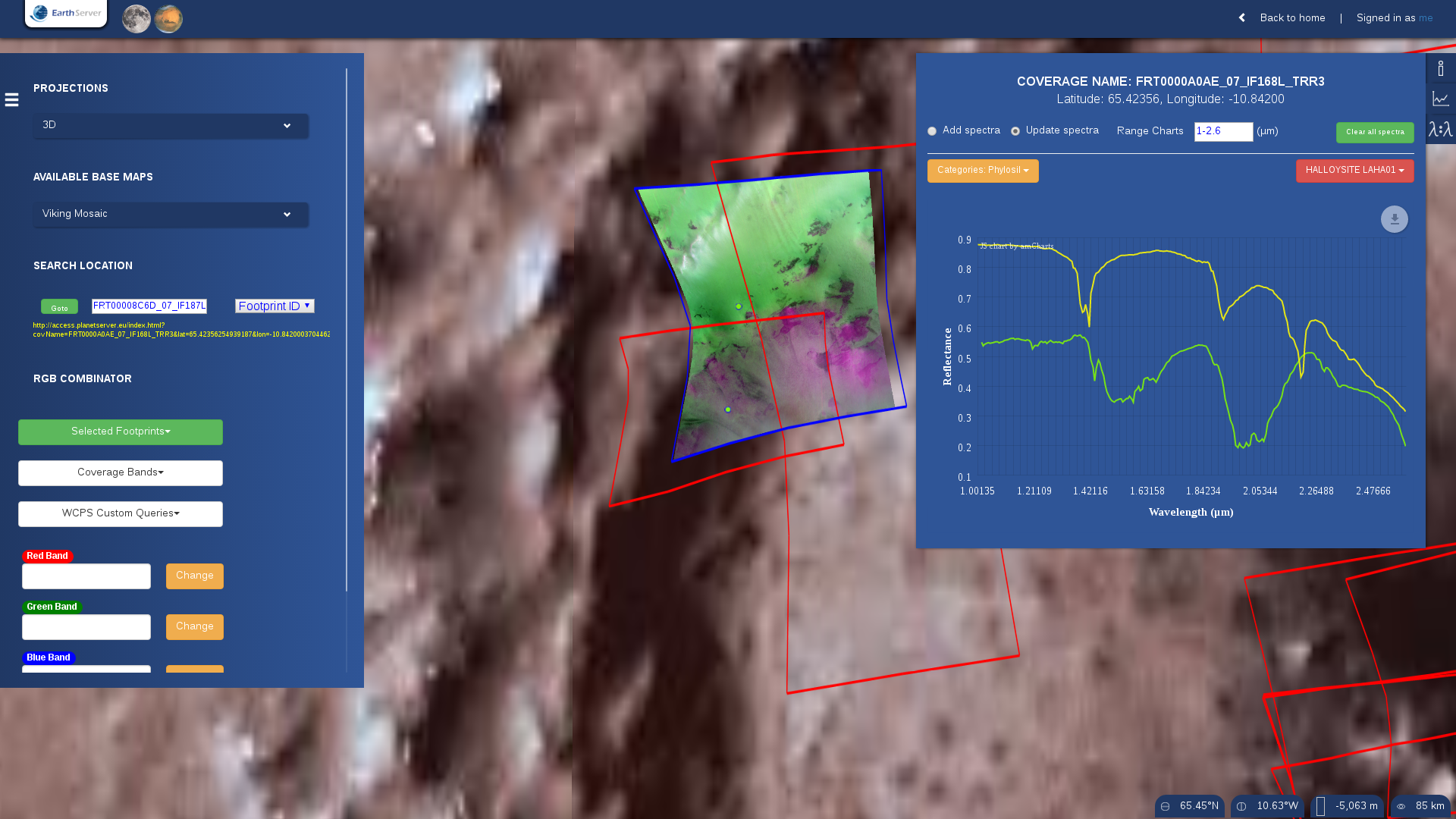 Figure 5
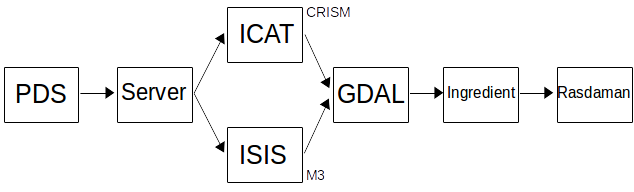 Figure 6
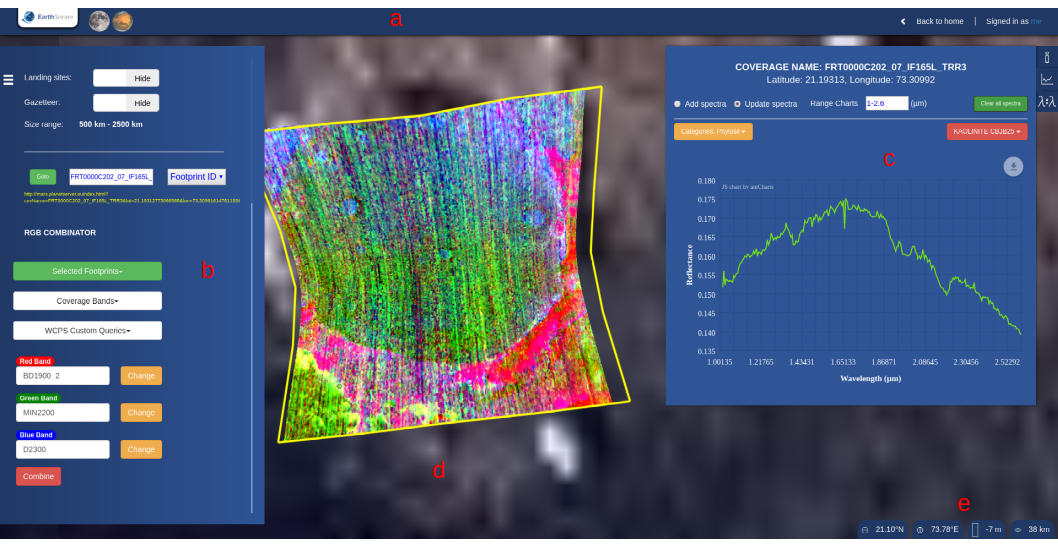 Figure 7
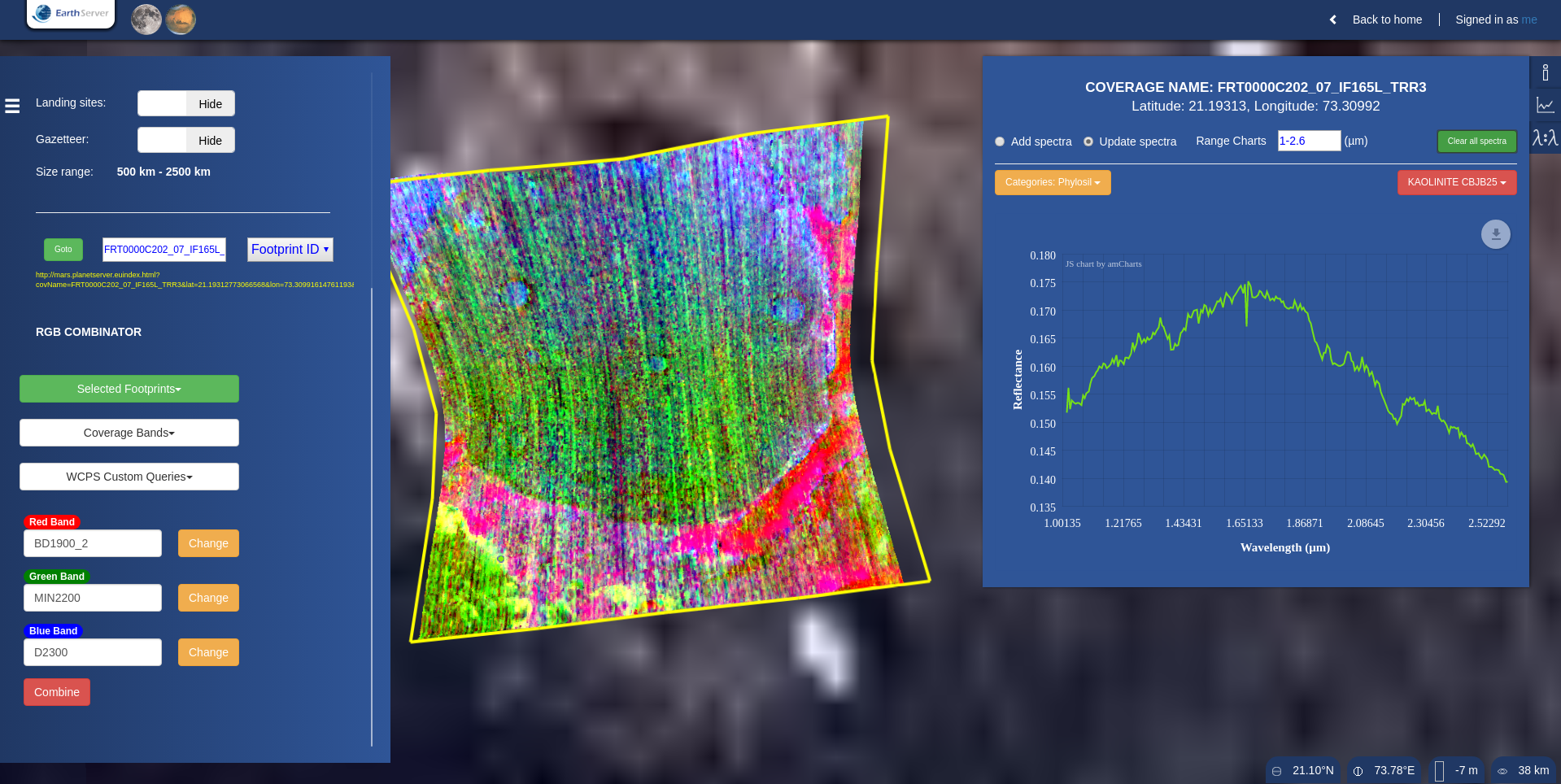 Figure 8
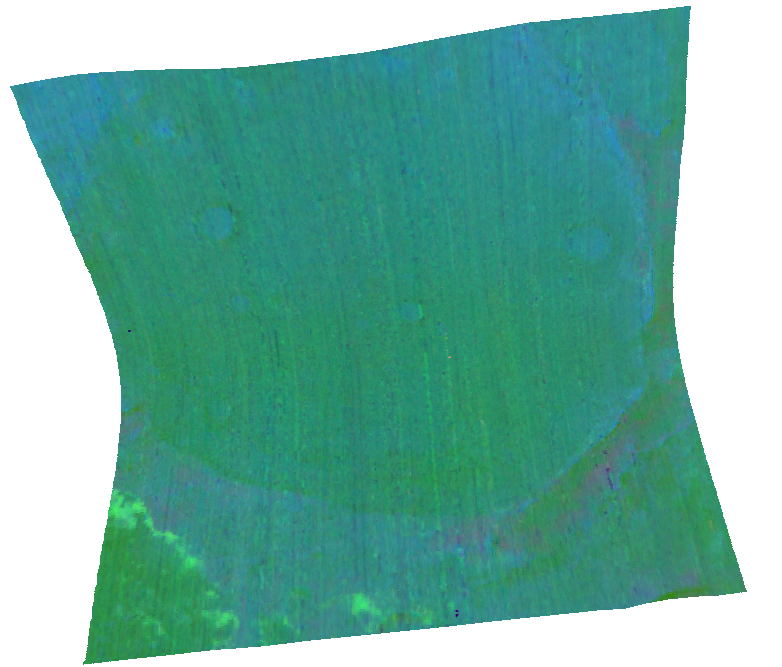 Figure 9
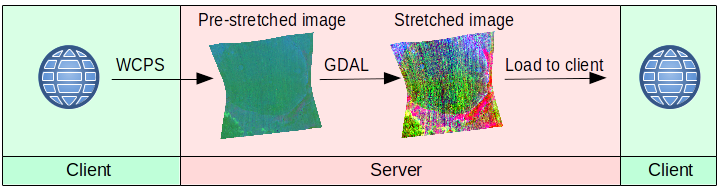 Figure 10
Peer Reviews
No public reviews on file for this paper yet. If you reviewed it on a platform where reviews are public (OpenReview, ICLR, NeurIPS, ICML), you can paste yours below so the community can read it here.
Videos
No videos yet. Explain this paper in a talk, walkthrough, or lecture? Add one.