Integrating Gene Synthesis and Microfluidic Protein Analysis for Rapid Protein Engineering
Matthew C. Blackburn, Ekaterina Petrova, Bruno E. Correia, Sebastian J. Maerkl

TL;DR
This paper introduces a fast method to design and test proteins, enabling rapid engineering of zinc-finger transcription factors for DNA binding.
Contribution
APE-MITOMI integrates gene synthesis and microfluidic analysis, bypassing traditional cloning and cell-based steps for rapid protein characterization.
Findings
Over 440 zinc-finger transcription factors were synthesized and characterized in 3-4 days.
Engineering precise DNA binding energy landscapes for ZF TFs remains challenging despite sequence-specific design.
ZF-DNA affinity can be engineered independently of sequence specificity and explained by in silico modeling.
Abstract
The capability to rapidly design proteins with novel functions will have a significant impact on medicine, biotechnology, and synthetic biology. Synthetic genes are becoming a commodity, but integrated approaches have yet to be developed that take full advantage of gene synthesis. We developed a solid-phase gene synthesis method based on asymmetric primer extension (APE) and coupled this process directly to high-throughput, on-chip protein expression, purification, and characterization (mechanically induced trapping of molecular interactions, MITOMI). By completely circumventing molecular cloning and cell-based steps, APE-MITOMI reduces the time between protein design and quantitative characterization to 3-4 days. With APE-MITOMI we synthesized and characterized over 440 zinc-finger (ZF) transcription factors (TF), showing that although ZF TFs can be readily engineered to recognize a…
Click any figure to enlarge with its caption.
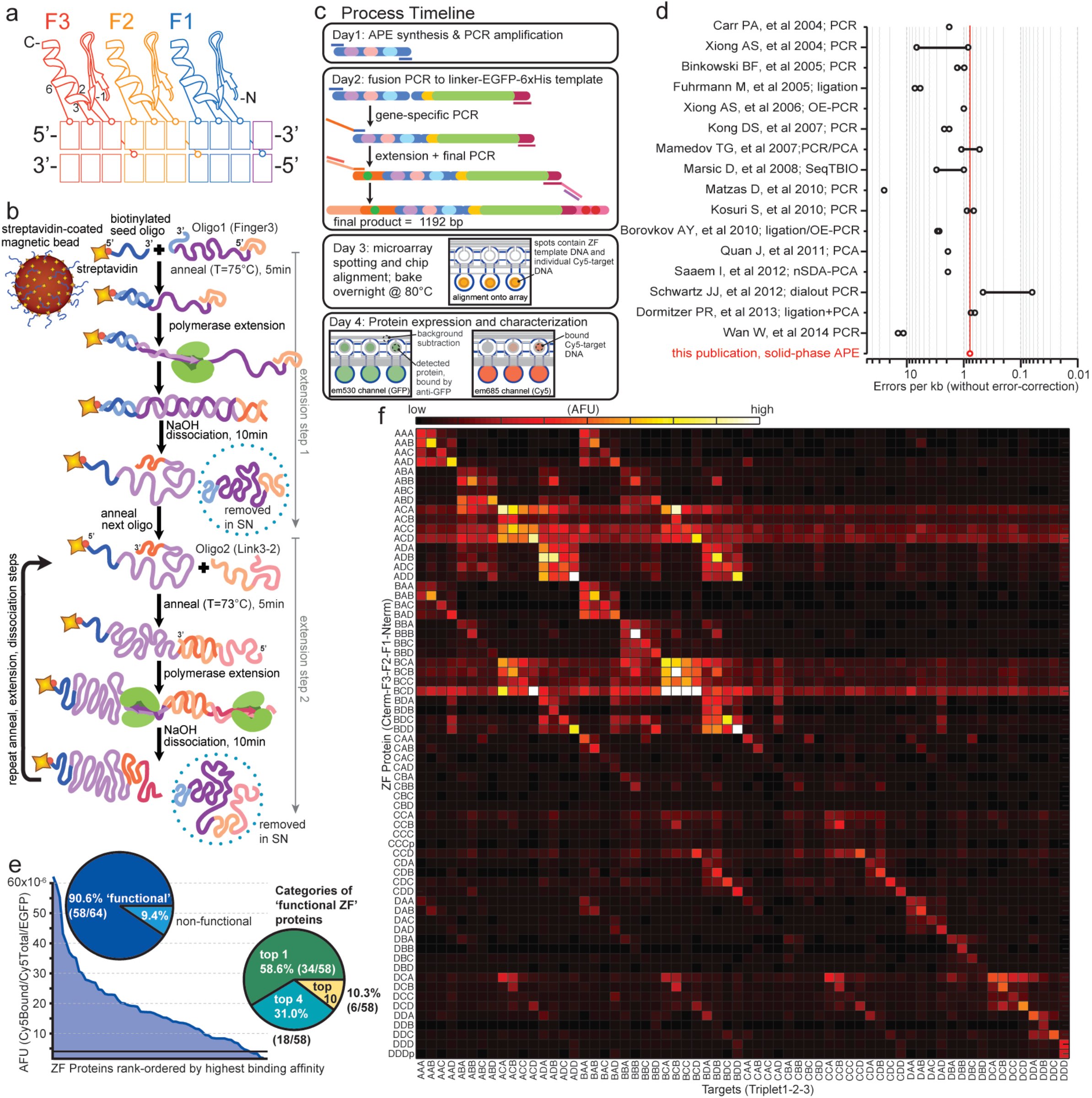 Figure 1
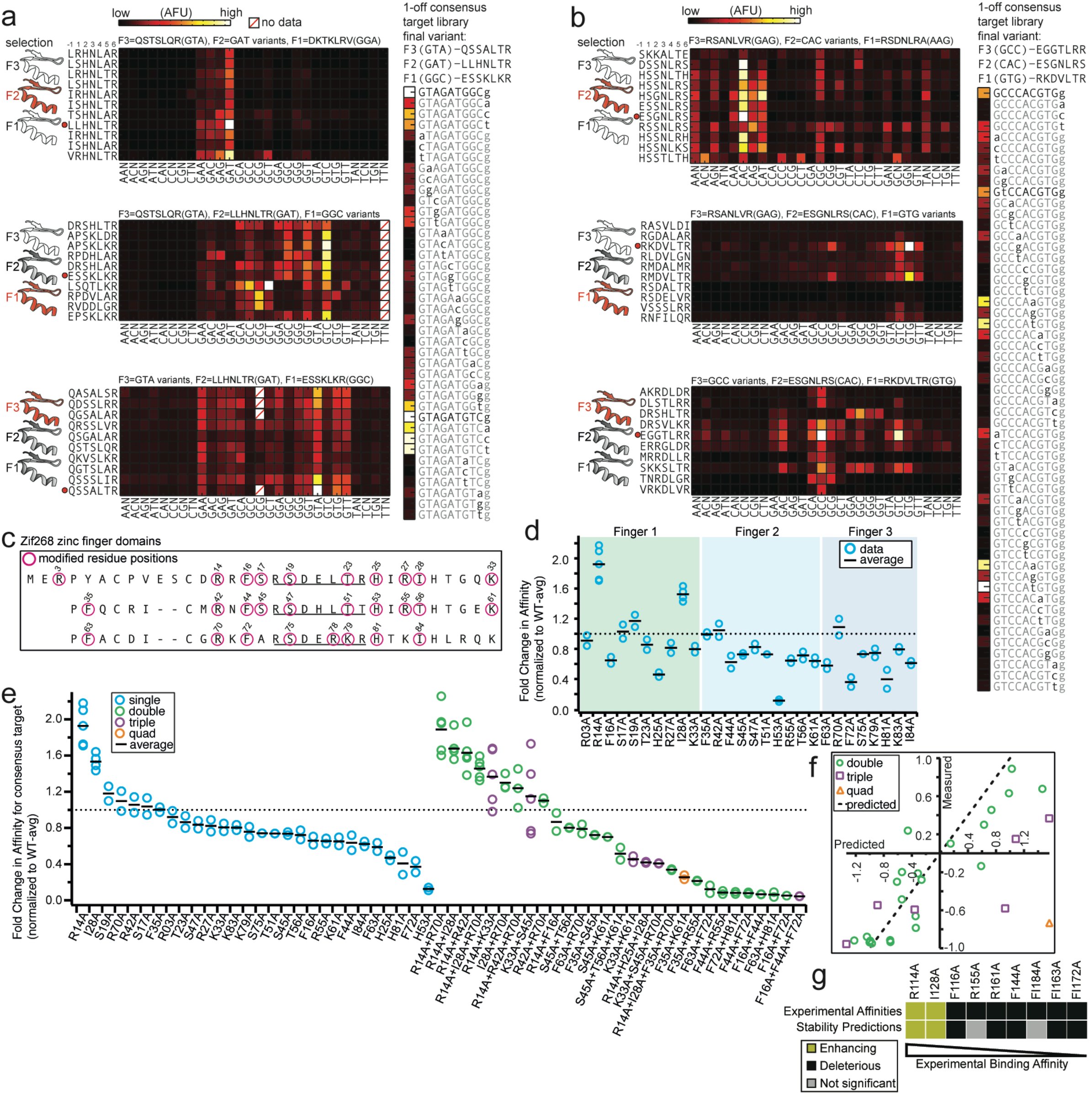 Figure 2
Peer Reviews
No public reviews on file for this paper yet. If you reviewed it on a platform where reviews are public (OpenReview, ICLR, NeurIPS, ICML), you can paste yours below so the community can read it here.
Videos
No videos yet. Explain this paper in a talk, walkthrough, or lecture? Add one.
Taxonomy
TopicsViral Infectious Diseases and Gene Expression in Insects · Monoclonal and Polyclonal Antibodies Research · Transgenic Plants and Applications
Engineering proteins with novel functions remains a challenging task. Experimental methods that rely on generating large numbers of random protein variants followed by screening are currently the most successful approaches to protein engineering ^1^. Rational design of protein function, on the other hand, remains a major unsolved problem in biochemistry. Nonetheless, computational approaches are becoming adept at informing protein design and predicting function^2,3^, and techniques that permit the rapid generation and quantitative characterization of designed protein variants would greatly aid protein engineering and further improve the accuracy of computational approaches. Numerous gene synthesis methods have been developed^4,5^ and synthetic genes are becoming a commodity, but little to no attention has been given to streamlining the downstream processing steps required to quantitatively characterize the large number of proteins that can potentially be generated using gene synthesis based approaches.
Here we present a pipeline for the rapid synthesis and characterization of rationally designed synthetic proteins. We developed a bench-top solid-phase gene synthesis method based on APE, and demonstrate that expression ready linear templates generated by APE can be used directly for on-chip high-throughput protein expression, purification, and quantitative characterization by MITOMI^6,7^. APE synthesizes genes with fidelity comparable to the best currently available methods and can synthesize genes with internal sequence redundancies. APE-MITOMI completely circumvents any requirement for molecular cloning and cell-based protein expression, and can synthesize and characterize hundreds of novel protein variants per week. As a proof-of-concept we applied APE-MITOMI to the engineering and characterization of Cys_2_His_2_ ZF TFs. We found that ZF TF affinity can be precisely tuned independently of specificity and although it is possible to engineer specificity, the precise binding energy landscape is more difficult to rationally engineer.
Individual ZF domains provide a convenient structure for refactoring due to their relatively small size and composability^8,9^ (Fig. 1a). ZFs fused to nucleases (ZFN) are one of the main tools currently used for clinical genome editing^10,11^. The versatility of ZFs can be further expanded by fusing them to other effector domains allowing them to perform a variety of site-specific genetic modifications beyond DNA cleavage^12,13^. Synthetic ZFs have also been used to construct artificial transcriptional regulatory circuits in yeast^14,15^. ZF TFs are thus ideal targets for exploring the biophysics of transcription factor DNA specificity, and the ability to engineer ZF TFs makes them useful tools in biotechnology and synthetic biology. But even with the most recent datasets and models^16-24^, engineering novel ZF TFs with precise sequence specificities remains a challenging problem. The Zinc Finger Consortium’s online database of ZFs^25^ is in principle a useful resource of recognition helices (RHs) that supposedly bind a particular DNA triplet, but characterization assays vary and are relatively incomparable in terms of measuring DNA target specificity and affinity, leading to incongruities in ZF studies^26,27^.
Gene synthesis by APE (Fig. 1b) is a restriction enzyme-and ligase-free method that operates without the need for transformation, sequencing, and PCR/oligomer purification steps. By coupling APE with cell-free protein expression and MITOMI we reduce the time between protein design and characterization to 3-4 days per iteration cycle (Fig. 1c). For ZF TF engineering, this pipeline consists of 4 stages: (i) solid-phase gene assembly from oligonucleotides, (ii) fusion and overhang extension PCR to generate expression ready linear templates, (iii) microfluidic device programming, and (iv) cell-free protein expression, purification, and DNA-binding characterization (Fig. 1c).
APE is a solid phase synthesis approach based on asymmetric primer extension (Fig. 1b). We succeeded in performing up to 9 consecutive rounds of extension (Supplementary Fig. 1), whereas previous methods achieved up to 4 consecutive extension steps^28^. Gene assembly on magnetic beads allows pooling of identical reactions before fractioning to incorporate unique oligomers in subsequent extension cycles, and sequential addition of each oligomer reduces the risk of forming chimeric products that result from one-pot assembly reactions. In this study we implemented APE assembly using manual bench-top methods but the method is compatible with high-throughput liquid-handling robotic platforms. Our APE gene synthesis exhibited a low error rate of 0.78 errors/kb, which is as good or better than other current gene synthesis approaches based on ligation or PCR assembly (Fig. 1d; Supplementary Tables). For designed ZF TFs, five DNA oligonucleotides are required to assemble the ZF ‘core’ (239 bp), with lengths between 60 and 77nt, and overlaps of 25-28 bp (see Online Methods, and Supplementary Fig. 2) consisting of 3 unique oligomers coding for the three recognition helices, and 2 universal “linking” oligomers.
We first synthesized 64 different ZF TFs and quantified binding of each against a library of the corresponding 64 predicted consensus DNA targets (Fig. 1e,f). APE-MITOMI successfully expressed all 64 ZFs and 90.6% (58/64) of these bound DNA (Fig. 1e). Of those ZFs that bound DNA, 89.7% (52/58) bound the expected consensus target within the top 4 highest-affinity targets and 58.6% (34/58) bound the expected target with highest affinity. To verify that failure to bind and that sequence specificity was unaffected by our approach we cloned and sequence verified the CCC and DDD ZF TF variants generating the plasmid based versions CCCp and DDDp. Both plasmid-based ZF TFs gave identical results when compared to APE generated variants. The heat map in Figure 1f shows the quantitative binding specificity of each of the 64+2 ZF variants. This approach can be used to rapidly identify orthogonal ZF TFs for use in the design and implementation of synthetic genetic networks^14^ and to eliminate ZFs with sub-optimal binding characteristics such as low affinity or extensive non-specific binding. For example, we observed that ZFs containing a ‘C’ finger in position F2 exhibited high levels of non-specific binding, especially when combined with finger variants A and B in position F3.
We next applied APE-MITOMI to engineering ZF specificity. We decided to engineer a ZF with a consensus sequence of ‘GTA GAT GGC’, taking advantage of the relatively well-populated selection of GNN-binding RHs in the Zinc Finger Consortium database (Fig. 2a). We first modified F2 of Zif268 by replacing it with 16 RHs (Fig. 2a and Supplementary Fig. 3) listed as ‘GAT’ binders. Characterizing these variants showed that there was considerable variability in the specificity and binding affinity of the 16 RHs tested. One RH, LLHNLTR, exhibited the highest affinity and specificity for ‘GAT’, and we thus selected this helix for the next step, which involved substituting RH variants into the F1 position to target ‘GGC’. Selecting a helix with good specificity from these RHs proved challenging since nearly all RHs preferred ‘GTC’ and exhibited considerable non-specific binding (Supplementary Fig. 4). A similar specificity profile was observed when we tested the highest affinity F1 RHs in a different background, which reduced the non-specific background (Supplementary Fig. 5). We selected ESSKLKR as the best ‘GGC’ binder in position F1 considering its level of specificity for ‘GGC’ relative to ‘GTC’. We then substituted F3 with RHs reported to bind ‘GTA’. The RH that displayed the highest ‘GTA’ binding affinity and specificity, QSSALTR, was generated by selecting the highest frequency residue in each position derived from all ‘GTA’ RH variants listed in the database (Supplementary Fig. 6). In order to characterize the actual specificity of our synthetic ZF TF (F1 ESSKLKR, F2 LLHNLTR, F3 QSSALTR), a 1-off target library was prepared for the consensus sequences: ‘GTA GAT GGC’ and ‘GTA GAT GTC’. Given the relatively poor performance observed during the F1 selection step, the engineered ZF TF exhibited a surprisingly high affinity and specificity for the intended target consensus sequence (‘GTAGATGGC’). In an attempt to improve the specificity for the intended target, we performed an additional screen for designed RH variants which were anticipated to bind ‘GGC’ using online DNA binding site predictors^20-23^ (Supplementary Fig. 7), but nearly all these variants displayed a higher affinity for GTC and thus failed to further improve the specificity of the engineered ZF TF (Supplementary Fig. 8).
We repeated the same sequential selection process to engineer a ZF TF recognizing the sequence ‘GCC CAC GTG’, which is a more challenging target sequence given the ‘CAC’ in the F2 position (Fig. 2b and Supplementary Fig. 9-11). A number of RHs in positions F2 and F1 were found that bound ‘CAC’ and ‘GTG’, respectively. Finding a high affinity, yet specific RH in position F3 for GCC was more challenging and we had to settle for a RH that bound both ‘GCC’ and ‘GTC’ (Supplementary Fig. 12). Although each individual RH appeared to bind the intended target sequence fairly specifically, when testing the assembled ZF TF using a one-off library the consensus target was ‘GTC CAT GTG’, but ‘GCC CAC GTG’ could also be bound albeit with a lower affinity. Other RHs from the initial ‘GCC’ screen, which displayed lower affinity but higher specificity for ‘GCC’ were also tested against a one-off library (Supplementary Fig. 13), but all of these exhibited higher affinity for other targets than ‘GCC CAC GTG’. These results indicate that engineering ZF TFs to bind a particular sequence is relatively easy to achieve using a stepwise selection process, but engineering the precise specificity landscape of a ZF TF is more challenging. The individual specificity profiles of RHs can vary considerably, and in some instances do not reflect their annotated sequence specificity given in the ZF Consortium Database or online binding site predictors. One significant advantage of APE-MITOMI based assembly and characterization is the fact that the method returns information on the precise specificity landscape and affinity of the synthesized transcription factors during all stages of assembly. APE-MITOMI allows the generation of TFs with similar consensus sequences but different specificity and/or affinity profiles and enables the examination of these characteristics for the function of native and synthetic transcriptional regulatory networks.
Focus in ZF engineering has been on rationally designing ZF specificity, but it is unclear to what extent affinity can be tuned and whether affinity can be tuned independently of sequence specificity. The ability to tune ZF affinity is of interest in creating synthetic transcriptional regulatory networks^14^ and it would drastically simplify the task of engineering ZF TFs if affinity could be tuned independently of specificity. Based on the Zif268 crystal structure we selected 28 residues that could be involved in determining the protein’s affinity to DNA, and changed these residues to alanine (Fig. 2c). As expected, most modifications resulted in modest decreases in affinity as compared to wildtype (WT) Zif268 (up to 2-fold). To our surprise, a few modifications led to increased affinity (R14A, I28A, R70A) (Fig. 2d). Given that the single substitutions resulted in modest affinity decreases, we tested 22 double substitutions, 6 triple substitutions and 1 quadruple substitution (Fig. 2e). These novel mutants allowed us to extend the dynamic range to 1/5 of WT and allowed us to smoothly tune affinity over the entire accessible range between 2x increased and 5x reduced affinity. We could show that most of the affinity mutants retain their specificity landscape, indicating that affinity can be tuned independently of specificity (Supplementary Fig. 14). We also tested whether a simple additive model could predict double, triple and quadruple substitutions (Fig. 2f). Overall, the simple additive model captures the trend for double substitutions but performs poorly for triple and quadruple substitutions.
Next, we sought to understand whether the observed differences in affinity could be predicted by energy calculations performed in silico based on the available structural information for Zif268. To do so, we modeled single alanine mutants with the Rosetta protein modeling software^29^. First, we analyzed the effect of the alanine mutants on the Zif268-DNA binding energy and perhaps not surprisingly, given the low number of atomic interactions established across the interface for the large majority of these residues, we did not find any large differences in the binding energies of the point mutants in comparison with the WT Zif268. Bolstered by the differences in affinity observed in mutants of zinc-coordinating residues (H25A, H53A and H81A), which recognizably play a critical role for structural integrity of the zinc finger fold^30^, we asked if other mutations could also cause considerable losses in protein stability and consequent losses in DNA binding affinity. To address this question we performed in silico δδG calculations using Rosetta. Being aware of the limitations of current modeling techniques in accurately describing subtle structural and functional effects, we focused on mutants that exhibited pronounced differences in binding (reductions < 0.7 and improvements > 1.3 – 9 in total). In this subset of mutants (7 deleterious and 2 enhancing; Fig. 2g) we were able to correctly predict the variations in binding affinity with our stability predictions for 6 of the 9 mutant proteins, strongly suggesting that the observed binding affinity differences are linked to protein stability.
We coupled a gene synthesis strategy directly with high-throughput on-chip protein expression, purification, and quantitative characterization, showing that it is possible to completely circumvent molecular cloning and cell-based processing steps generally needed in protein biochemical analysis. Integration of these methods reduced the time required between protein design and protein characterization to 3-4 days. In this study we synthesized over 440 ZF TF variants, and characterized the binding specificity of each for a total of over 98,000 measurements. By comparison, the human genome encodes ∼675 C_2_H_2_ ZF TFs^31^. We have previously shown that over 400 full-length drosophila transcription factors could be expressed on a single MITOMI device^32^ indicating that there is no major bottleneck to on-chip protein expression. Although we synthesized all 440+ genes in this study by hand, the APE gene synthesis method can be readily automated on standard liquid handling robots eliminating this last bottleneck in the process. It should thus be possible to characterize thousands of synthetic protein variants per week, which in turn will enable exploration of the protein sequence-function relationship in unprecedented detail, aid in the development of accurate computational predictions of protein function, and allow us to rapidly engineer novel proteins.
The reference list from the paper itself. Each links out to its DOI / PubMed record.
- 1Packer, M. S. & Liu, D. R. Methods for the directed evolution of proteins. Nat. Rev. Genet. 16, 379–394 (2015).
- 2Tinberg, C. E. et al. Computational design of ligand-binding proteins with high affinity and selectivity. Nature 501, 212–216 (2013).
- 3Correia, B. E. et al. Proof of principle for epitope-focused vaccine design. Nature 507, 201–206 (2014).
- 4Kosuri, S. & Church, G. M. Large-scale de novo DNA synthesis: technologies and applications. Nat Meth 11, 499–507 (2014).
- 5Quan, J. et al. Parallel on-chip gene synthesis and application to optimization of protein expression. Nature Biotechnology 29, 449–452 (2011).
- 6Garcia-Cordero, J. L. & Maerkl, S. J. Mechanically Induced Trapping of Molecular Interactions and Its Applications. J Lab Autom (2015). doi:10.1177/2211068215578586 · doi ↗
- 7Maerkl, S. J. & Quake, S. R. A Systems Approach to Measuring the Binding Energy Landscapes of Transcription Factors. Science (2007).
- 8Wolfe, S. A., Nekludova, L. & Pabo, C. O. DNA Recognition by Cys 2His 2Zinc Finger Proteins. Annu. Rev. Biophys. Biomol. Struct. 29, 183–212 (2000).