Bianchi Cosmologies with Anisotropic Matter: Locally Rotationally Symmetric Models
Simone Calogero, J. Mark Heinzle

TL;DR
This paper explores the dynamics of Bianchi cosmological models with anisotropic matter, revealing conditions for non-recollapsing solutions and oscillatory behavior near singularities, thus highlighting the significant impact of matter anisotropy.
Contribution
It provides a comprehensive analysis of Bianchi types I, II, and IX with anisotropic matter, extending understanding beyond perfect fluids and vacuum models.
Findings
Existence of non-recollapsing solutions in Bianchi type IX with anisotropic matter.
Vlasov matter models exhibit oscillatory behavior near singularities.
Anisotropic matter significantly alters cosmological dynamics compared to perfect fluids.
Abstract
The dynamics of cosmological models with isotropic matter sources (perfect fluids) is extensively studied in the literature; in comparison, the dynamics of cosmological models with anisotropic matter sources is not. In this paper we consider spatially homogeneous locally rotationally symmetric solutions of the Einstein equations with a large class of anisotropic matter models including collisionless matter (Vlasov), elastic matter, and magnetic fields. The dynamics of models of Bianchi types I, II, and IX are completely described; the two most striking results are the following: (i) There exist matter models, compatible with the standard energy conditions, such that solutions of Bianchi type IX (closed cosmologies) need not necessarily recollapse; there is an open set of forever expanding solutions. (ii) Generic type IX solutions associated with a matter model like Vlasov matter exhibit…
Click any figure to enlarge with its caption.
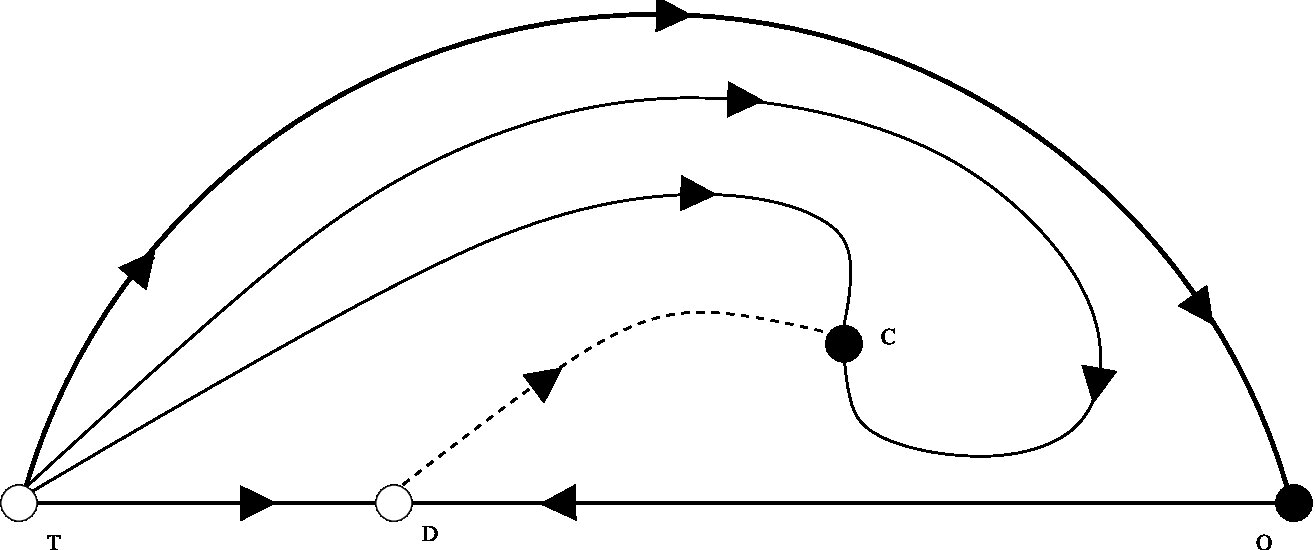 Figure 1
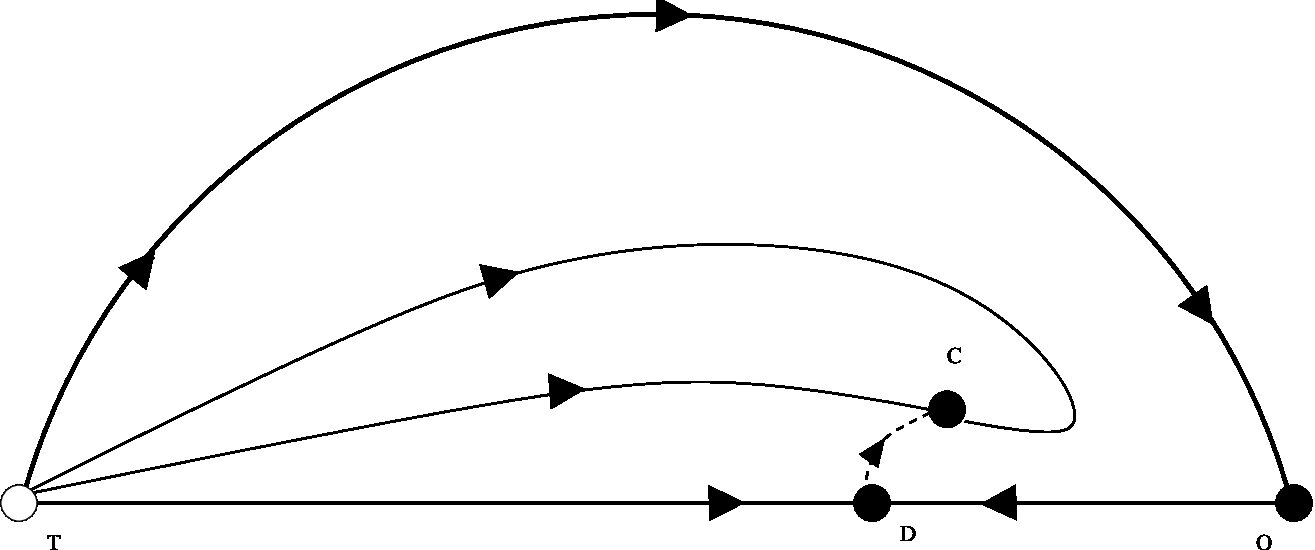 Figure 2
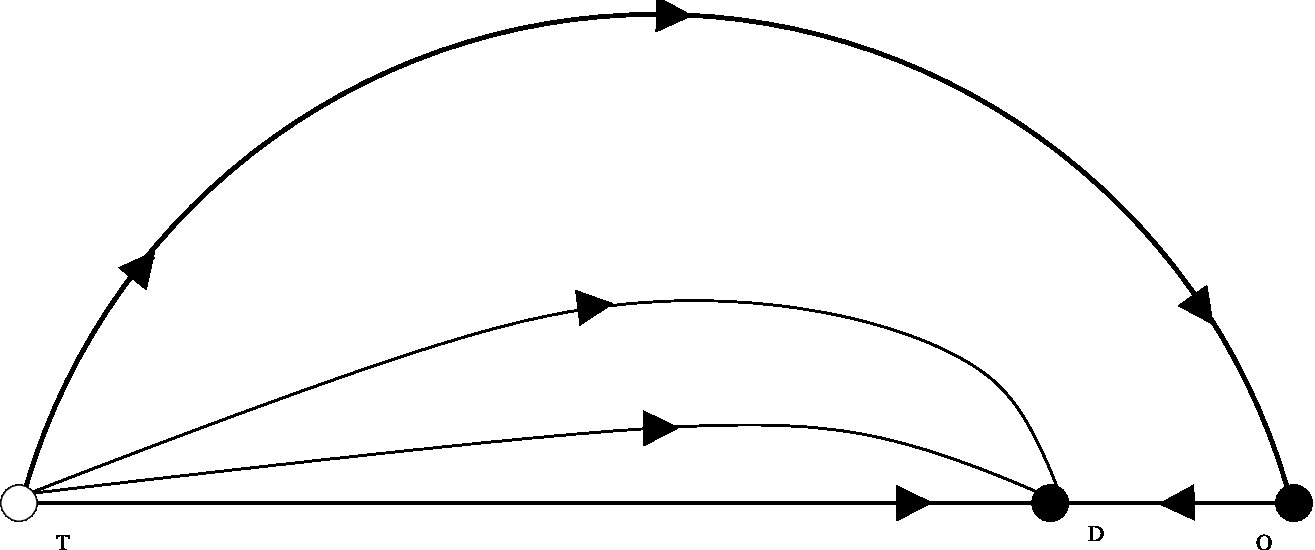 Figure 3
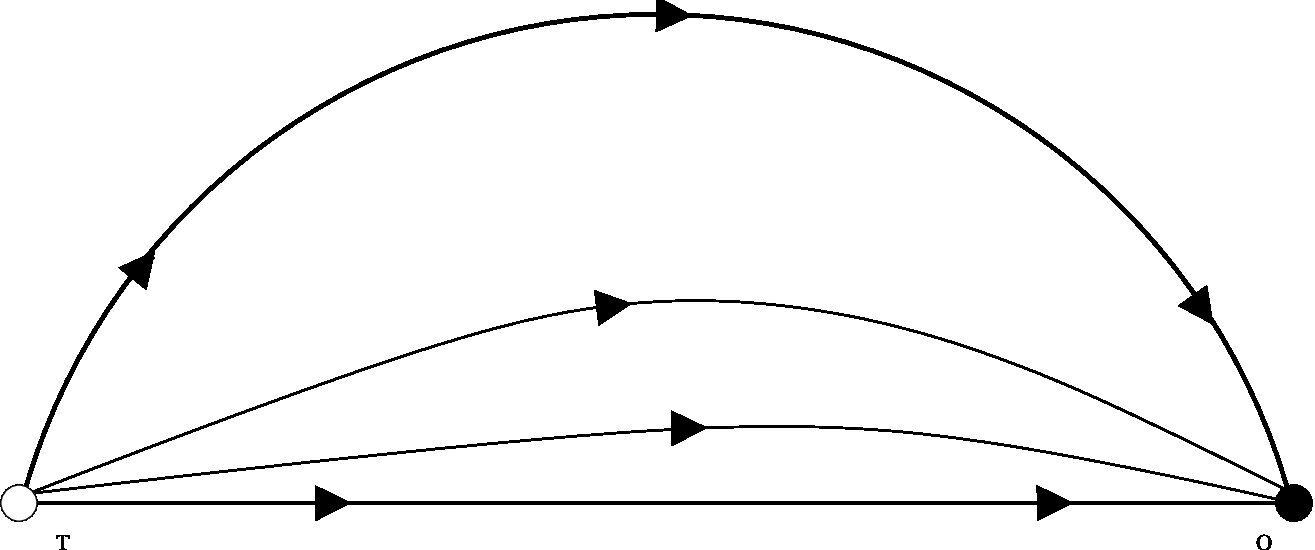 Figure 4
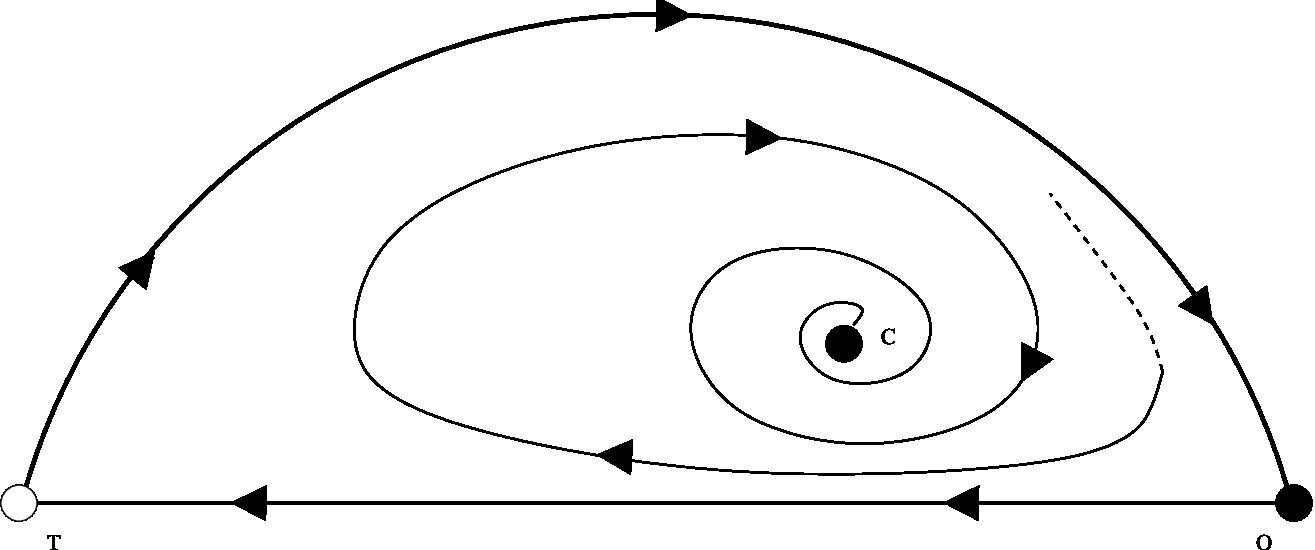 Figure 5
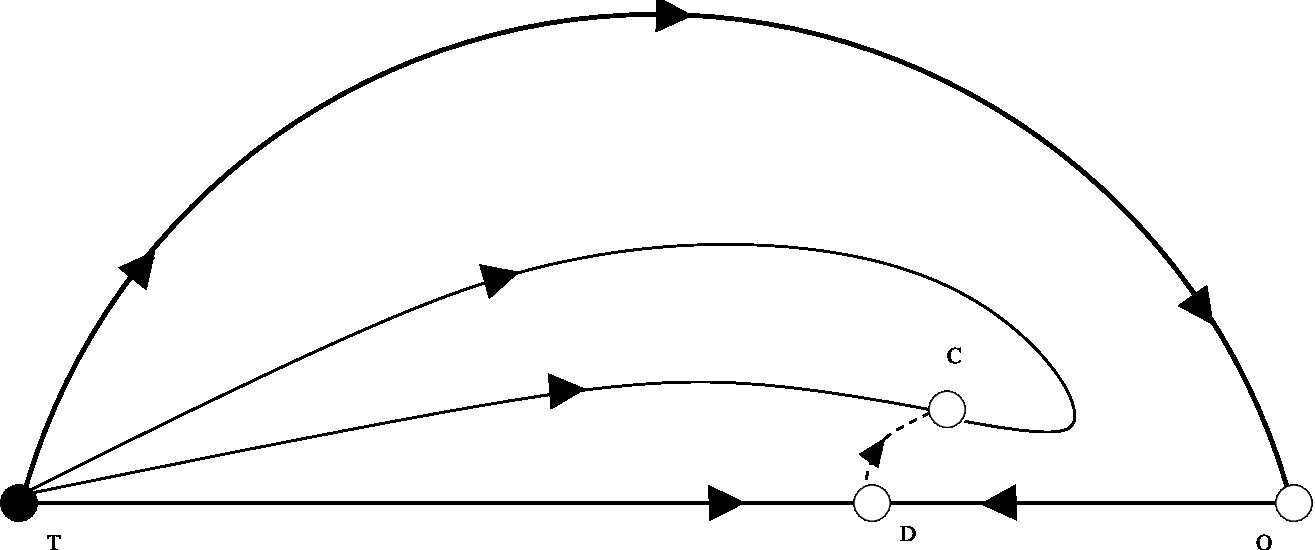 Figure 6
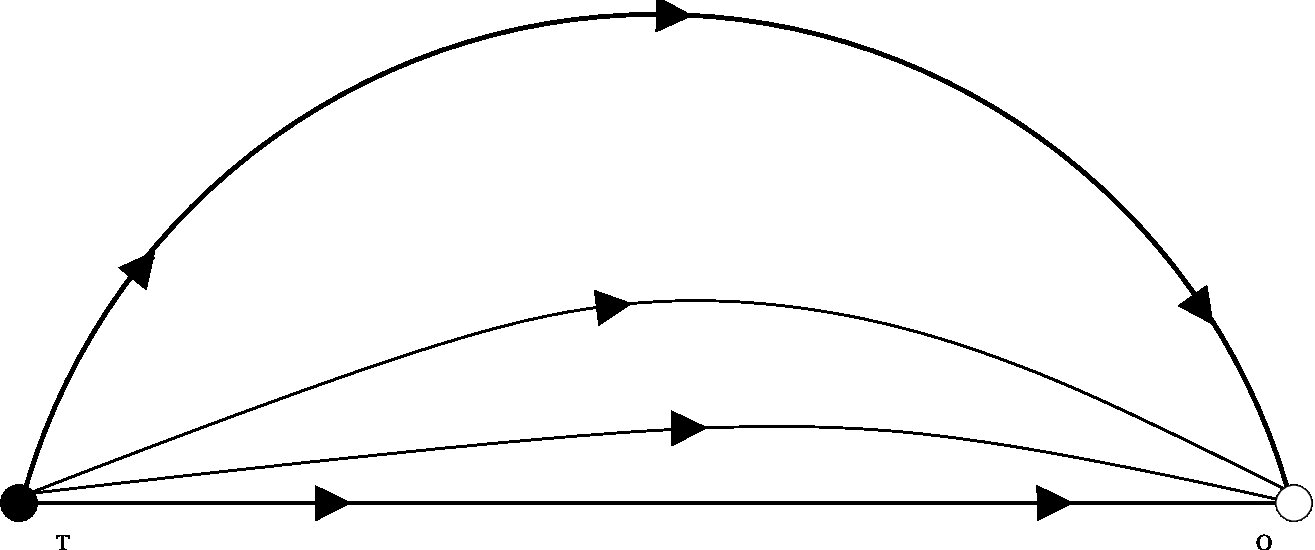 Figure 7
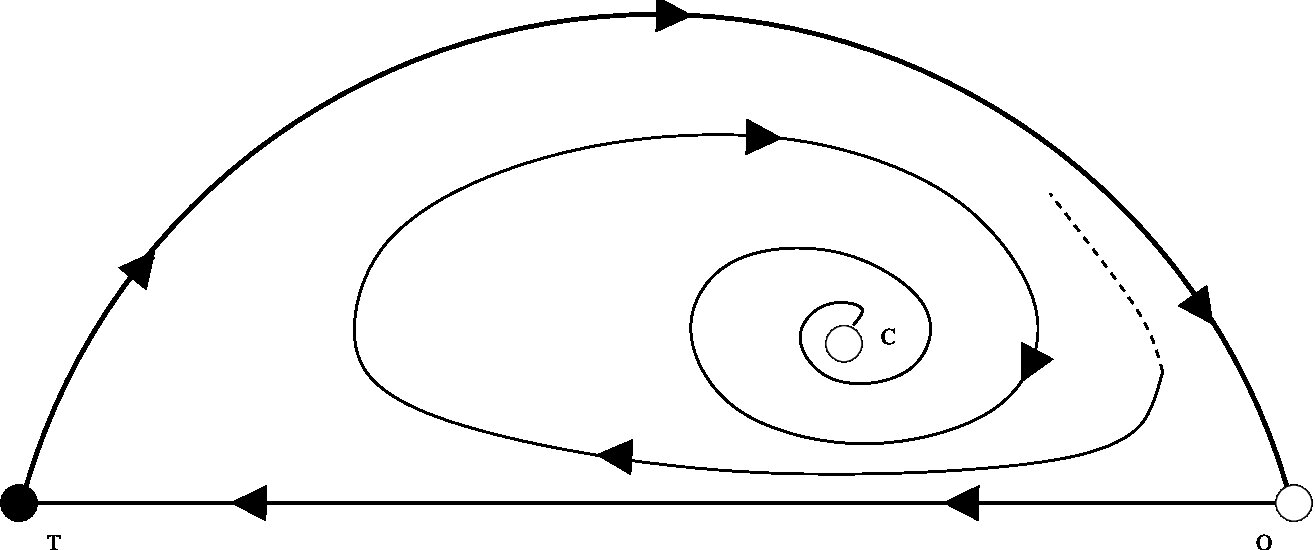 Figure 8
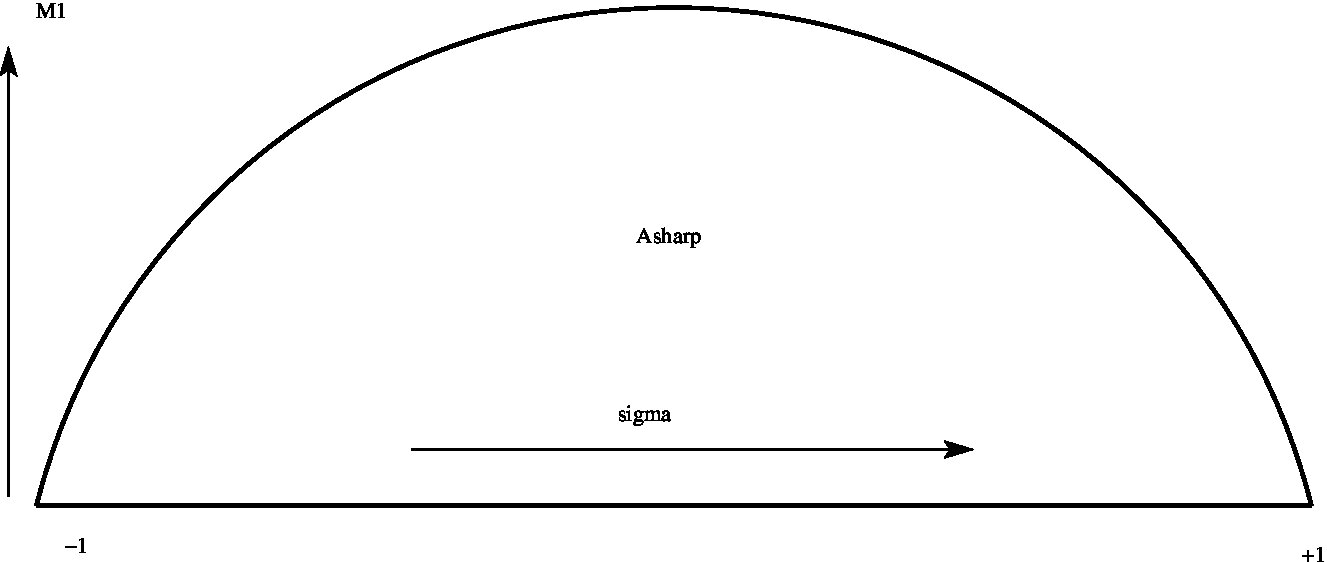 Figure 9
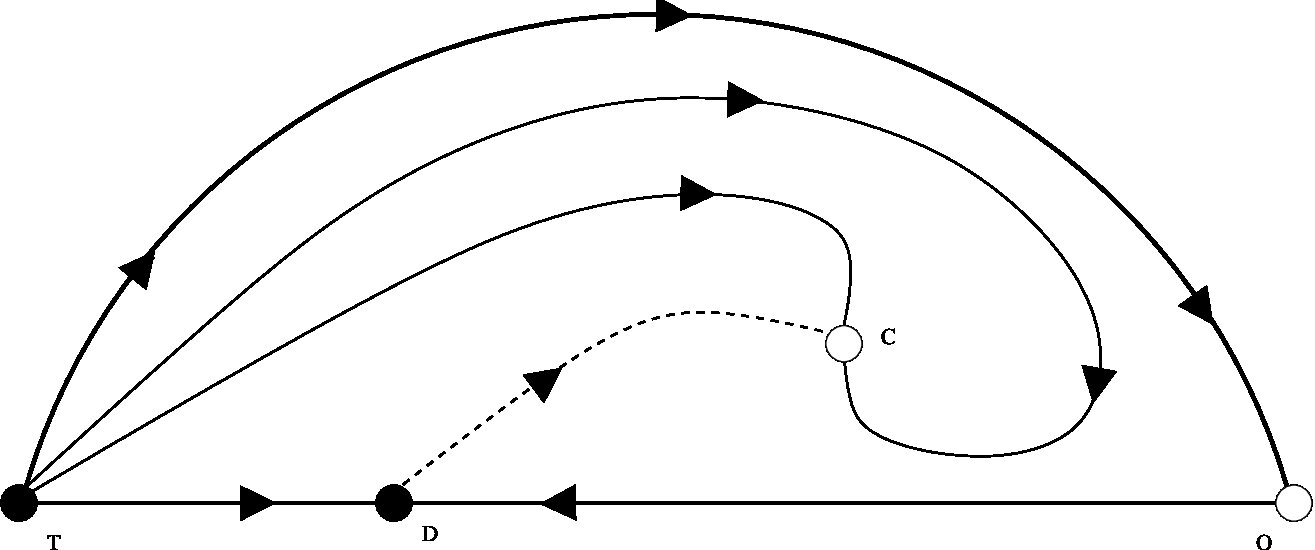 Figure 10
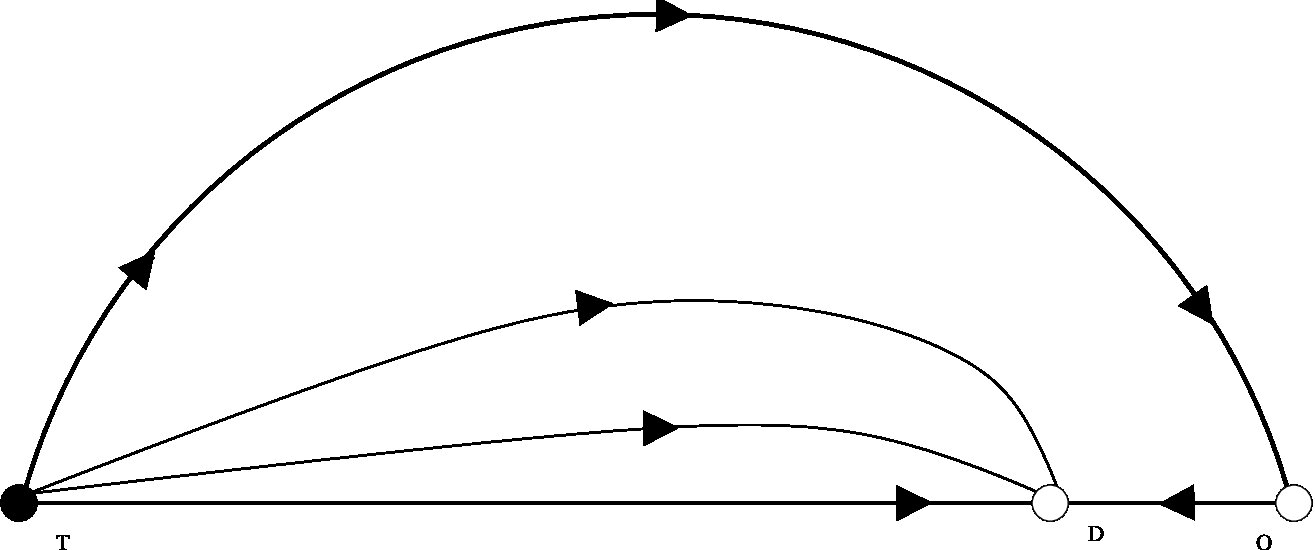 Figure 11
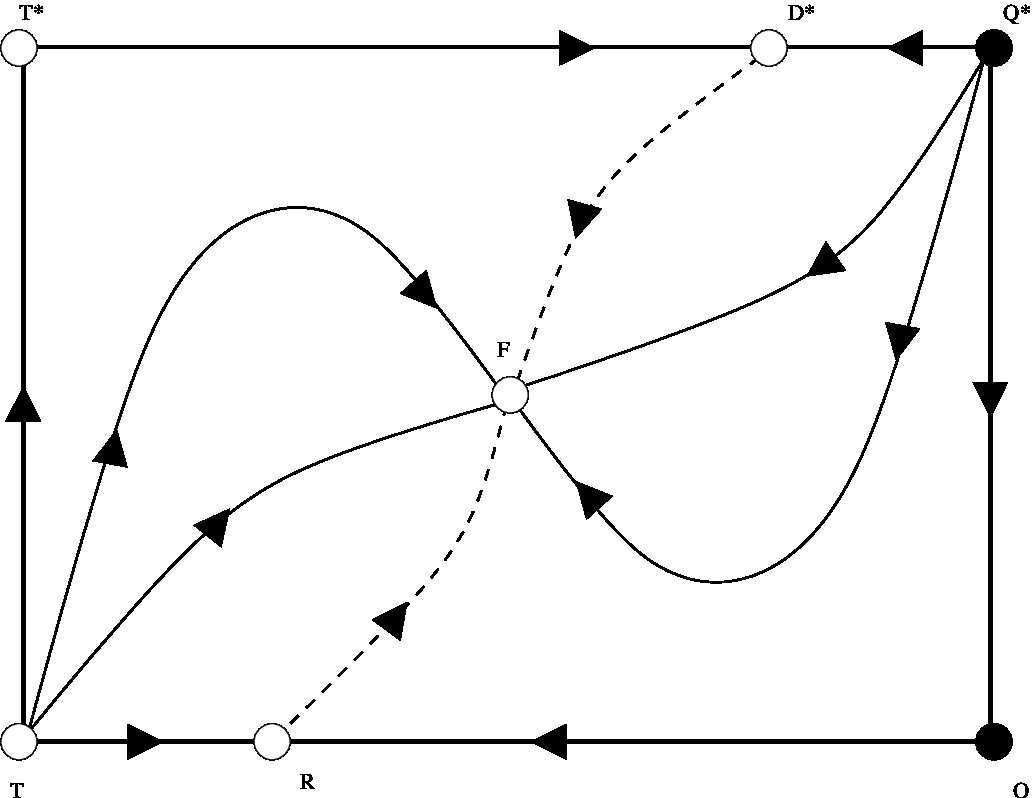 Figure 12
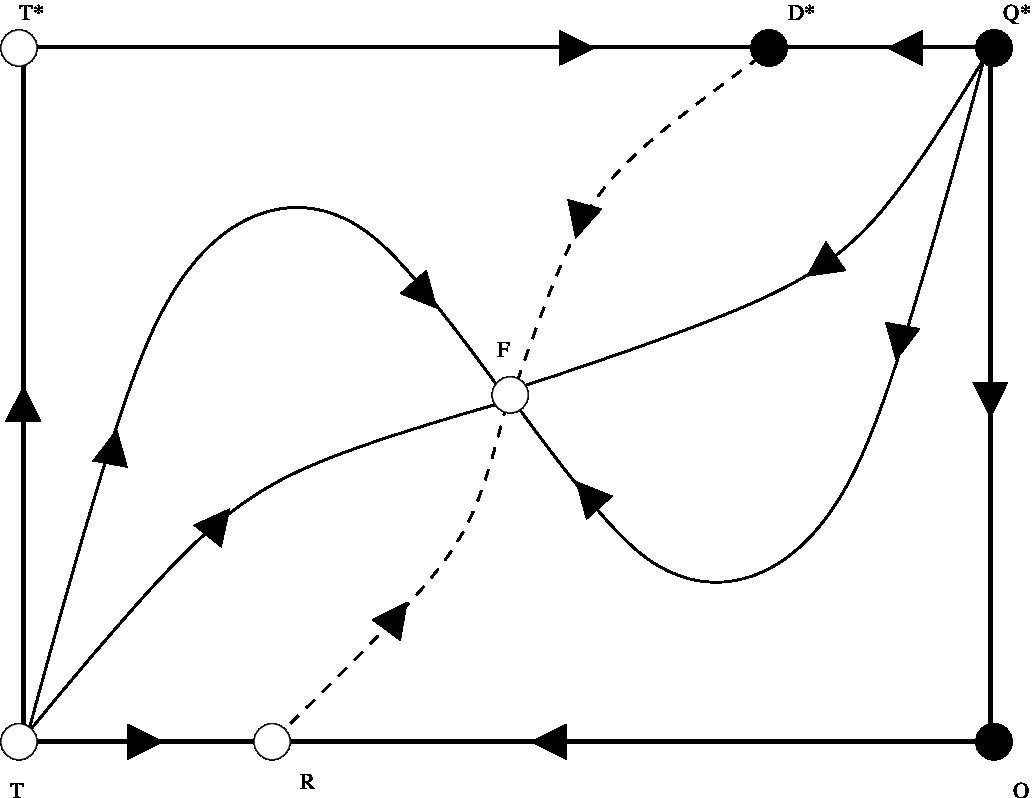 Figure 13
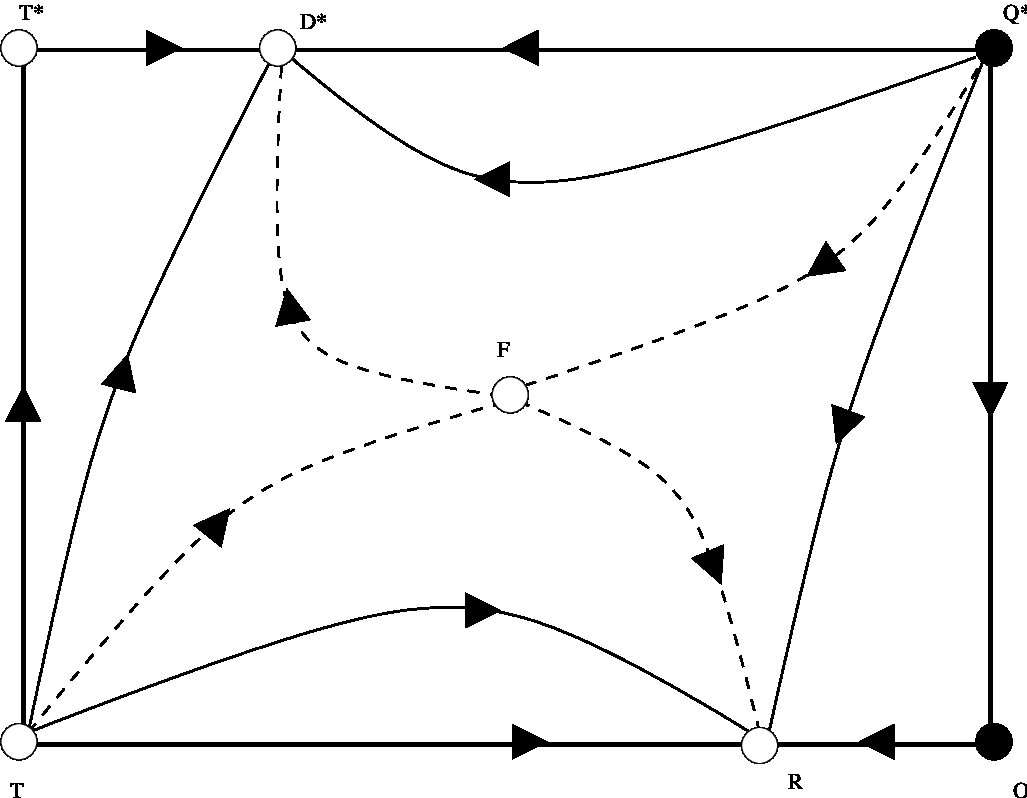 Figure 14
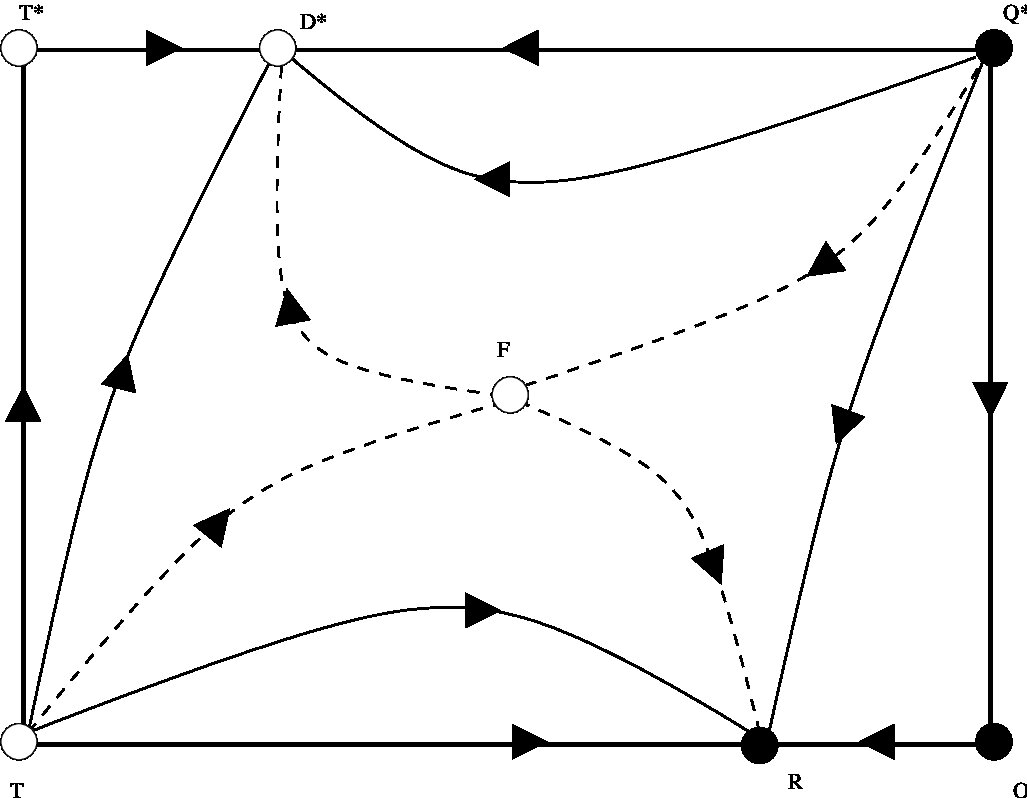 Figure 15
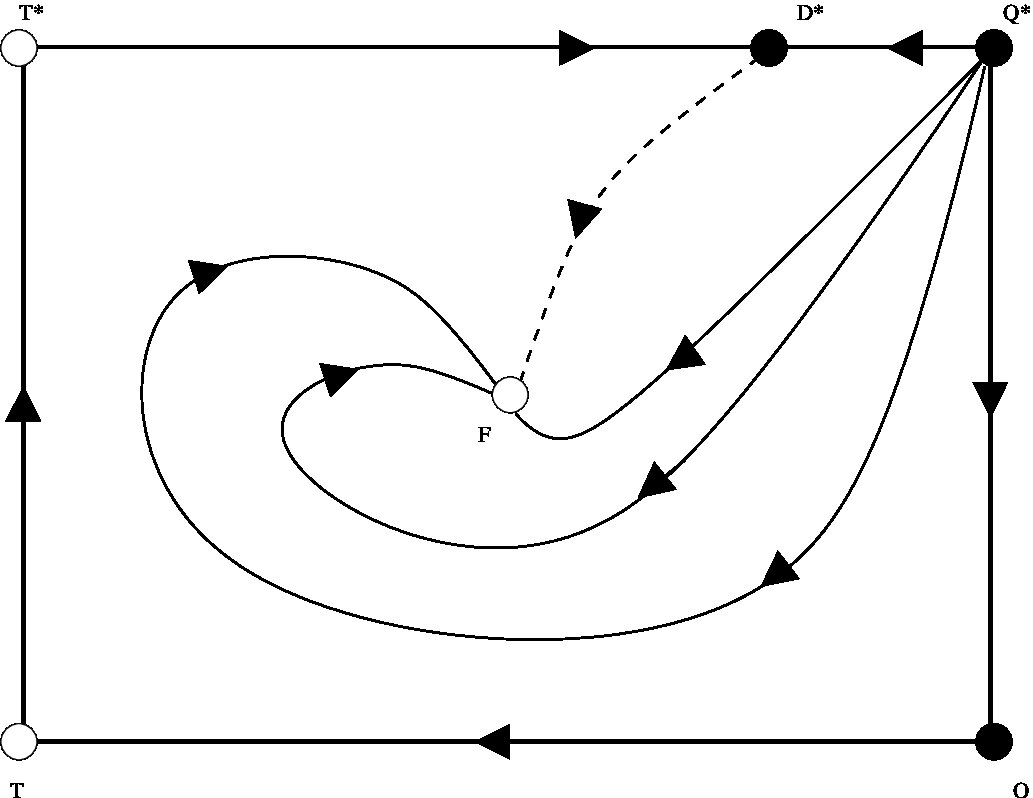 Figure 16
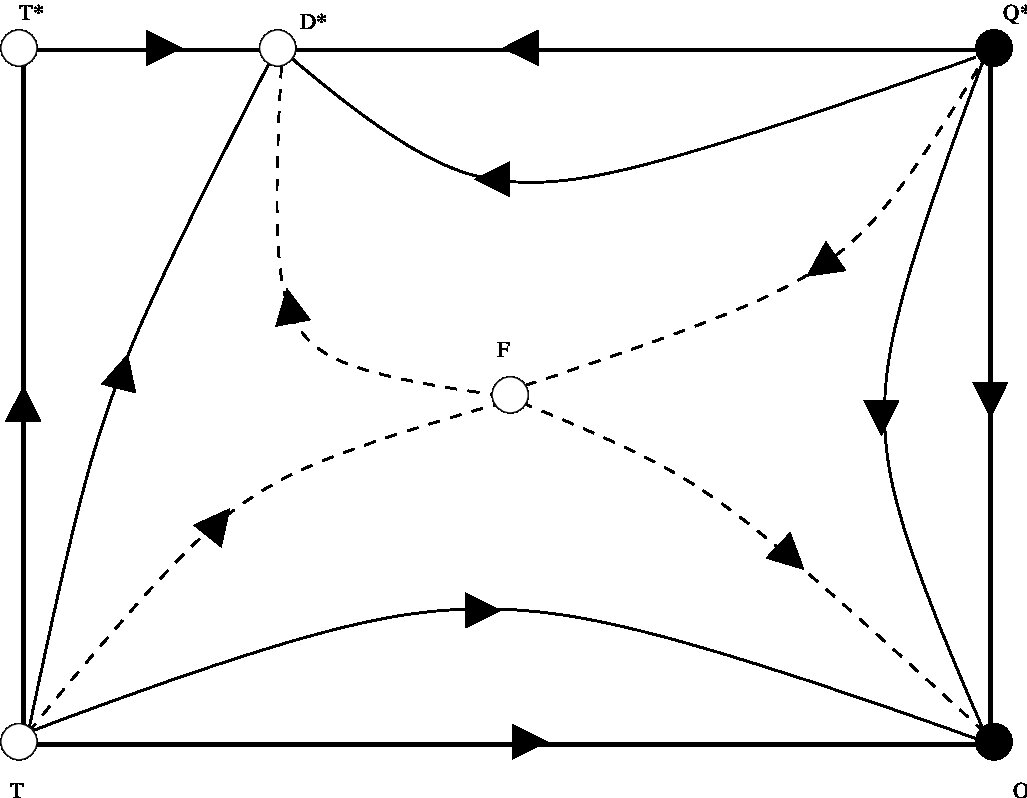 Figure 17
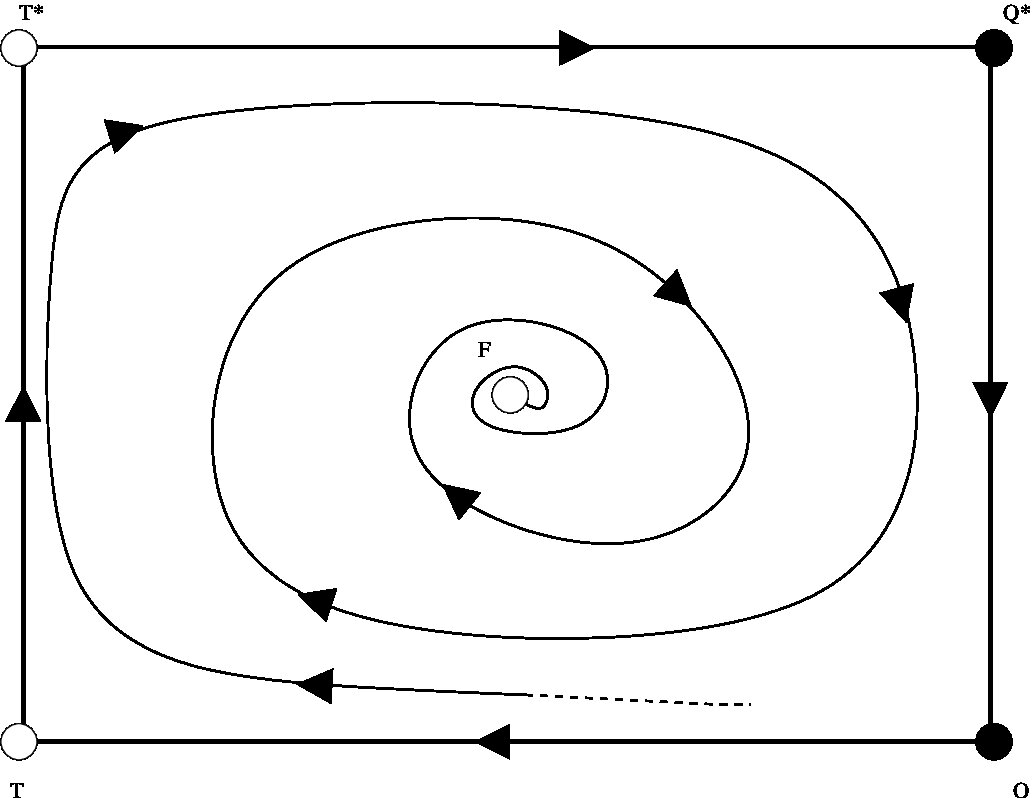 Figure 18
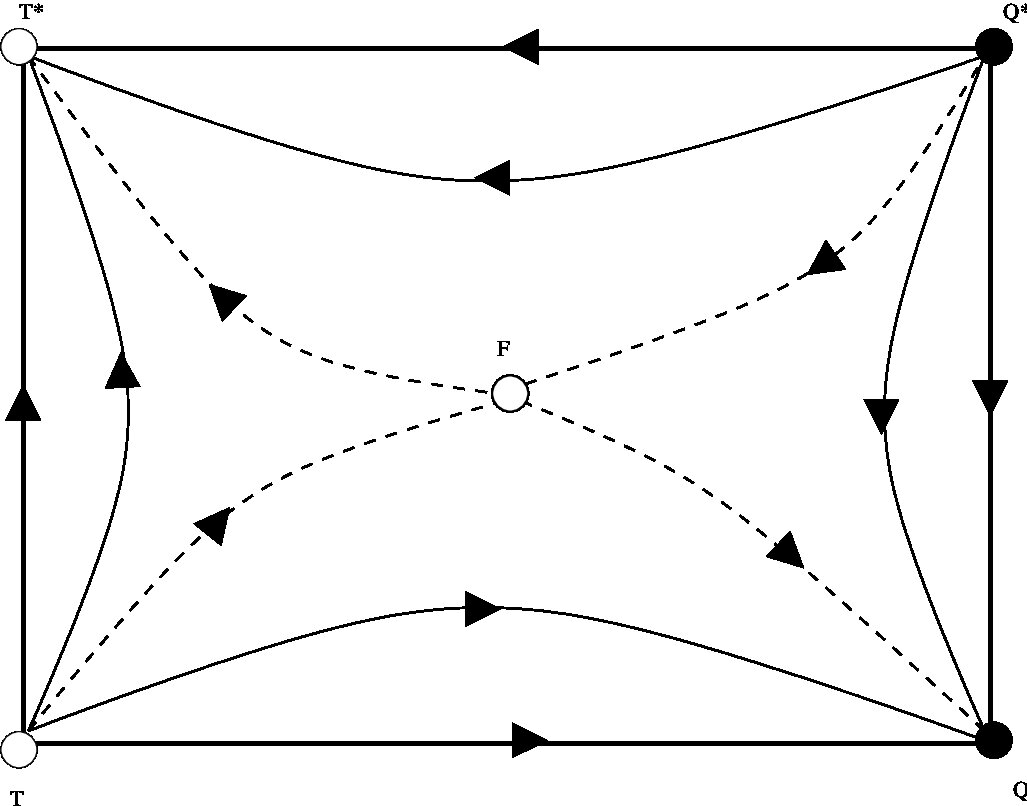 Figure 19
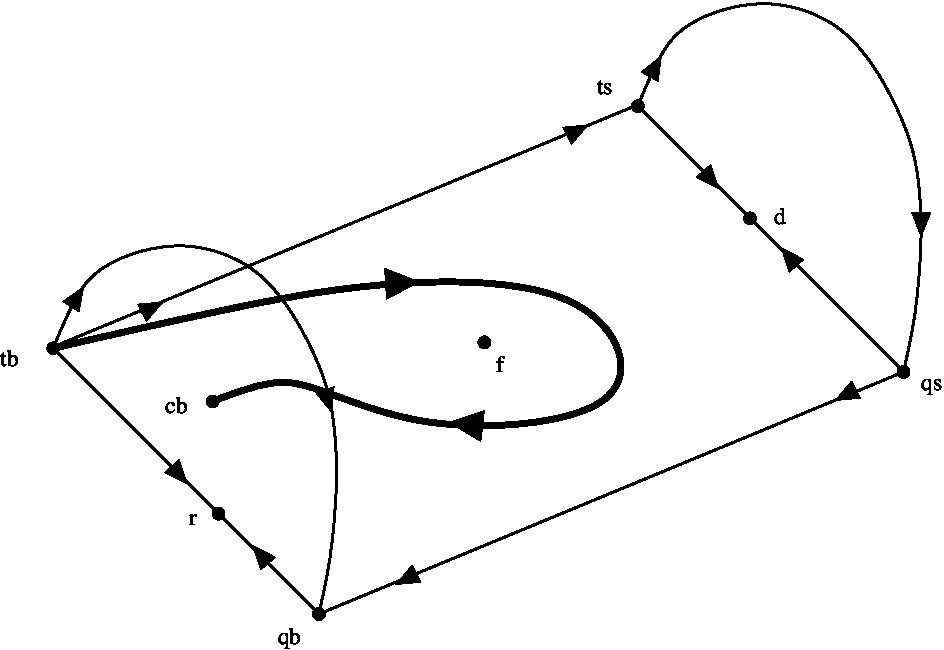 Figure 20
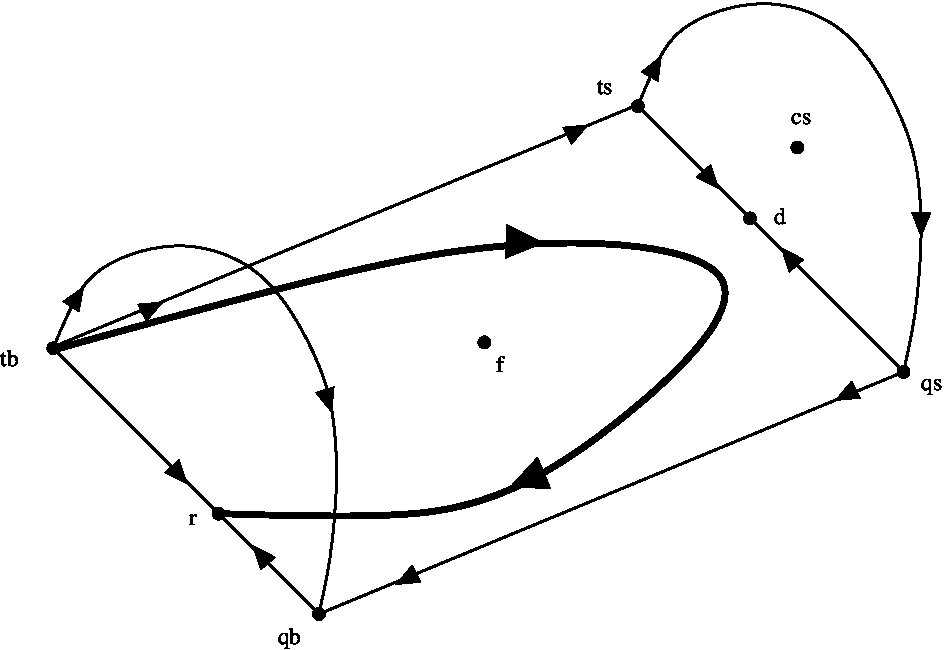 Figure 21
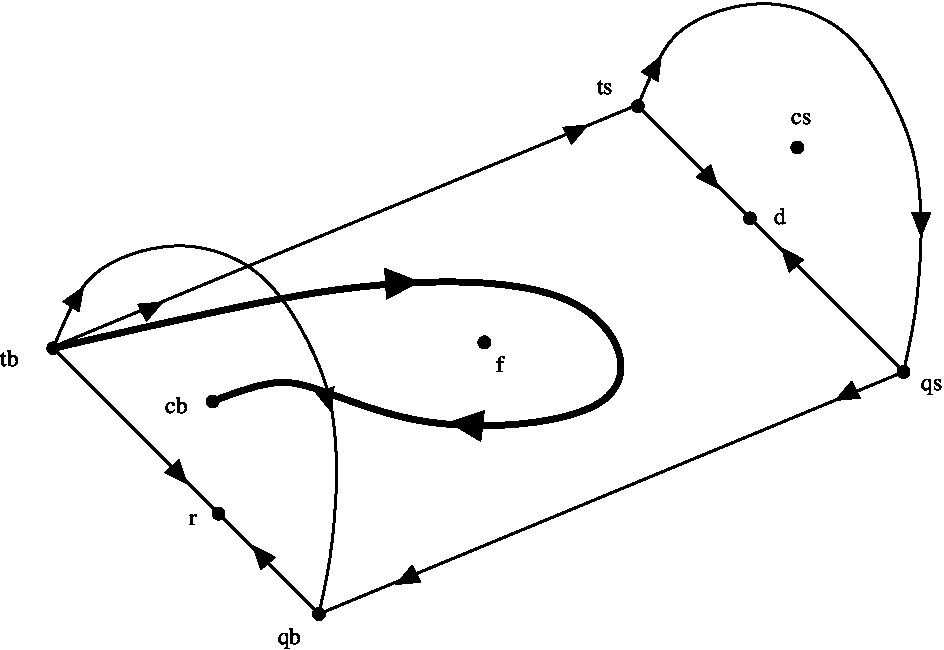 Figure 22
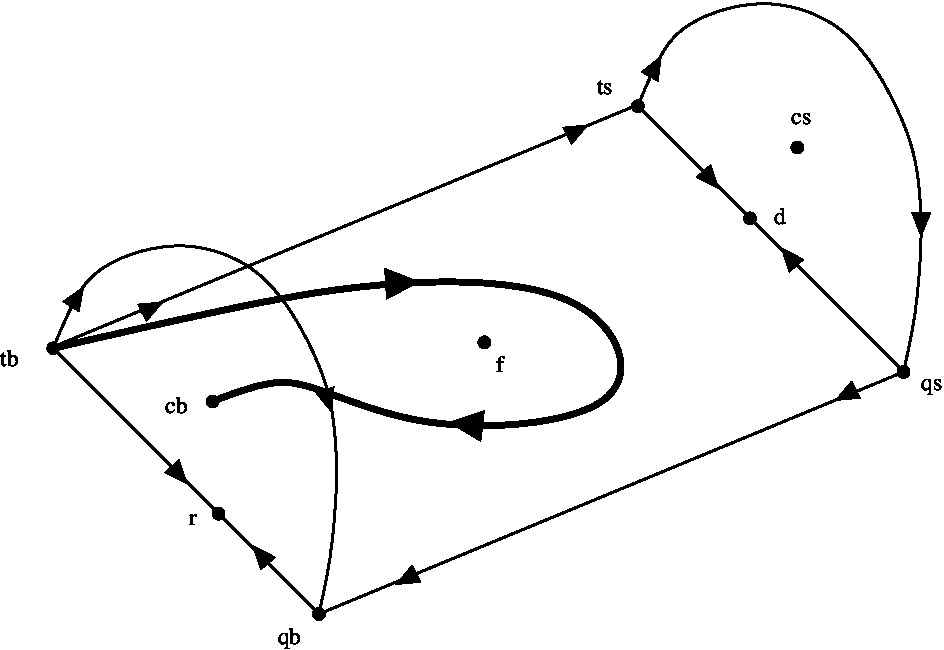 Figure 23
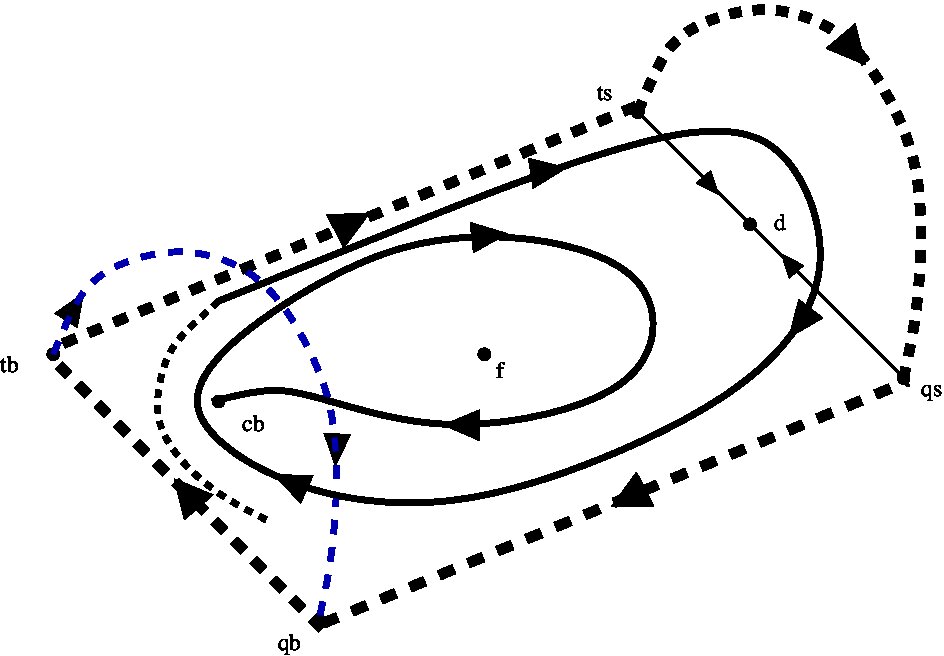 Figure 24
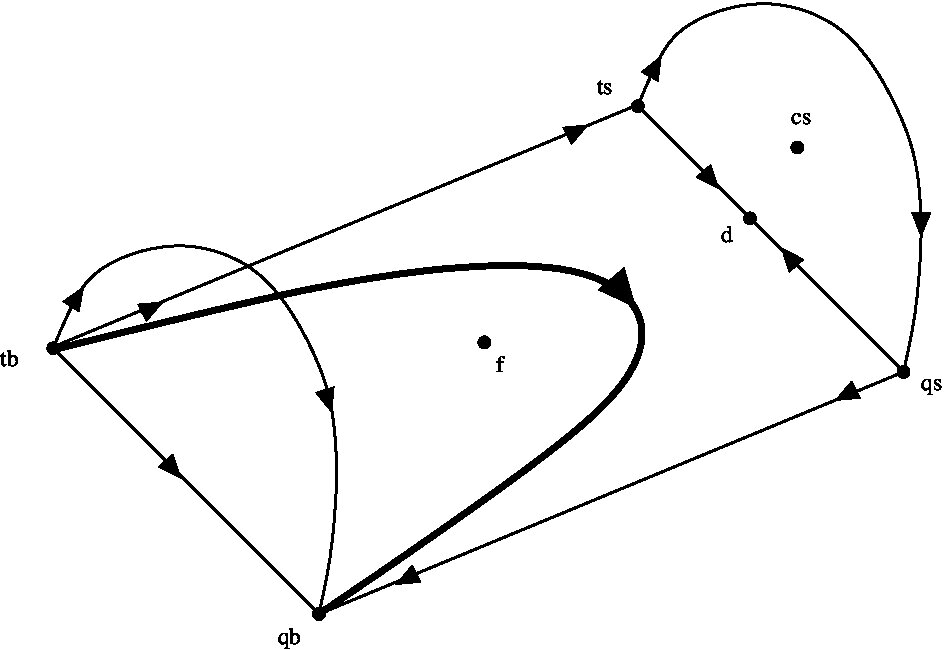 Figure 25
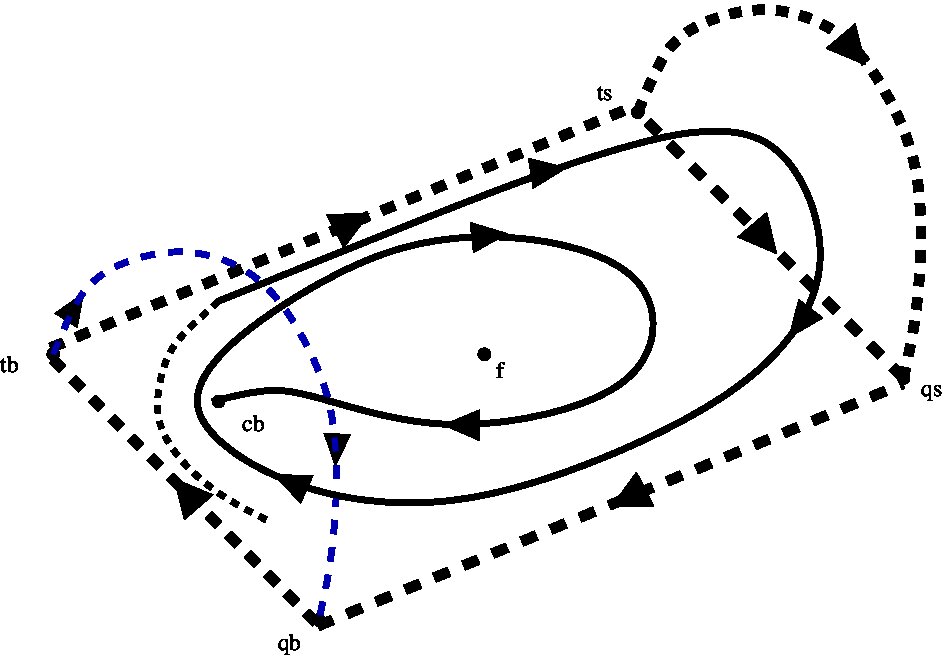 Figure 26
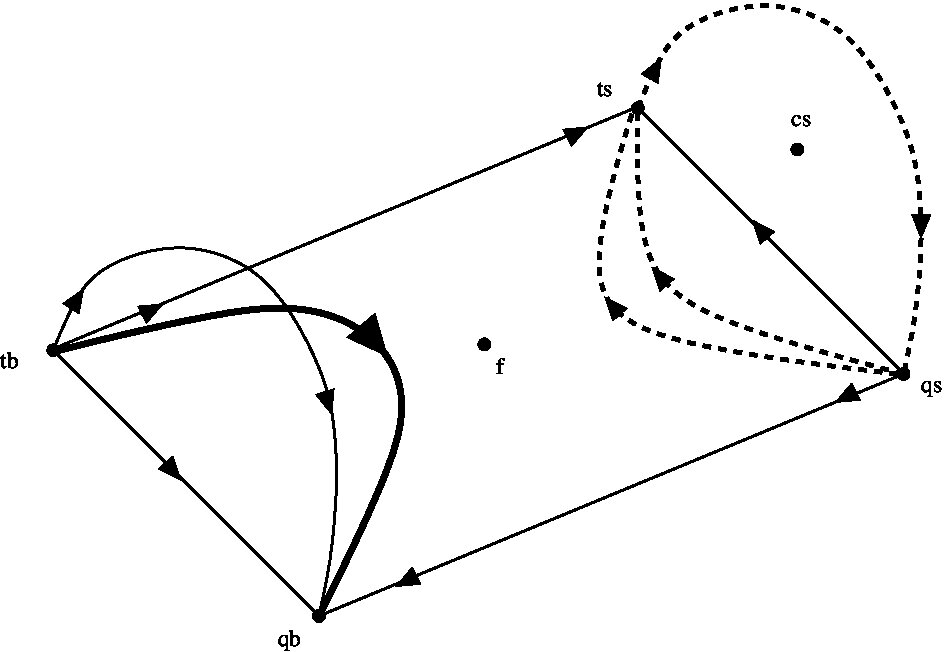 Figure 27
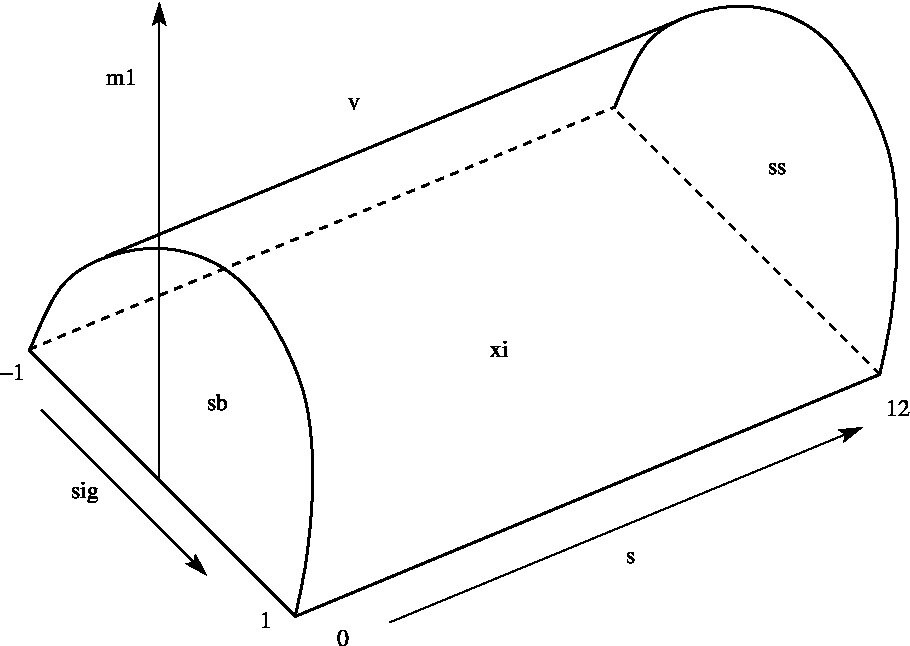 Figure 28
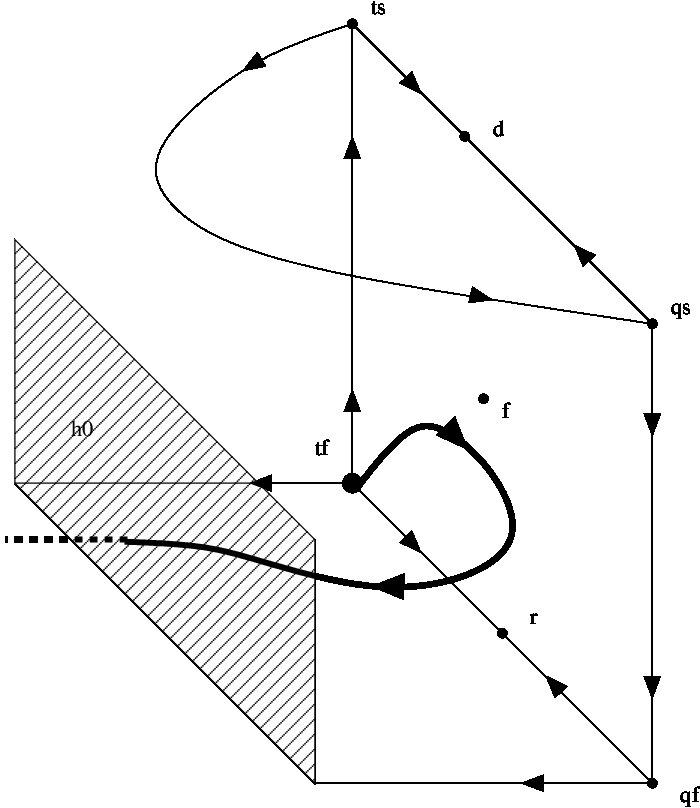 Figure 29
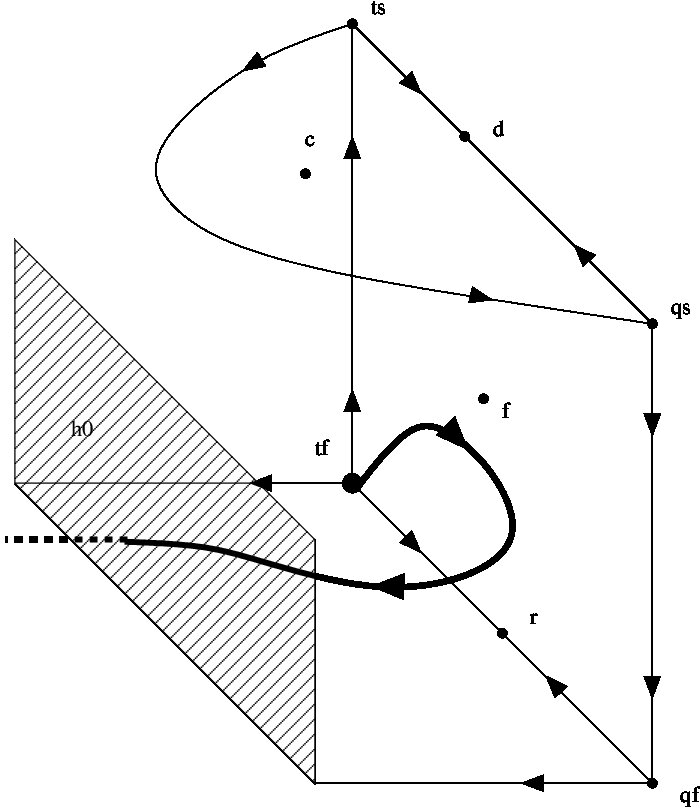 Figure 30
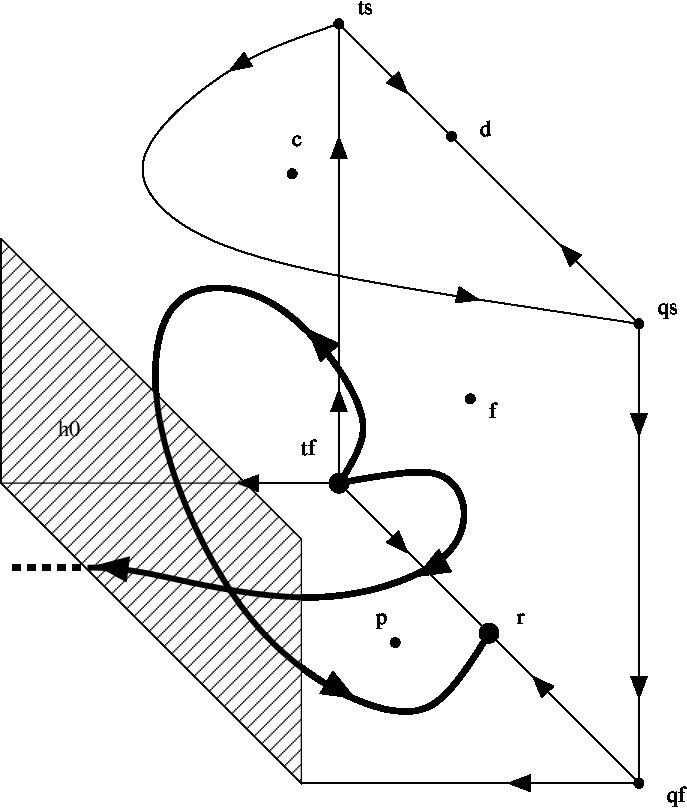 Figure 31
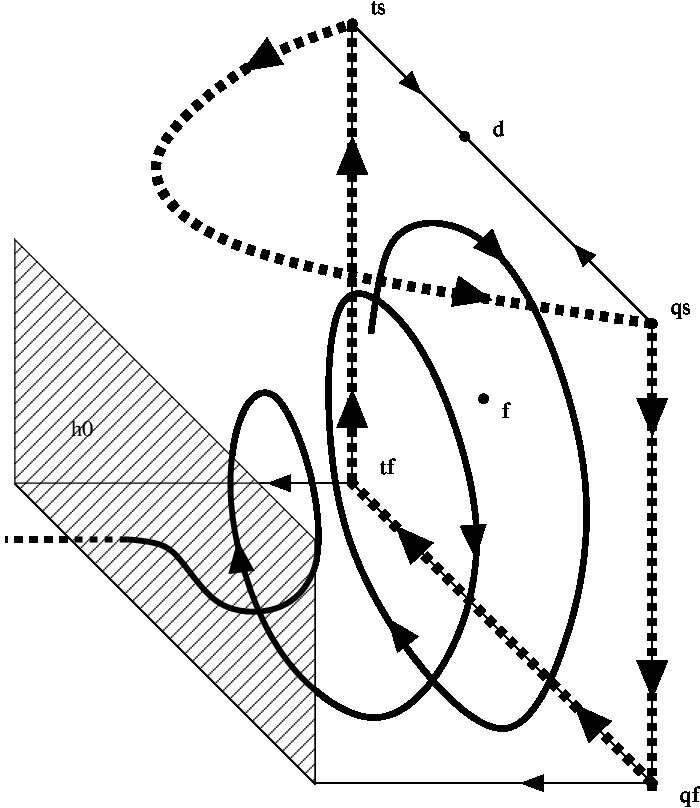 Figure 32
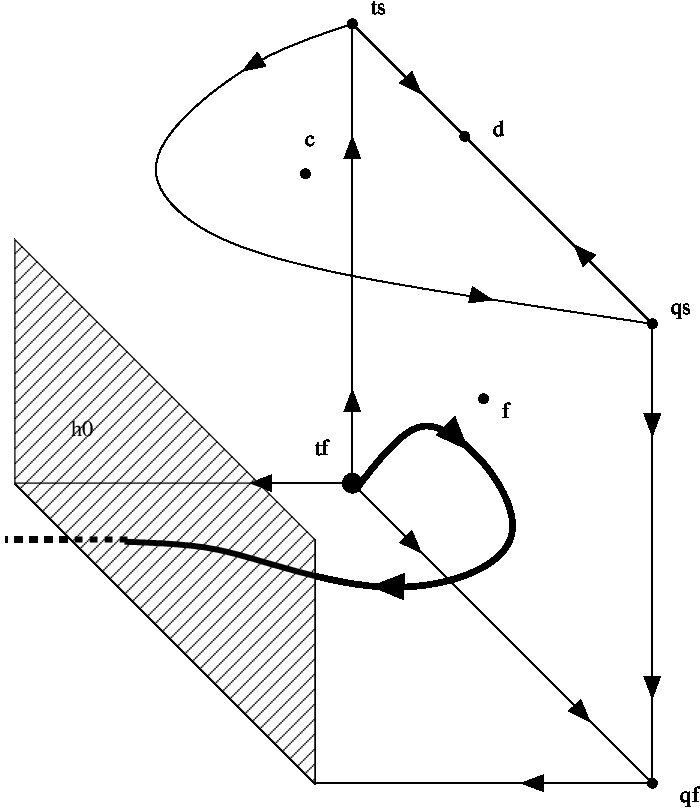 Figure 33
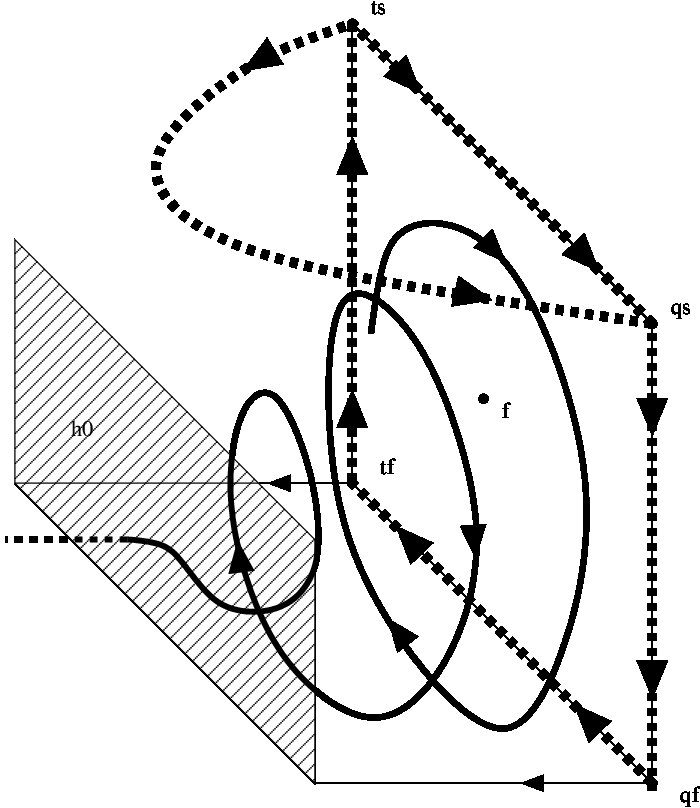 Figure 34
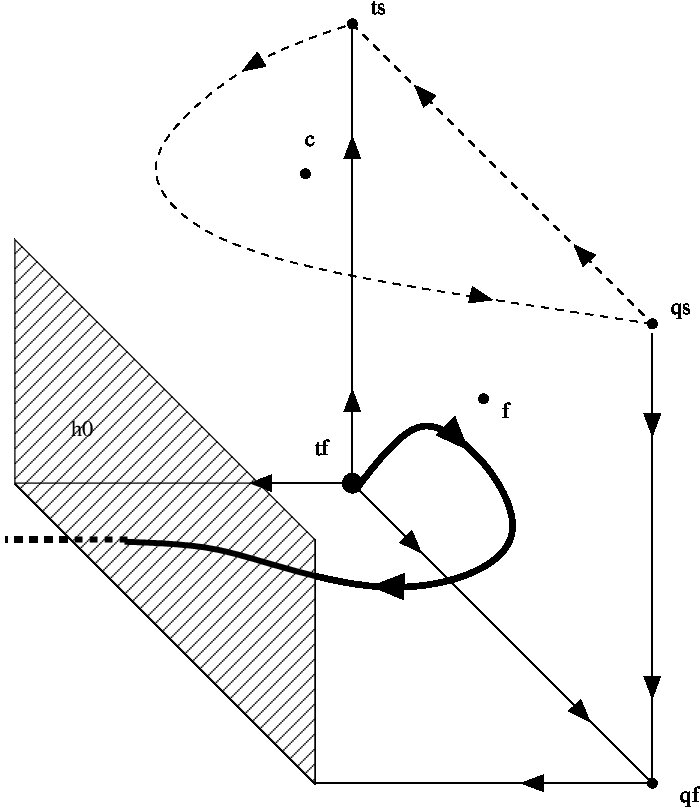 Figure 35
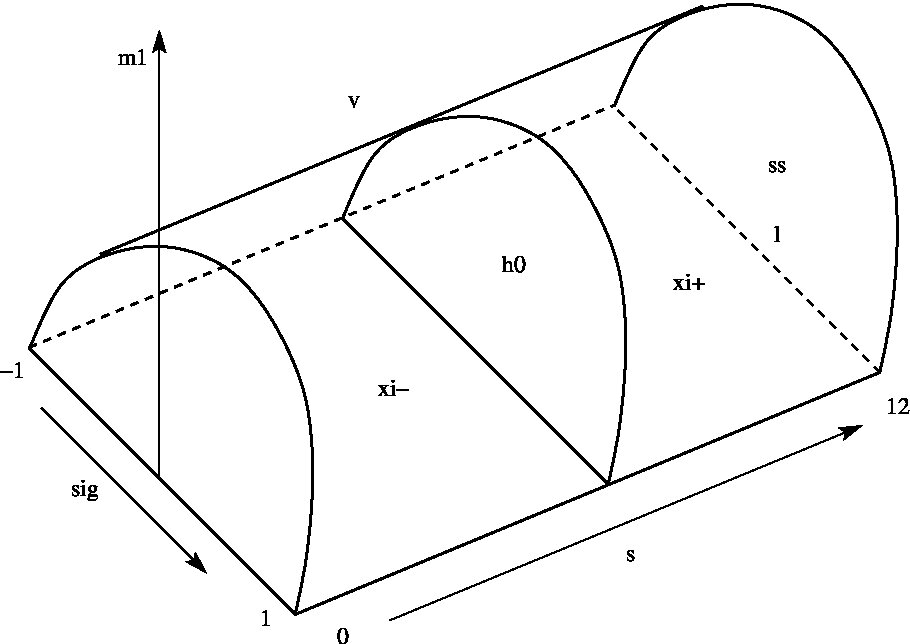 Figure 36
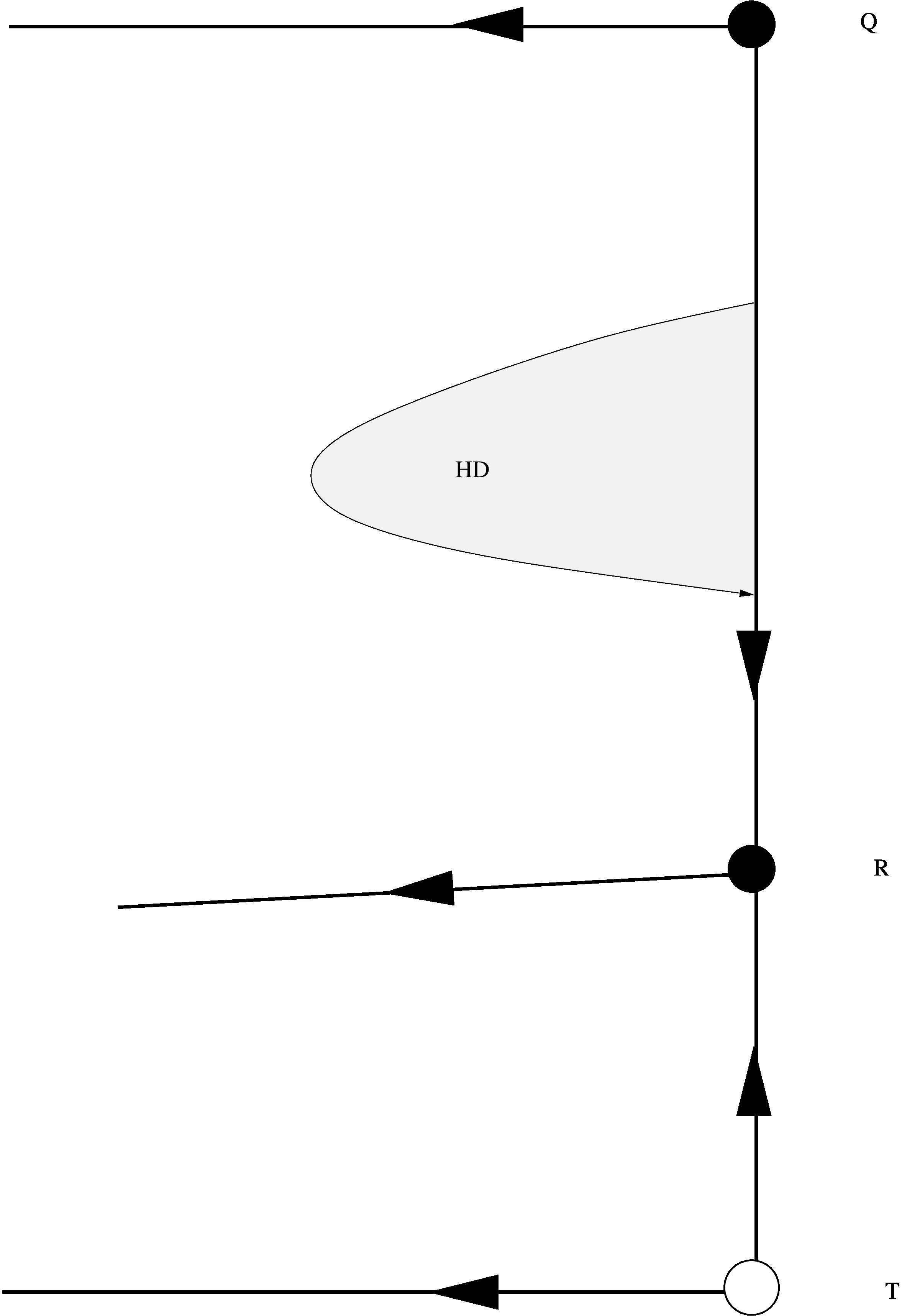 Figure 37
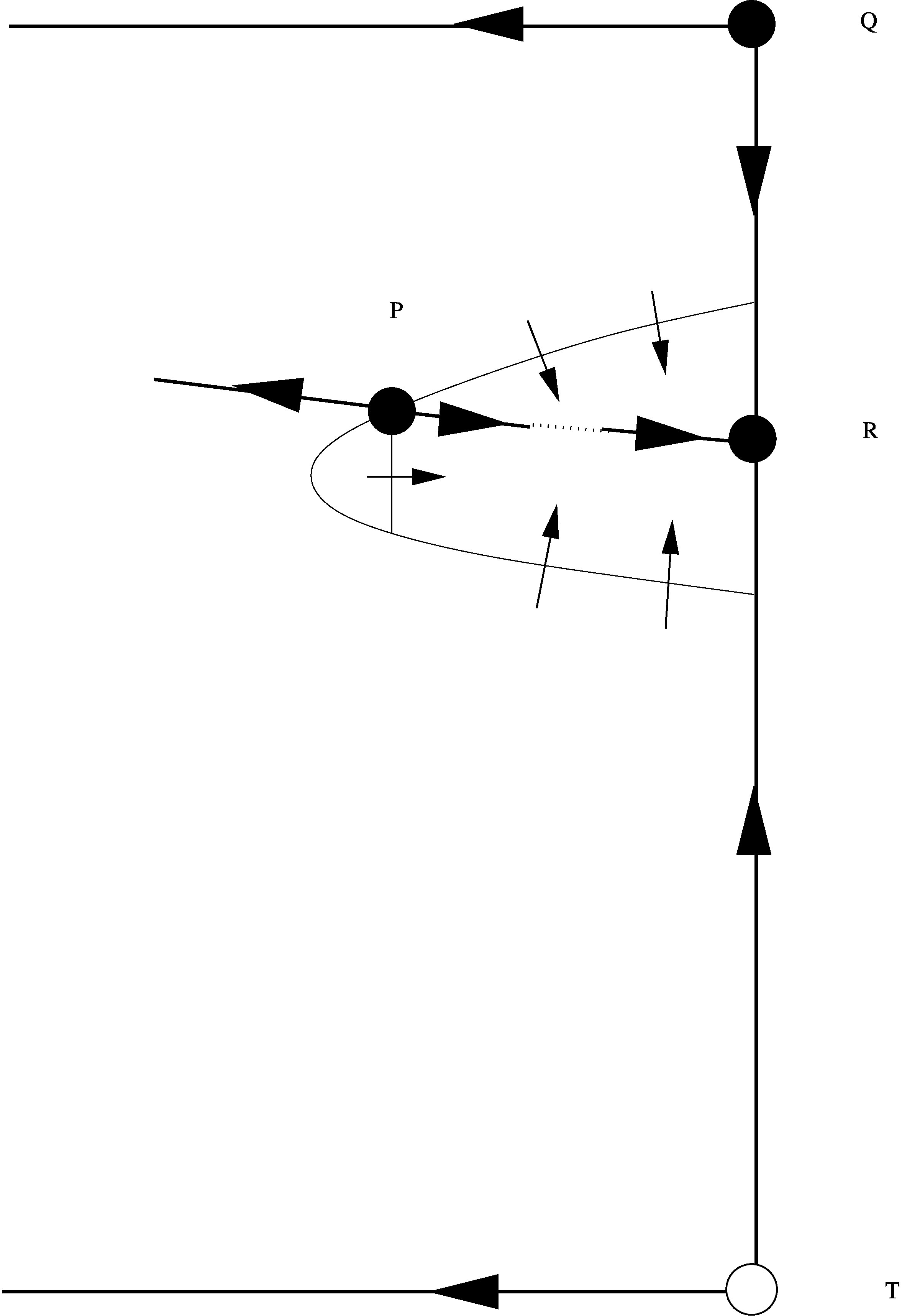 Figure 38
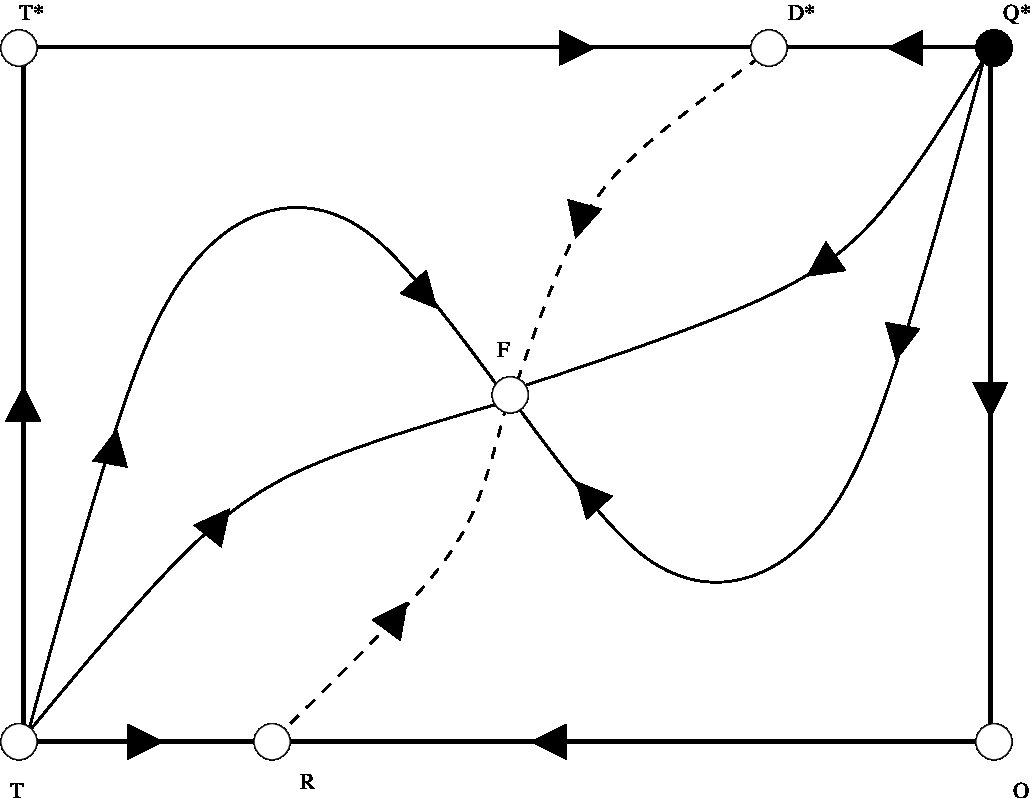 Figure 39
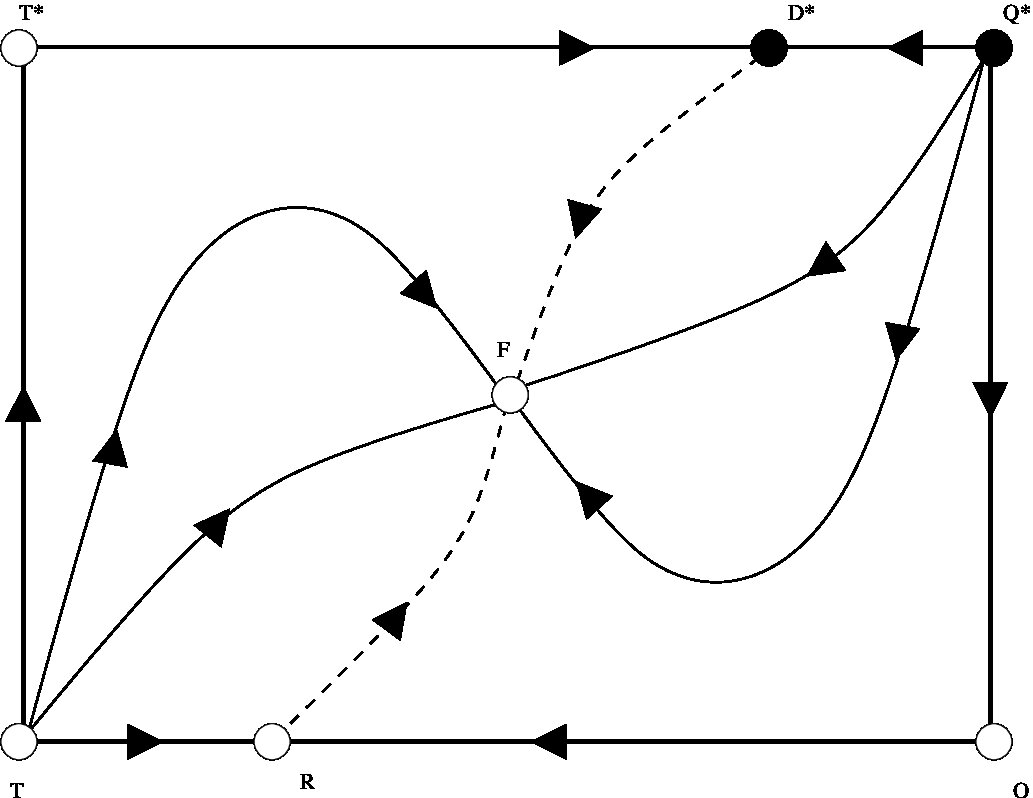 Figure 40
| Bianchi | |||
|---|---|---|---|
| type | |||
| I | 0 | 0 | 0 |
| II | 1 | 0 | 0 |
| VI0 | 0 | 1 | |
| VII0 | 0 | 1 | 1 |
| VIII | 1 | 1 | |
| IX | 1 | 1 | 1 |
| Type | values | Energy conditions require |
|---|---|---|
| D- | ||
| C- | ||
| B- | ||
| A- | ||
| A 0 | ||
| A+ | ||
| B+ | ||
| C+ | violated | |
| D+ | violated |
| Type | Past Attractor | Future Attractor |
|---|---|---|
| D- | , | , |
| C-, B- | , | , |
| A-, A0- | , | , |
| A+, A0+ | , | |
| B+, C+ | ||
| D+ | Heteroclinic cycle (47) |
| Type | Past Attractor | Future Attractor |
|---|---|---|
| B-, C-, D- | ||
| A-() | ||
| A-(), A0, A+ | ||
| B+, C+ | Heteroclinic cycle | |
| D+ | Heteroclinic cycle/network |
| Fixed point | Dimension of unstable [stable] manifold intersected with | |||||
|---|---|---|---|---|---|---|
| D-, C-, B- | A-() | A-() | A+() | A+() | B+, C+, D+ | |
| 3 | 3 | 3 | 3 | 3 | ||
| [3] | ||||||
| [3] | 2 | 2 | ||||
| 2 | ||||||
| 2 | 2 | 2 | 1 | 1 | 1 | |
| [3] | [3] | [3] | [3] | |||
| 1 | 1 | 1 | 1 | |||
| het. cycle | 3 | |||||
| Fixed point | Dimension of unstable [stable] manifold intersected with | |||||||||
| D- | C- | B- | A- (not A-IX) | A-IX | A+() | A+() | B+ | C+ | D+ | |
| 3 | 3 | 3 | 3 | 3 | 3 | 3 | ||||
| [3] | 2 | 2 | ||||||||
| 2 | ||||||||||
| 2 | 2 | 2 | 2 | 2 | 1 | 1 | 1 | 1 | 1 | |
| 1 | 1 | 1 | 1 | 1 | 1 | |||||
| het. cycle | 3 | 3 | 3 | |||||||
| [2] | ||||||||||