
TL;DR
This paper reports precise measurements of Ke4 and Ke400 decays, extracting pi-pi scattering lengths and form factors, providing a fundamental test of Chiral Perturbation Theory and improving understanding of meson interactions.
Contribution
It presents new, precise measurements of decay form factors, scattering lengths, and decay parameters, with larger data samples than previous studies, advancing the experimental validation of ChPT.
Findings
Measured pi-pi scattering lengths a00 and a20.
Determined decay form factors and branching fractions with high precision.
Provided evidence for a non-zero slope parameter k in K+- -> pi0 pi0 pi+- decay.
Abstract
The NA48/2 experiment at the CERN SPS collected in 2003 and 2004 large samples of the decays K+- -> pi+ pi- e+- nu (Ke4+-), K+- -> pi0 pi0 e+- nu (Ke400) and K+- -> pi0 pi0 pi+-. From the Ke4+- form factors and from the cusp in the M00^2 distribution of the K+- -> pi0 pi0 pi+- events, the pi-pi scattering lengths a00 and a20 could be extracted. This measurement is a fundamental test of Chiral Perturbation Theory (ChPT). The branching fraction and form factors of the Ke400 decay were precisely measured, using a much larger data sample than in previous experiments. An improved measurement of the slope parameters for the decay K+- -> pi0 pi0 pi+- showed evidence for a non-zero value of k.
Click any figure to enlarge with its caption.
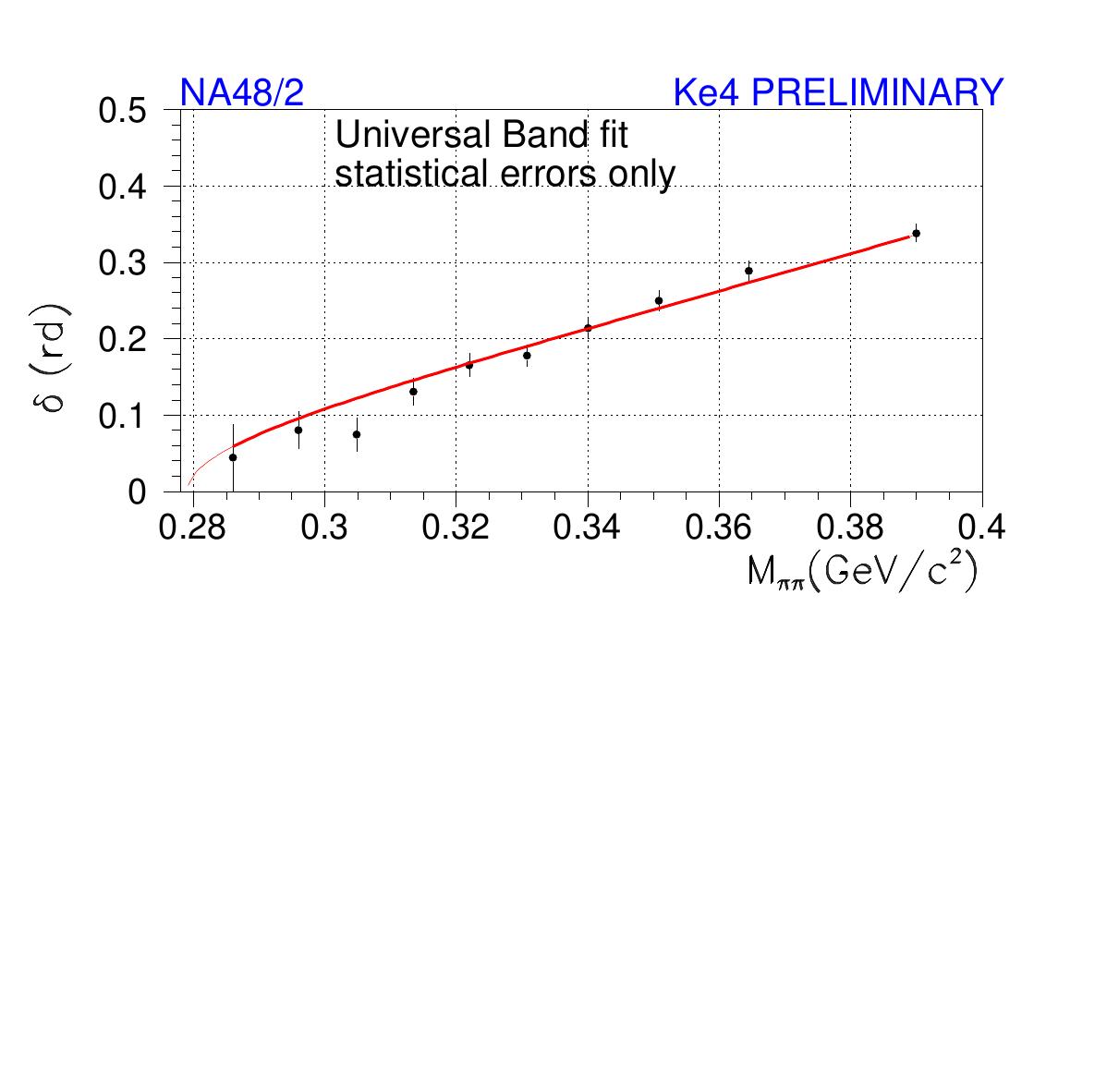 Figure 1
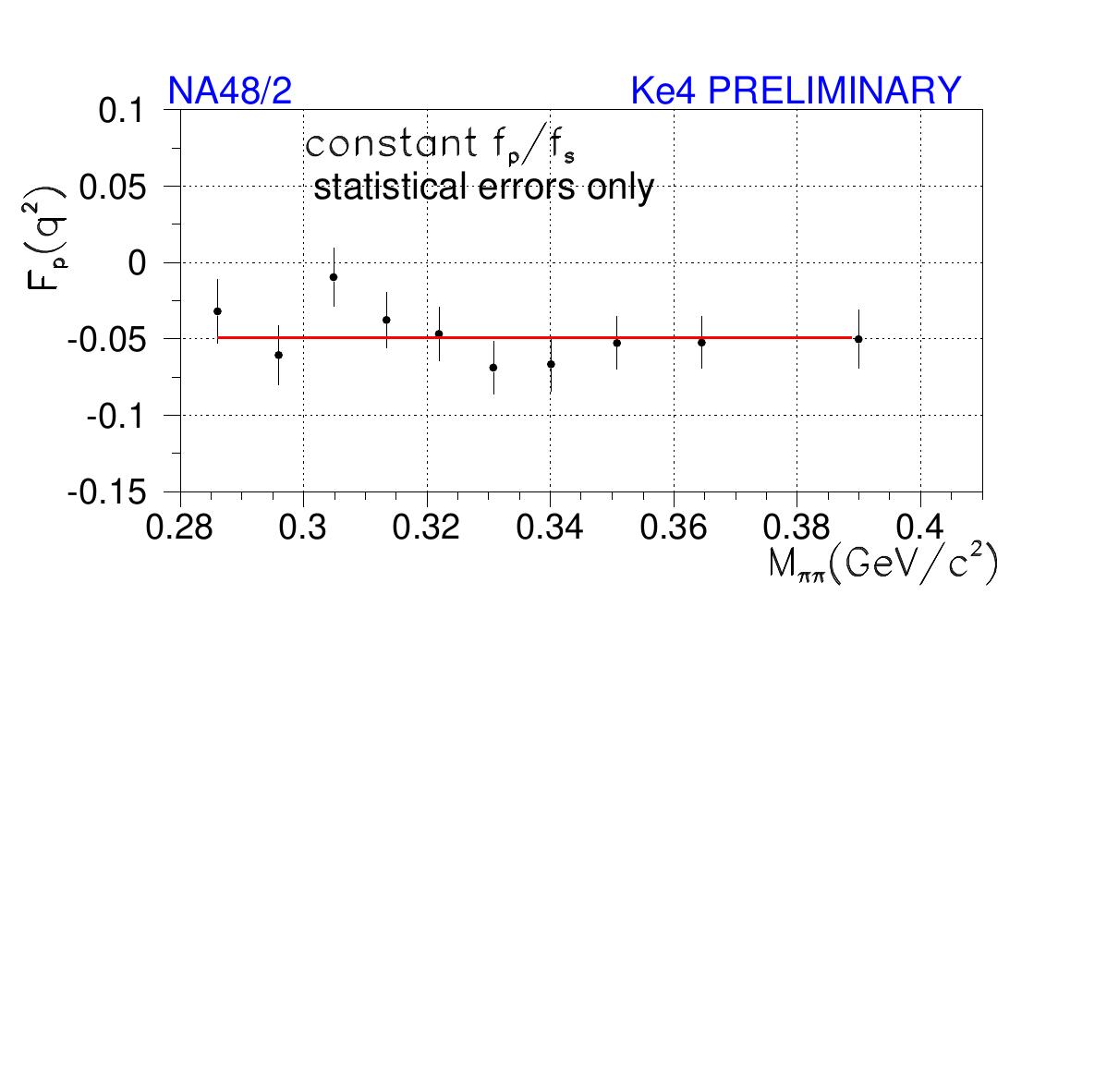 Figure 2
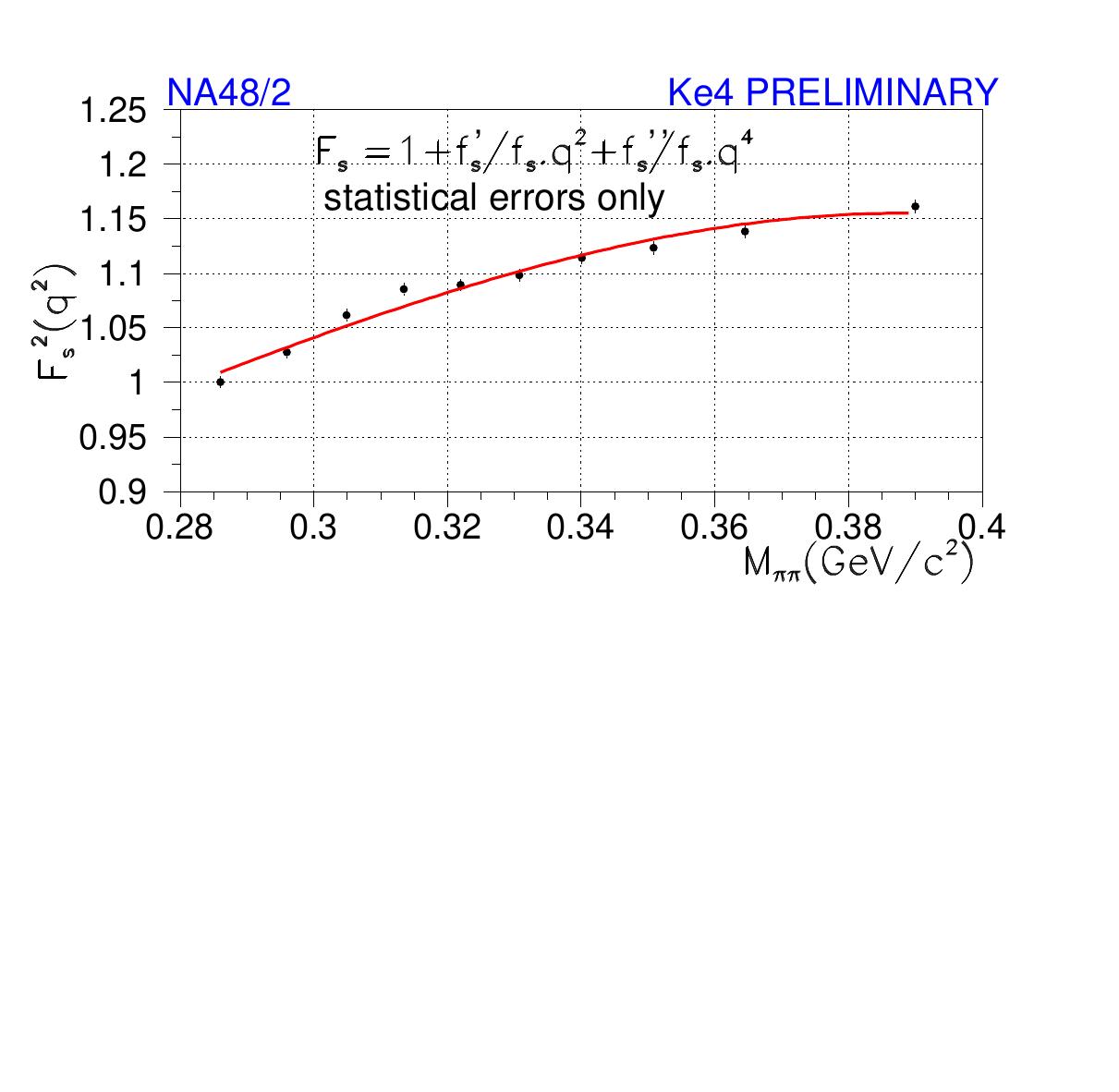 Figure 3
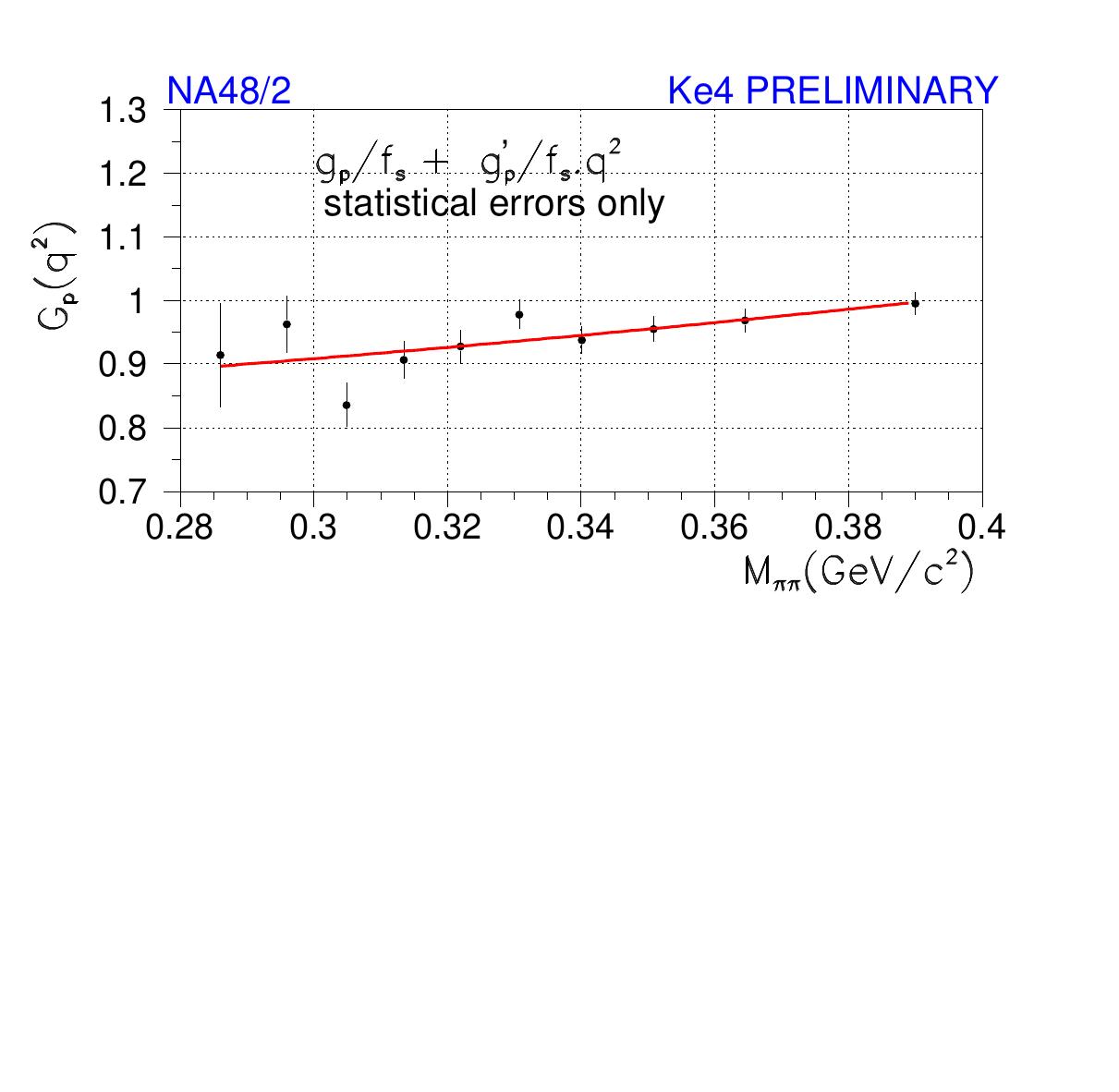 Figure 4
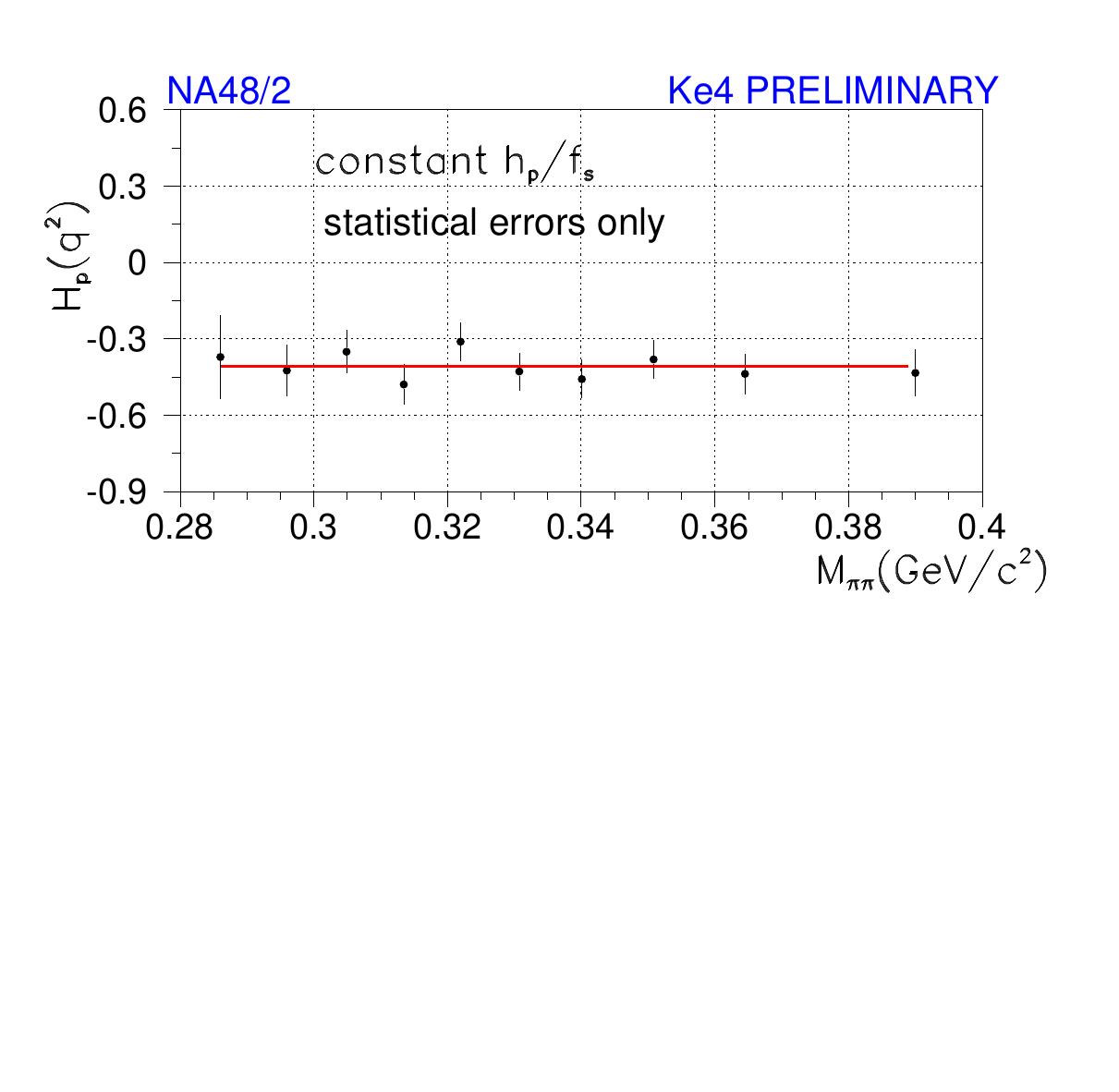 Figure 5
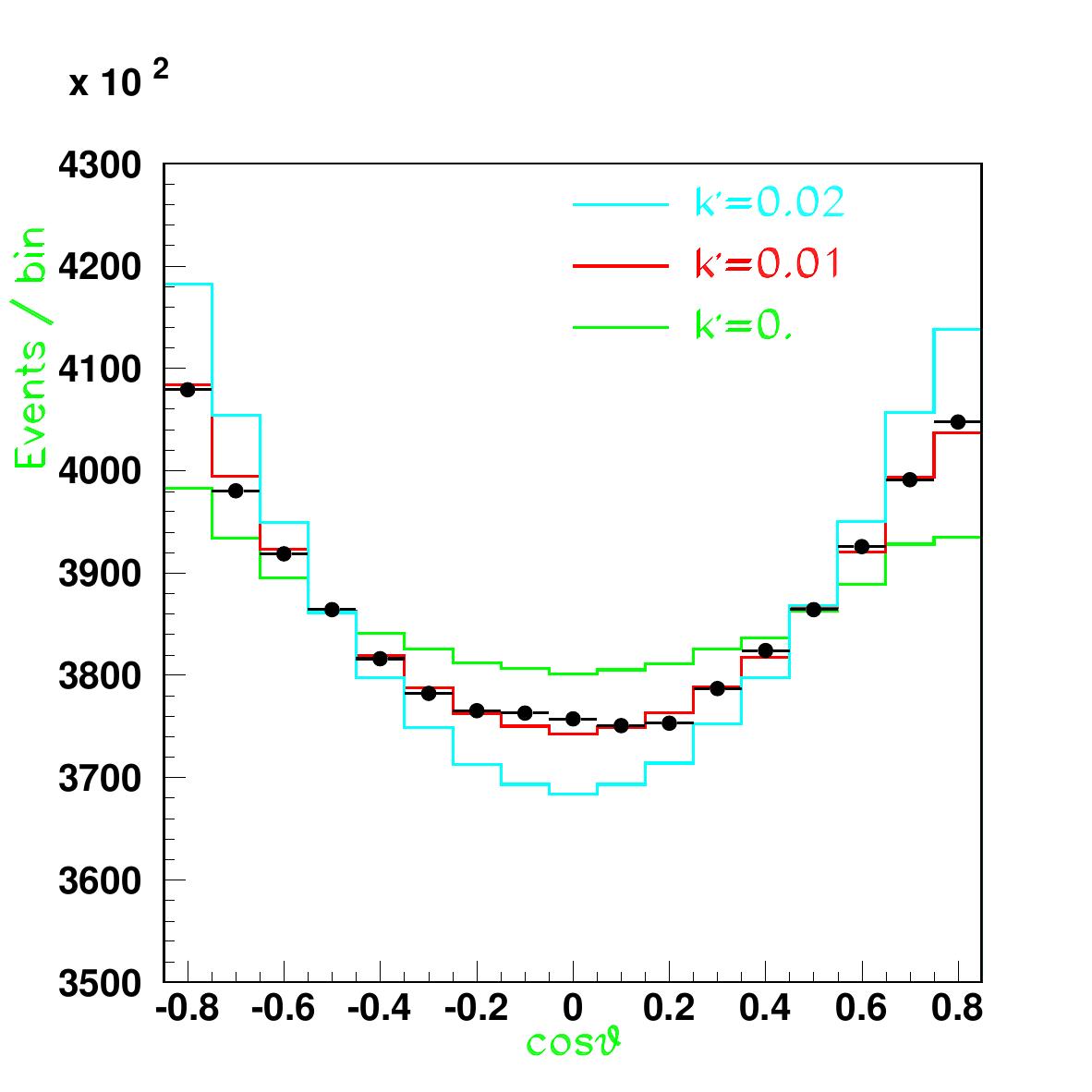 Figure 6
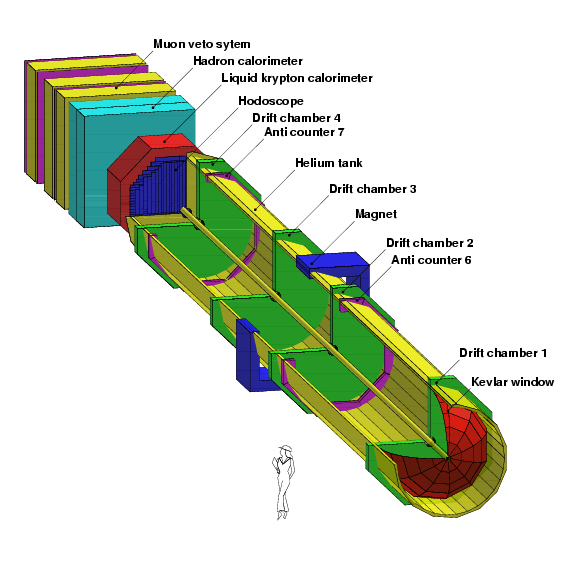 Figure 7
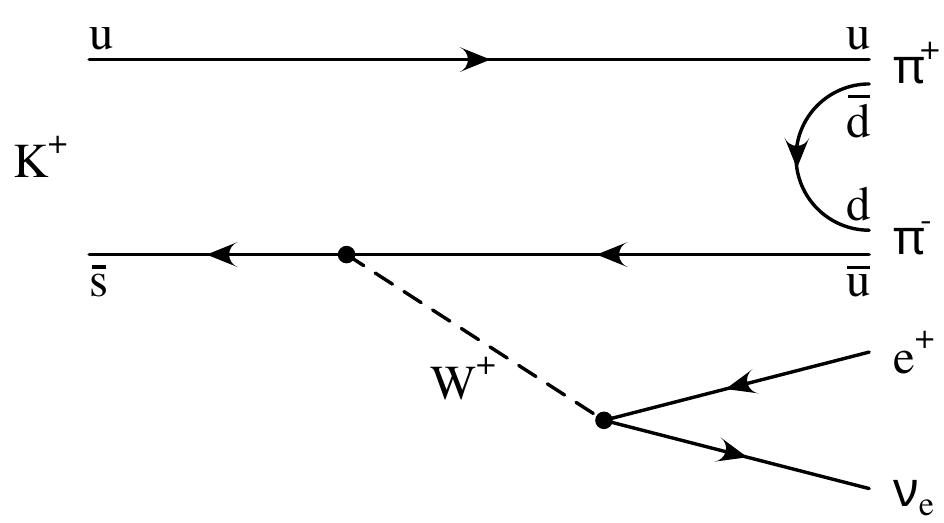 Figure 8
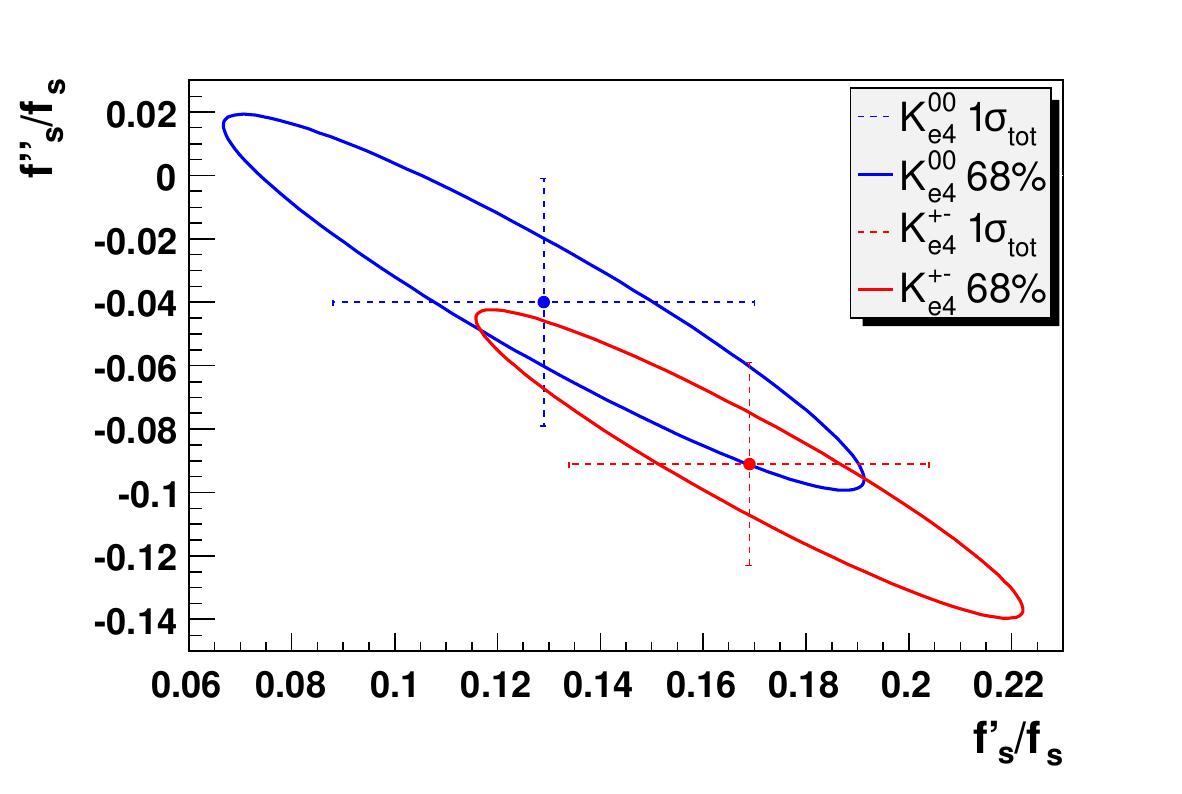 Figure 9
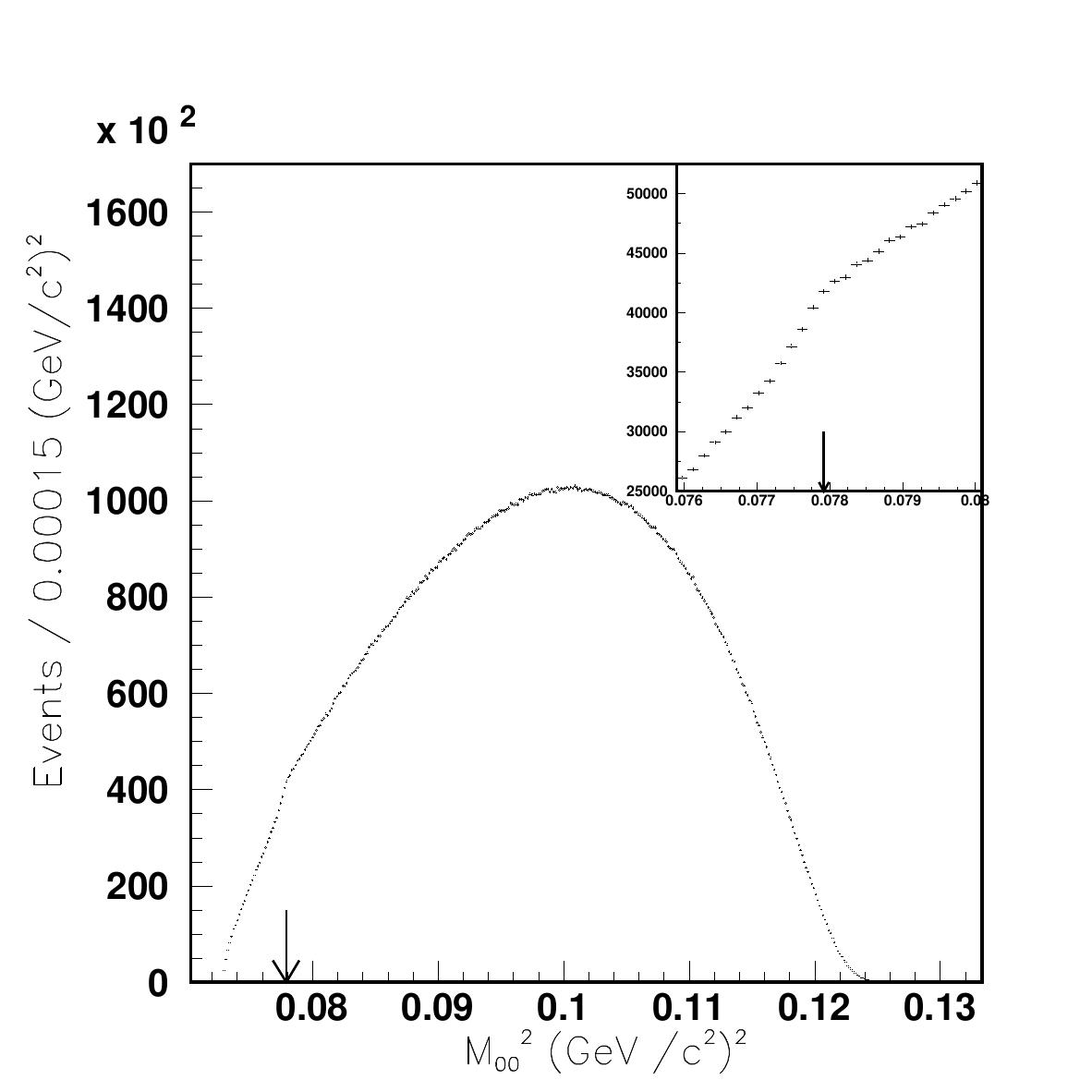 Figure 10
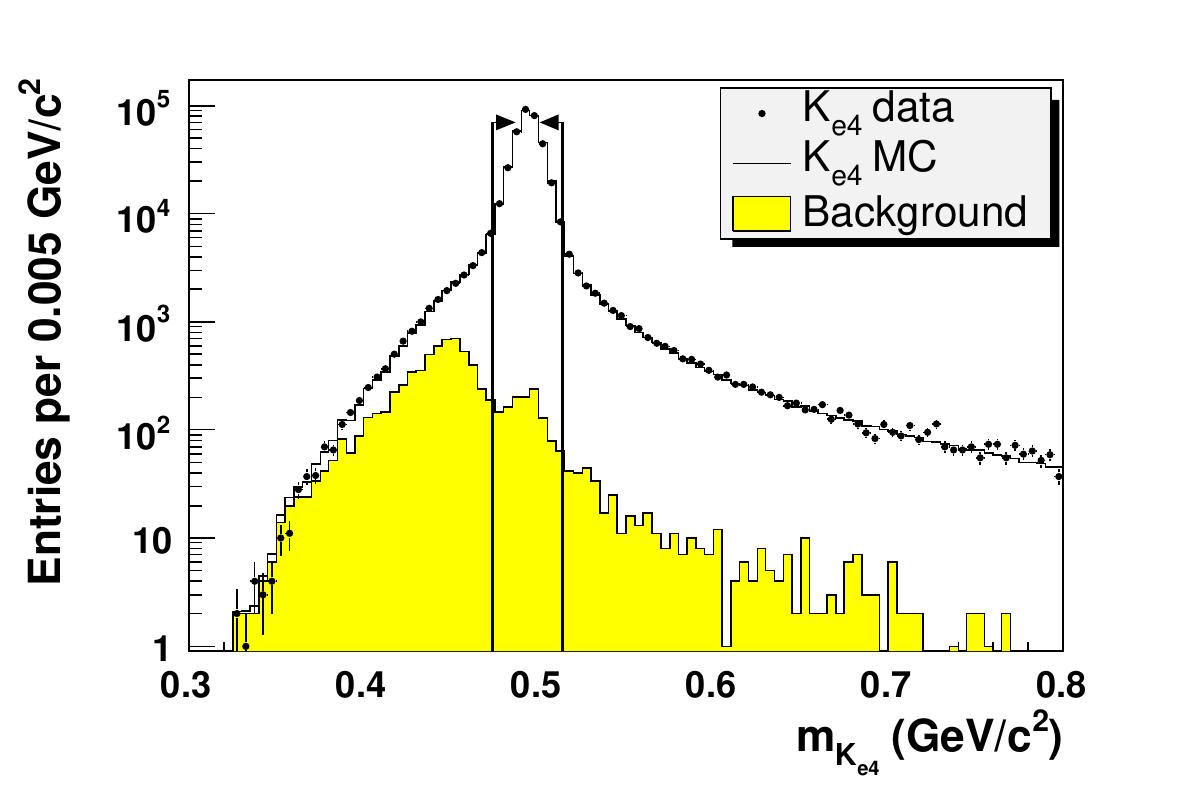 Figure 11
 Figure 12
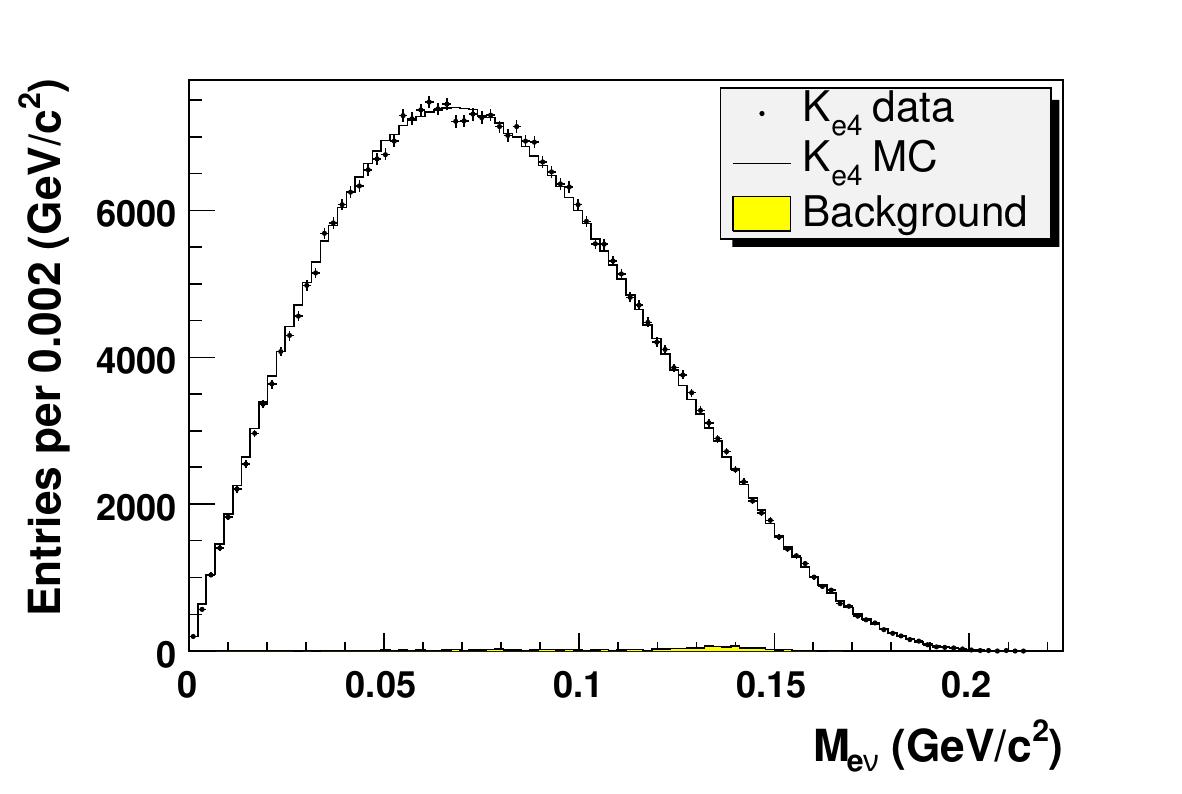 Figure 13
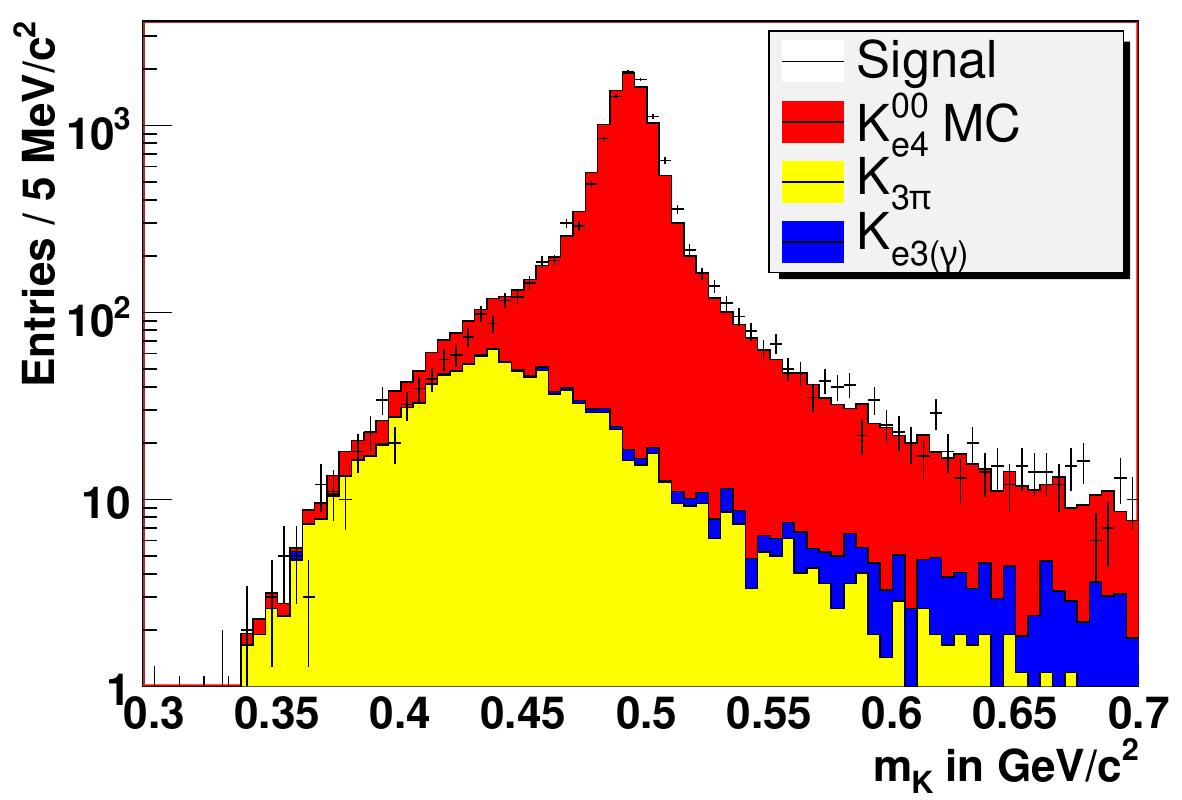 Figure 14
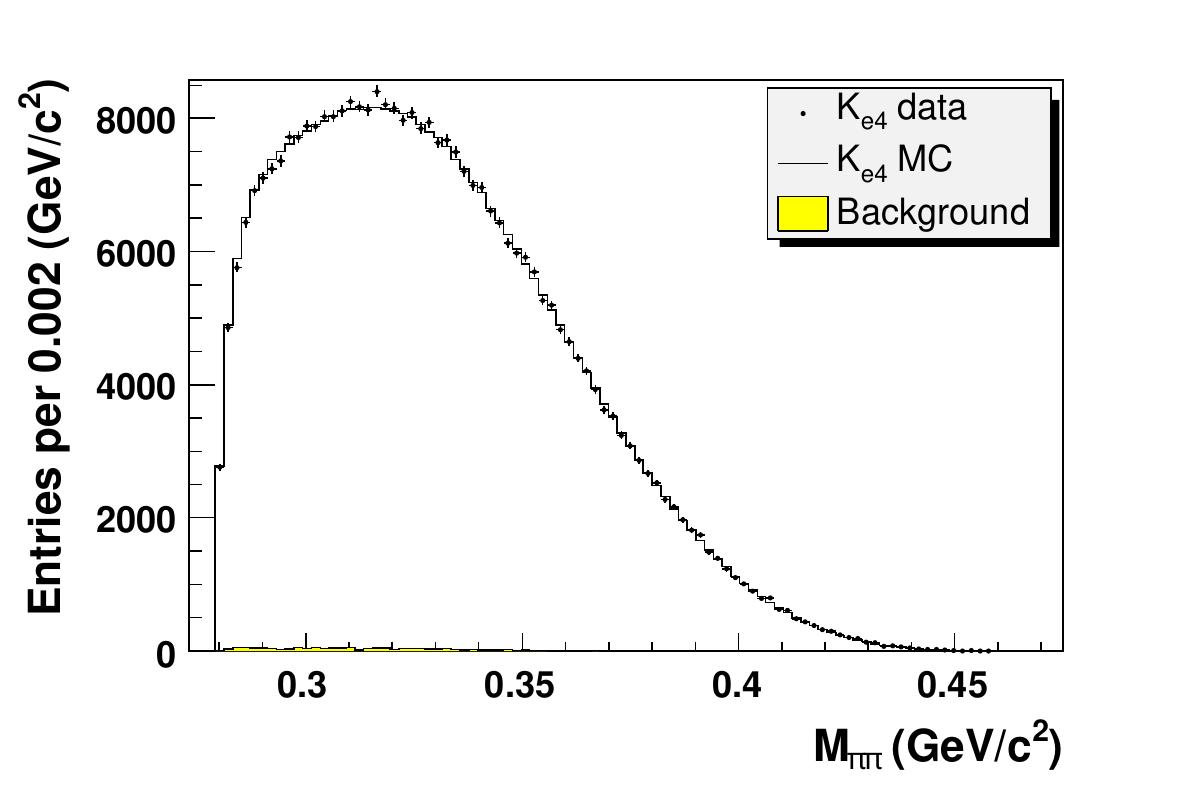 Figure 15
 Figure 16
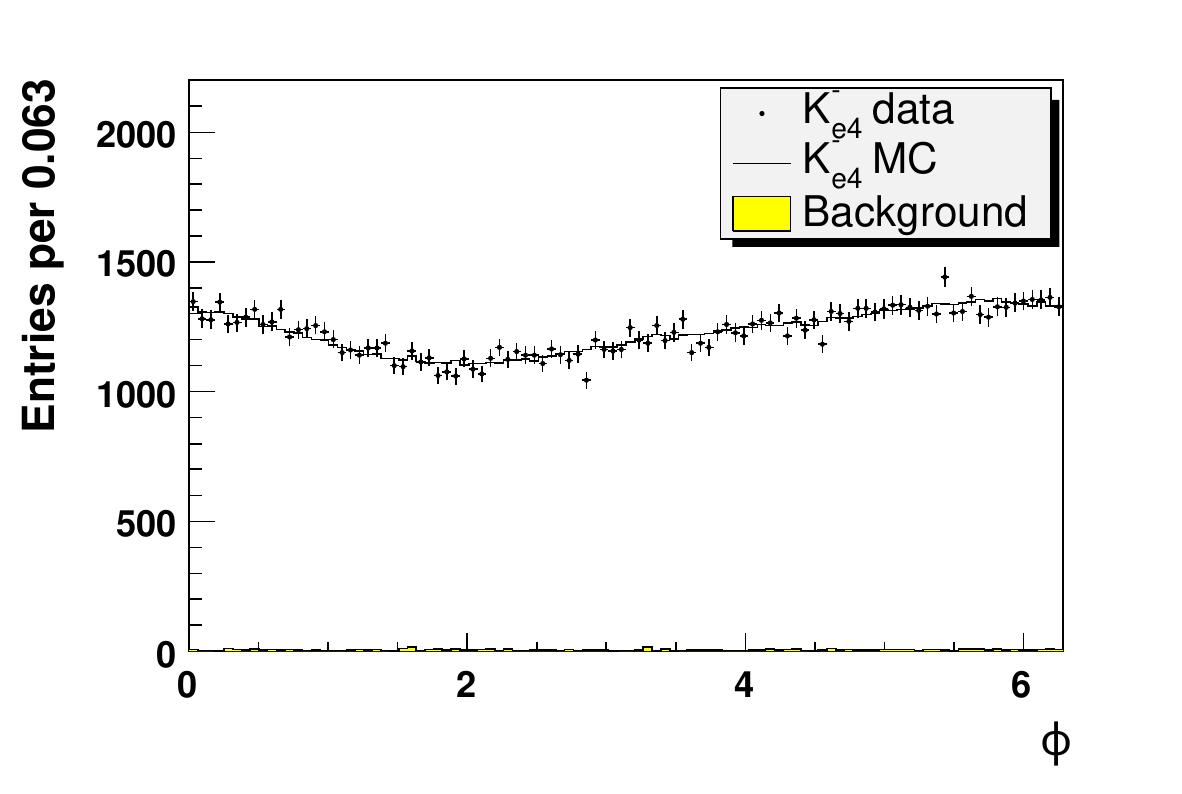 Figure 17
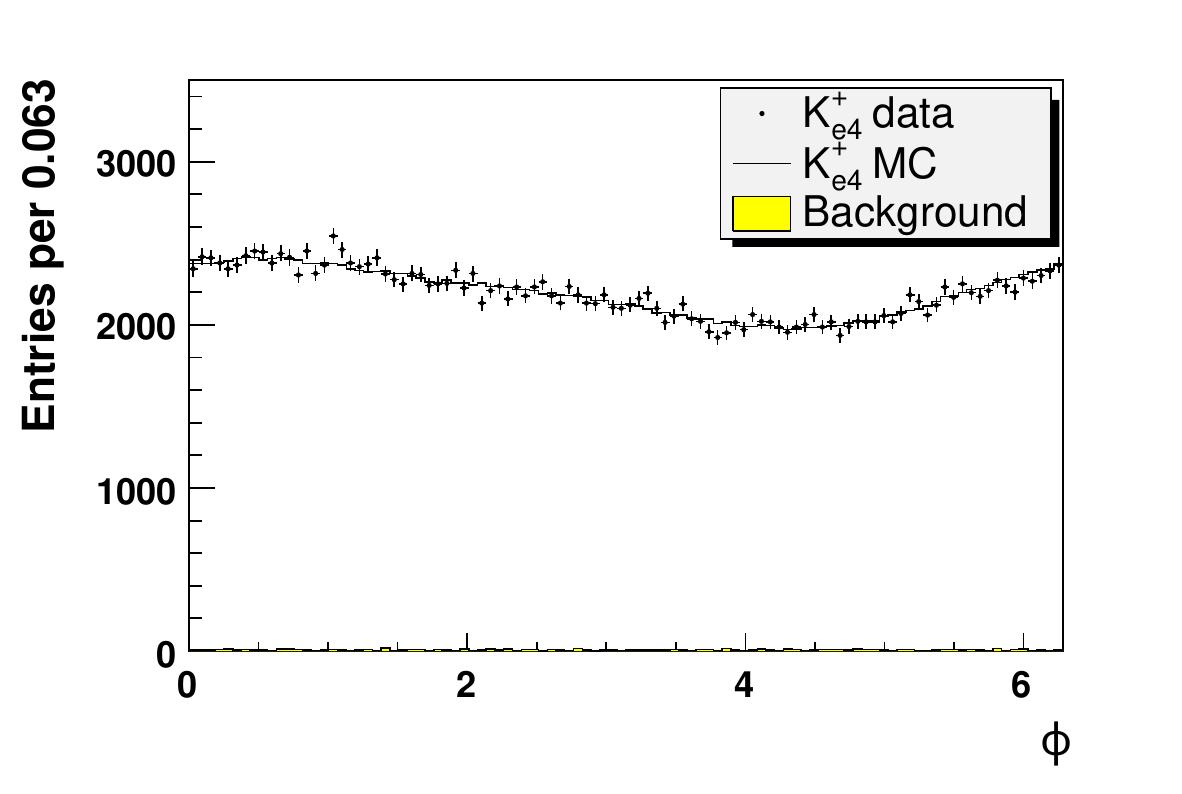 Figure 18
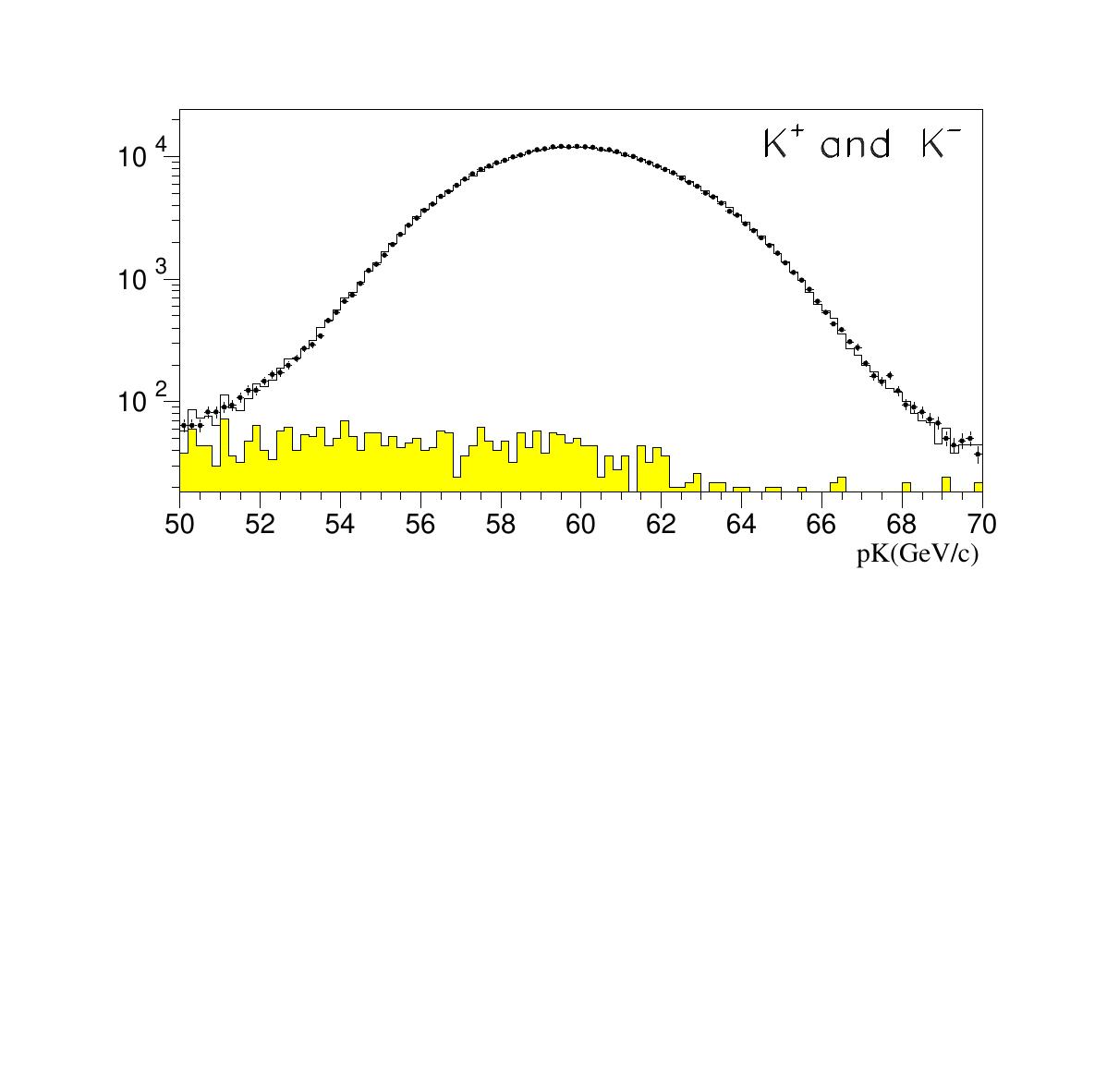 Figure 19
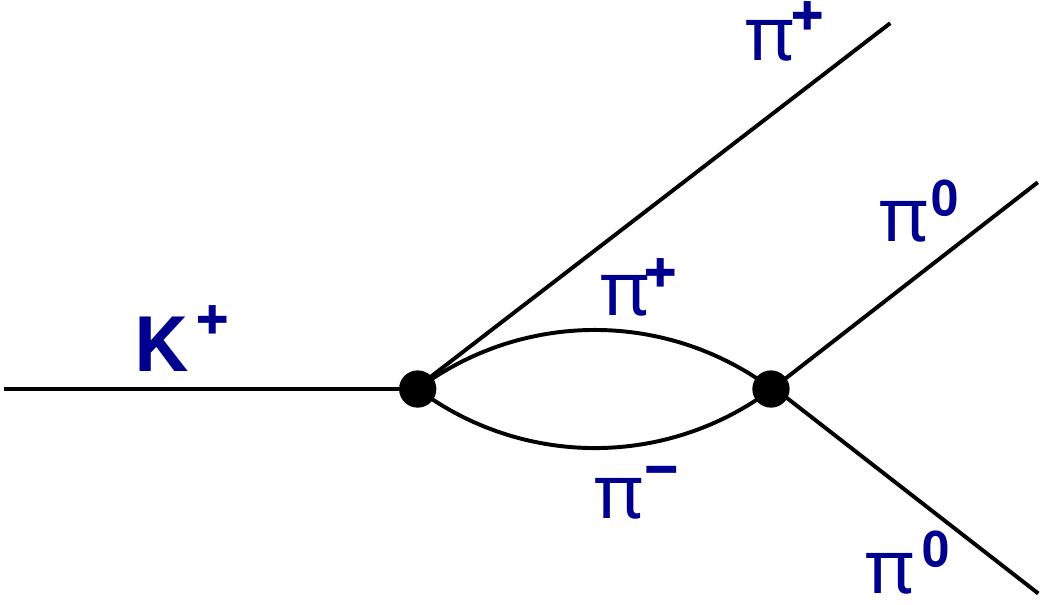 Figure 20
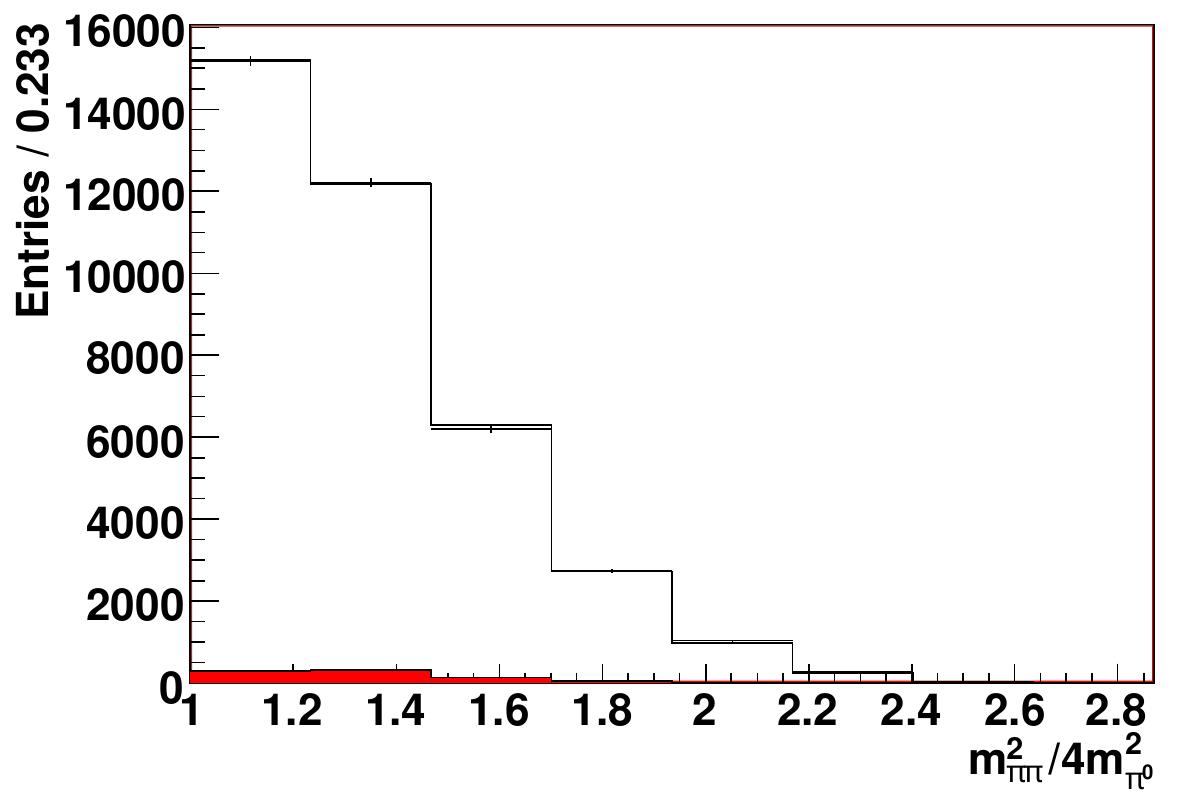 Figure 21
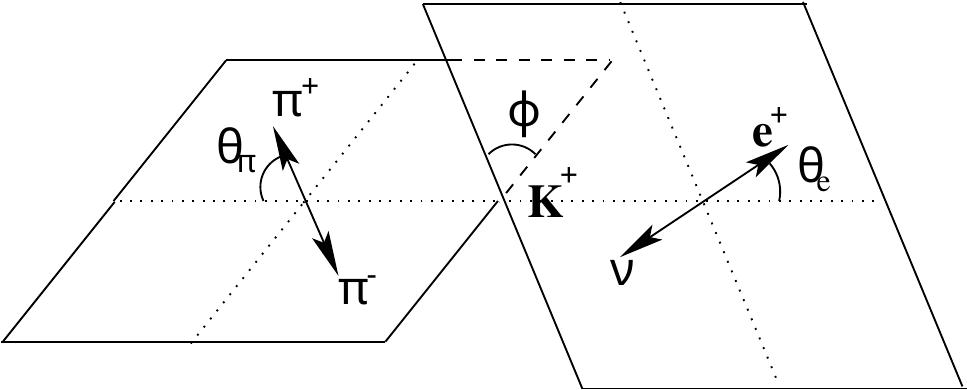 Figure 22
Peer Reviews
No public reviews on file for this paper yet. If you reviewed it on a platform where reviews are public (OpenReview, ICLR, NeurIPS, ICML), you can paste yours below so the community can read it here.
Videos
No videos yet. Explain this paper in a talk, walkthrough, or lecture? Add one.
Taxonomy
TopicsParticle physics theoretical and experimental studies · Quantum Chromodynamics and Particle Interactions · High-Energy Particle Collisions Research
** decays and Wigner cusp **
**Contribution to the proceedings of HQL06,
Munich, October 16th-20th 2006**
*Lucia Masetti111Present address: Physikalisches Institut, Universität Bonn, D-53012 Bonn, GERMANY
Institut für Physik
Universität Mainz
D-55099 Mainz, GERMANY*
1 Introduction
The single-flavour quark condensate is a fundamental parameter of , determining the relative size of mass and momentum terms in the expansion. Since it can not be predicted theoretically, its value must be determined experimentally, e.g. by measuring the scattering lengths, whose values are predicted very precisely within the framework of , assuming a big quark condensate [1], or of generalised , where the quark condensate is a free parameter [2].
The decay is a very clean environment for the measurement of scattering lengths, since the two pions are the only hadrons and they are produced close to threshold. The only theoretical uncertainty enters through the constraint [3] between the scattering lengths and . In the decay a cusp-like structure can be observed at , due to re-scattering from . The scattering lengths can be extracted from a fit of the distribution around the discontinuity.
2 Experimental setup
Simultaneous and beams were produced by 400 GeV energy protons from the CERN SPS, impinging on a beryllium target. The kaons were deflected in a front-end achromat in order to select the momentum band of GeV/ and focused at the beginning of the detector, about 200 m downstream. For the measurements presented here, the most important detector components are the magnet spectrometer, consisting of two drift chambers before and two after a dipole magnet and the quasi-homogeneous liquid krypton electromagnetic calorimeter. The momentum of the charged particles and the energy of the photons are measured with a relative uncertainty of 1% at 20 GeV. A detailed description of the NA48/2 detector can be found in Ref. [4].
3
The selection consisted of geometrical criteria, like the requirement of having three tracks within the detector acceptance and building a good vertex; particle identification requirements, based mainly on the different fraction of energy deposited by pions and electrons in the electromagnetic calorimeter; kinematical cuts for background rejection, like an elliptical cut in the (,) plane centered at (0,). In order to improve the pion rejection, the electron identification also included a Linear Discriminant Analysis combining the three quantities with the highest discriminating power. Two reconstruction strategies can be applied to the events: either imposing the kaon mass and extracting the kaon momentum from a quadratic equation, or imposing the kaon momentum to be the mean beam momentum (60 GeV/ along the beam axis) and extracting the kaon mass from a linear equation (see Fig. 1).
Analysing part of the 2003 data, events were selected with a background contamination below 1%. The background level was estimated from data, using the so-called “wrong sign” events, i.e. with the signature , that, at the present statistical level, can only be background, since the corresponding kaon decay violates the rule and is therefore strongly suppressed [5]. The main background contributions are due to events with or a pion mis-identified as an electron. The background estimate from data was cross-checked using Monte Carlo simulation (MC).
3.1 Form factors
The form factors of the decay are parametrised as a function of five kinematic variables [6] (see Fig. 2): the invariant masses and and the angles , and . The matrix element
[TABLE]
contains a hadronic part, that can be described using two axial ( and ) and one vector () form factors [7]. After expanding them into partial waves and into a Taylor series in , the following parametrisation was used to determine the form factors from the experimental data [8, 9]:
[TABLE]
In a first step, ten independent five-parameter fits were performed for each bin in , comparing data and MC in four-dimensional histograms in , , and , with 1500 equal population bins each. The second step consisted in a fit of the distributions in (see Figs. 3,4), to extract the (constant) form factor parameters.
The polynomial expansion in was truncated according to the experimental sensitivity. The dependence on and the -wave were found to be negligible within the total uncertainty and the corresponding parameters were therefore set to zero. The distribution was fitted with a one-parameter function given by the numerical solution of the Roy equations [3], in order to determine , while was constrained to lie on the centre of the universal band. The following preliminary result was obtained:
[TABLE]
where the systematic uncertainty was determined by comparing two independent analyses and taking into account the effect of reconstruction method, acceptance, fit method, uncertainty on background estimate, electron-ID efficiency, radiative corrections and bias due to the neglected dependence. The form factors are measured relative to , which is related to the decay rate. The obtained value for is compatible with the prediction [10] and with previous measurements [11, 12].
4
About 10,000 events were selected from the 2003 data and about 30,000 from the 2004 data with a background contamination of 3% and 2%, respectively. The selection criteria were similar to the ones used for the events, apart from the requirement of containing one track and 4 photons compatible with two s at the same vertex. The electron identification was based on the fraction of energy deposited in the electromagnetic calorimeter and on the width of the corresponding shower. The background level was estimated from data by reversing some of the selection criteria and was found to be mainly due to events with a pion mis-identified as an electron (see Fig. 5).
The branching fraction was measured, as a preliminary result from the 2003 data only, normalised to :
[TABLE]
where the systematic uncertainty takes into account the effect of acceptance, trigger efficiency and energy measurement of the calorimeter, while the external uncertainty is due to the uncertainty on the branching fraction. This result is about eight times more precise than the best previous measurement [13].
For the form factors the same formalism is used as in , but, due to the symmetry of the system, the -wave is missing and only two parameters are left: and . Using the full data sample, the following preliminary result was obtained:
[TABLE]
which is compatible with the result (see Fig. 6).
5
From 2003 data, about 23 million events were selected, with negligible background. The squared invariant mass of the system () was computed imposing the mean vertex of the s, in order to improve its resolution close to threshold. At , the distribution shows evidence for a cusp-like structure (see Fig. 7, left) due to re-scattering.
Fitting the distribution with the theoretical model presented in Ref. [14] and using the unperturbed matrix element
the following result was obtained [15], assuming [16]:
[TABLE]
where the measurement is dominated by the uncertainty on the theoretical model.
In a further analysis, the value of was obtained from a fit above the cusp in the plane vs , where is the angle between the and the in the centre of mass system. Evidence was found for a non-zero value of (see Fig. 7, right):
[TABLE]
where the systematic uncertainty takes into account the effect of acceptance and trigger efficiency. Reweighting the MC with the obtained value of , the standard fit of the distribution with the Cabibbo-Isidori model was performed to obtain the cusp parameters, that were found to be compatible with the published values.
The reference list from the paper itself. Each links out to its DOI / PubMed record.
- 1[1] G. Colangelo AIP Conf. Proc. 756 , 60 (2005).
- 2[2] M. Knecht et al. Nucl. Phys. B 457 , 513 (1995).
- 3[3] B. Ananthanarayan et al. Phys. Rept. 353 , 207 (2001).
- 4[4] J. R. Batley et al. Phys. Lett. B 634 , 474 (2006).
- 5[5] P. Bloch et al. Phys. Lett. B 60 , 393 (1976).
- 6[6] N. Cabibbo and A. Maksymowicz Phys. Rev. 137 , B 438 (1965); Ibid. 168 , 1926 (1968).
- 7[7] J. Bijnens et al. 2nd DA Φ Φ \Phi NE Phisics Handbook, 315 (1995).
- 8[8] A. Pais and S. B. Treiman Phys. Rev. 168 , 1858 (1968).